
22 Small-Deck Outdoor Kitchen Ideas That Actually Work

Turning a deck into a real outdoor kitchen sounds like a job for a sprawling backyard, but most of the best setups happen on modest, ordinary decks. The trick is being deliberate about every square foot — where you cook, where you sit, where things get stored — instead of just dragging a grill out and calling it done. A deck kitchen done right becomes the place people actually want to hang out, rain or shine, weeknight or weekend. Here are 22 ideas for building one that’s as functional as it is good-looking.
1. Start With a Real Layout, Not Guesswork
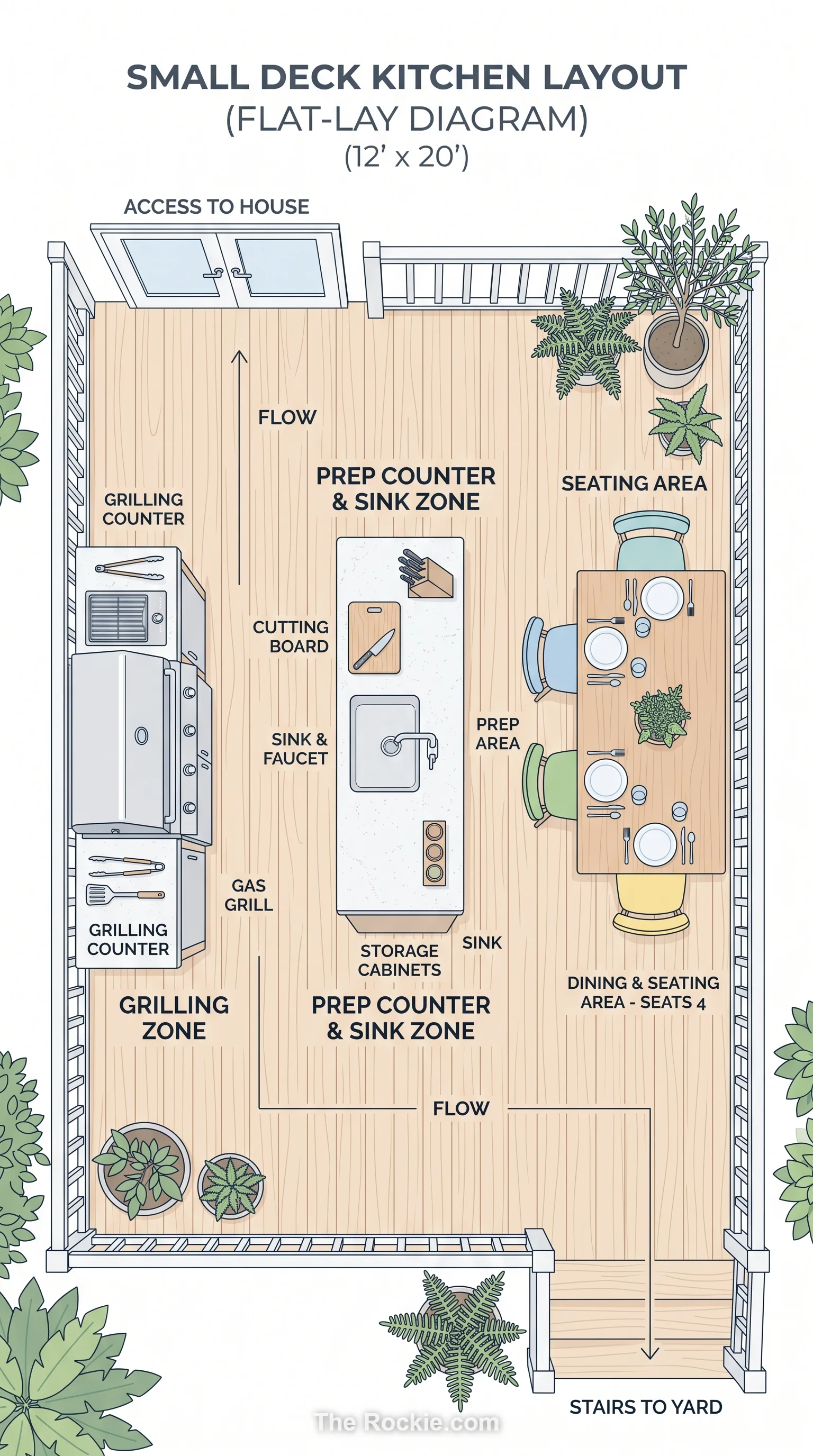
Before anything gets built or bought, map out three zones: cooking, prep, and hanging out. On a smaller deck these zones will overlap, so the goal is flow — you shouldn’t have to cross the grill’s hot zone to reach the fridge or the table. Sketch it on paper first, account for railing codes and load limits, and leave breathing room around anything that gets hot. A layout that respects the deck’s actual dimensions saves you from expensive rework later.
2. Make the Grill the Centerpiece

Everything else can be built around a strong grilling station. A built-in grill with flanking counter space turns cooking into a shared moment rather than a solo chore at the far end of the yard. Go for a grill sized to your deck, not your ambitions — an oversized unit just eats the space you need for prep. Good insulation panels around a built-in unit also protect the decking underneath from heat damage.
3. Choose Materials That Shrug Off Weather
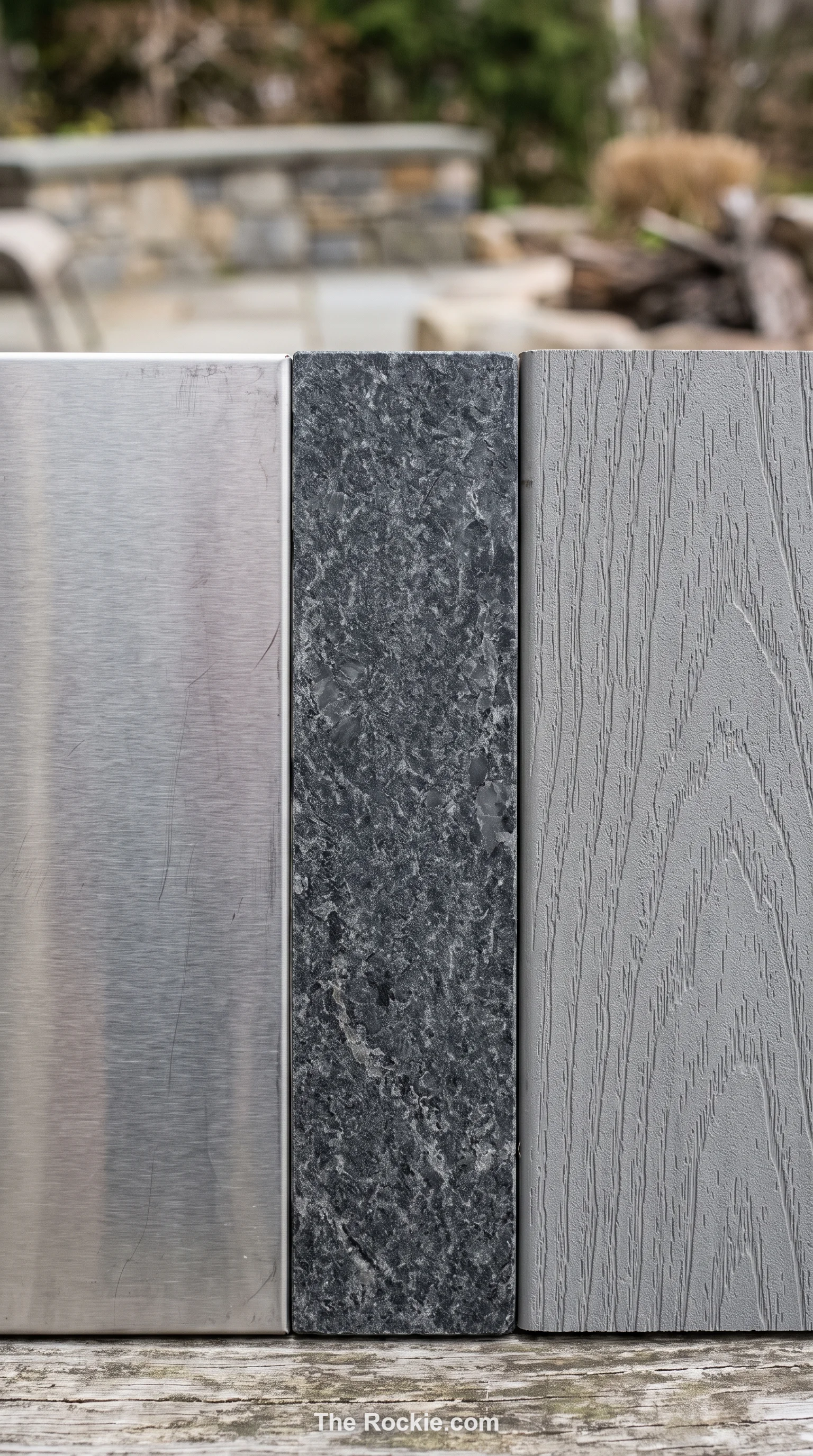
Stone, stainless steel, and marine-grade composite are the three materials that consistently hold up outdoors without babysitting. They resist warping, staining, and fading better than anything wood-adjacent, and they keep their finish through years of sun and rain. Spend the extra money on materials here — this is the part of the kitchen you’ll touch and see every single day, and cheap material shows wear fast.
4. Pick Appliances Built for the Outdoors
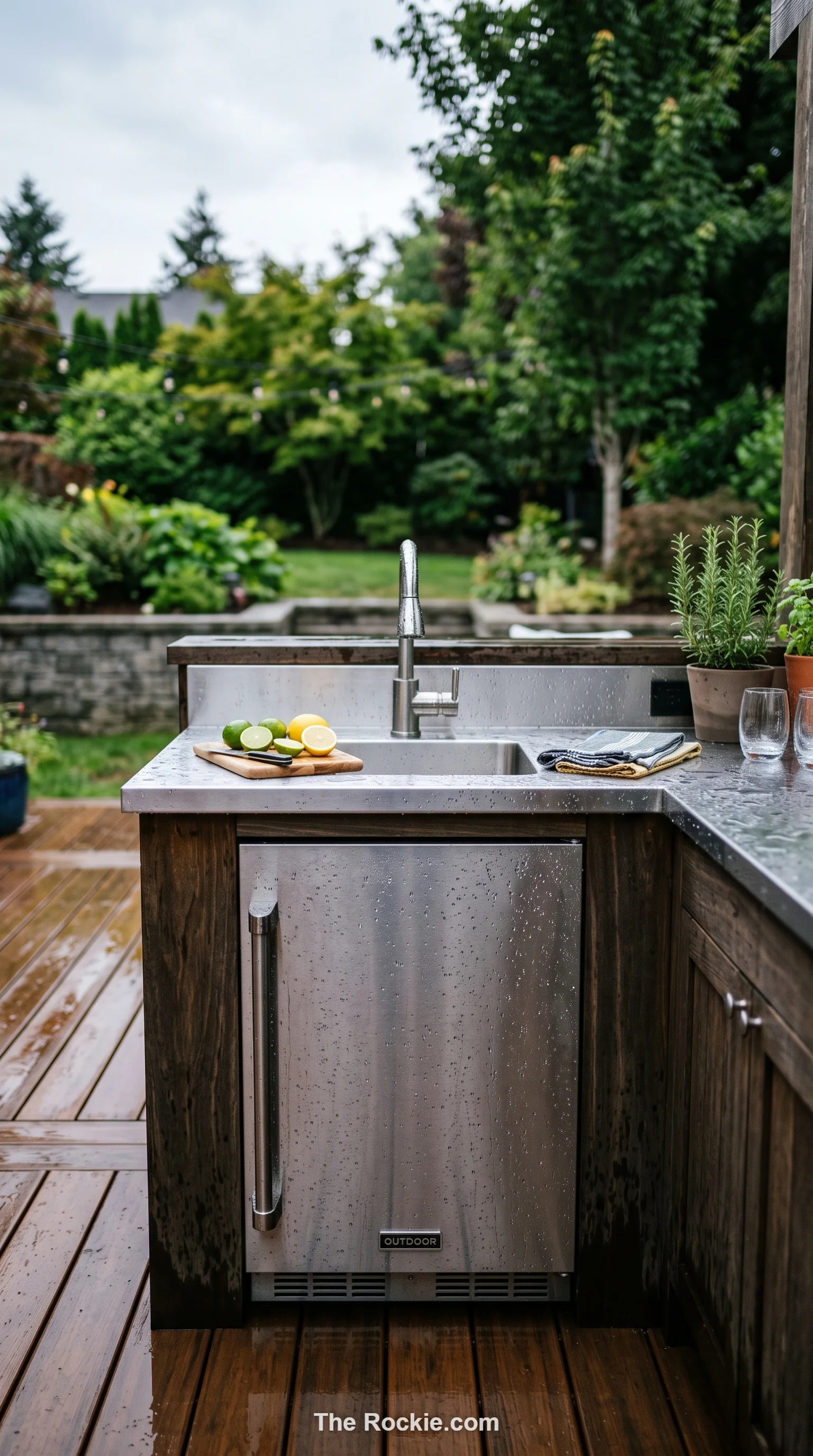
A mini-fridge or sink that isn’t rated for outdoor use will fail within a season. Look for units with sealed electronics, UL or ETL weatherproof certification, and proper drainage. It’s a bigger upfront cost than repurposing an indoor appliance, but it’s the difference between a kitchen that lasts a decade and one that needs replacing every summer.
5. Build In Seating, Don’t Bolt It On

A bar-height counter with stools, or a built-in bench along the rail, keeps guests close to the action without crowding the cook. Weather-resistant cushions and frames — teak, aluminum, or all-weather wicker — mean you’re not hauling furniture in every time it rains. The goal is seating that reads as part of the kitchen’s architecture, not patio furniture parked nearby.
6. Give Yourself Real Counter Space

Even a small deck kitchen needs a legitimate prep surface — somewhere to set down a cutting board, plates, and ingredients without playing Tetris. Heat-resistant stone or engineered quartz can sit right next to the grill without scorching, and a continuous counter line reads as more finished than a patchwork of separate surfaces.
7. Add Weatherproof Storage for Everything
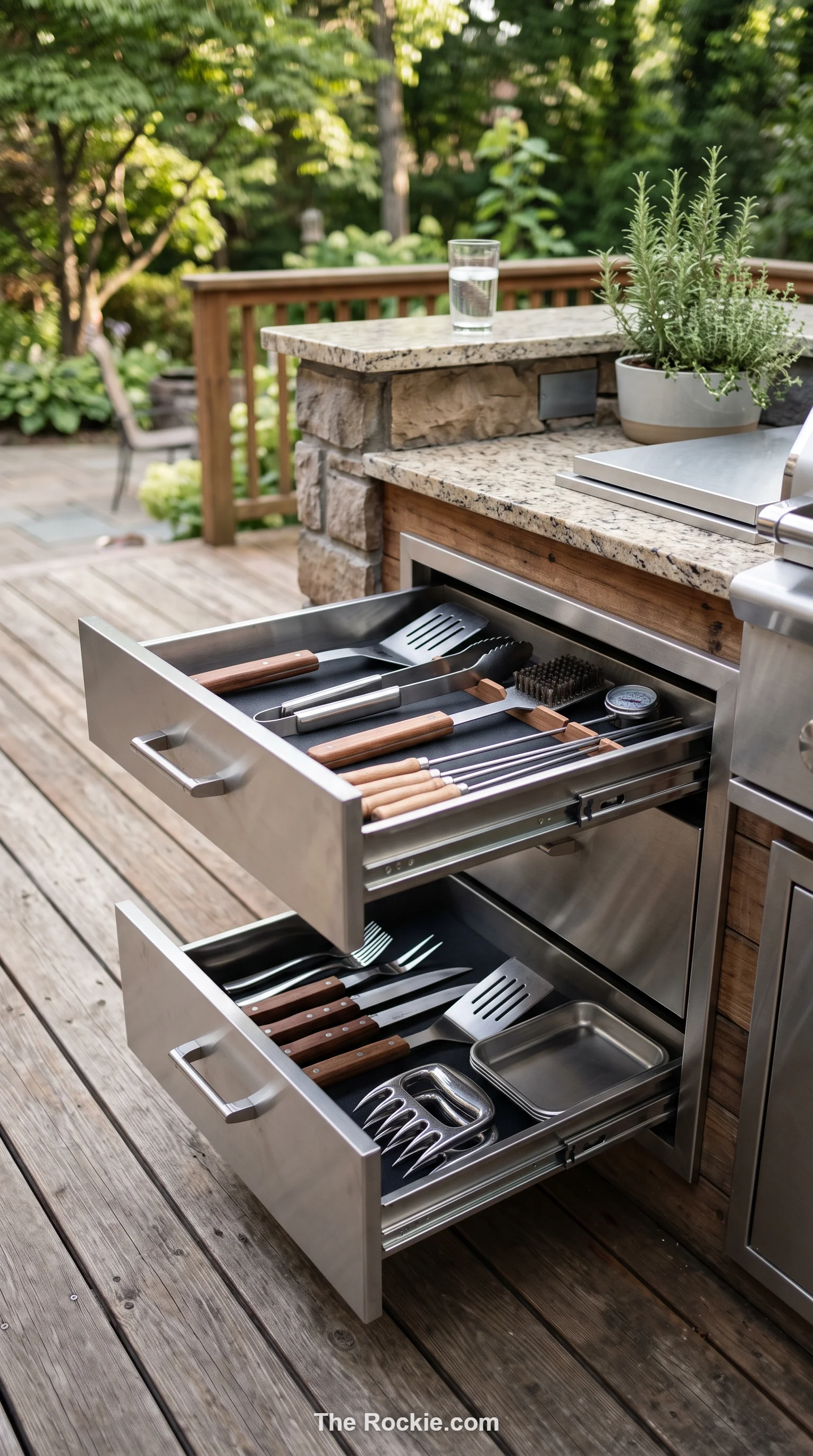
Cabinets and drawers rated for outdoor use keep utensils, plates, and grilling tools dry and out of sight. Stainless steel or marine-grade polymer cabinetry resists rust and swelling far better than anything repurposed from indoors. A dedicated spot for every tool means less clutter on the counter and a faster cleanup after every meal.
8. Layer Your Lighting
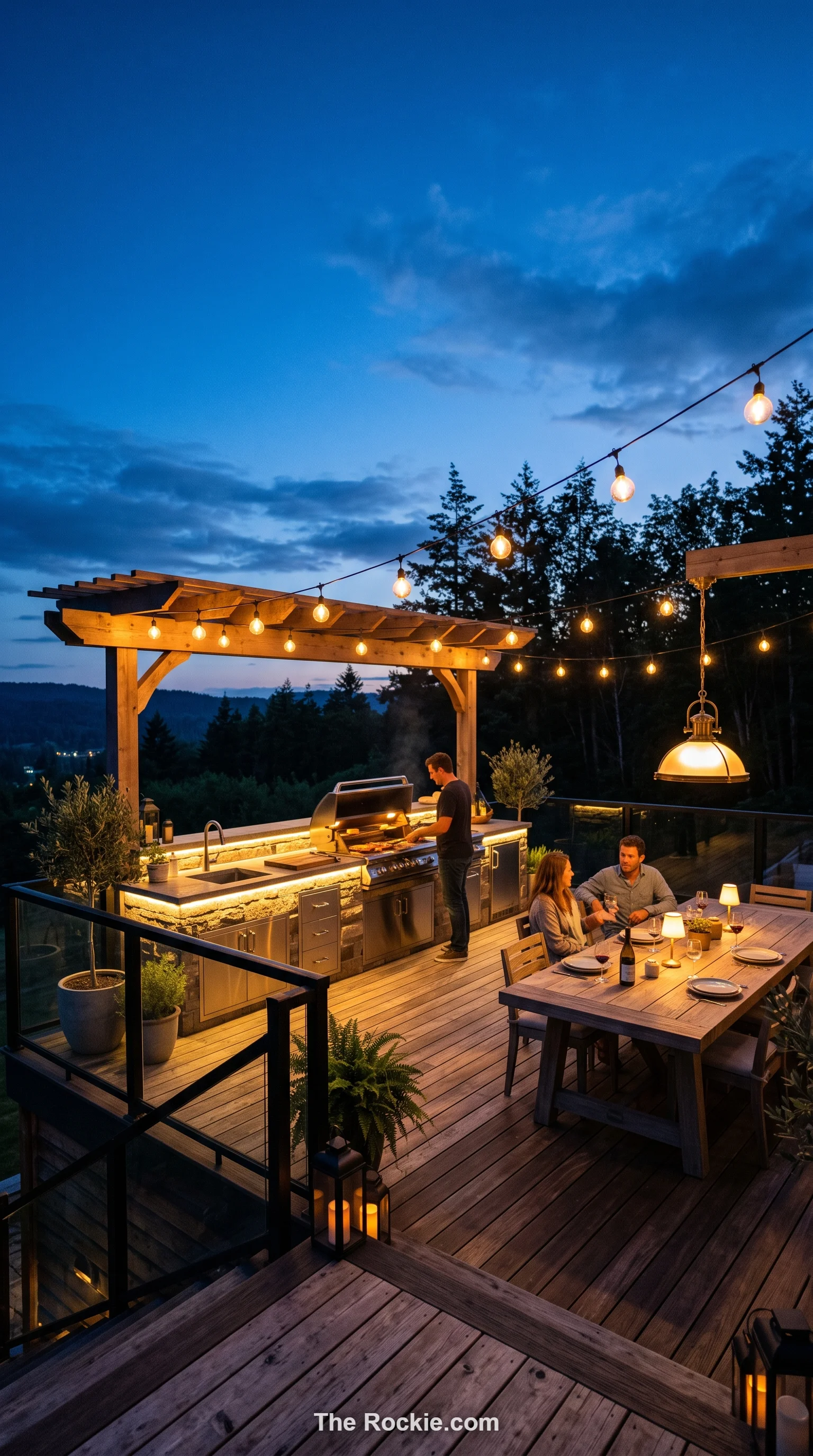
One overhead bulb won’t cut it once the sun goes down. Mix task lighting over the grill and counter with softer accent lighting — string lights, low-voltage path lights, or a pendant over the table — so the space stays functional and still feels good to sit in after dark. Dimmable LEDs let you shift the mood from “cooking” bright to “dinner party” warm in seconds.
9. Plan for Smoke and Heat to Actually Go Somewhere
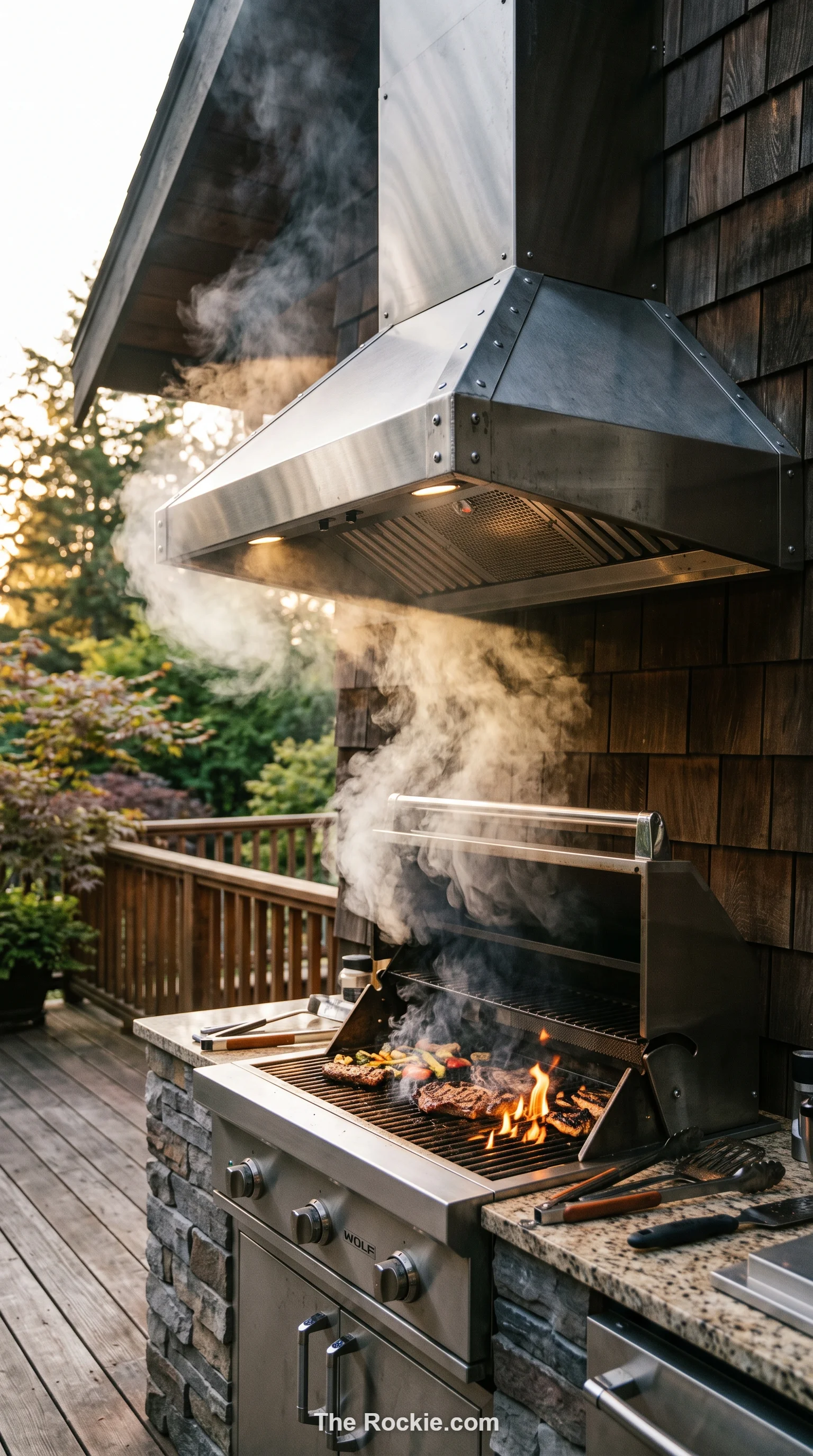
A grill tucked into a corner without airflow turns into a smoke trap fast. An overhead vent hood, or simply an open-sided layout that lets breeze move through, keeps smoke from settling on your guests and your siding. This one detail affects both comfort and how long your appliances and surfaces last.
10. Choose a Countertop That Can Take a Beating
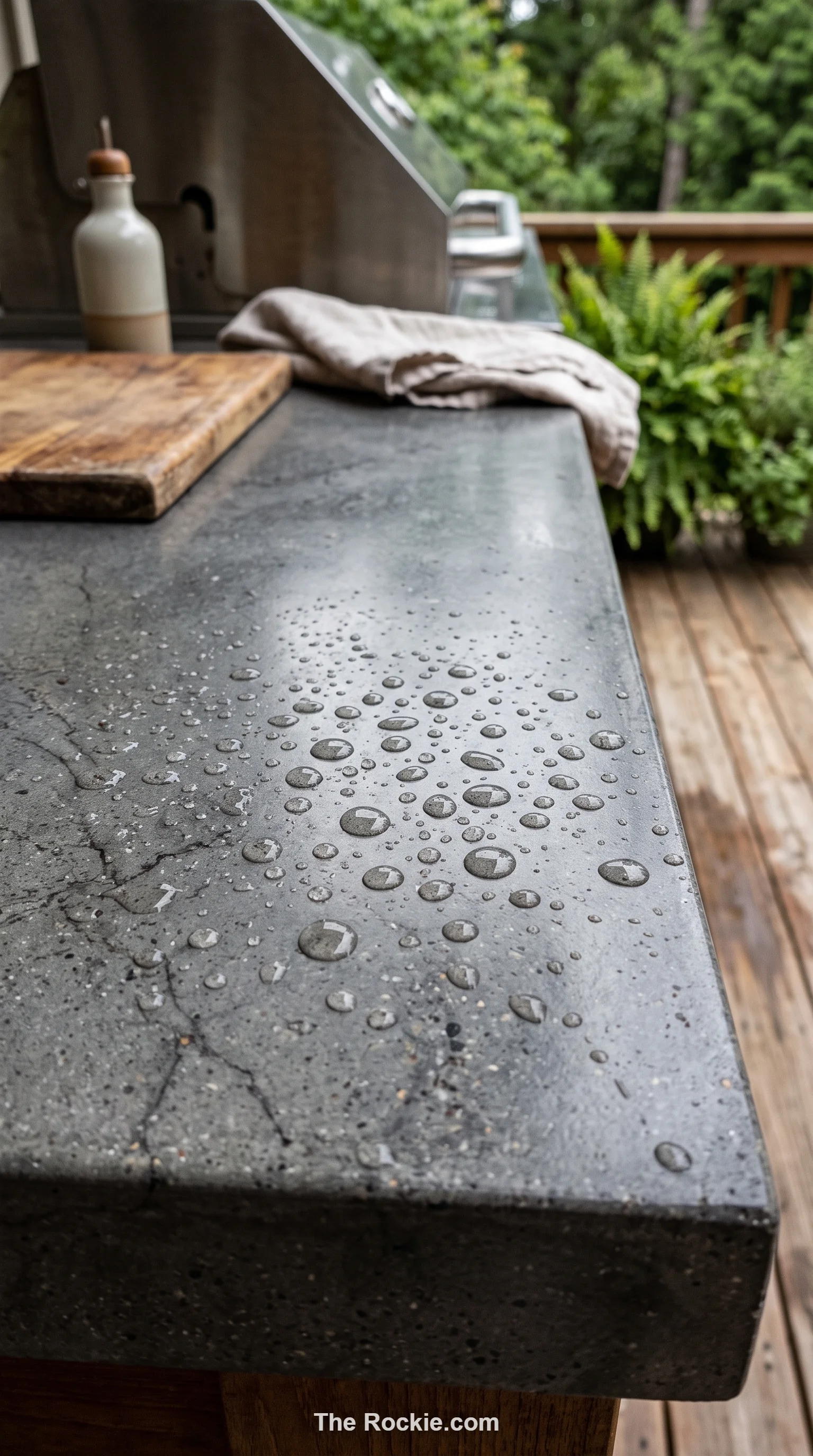
Granite, poured concrete, and recycled composite all resist heat, moisture, and staining better than laminate or untreated wood. Beyond durability, these materials come in enough finishes and colors that you’re not sacrificing style for toughness. A well-chosen countertop is often the single biggest visual upgrade you can make to a deck kitchen.
11. Get the Electrical Right the First Time
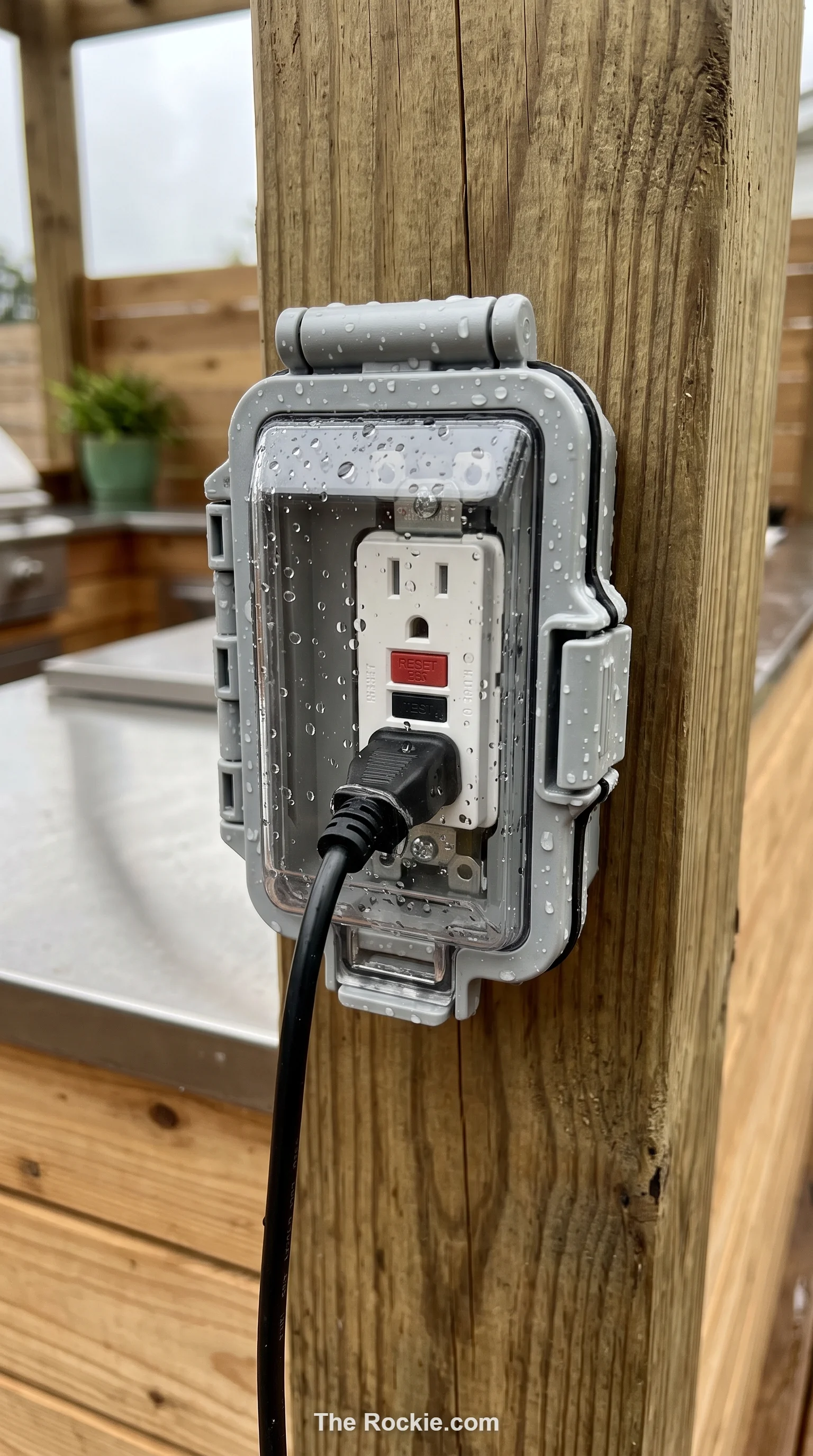
GFCI-protected outlets rated for outdoor use are non-negotiable if you’re running lighting, a fridge, or small appliances. Plan outlet locations before the deck goes back together, not after — running new wiring to a finished kitchen is a much bigger job. A licensed electrician can also make sure everything is coded correctly for wet outdoor conditions.
12. Design a Dining Area That Can Flex
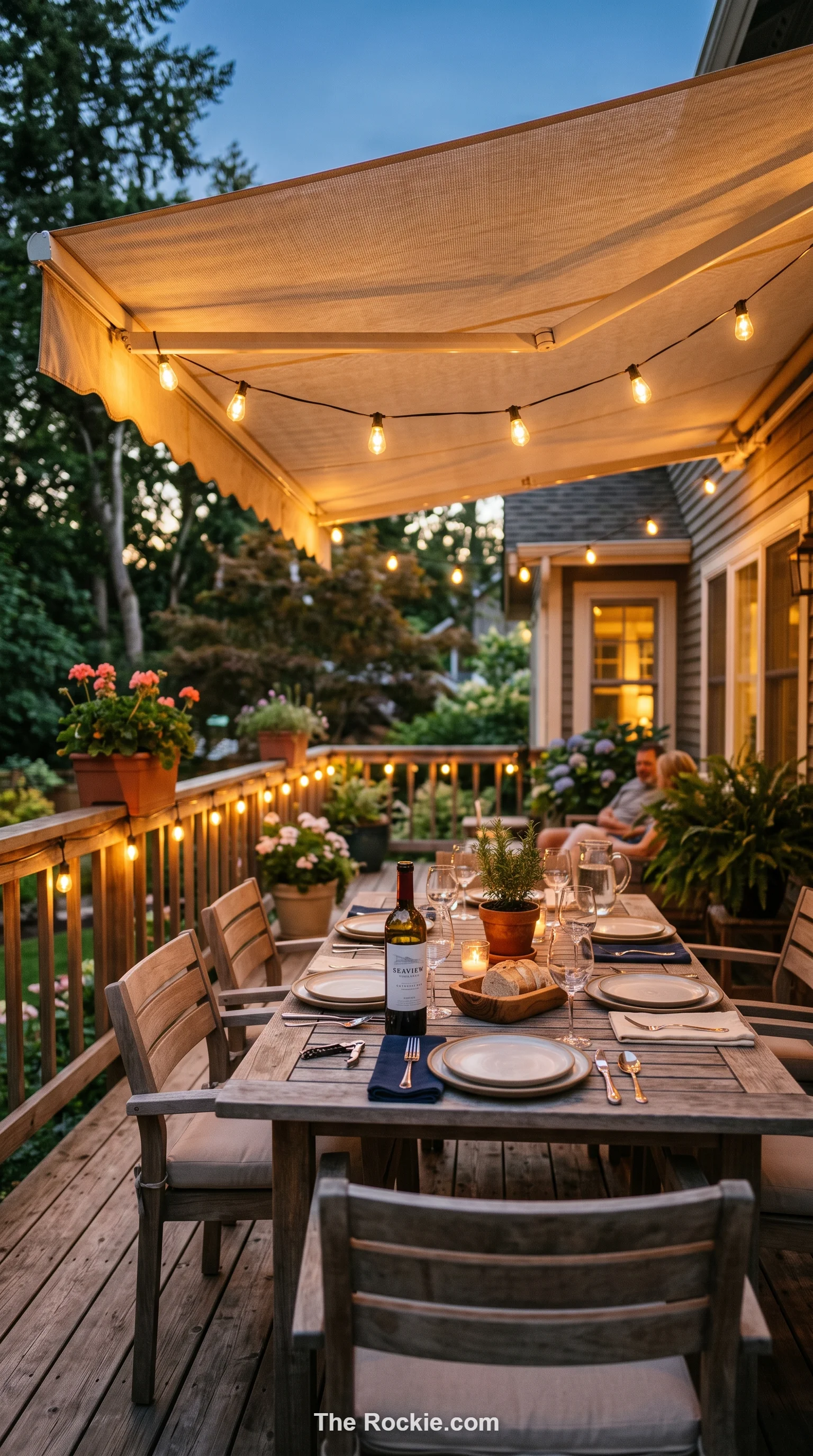
Whether it’s a fixed table or a fold-down leaf attached to the counter, your dining setup should handle both a quiet dinner for two and a bigger weekend gathering. A retractable awning overhead adds shade and rain cover without permanently darkening the space. Weather-resistant fabrics and finishes keep the dining area looking sharp between uses.
13. Work In Sustainable Choices Where You Can
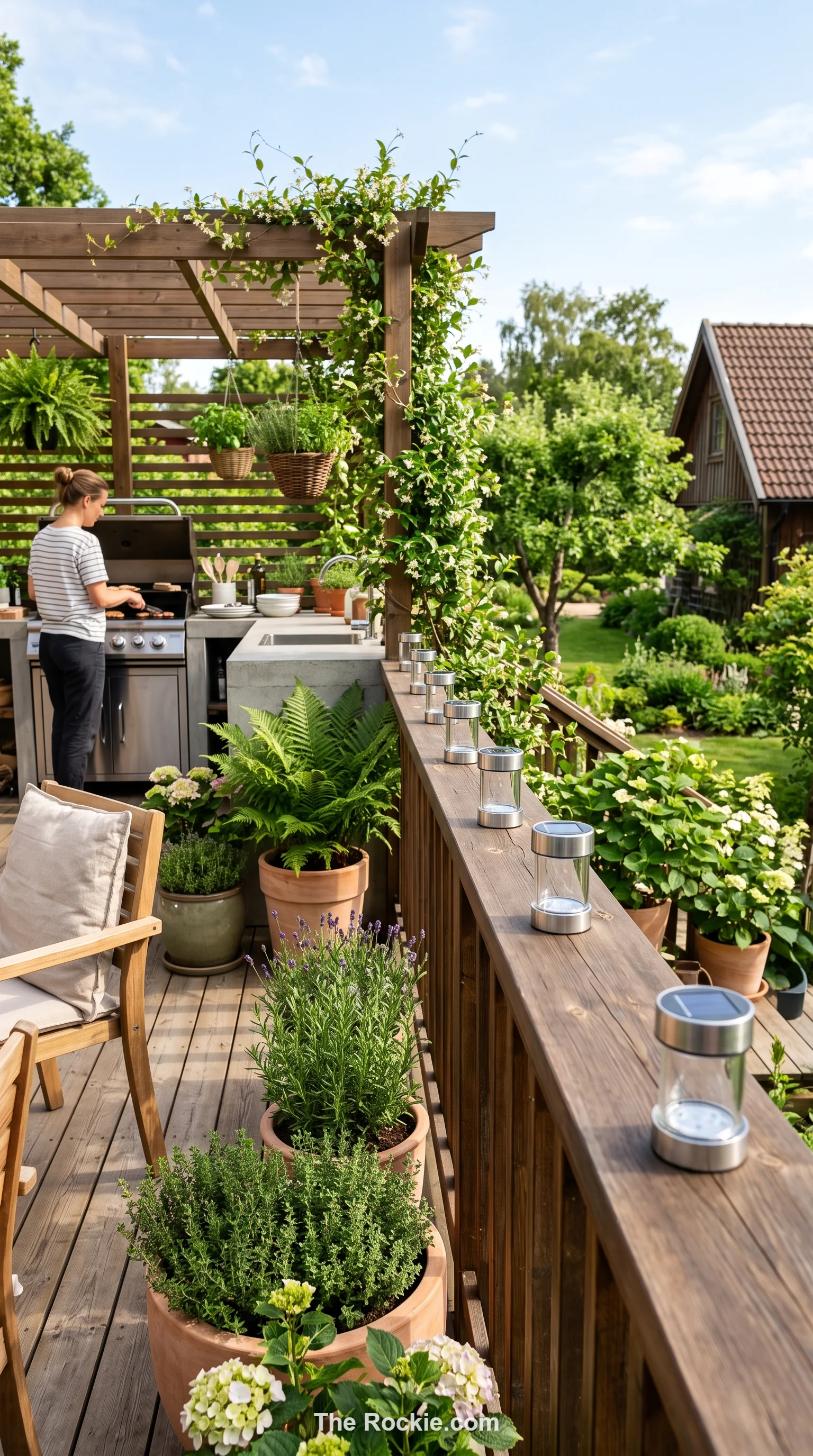
Solar-powered lighting, energy-efficient appliances, and reclaimed or FSC-certified wood all lower the environmental footprint of your build without asking you to sacrifice function. These choices often pay for themselves over time through lower utility costs, and they tend to age well aesthetically too.
14. Shield the Space From Sun, Rain, and Wind
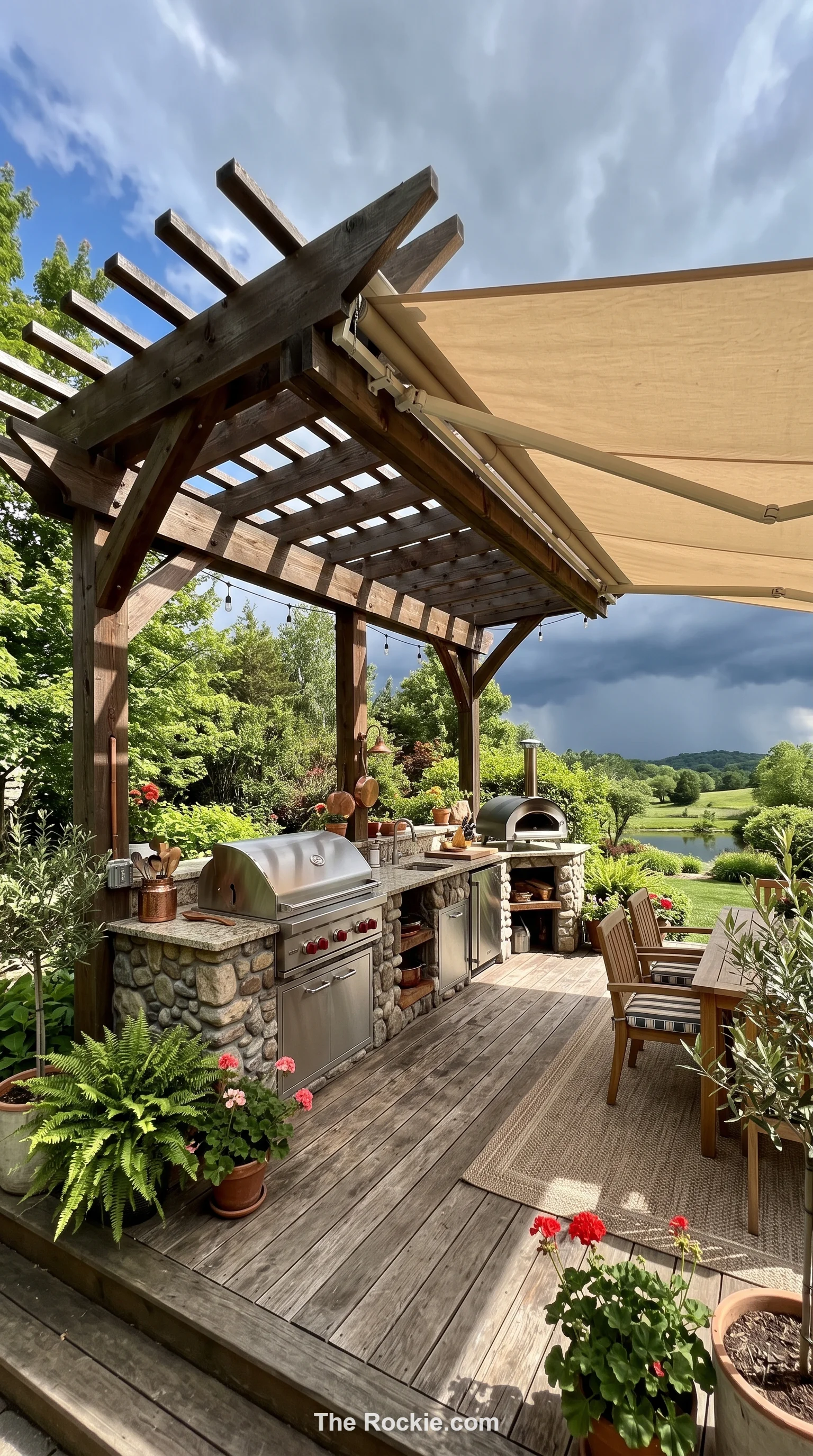
A pergola, retractable canopy, or built-in overhang protects both your appliances and your guests from the weather. This kind of cover extends the usable season of your kitchen significantly — you’re not packing everything up the moment clouds roll in. Choose weather-resistant fabric or hard-cover materials that match the rest of your build.
15. Finish It With Personal Touches
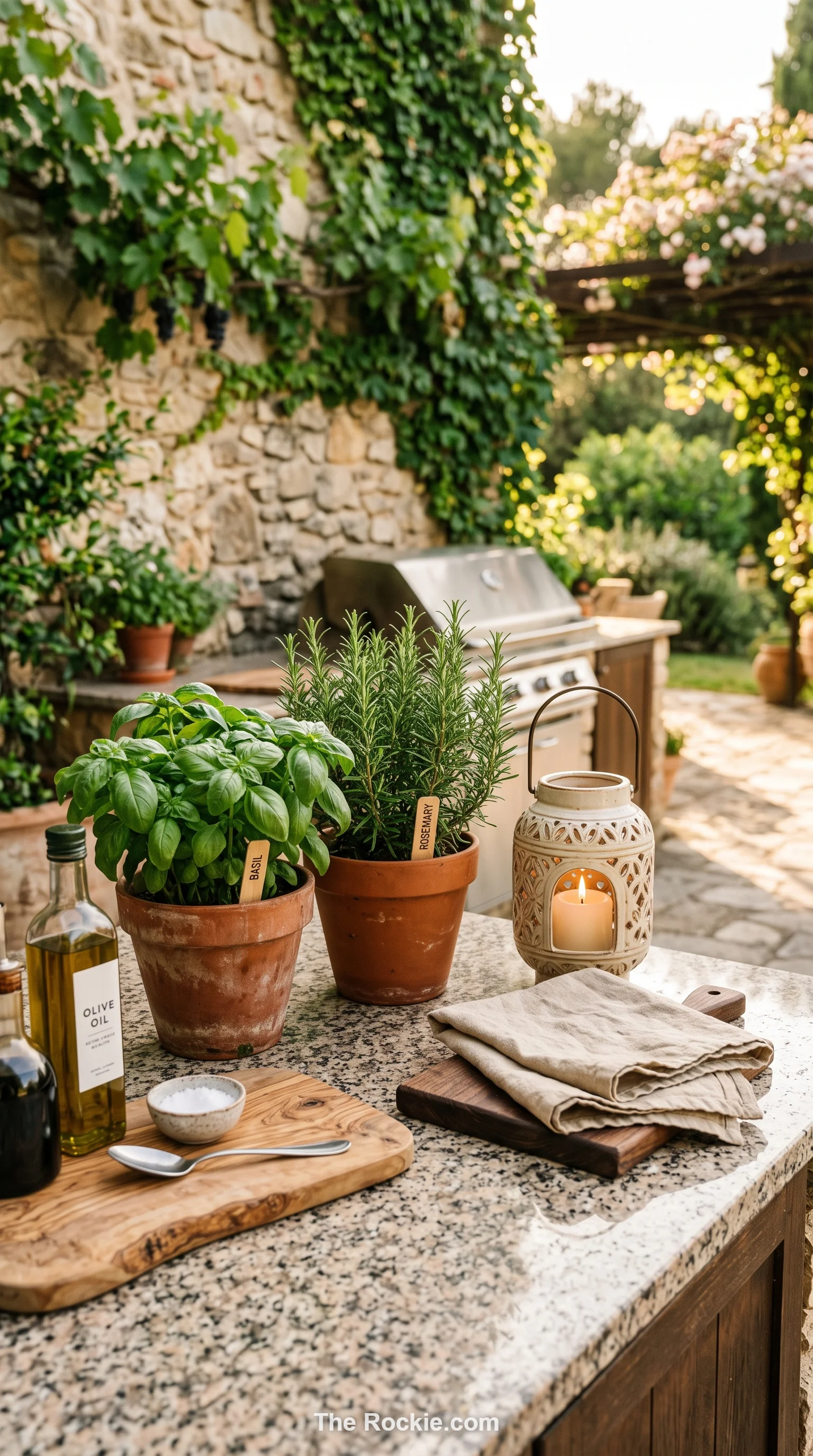
Potted herbs, a few well-placed lanterns, textured table linens — these small details are what make a deck kitchen feel like yours instead of a showroom display. They cost little compared to the big-ticket items but do most of the work in making the space feel lived-in and warm.
16. Bring In Smart Tech Where It Actually Helps
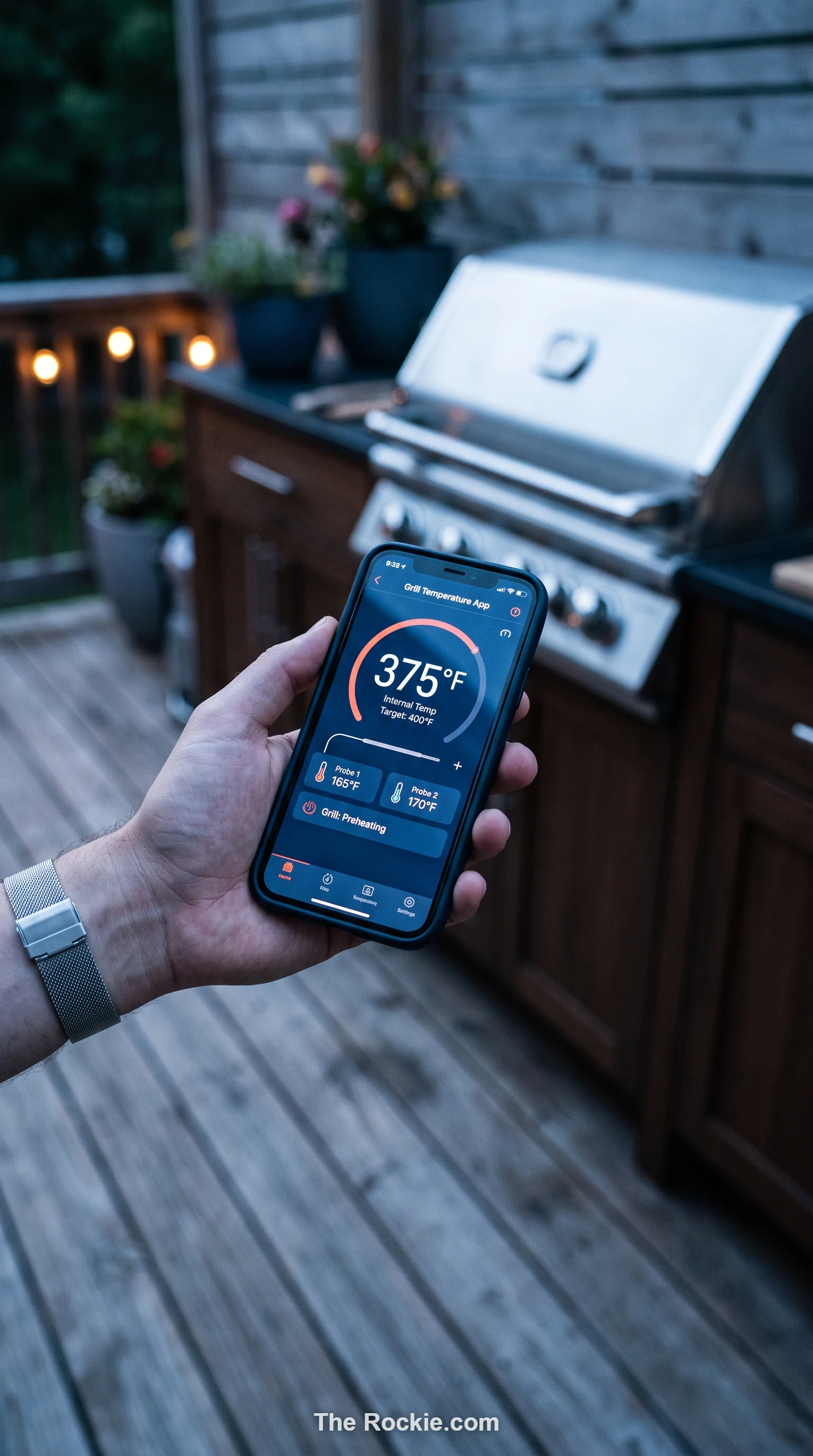
Voice-controlled lighting, app-based temperature monitoring for smart grills, and scheduled irrigation for nearby planters can all simplify daily use. The goal isn’t to gadget-ify the space for its own sake — it’s picking a couple of features that genuinely save you steps.
17. Take Fire Safety Seriously
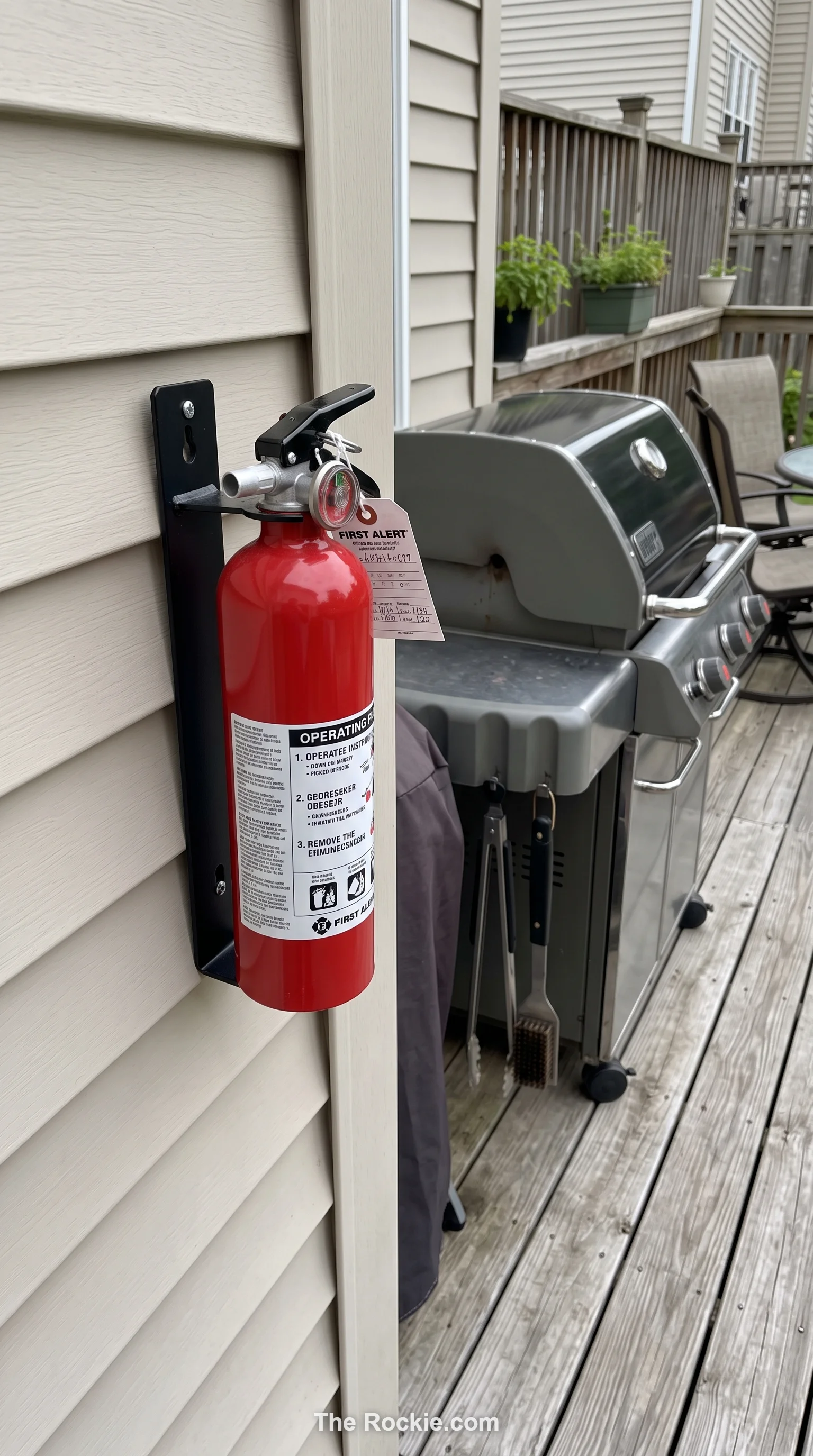
Keep a fire extinguisher within reach, use fire-resistant materials near the grill, and maintain clearance from railings, overhangs, and anything flammable. These aren’t optional extras — they’re what let you actually relax while cooking instead of hovering nervously over an open flame.
18. Get Cabinetry Custom-Built for Your Space
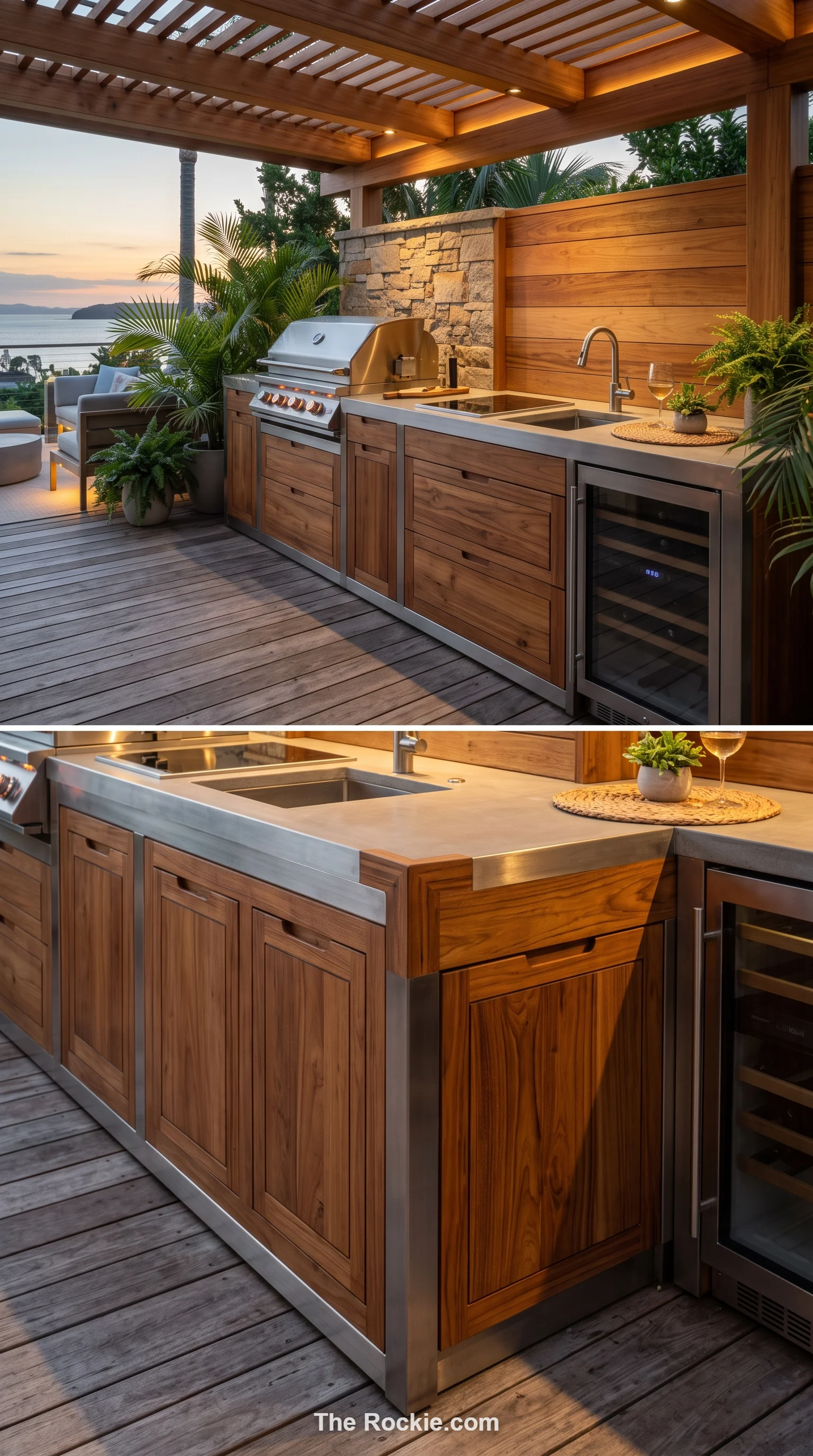
Off-the-shelf units rarely fit odd deck dimensions perfectly. Custom cabinetry, built from weatherproof materials and sized to your exact layout, closes gaps, hides unsightly gas lines, and gives the whole kitchen a built-in, finished look rather than a collection of separate pieces.
19. Blur the Line Between Indoors and Out
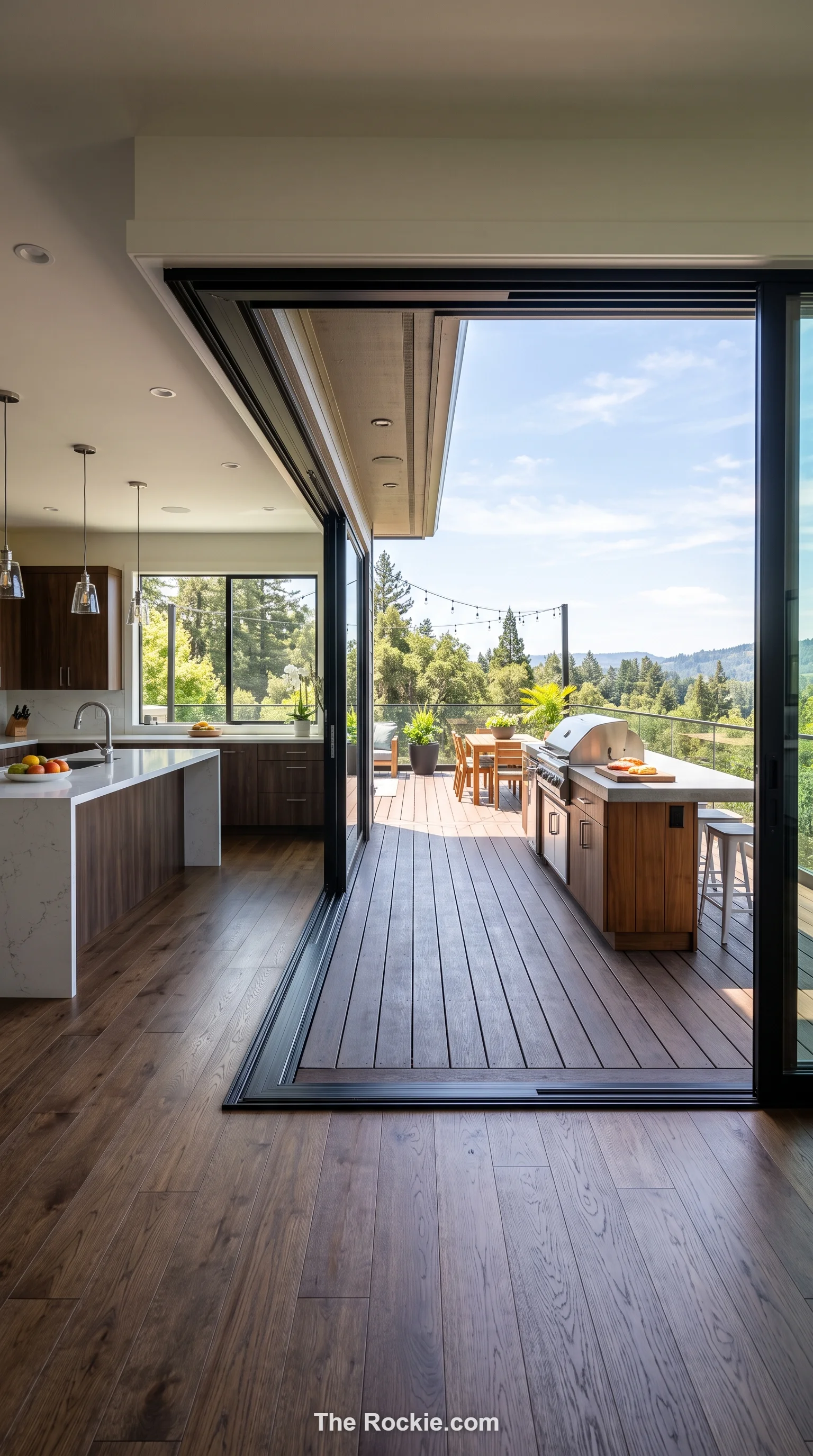
Large sliding or folding doors, matching flooring materials, and a consistent color palette between your kitchen and your deck kitchen make the transition feel like one continuous space rather than two disconnected rooms. This kind of connection makes both areas feel bigger and more usable.
20. Set Up a Dedicated Drink Station

A small fridge, an ice bin, and a stretch of counter for shakers and glasses turns drink-making into its own moment instead of an afterthought at the main counter. It’s a small addition that pulls a lot of weight when you’re hosting.
21. Build for Your Actual Budget
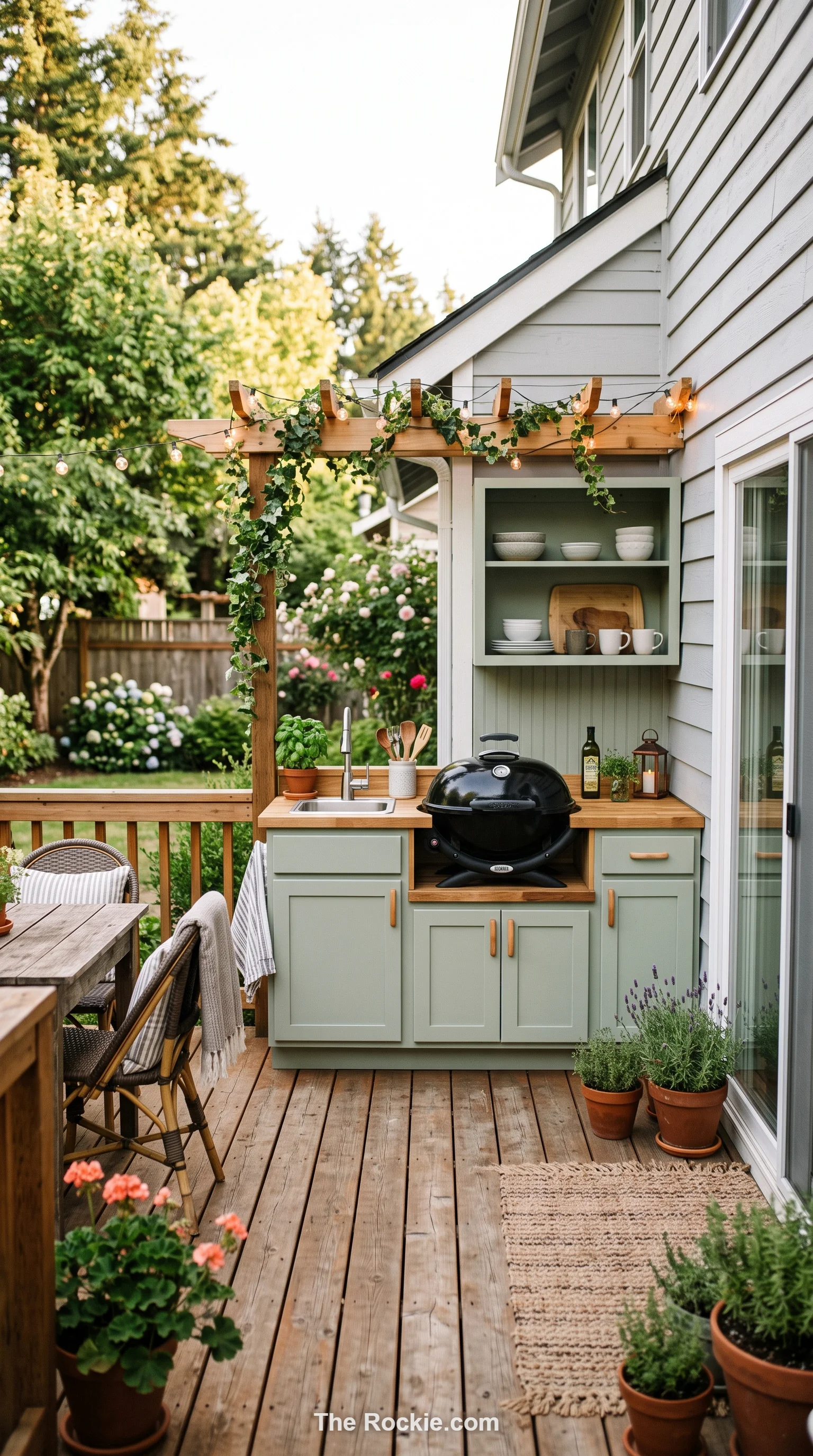
You don’t need every high-end material to get a kitchen that looks and functions well. Prioritize the elements that take the most abuse — countertops, the grill station, cabinetry — and save on decorative extras. A well-planned mid-range build often outperforms an over-budget one that ran out of money halfway through.
22. Plan for Upkeep From Day One
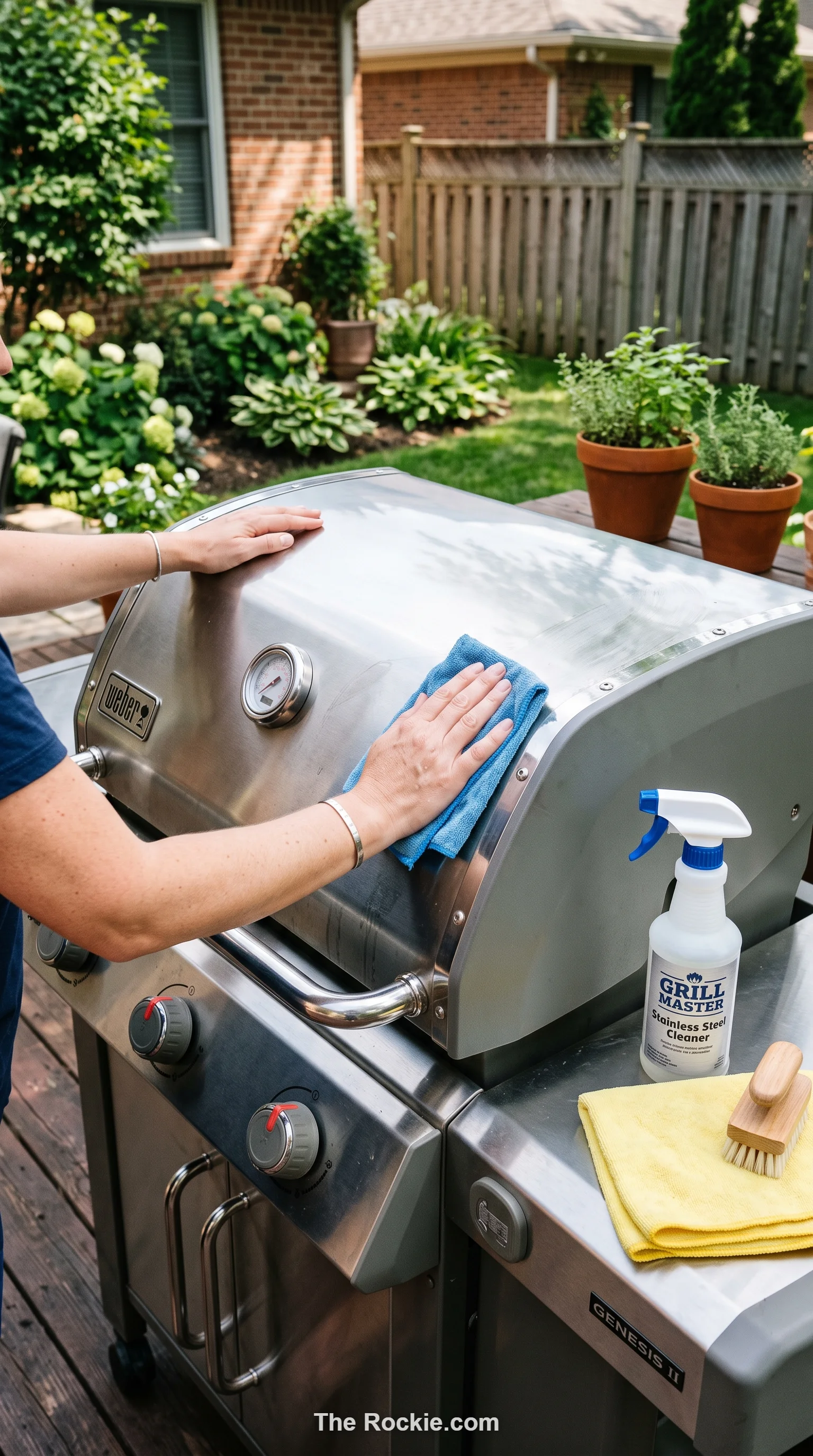
Sealing stone surfaces, checking gas lines, and giving everything a seasonal deep clean keeps a deck kitchen running well for years instead of degrading after one summer. Building a simple maintenance habit — even 20 minutes a month — pays off far more than an occasional deep-clean scramble.
The Takeaway
A great deck kitchen isn’t about cramming in every feature on this list — it’s about picking the ones that match how you actually cook and entertain, then building them well. Get the layout, materials, and safety basics right, and the rest — lighting, tech, personal touches — is just the fun part.


