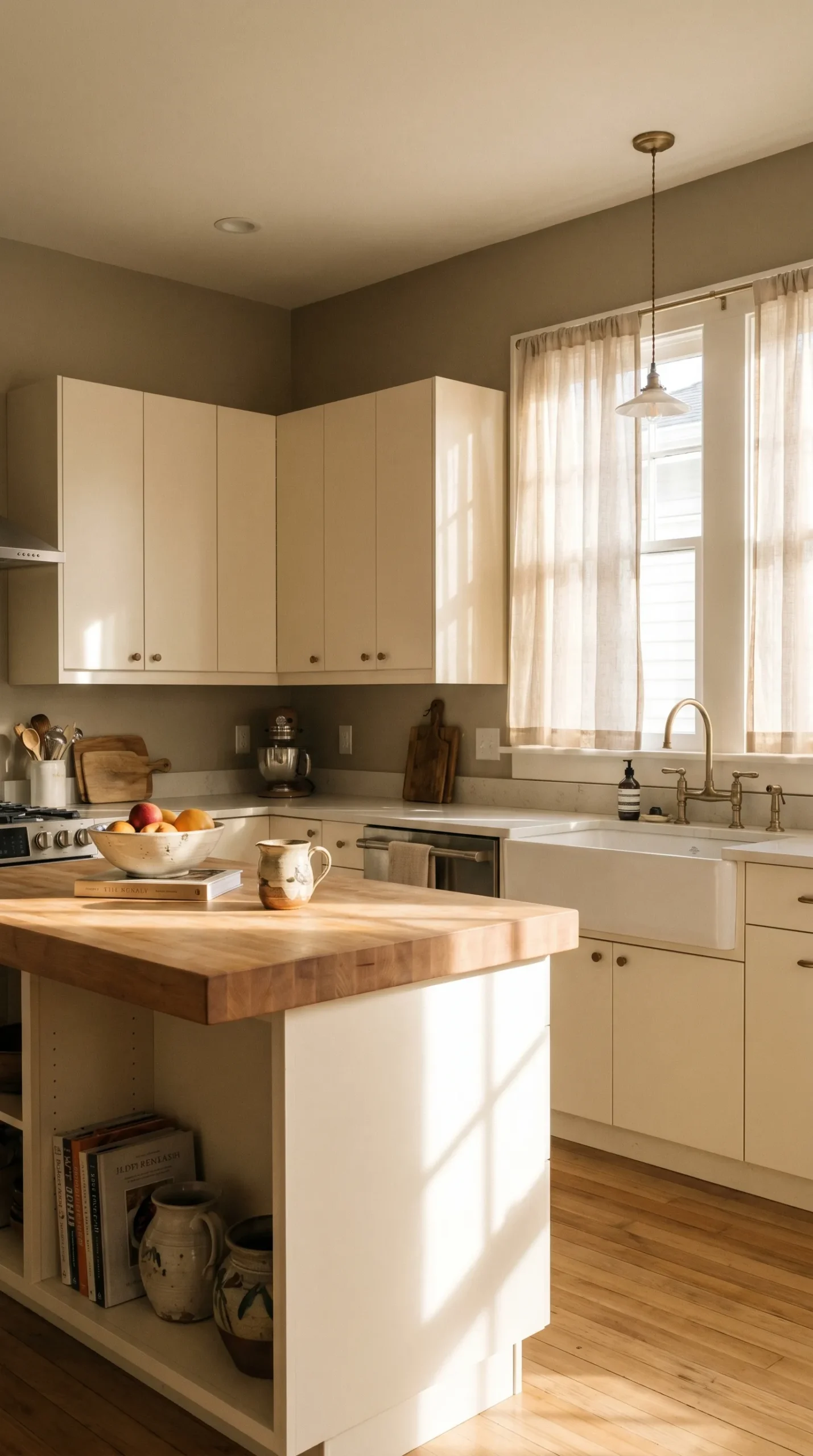
21+ Two-Tone Kitchen Cabinet Ideas That Make Any Kitchen Look Custom

A single cabinet color can look great, but it’s the two-tone kitchens that tend to stop people mid-scroll. Pairing two colors, finishes, or materials gives a kitchen depth and personality that flat, matching cabinetry just can’t match — whether that means a dramatic dark-and-light split, a soft neutral pairing, or a surprise pop of color on the island. It’s also one of the easiest ways to make a kitchen feel custom-designed without a full remodel budget.
Here are 22 two-tone cabinet combinations to steal ideas from, along with practical notes on how to pull each one off.
1. Bold Color Contrast
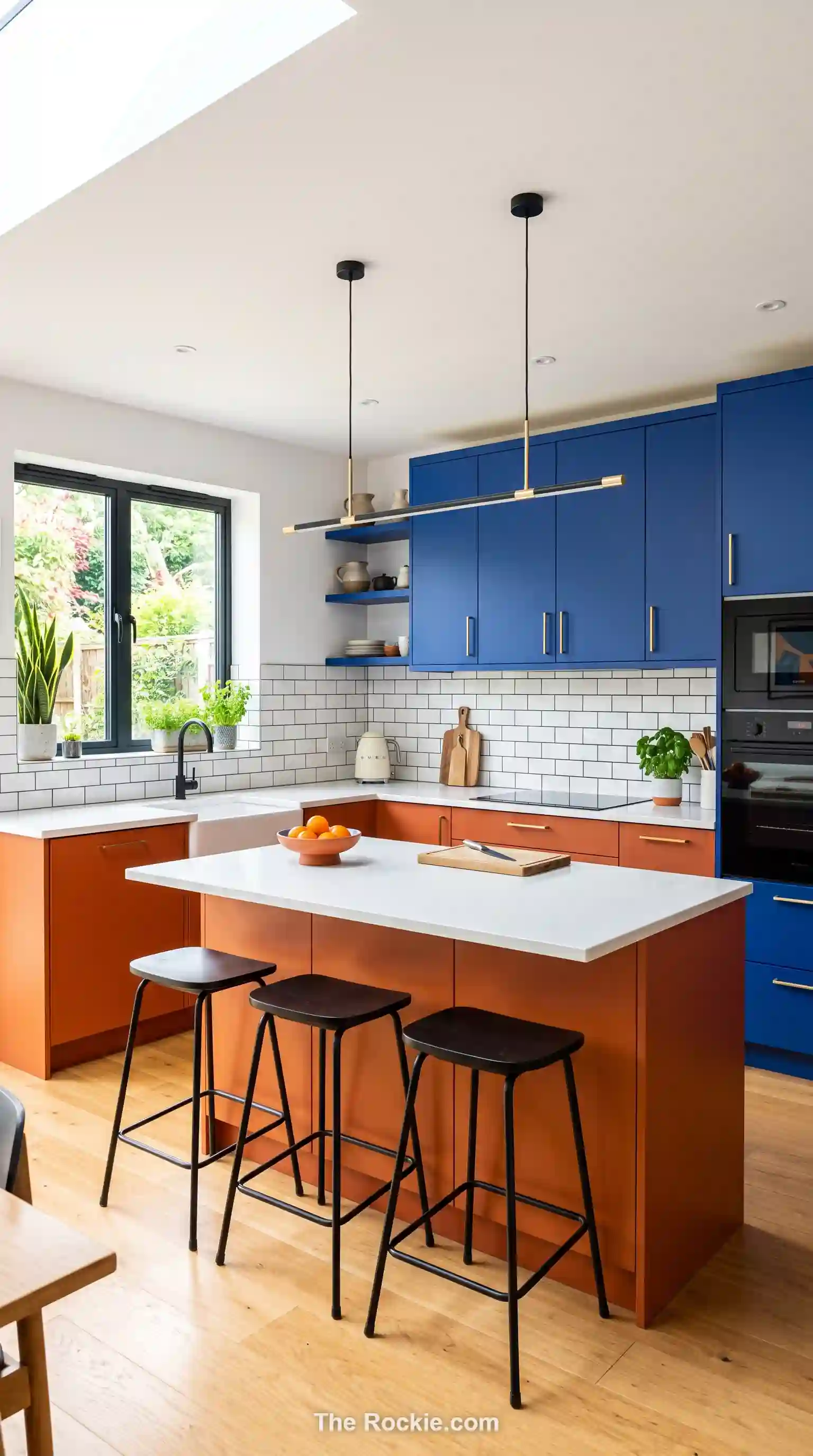
For a kitchen that makes an immediate impression, nothing beats pairing two saturated, high-energy colors against each other. The trick is to let one color lead and the other support — think a rich cabinet color balanced against a quieter accent wall or trim — so the space feels vibrant rather than chaotic. This works especially well on islands or open shelving, where a jolt of color can become the room’s focal point without taking over every surface.
2. Subtle Neutrals
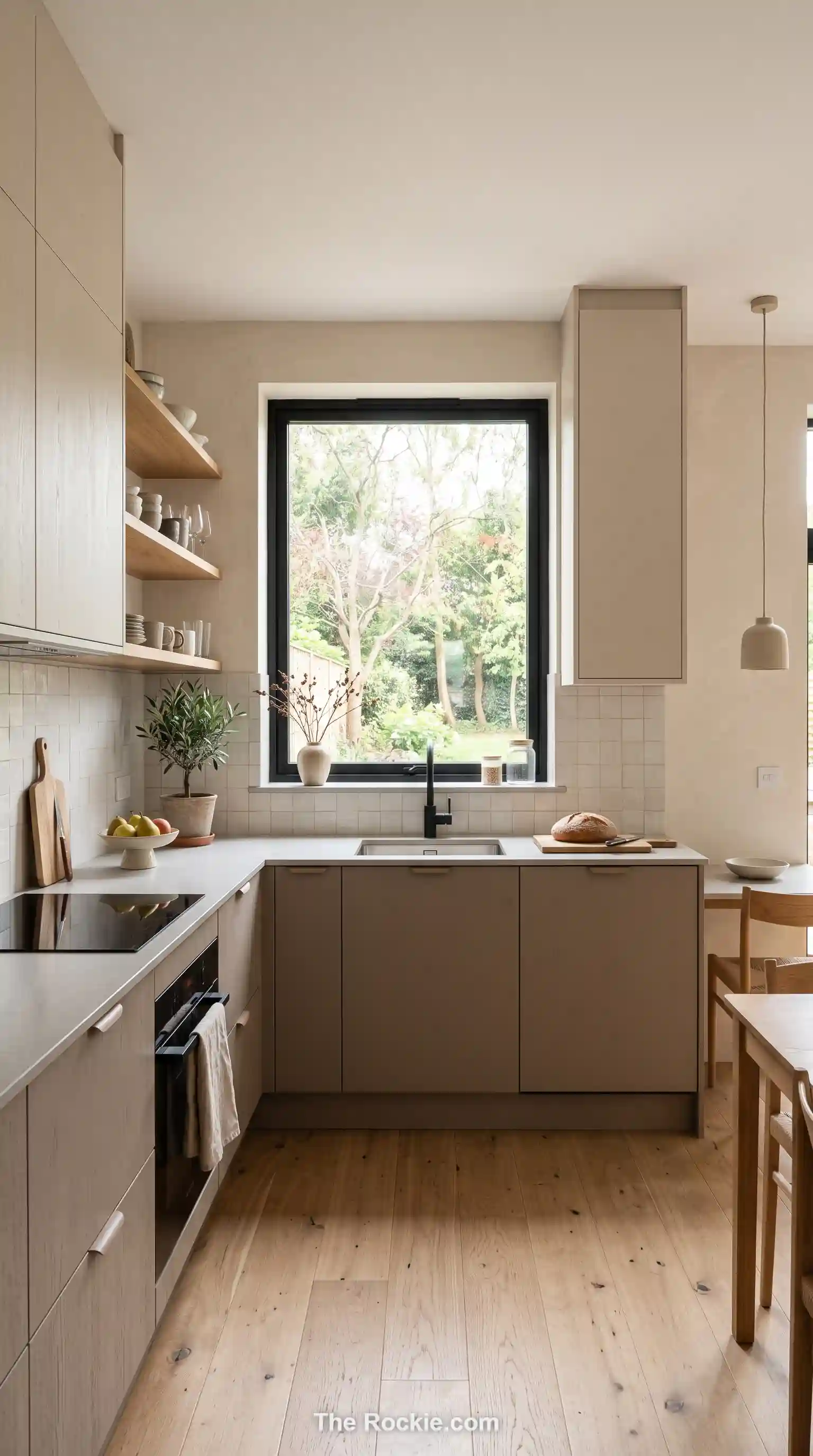
Not every two-tone kitchen needs to shout. Pairing soft beige, cream, or warm gray with a slightly deeper neutral creates a calm, layered look that still reads as intentional rather than plain. Textured cabinet finishes — a light wood grain, a matte paint, a soft-touch laminate — help the subtlety read as sophistication instead of blending into nothing. It’s a combination that works in almost any home, from farmhouse to minimalist.
3. Classic White and Navy Blue
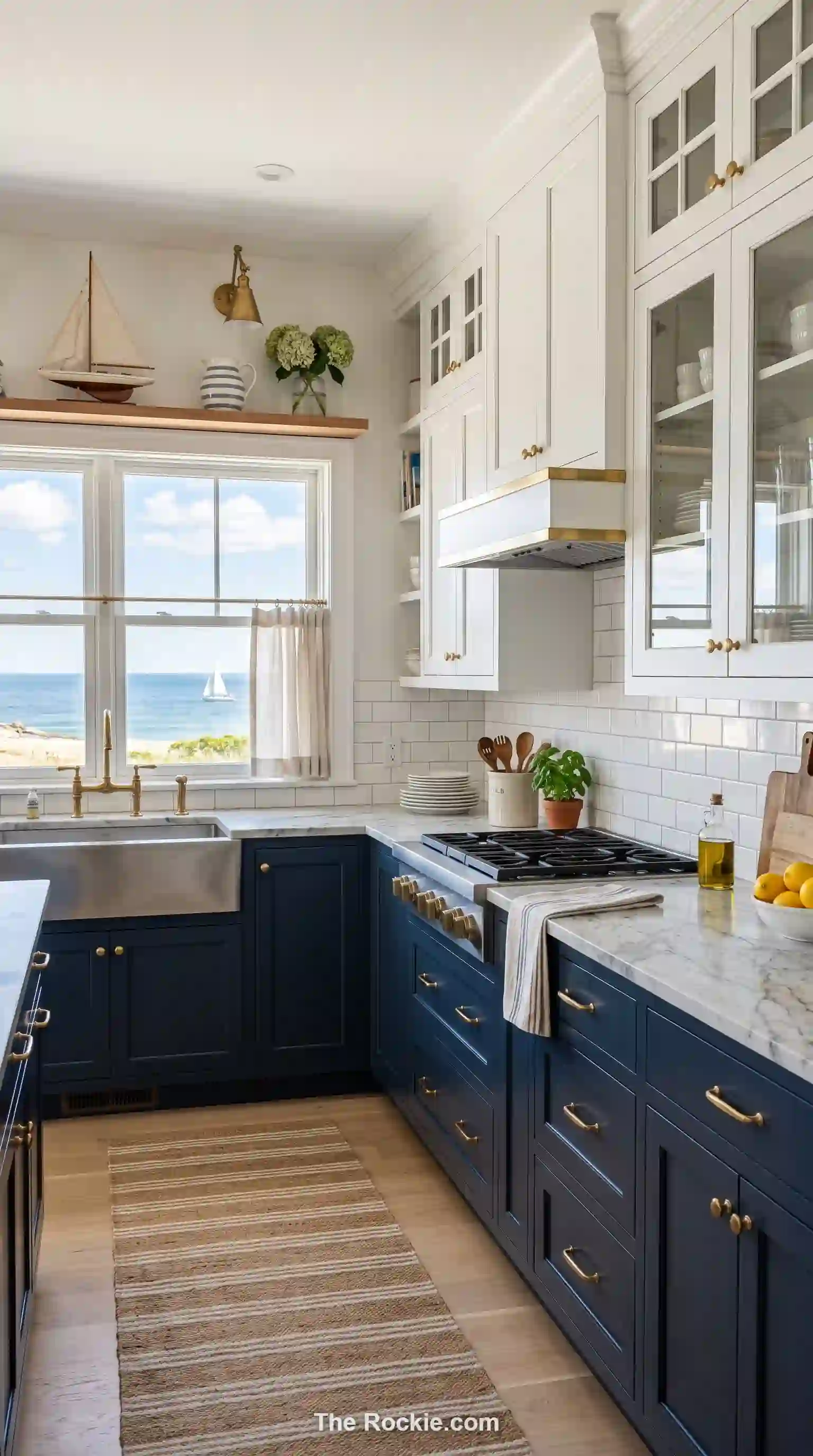
White and navy is one of those combinations that never really goes out of style. The crisp white keeps a kitchen feeling open and bright, while the navy lower cabinets ground the space and add a coastal, slightly formal edge. Brass or gold hardware plays especially well against navy, and this pairing tends to shine in smaller kitchens where you want drama without losing light.
4. Sophisticated Dark and Light Combo
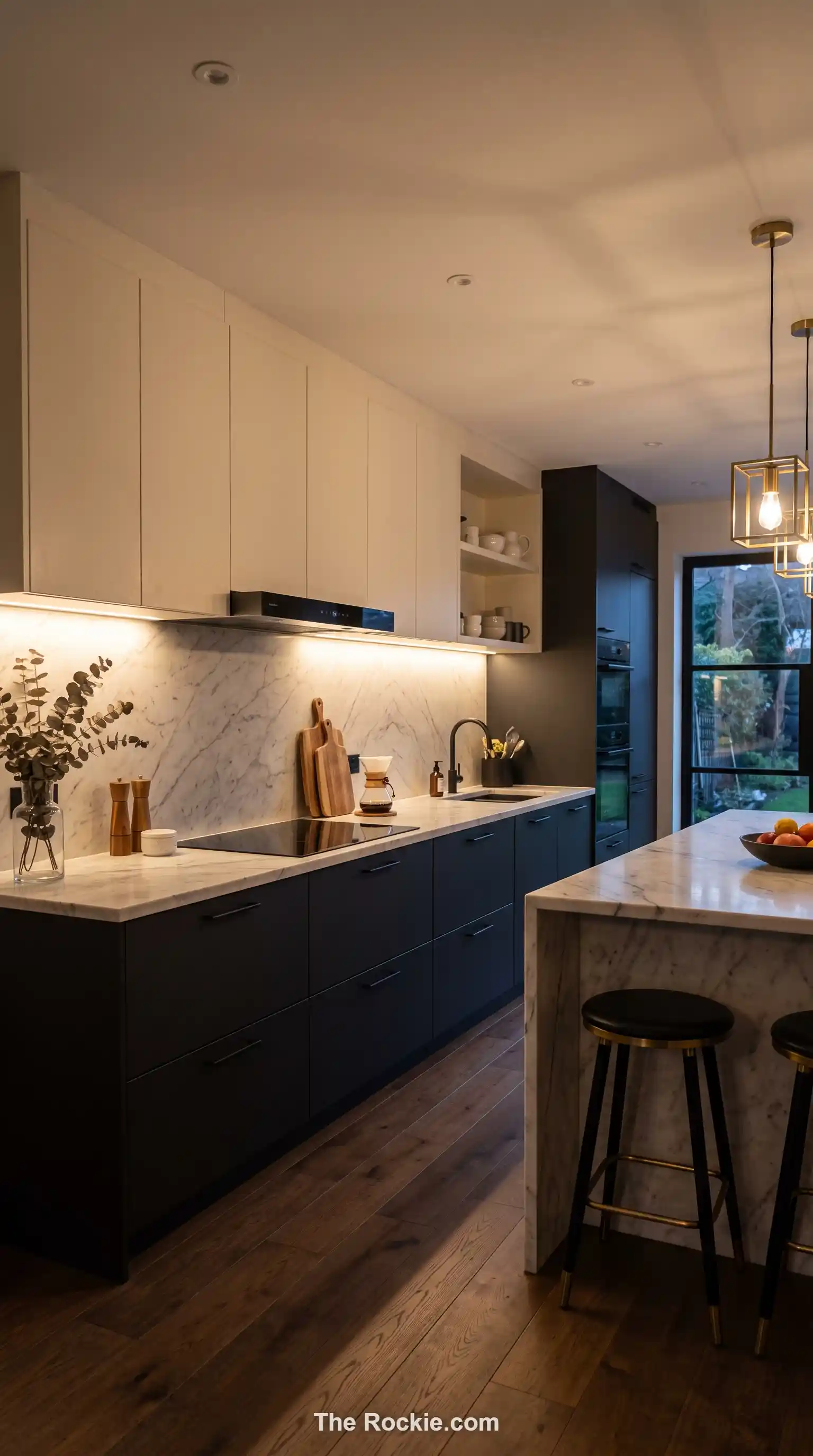
Playing dark cabinetry against light creates an almost architectural effect, drawing the eye toward the contrast line and making the whole kitchen feel more dimensional. Under-cabinet lighting is a small addition that makes a big difference here, catching the texture of the darker tone and letting it read as rich rather than heavy. It’s a combination built for kitchens that want to feel modern and a little dramatic.
5. Warm Wood Tones Paired with Muted Colors
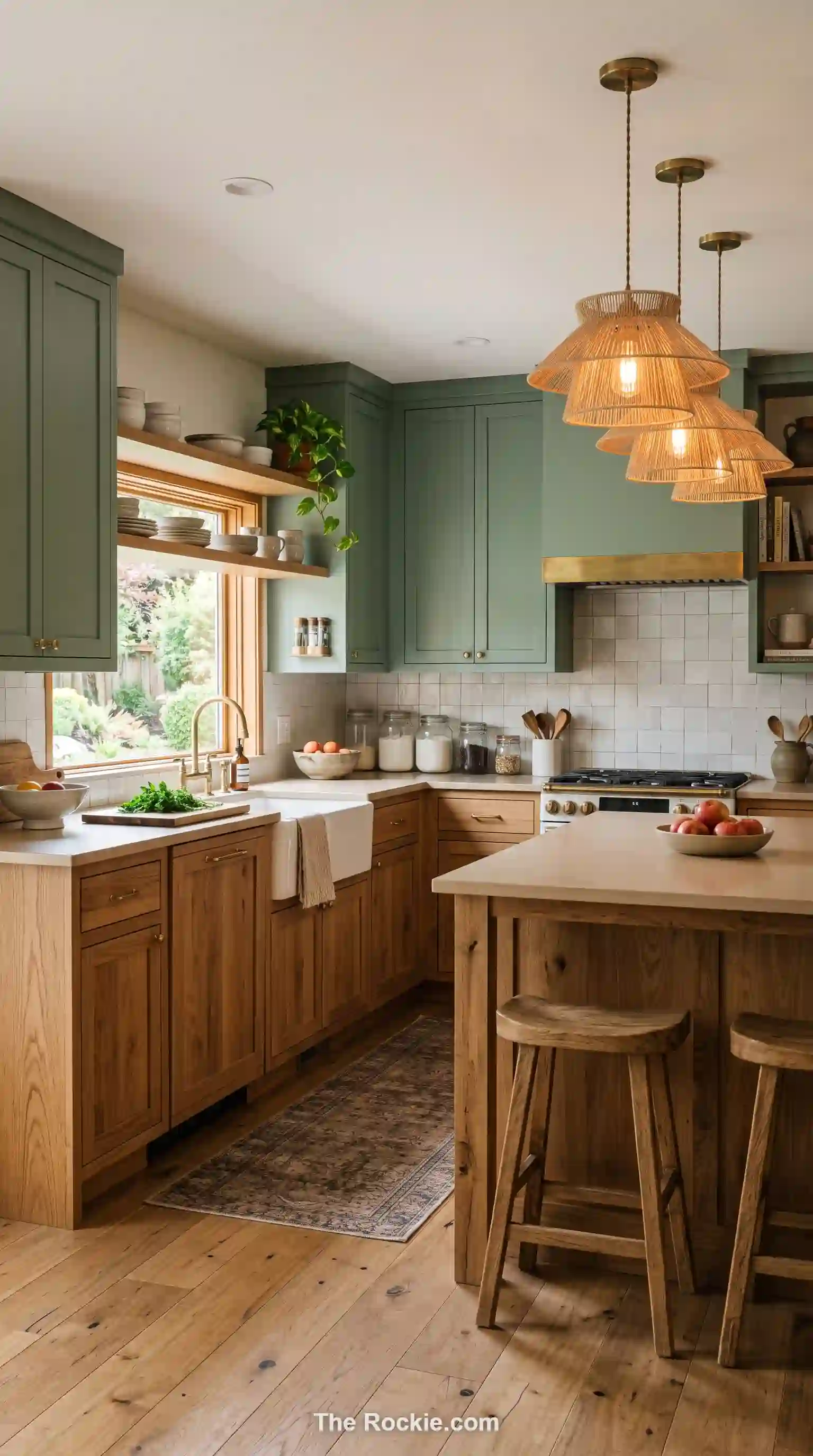
Wood grain brings a warmth that painted cabinets alone can’t replicate, and pairing it with a muted, cool-toned color on the uppers or backsplash keeps that warmth from feeling too rustic. Layered lighting is worth the extra effort here — it brings out the natural grain in the wood while softening the contrast with the painted surfaces. The result feels traditional and current at the same time.
6. Minimalist Monochrome with a Twist
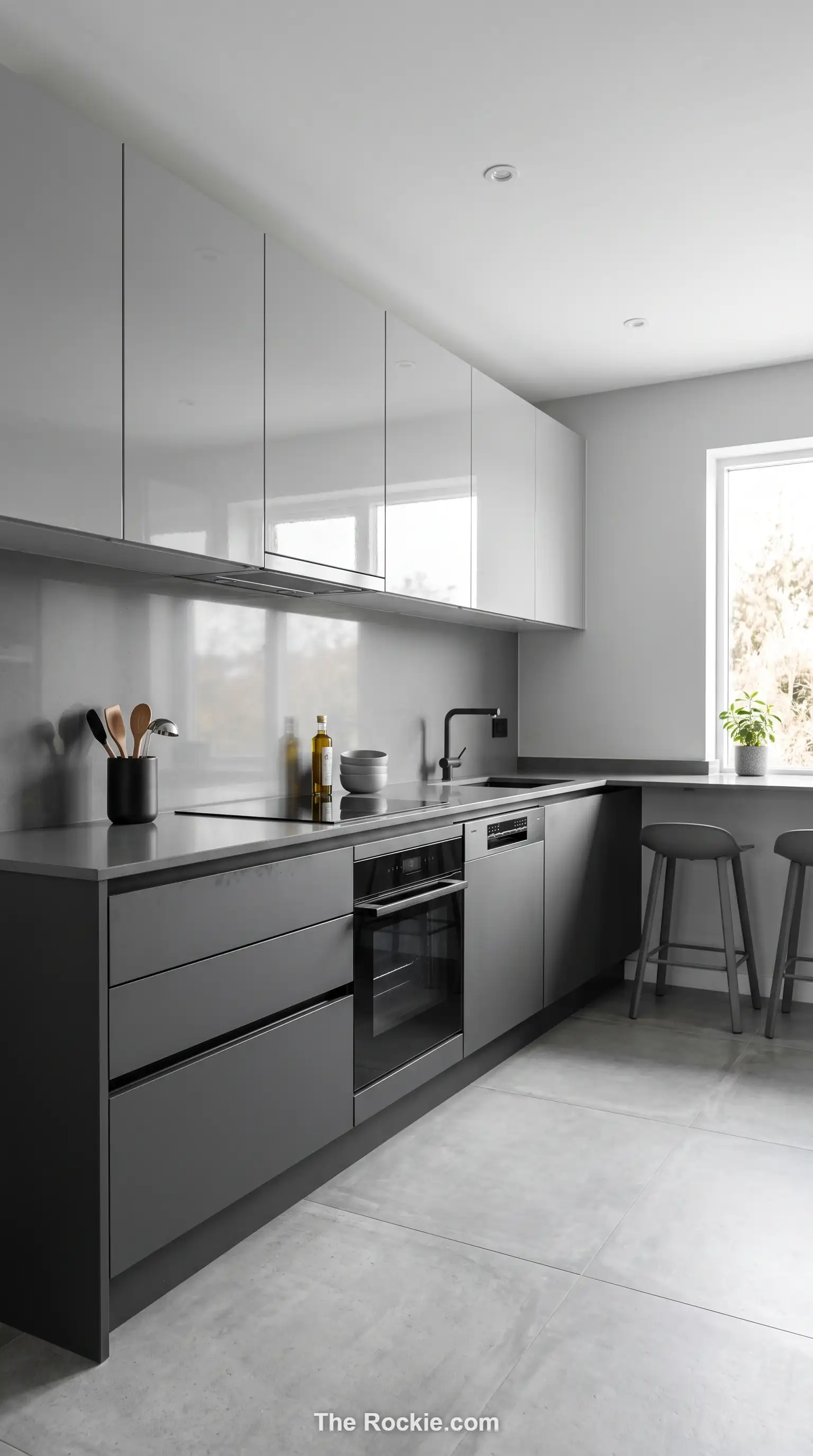
Sticking to one color family but varying the shade between upper and lower cabinets is a quieter way to do “two-tone.” A high-gloss finish on one tier and matte on the other adds just enough visual interest to keep things from feeling flat, and a small unexpected color on the cabinet interiors or hardware gives the whole design a personal touch without breaking the clean, minimalist feel.
7. Retro Two Tone with Pastel Hues
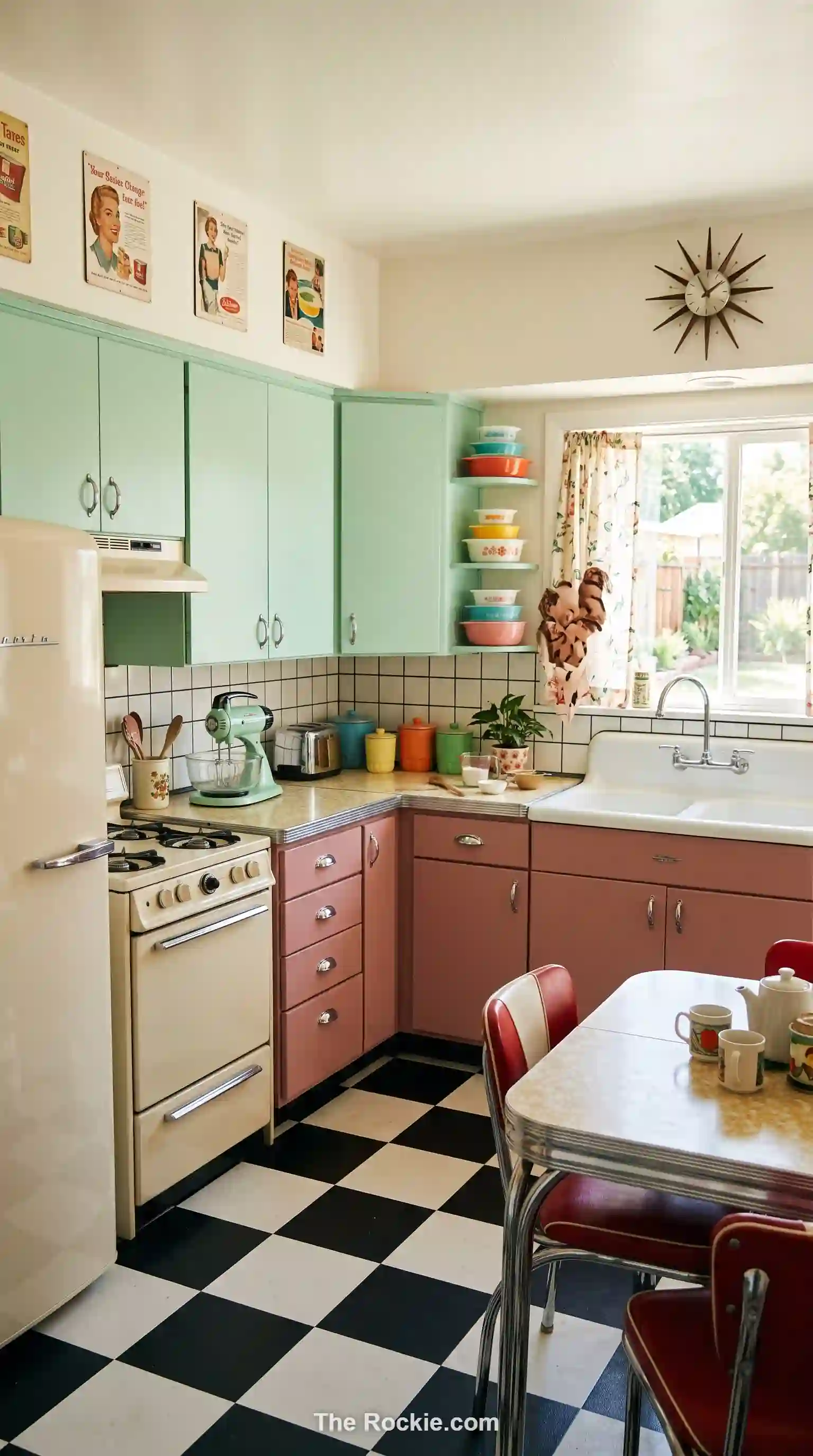
Pastel two-tone cabinets pull straight from mid-century kitchens but feel completely at home in a modern build. Mixing a soft pastel on the uppers with a slightly deeper shade on the base cabinets keeps the look playful without tipping into costume territory. It’s a combination that photographs beautifully and gives a kitchen genuine personality — the kind visitors comment on.
8. Vibrant Accent Cabinets
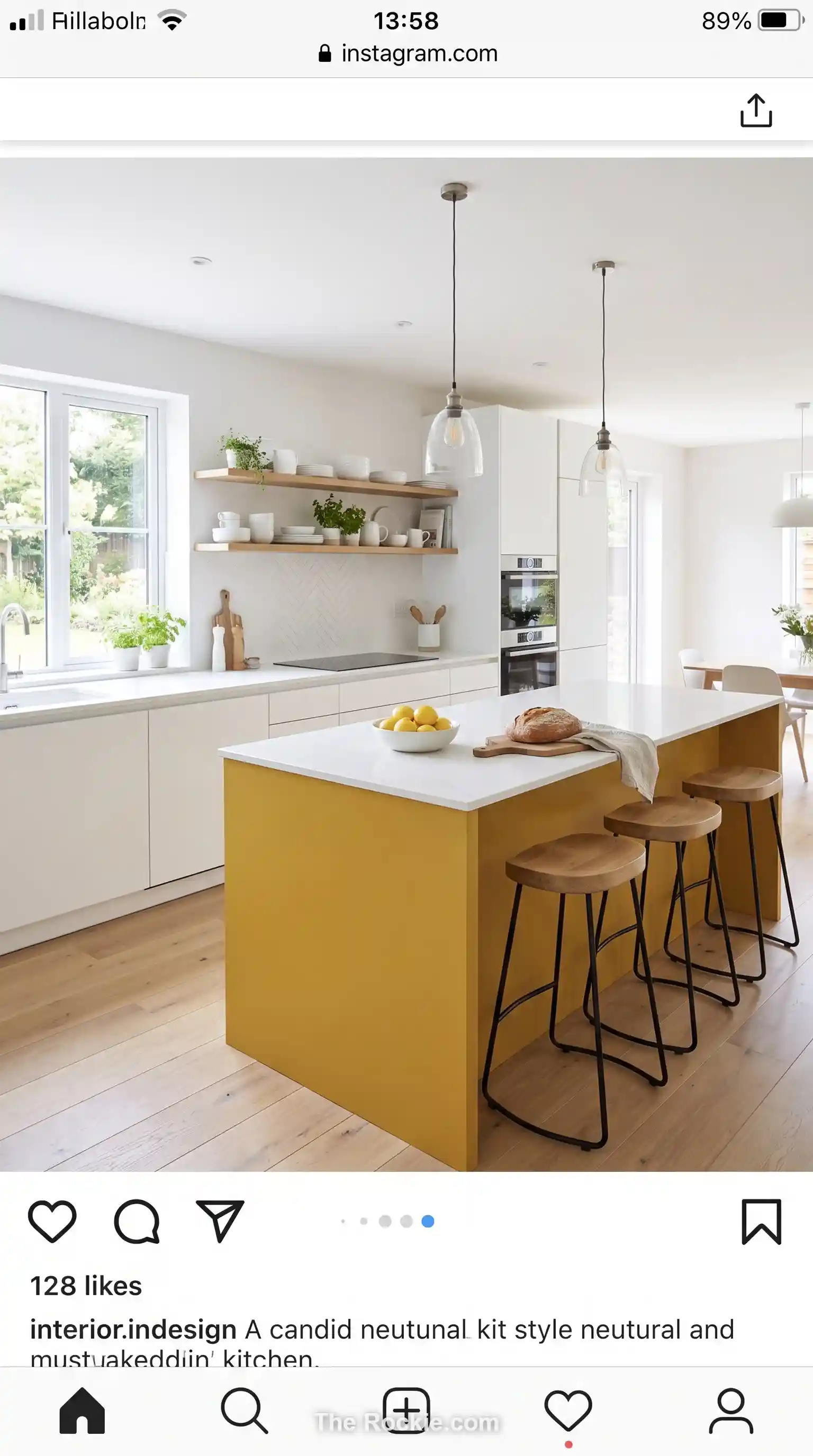
Rather than committing to two colors across the whole kitchen, this approach keeps things mostly neutral and reserves a bright, saturated color for just one element — a single island, a run of drawers, an end panel. It’s a lower-commitment way to try bold color, and because the accent is contained, it’s also easier to swap out later if your taste changes.
9. Elegant Two-Tone with Metallic Finishes
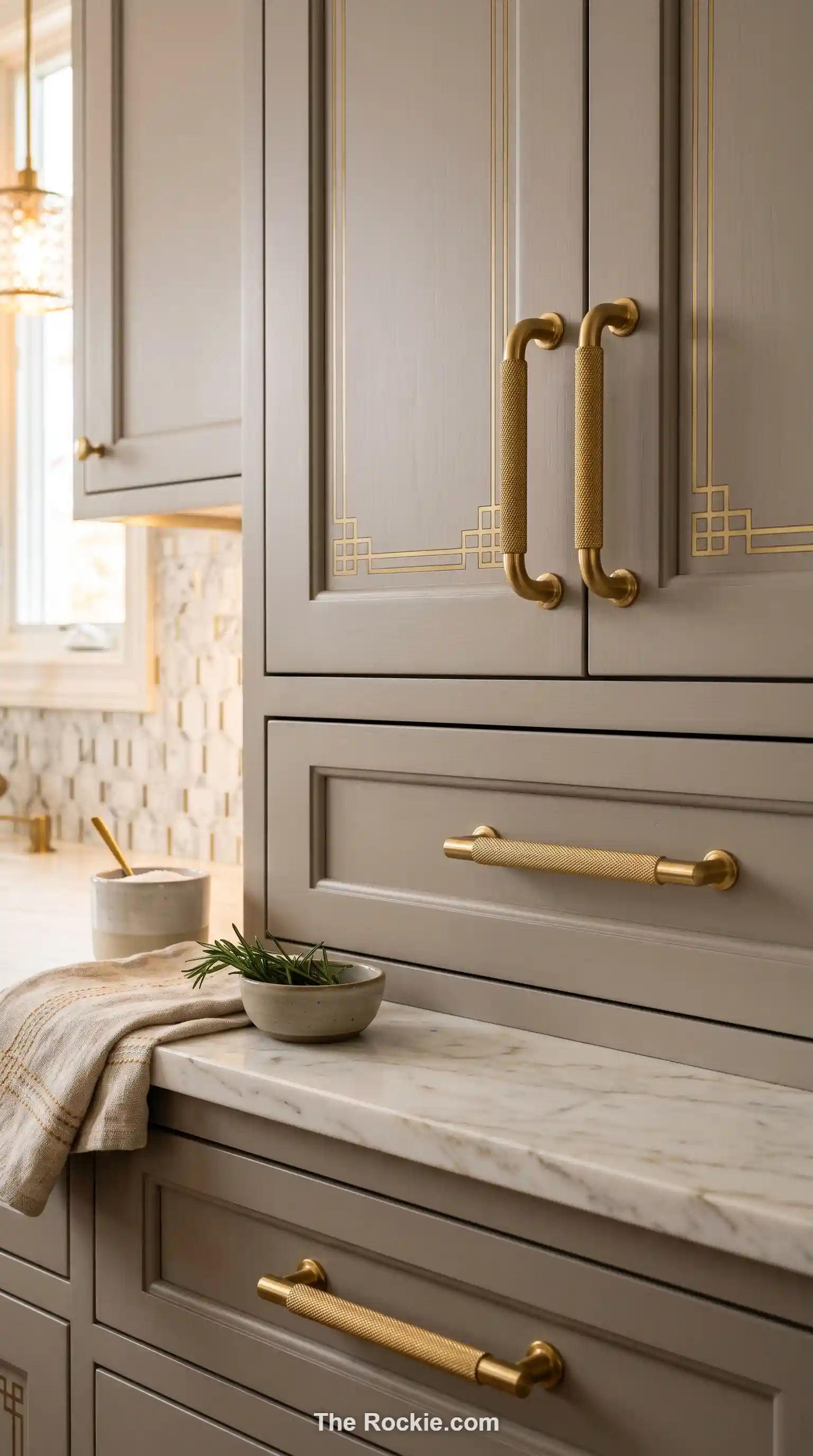
Adding metallic hardware or inlays into a two-tone scheme turns an already good design into something that feels custom-built. Brushed silver or warm gold catches the light differently depending on the time of day, giving the kitchen a bit of movement that flat paint alone doesn’t have. Keep the metallic details concentrated on handles or trim so they read as accents rather than competing with the cabinet colors.
10. Natural Inspired Two Tones
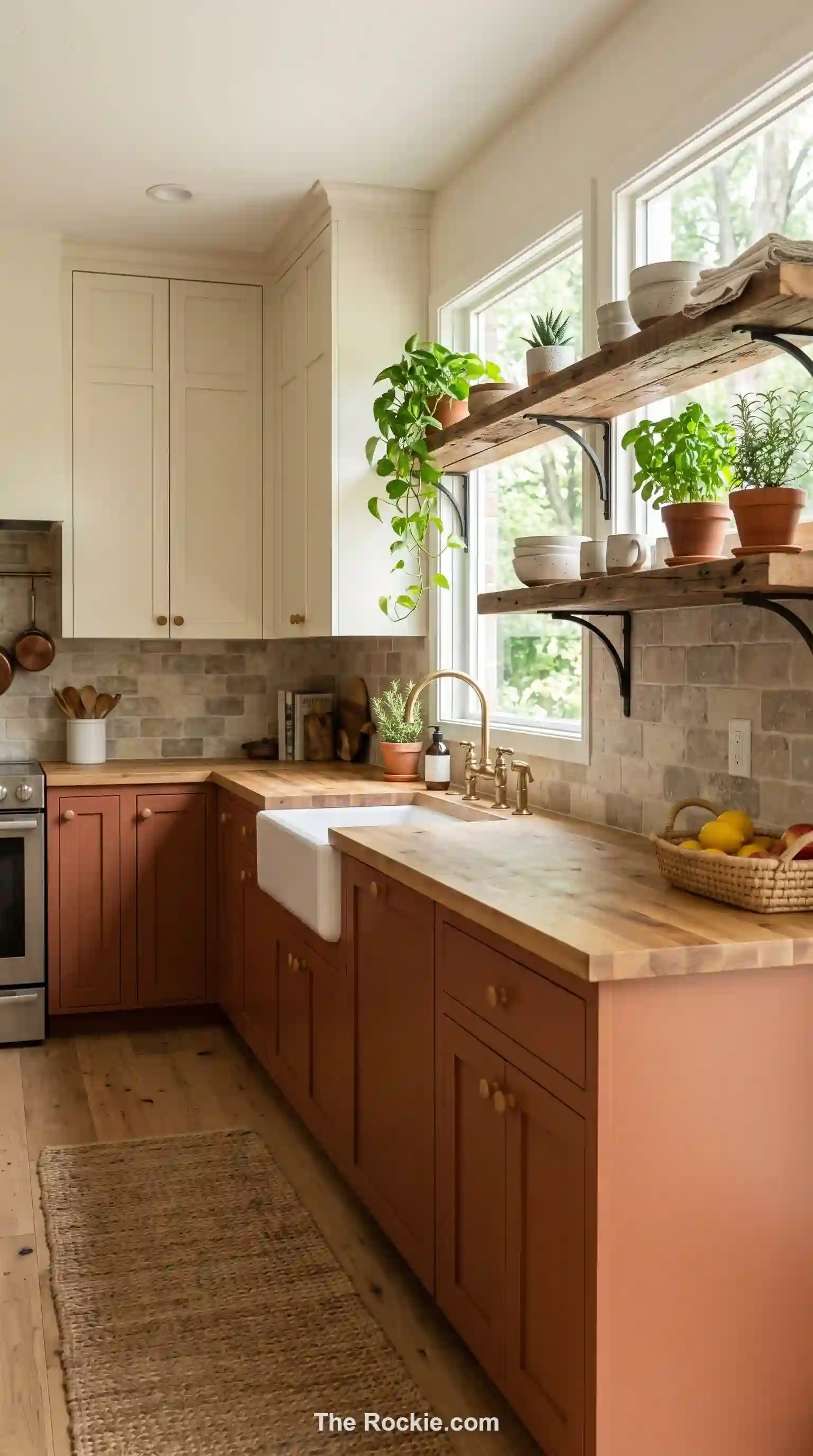
For a kitchen that leans calm and organic, pairing earthy, stone-inspired tones with airy, lighter accents brings the outdoors in without going full rustic cabin. Reclaimed wood shelving or a stone-look backsplash reinforces the theme, and the soft contrast between the two tones mimics the natural interplay of light and material you’d see outside.
11. Industrial Chic Two Tone
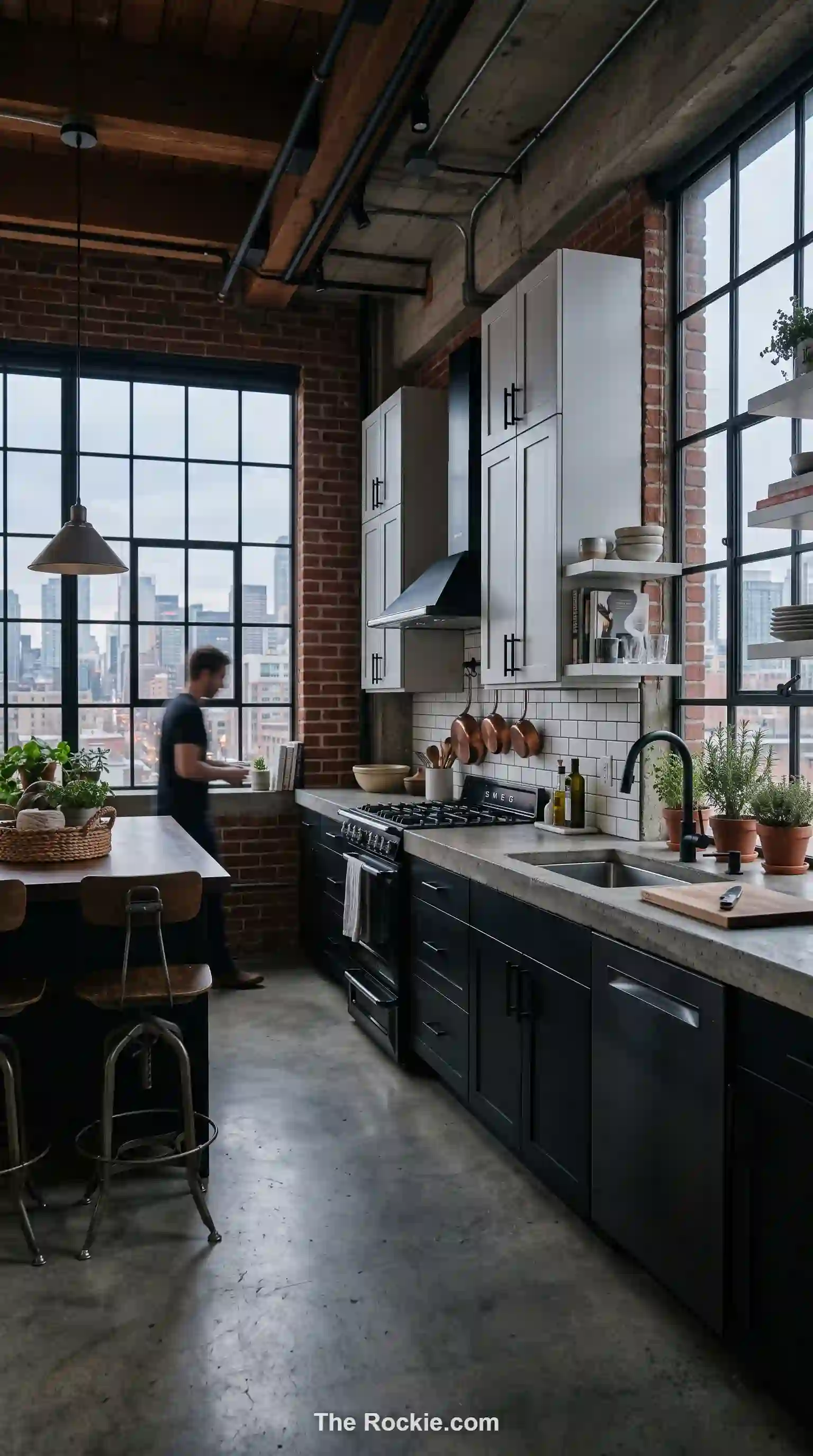
Matte dark cabinets paired with lighter, cooler tones give a kitchen that raw, urban-loft feel, especially when paired with exposed hardware or concrete-look surfaces. This combination leans function-forward — durable finishes, simple lines — which makes it a natural fit for open-plan kitchens next to living spaces with similar industrial touches.
12. Contemporary Contrast with Matte and Gloss
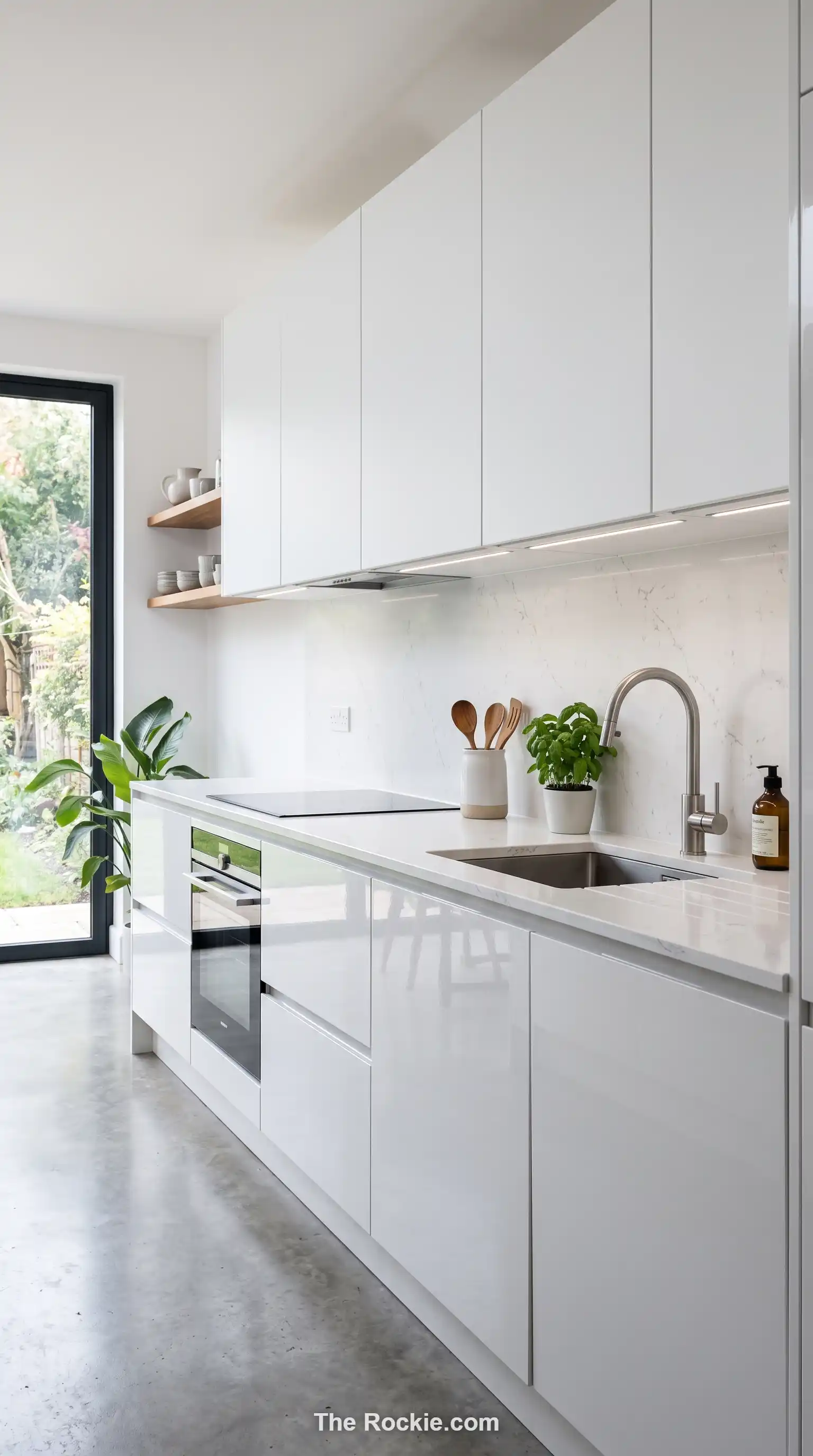
This idea skips color entirely and lets texture do the two-toning. Matte cabinets on one tier and glossy on the other catch and reflect light in noticeably different ways, giving even a single-color kitchen visible depth. It’s a subtle trick, but one that reads as high-end the moment you notice it.
13. Rustic Two Tone Charm
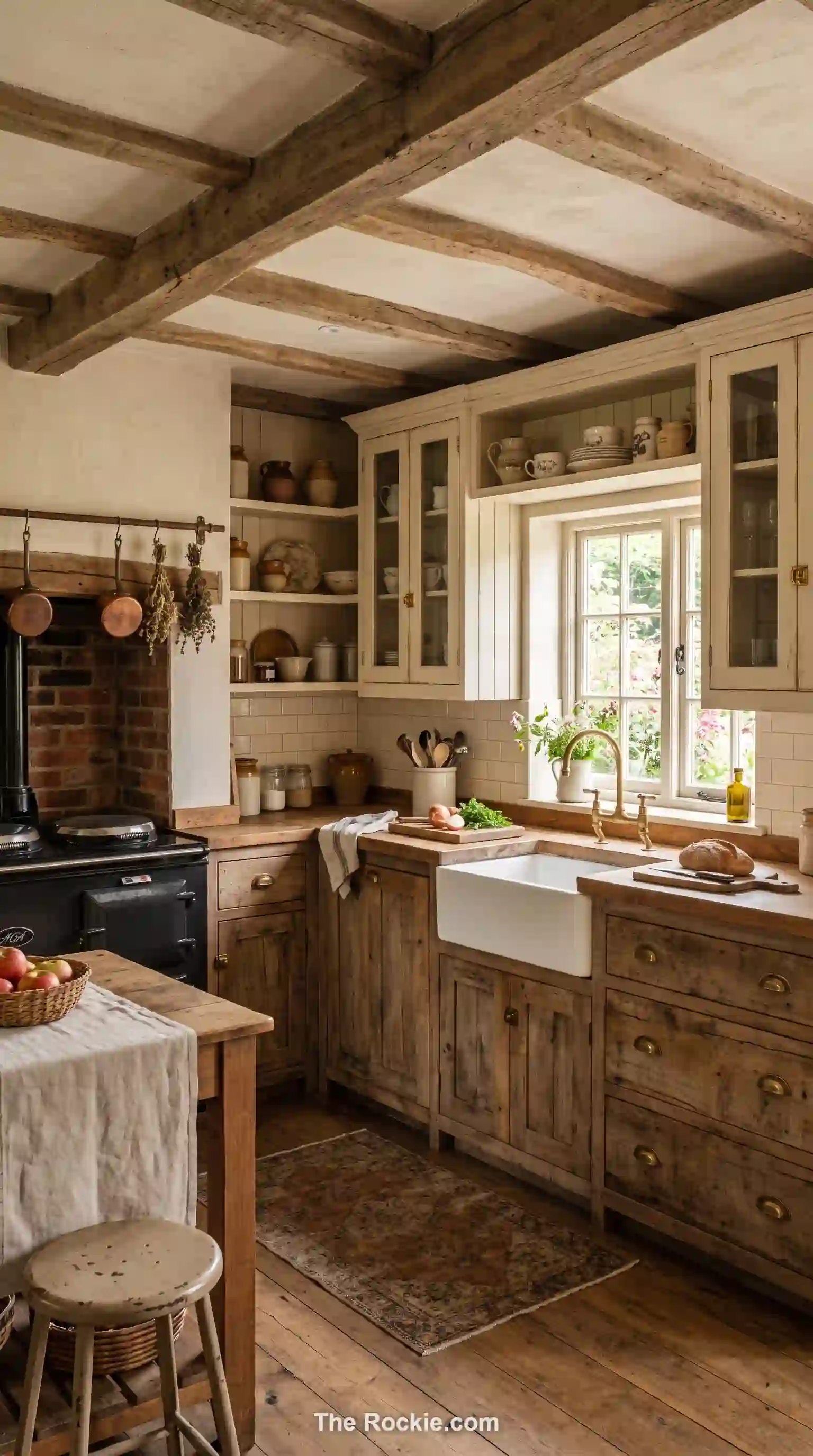
Weathered wood cabinetry paired with a lighter painted tone gives a kitchen real character — the kind that looks collected over time rather than installed all at once. Leaning into imperfections in the wood grain, along with vintage-style hardware, reinforces the lived-in feel that makes this combination so warm.
14. Trendy Two Tone with High Gloss
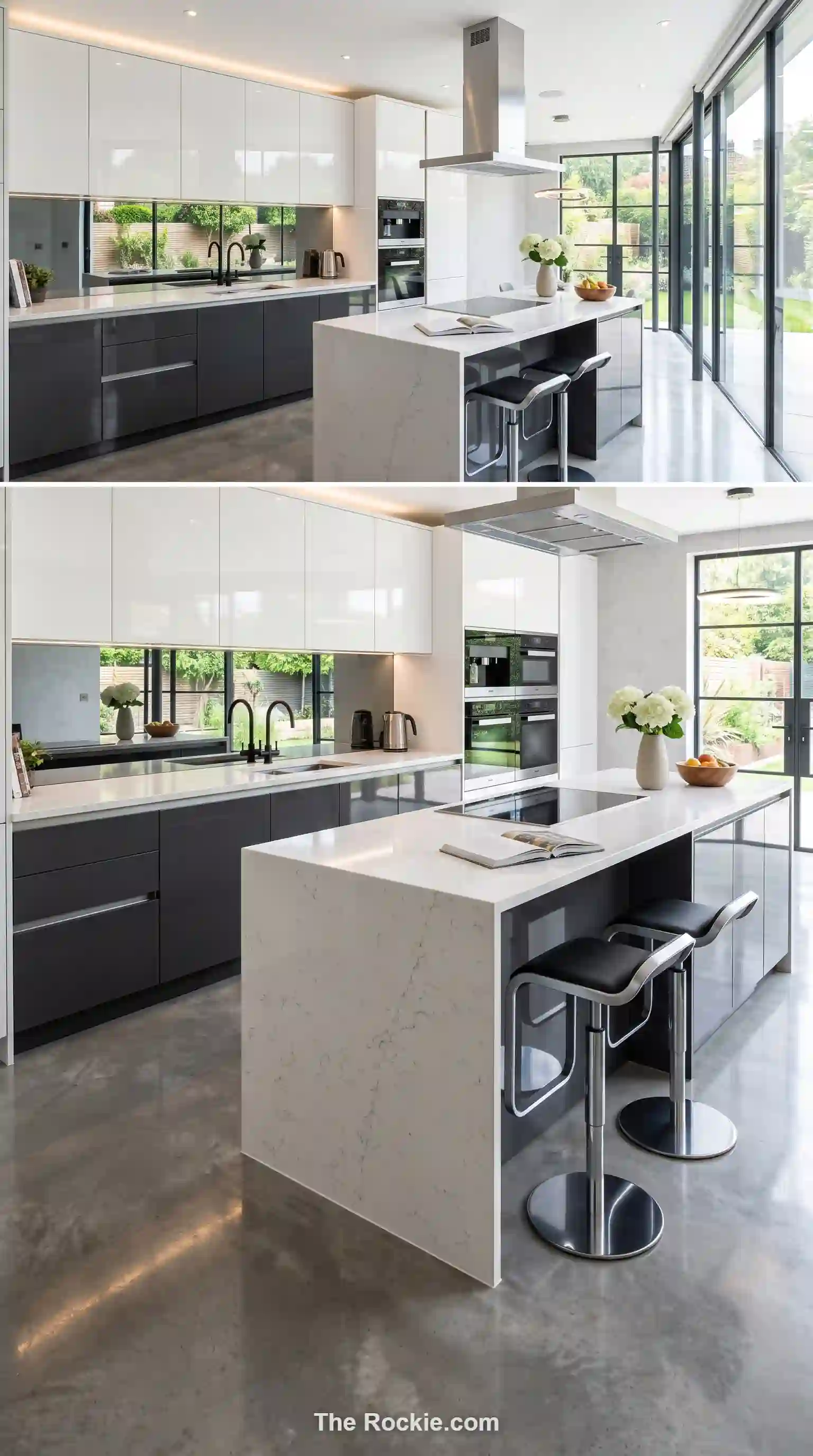
High-gloss cabinetry in two contrasting colors gives a kitchen an almost showroom-level shine, bouncing light around the room and making even a smaller space feel brighter and larger. This look rewards simple, clean-lined cabinet fronts — busy shapes fight with the reflective finish — and a bit of regular polishing to keep it looking sharp.
15. Eclectic Mix of Colors
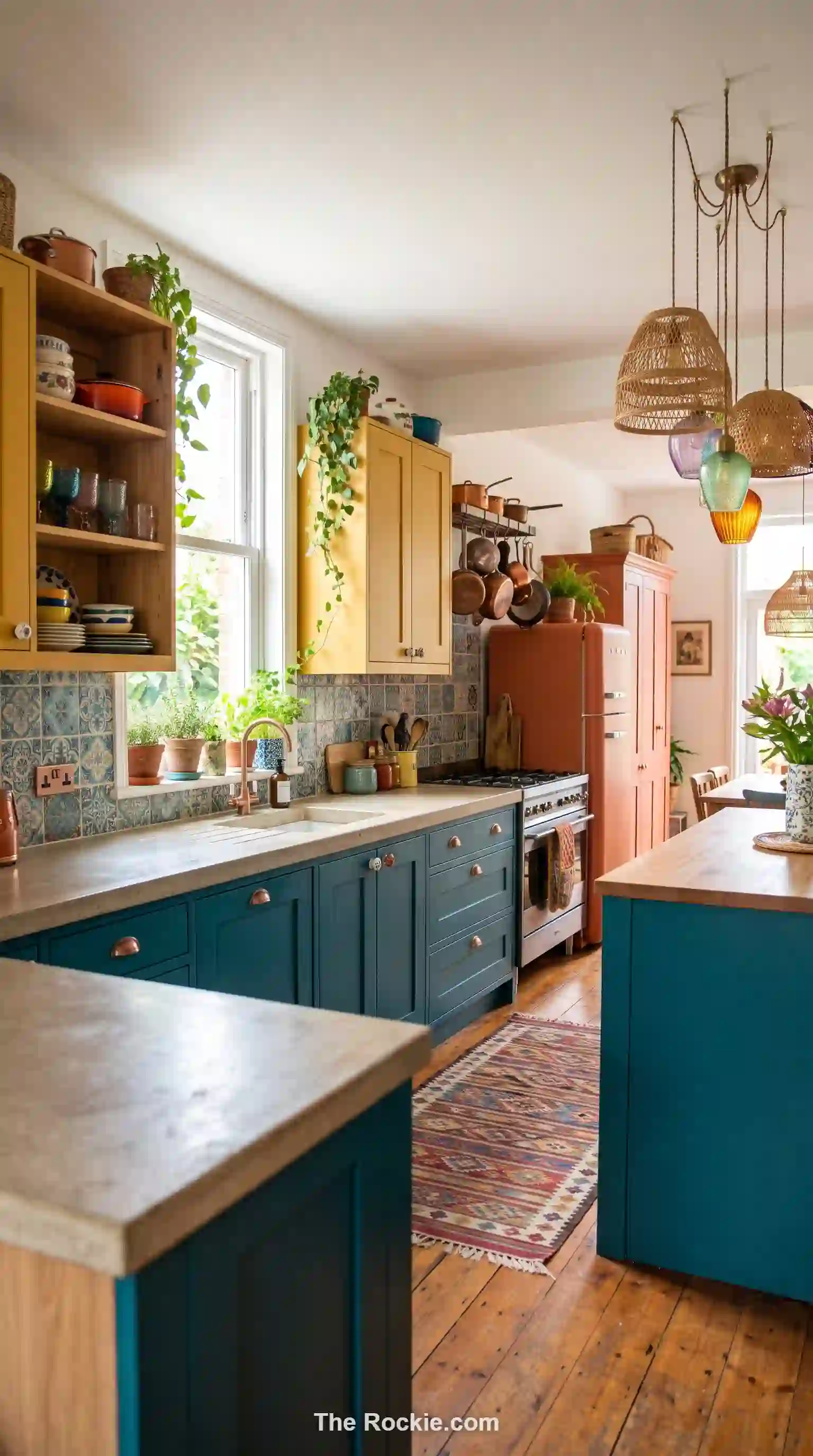
For homeowners who want their kitchen to feel like a genuine reflection of their taste, an eclectic color mix throws out the rulebook. Alternating unexpected hues across upper and lower cabinets — or even cabinet to cabinet — creates a playful, gallery-like energy. A neutral countertop or backsplash keeps the whole thing from feeling overwhelming.
16. Two Tone Open Shelving Style
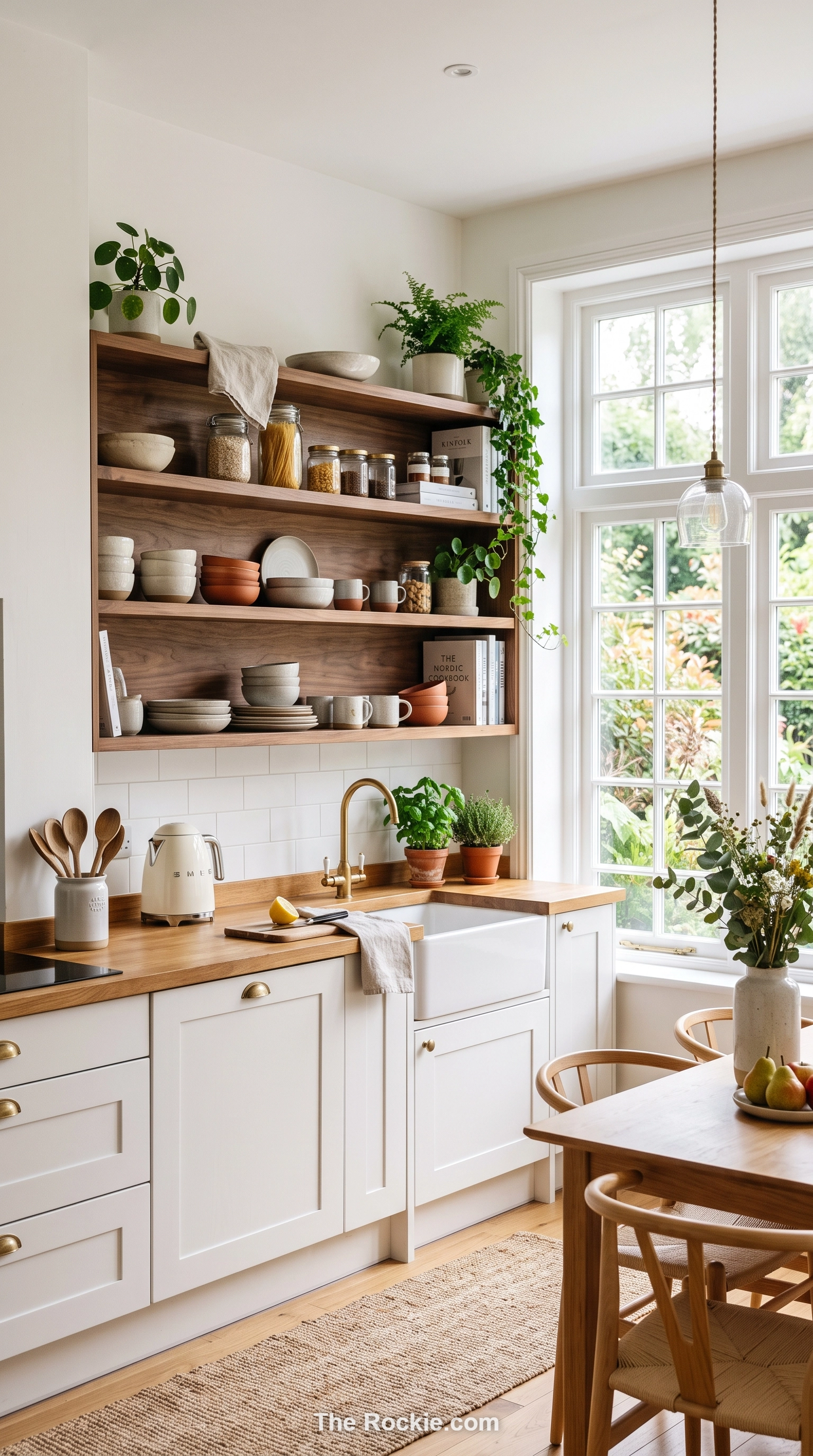
Swapping some upper cabinets for open shelving in a contrasting color adds an airy, layered look while giving you a spot to display dishware or plants. Balancing the open shelving with closed cabinetry elsewhere keeps the kitchen from feeling cluttered, even with more surfaces on display.
17. Sculptural Two Tone Cabinets
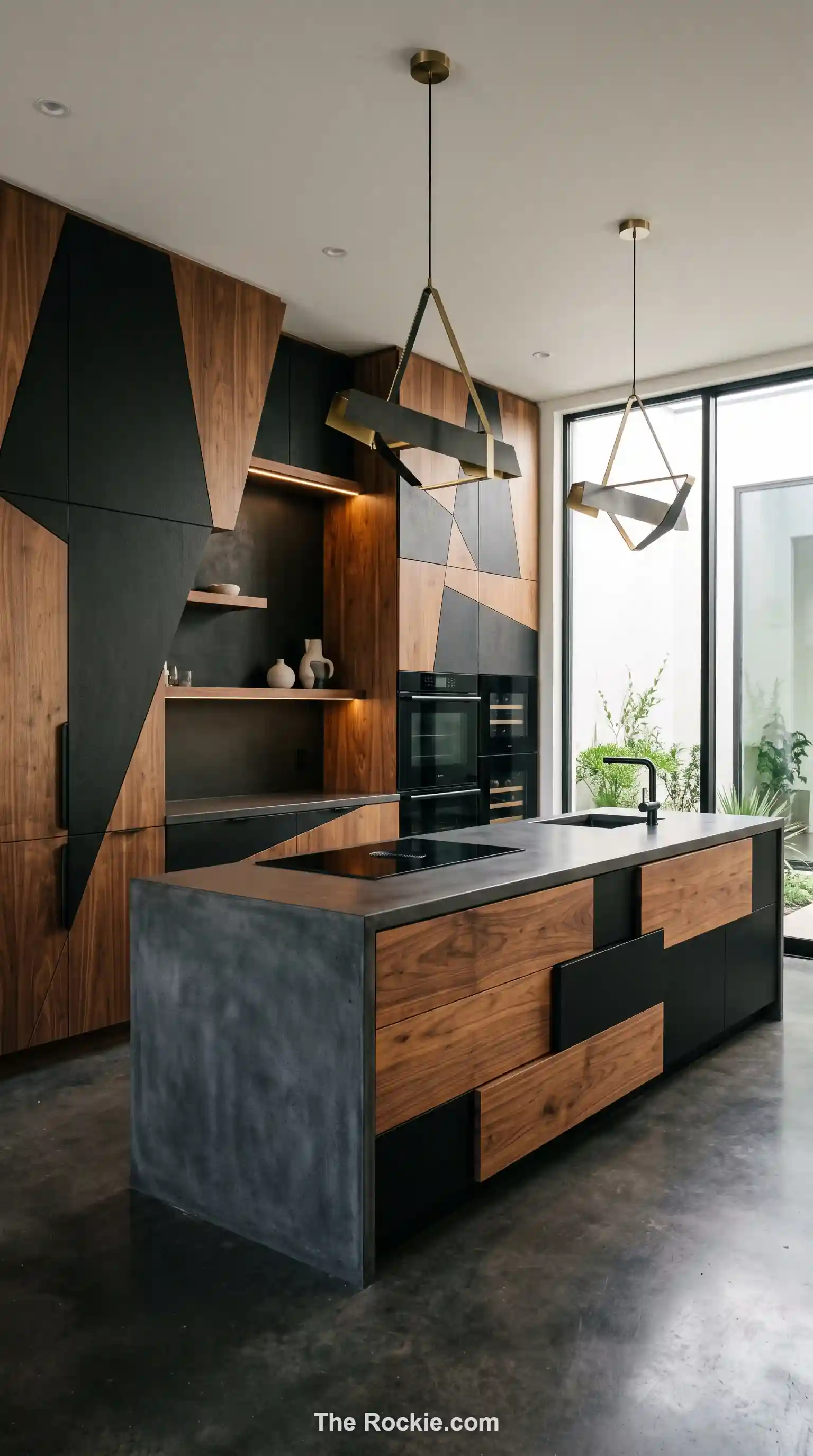
Some two-tone kitchens treat cabinetry as a design statement rather than pure storage. Asymmetrical panel shapes or unusual angles, paired with a bold contrast between finishes, turn the cabinetry into something closer to a gallery installation. It’s a higher-commitment look that leans on quality craftsmanship to really land.
18. Two Tone Glass Front Design
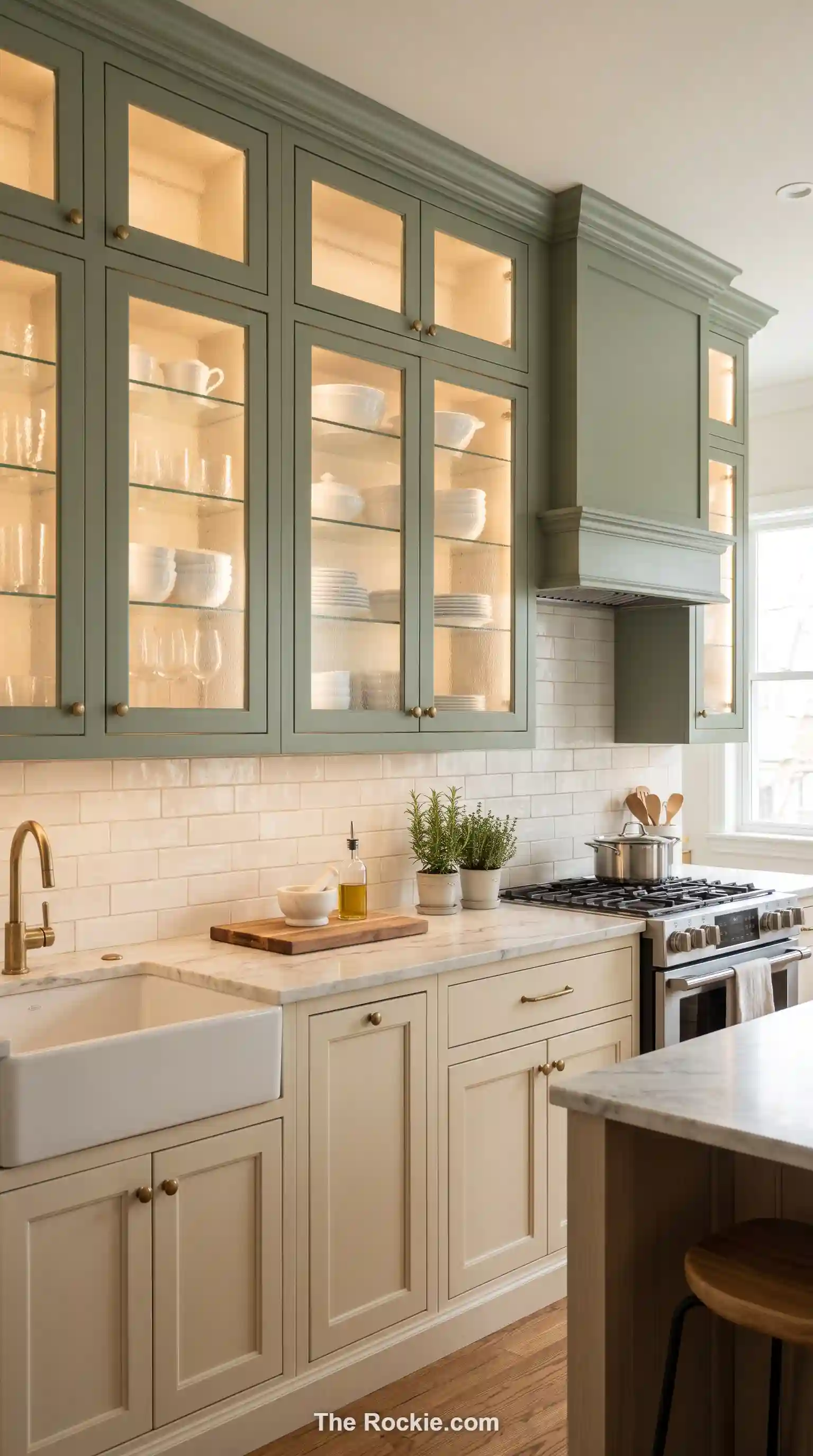
Glass-front cabinets add a layer of transparency to a two-tone kitchen, letting you display dishware while still working color into the frames themselves. Frosted glass softens what’s visible for a bit of privacy, while clear panels turn the cabinets into a display case. Arranging items symmetrically inside makes the biggest visual difference here.
19. Black and White with a Modern Twist
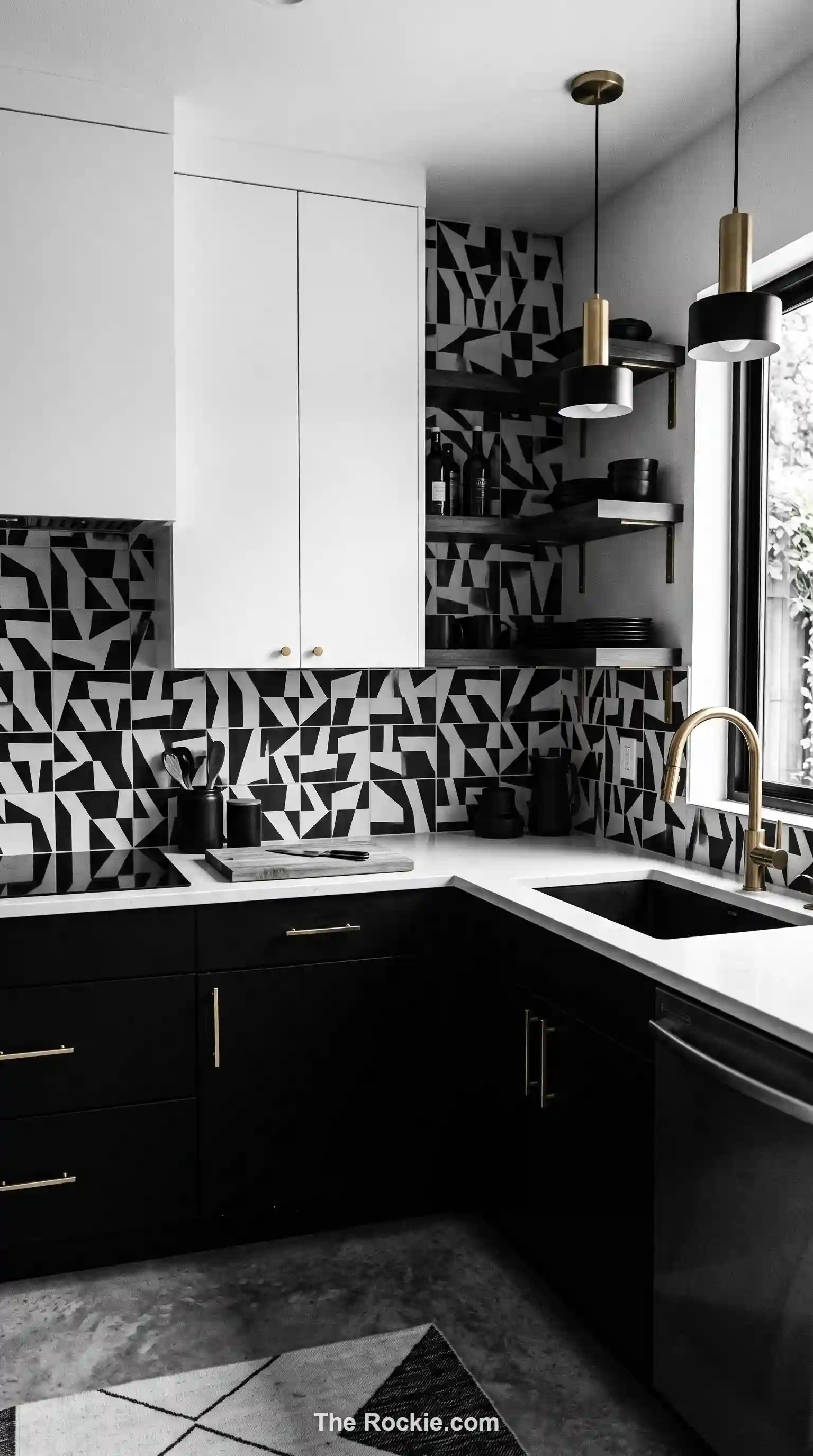
Few combinations are as reliably striking as black and white, and adding a geometric pattern or unexpected texture keeps this classic pairing from feeling predictable. The stark contrast frames the whole kitchen crisply, while small design surprises — a patterned backsplash, an asymmetrical layout — give it a distinctly modern edge.
20. Pop of Color on Base Cabinets
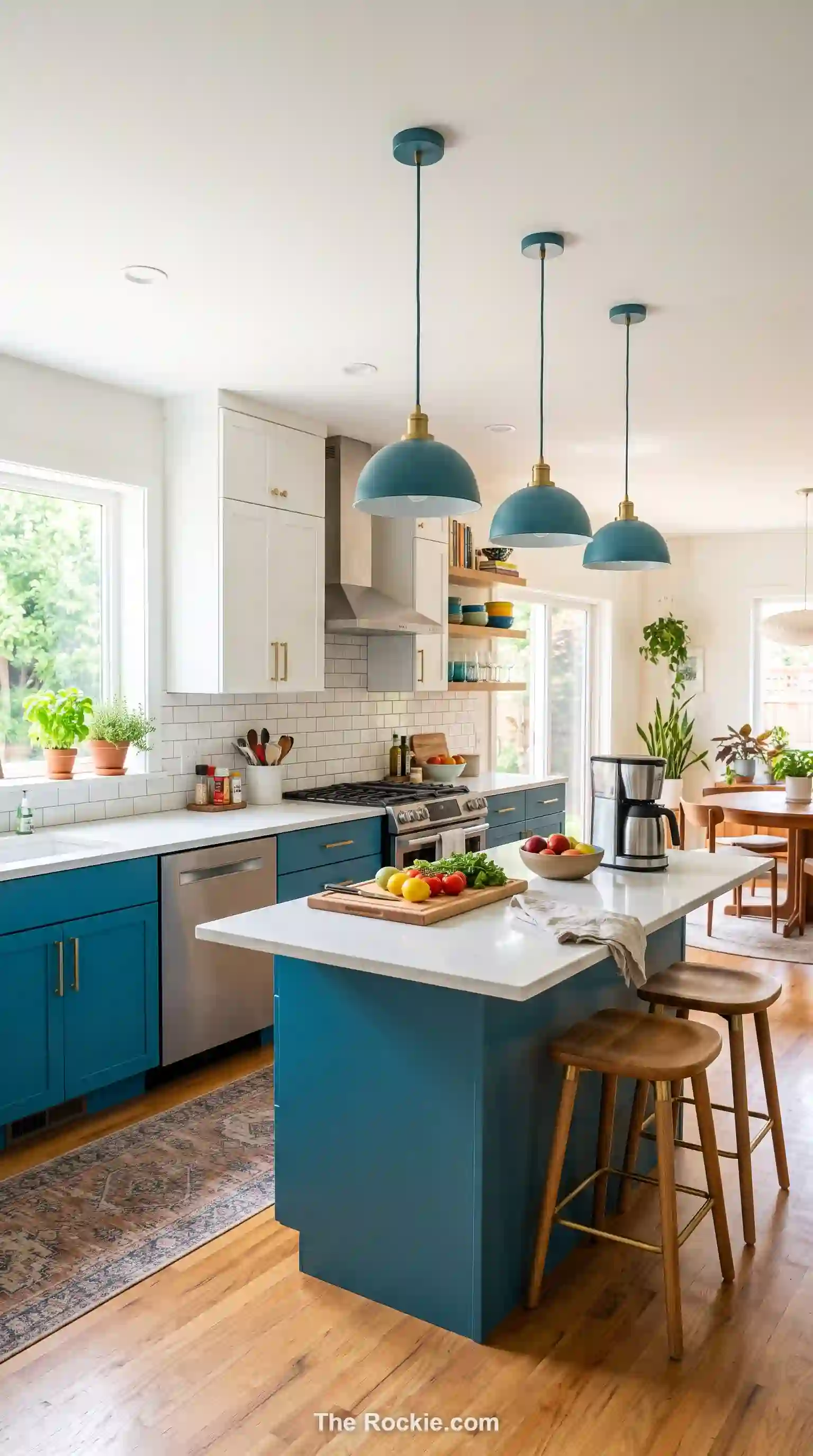
Keeping upper cabinets neutral and letting the lower cabinets carry a bold color is one of the most approachable ways to try a statement hue. Because the color sits below eye level, it energizes the room without dominating it, and it pairs easily with coordinating decor like a colorful rug or pendant lighting to tie the palette together.
21. Luxe Two Tone with Contrasting Handles
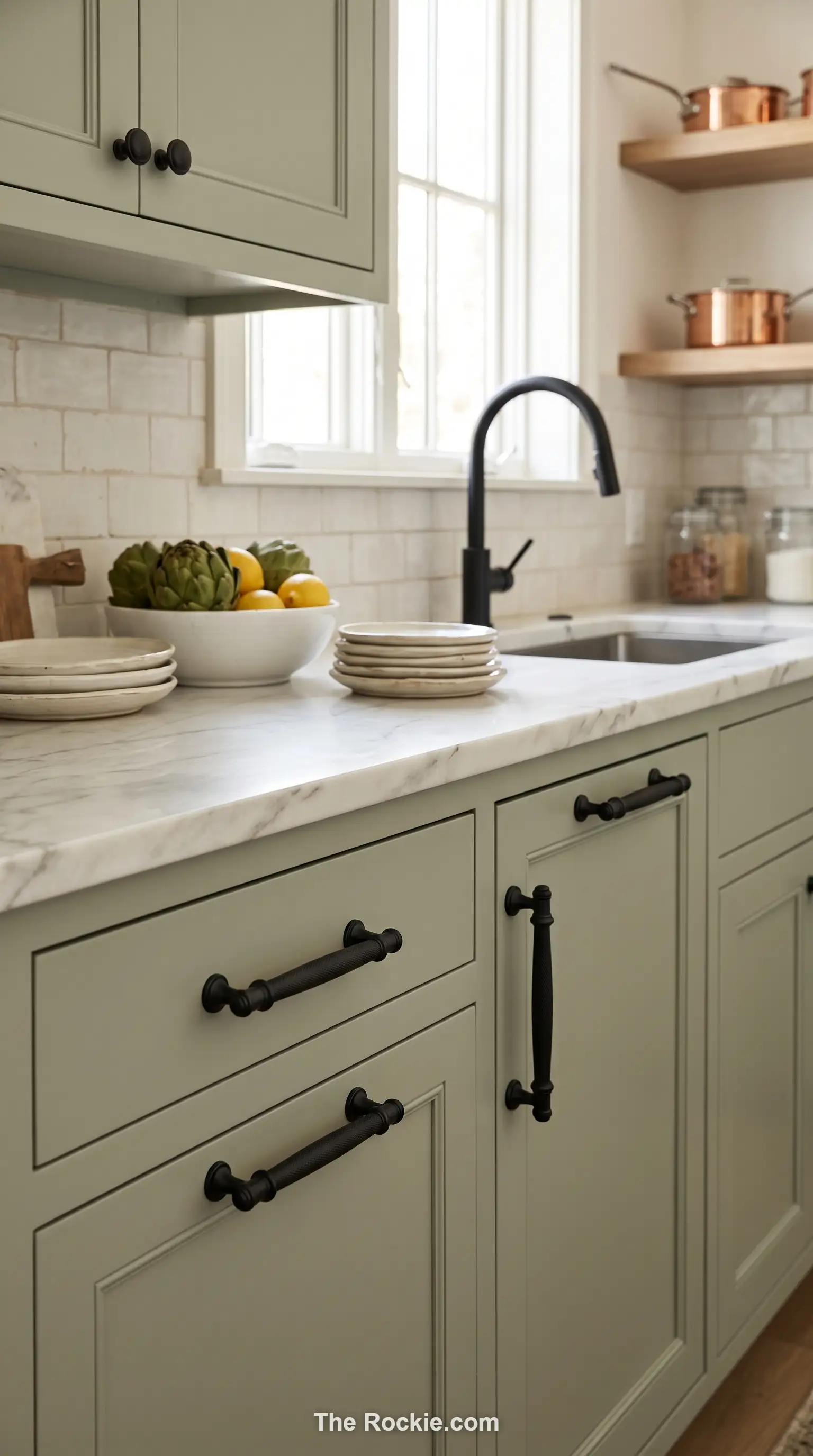
Sometimes the two-tone effect isn’t about cabinet color at all — it’s in the hardware. Pairing soft, muted cabinet tones with distinctive, eye-catching handles adds a layer of detail that feels custom and high-end without a dramatic color statement. It’s a subtle approach that rewards close-up attention.
22. Timeless Neutrals with a Splash of Color
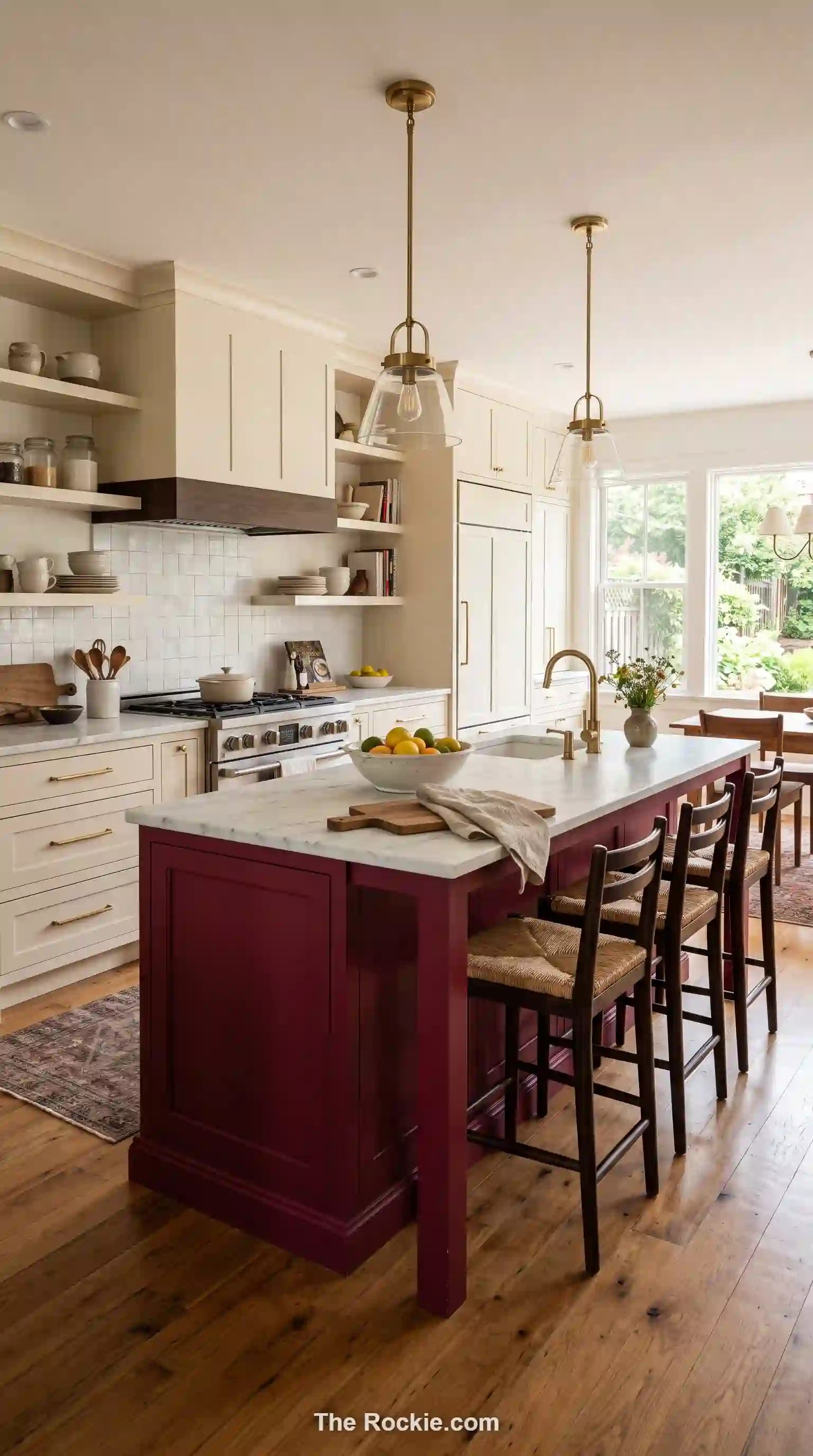
Closing out the list with a combination built to last: mostly neutral cabinetry, with a single vibrant piece — an island, a pantry door, a run of drawers — carrying all the color. It’s flexible enough to update later just by repainting that one element, making it a smart pick for anyone who wants personality now without locking in a permanent bold choice.
Final Thoughts
Two-tone cabinetry proves that a kitchen doesn’t need an all-over color commitment to feel finished and personal — sometimes it just needs two colors, finishes, or textures having a conversation with each other. Whether you go bold with navy and white, subtle with layered neutrals, or playful with an eclectic mix, the common thread across all 22 of these ideas is contrast used with intention. Pick the pairing that matches how you actually want your kitchen to feel, and let it do the rest of the work.