
21+ Best Outdoor Kitchen Countertop Materials That Survive Any Climate

Picking a countertop for an outdoor kitchen isn’t like picking one for the inside of your house. It has to shrug off direct sun, sudden downpours, temperature swings, grease splatters, and years of backyard cookouts — all while still looking good enough to gather people around. The good news is you’re not stuck with one or two “safe” options. Natural stone, engineered composites, metal, wood, and even recycled materials have all found their way onto patios and outdoor kitchen islands, each bringing its own mix of durability, upkeep, and personality to the table.
Below are 22 countertop materials worth considering, along with what makes each one shine (and where it might fall short) once it’s living outside full-time.
1. Granite Countertops
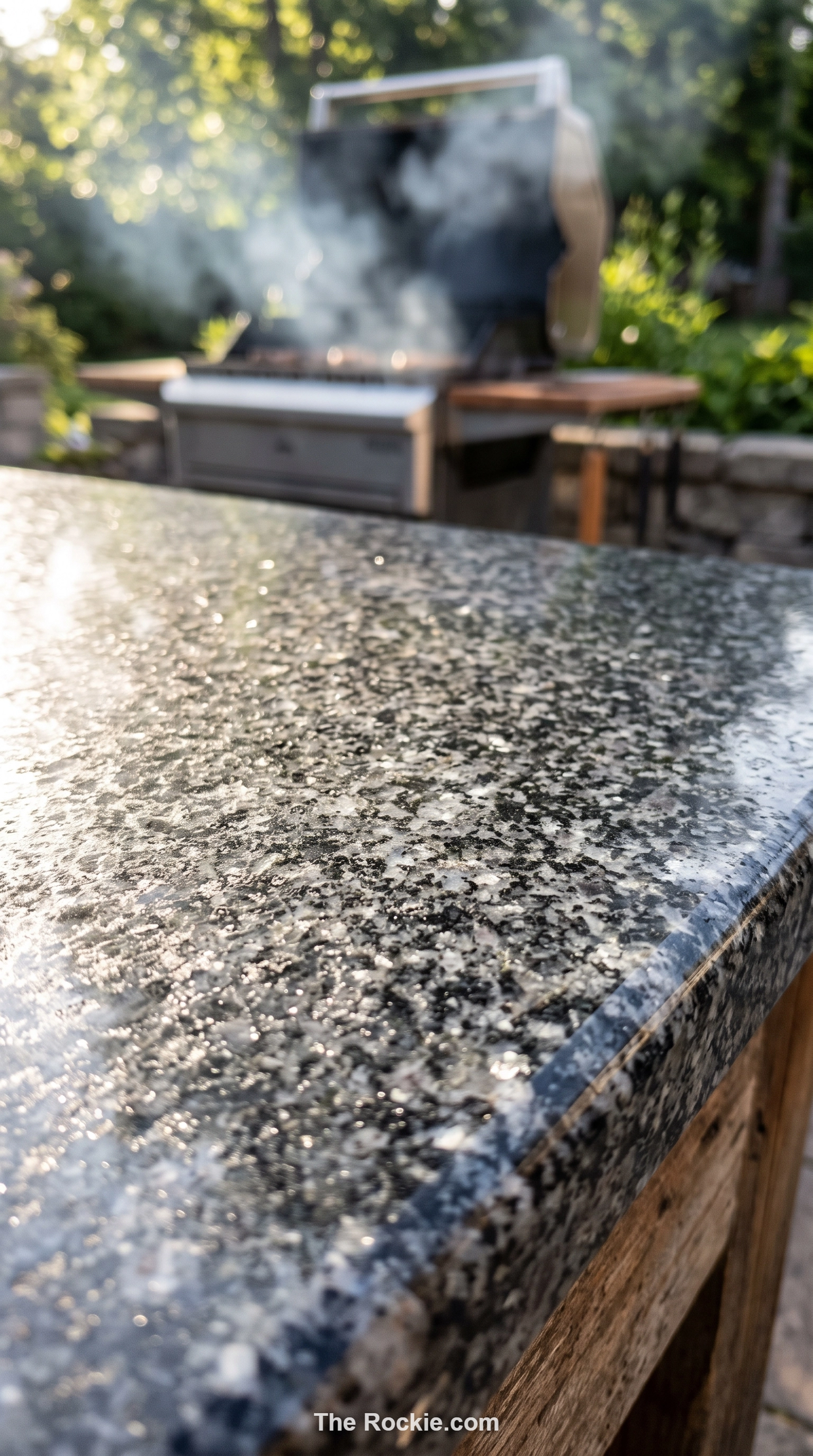
Granite has been the go-to for outdoor kitchens for a reason: it barely notices bad weather. This natural stone shrugs off heat straight from the grill, resists scratches, and comes in enough colors and grain patterns that no two slabs look alike. A quick seal every year or two keeps it stain-resistant, and beyond that it asks for almost nothing. If you want a countertop that looks expensive on day one and still looks expensive a decade later, granite is hard to beat.
2. Quartzite Countertops
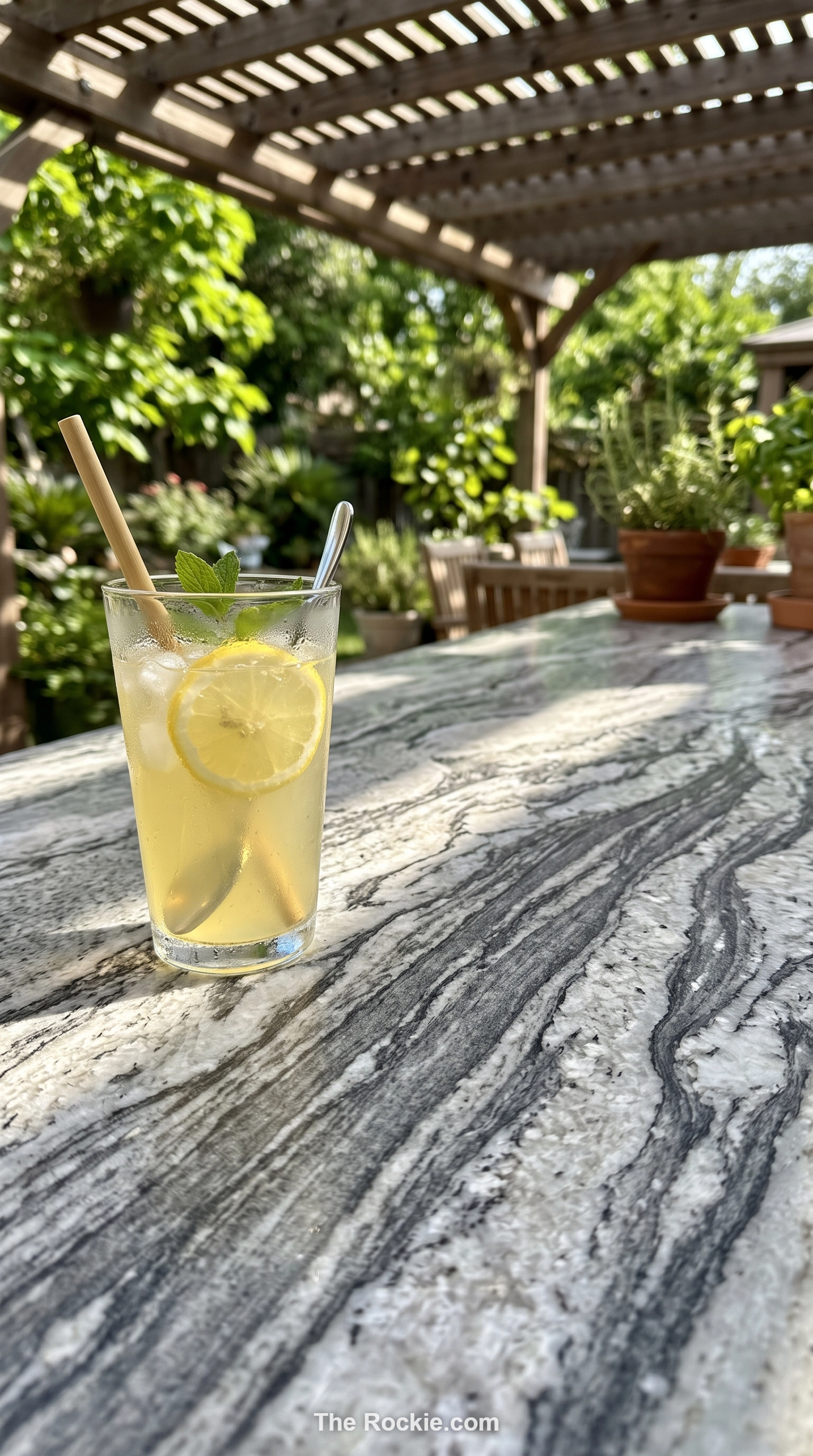
Quartzite gets confused with quartz a lot, but it’s actually a natural stone formed from sandstone under intense heat and pressure — which is exactly why it handles outdoor heat so well. It has the dramatic veining people love about marble, but with far tougher skin. Sun exposure won’t fade it, and it stands up to daily scrubbing without losing its shine, making it a solid pick for anyone who wants a showpiece counter without babying it.
3. Concrete Countertops
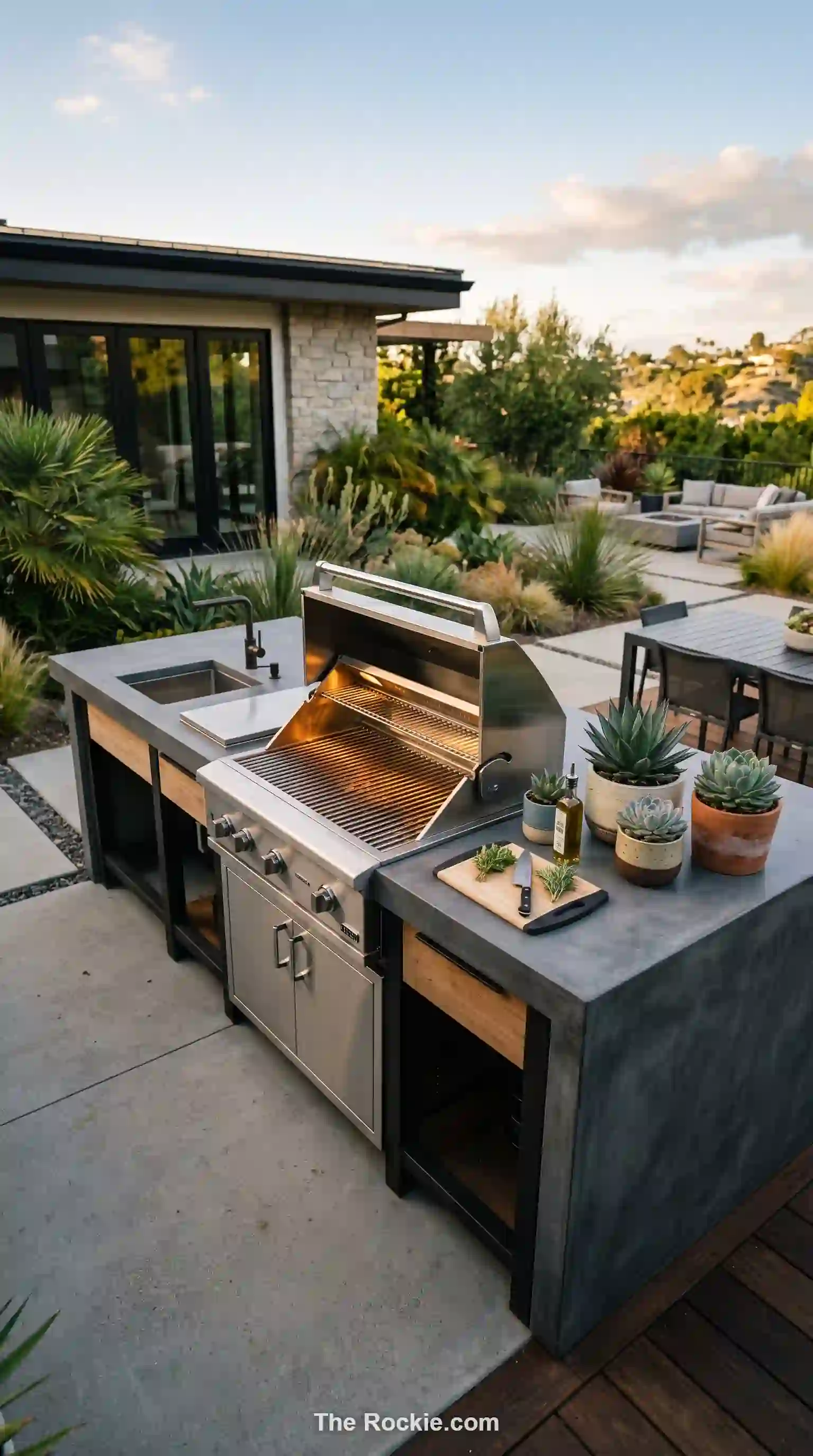
Concrete is the countertop for people who want something nobody else has. Because it’s poured on site or precast, you can dye it, stamp it, embed glass or shells into it, or leave it raw and industrial. It handles weather swings well and cleans up easily once sealed properly. The tradeoff is that it can develop hairline cracks over time in freeze-thaw climates, so a good sealant routine matters more here than with most stone options.
4. Soapstone Countertops
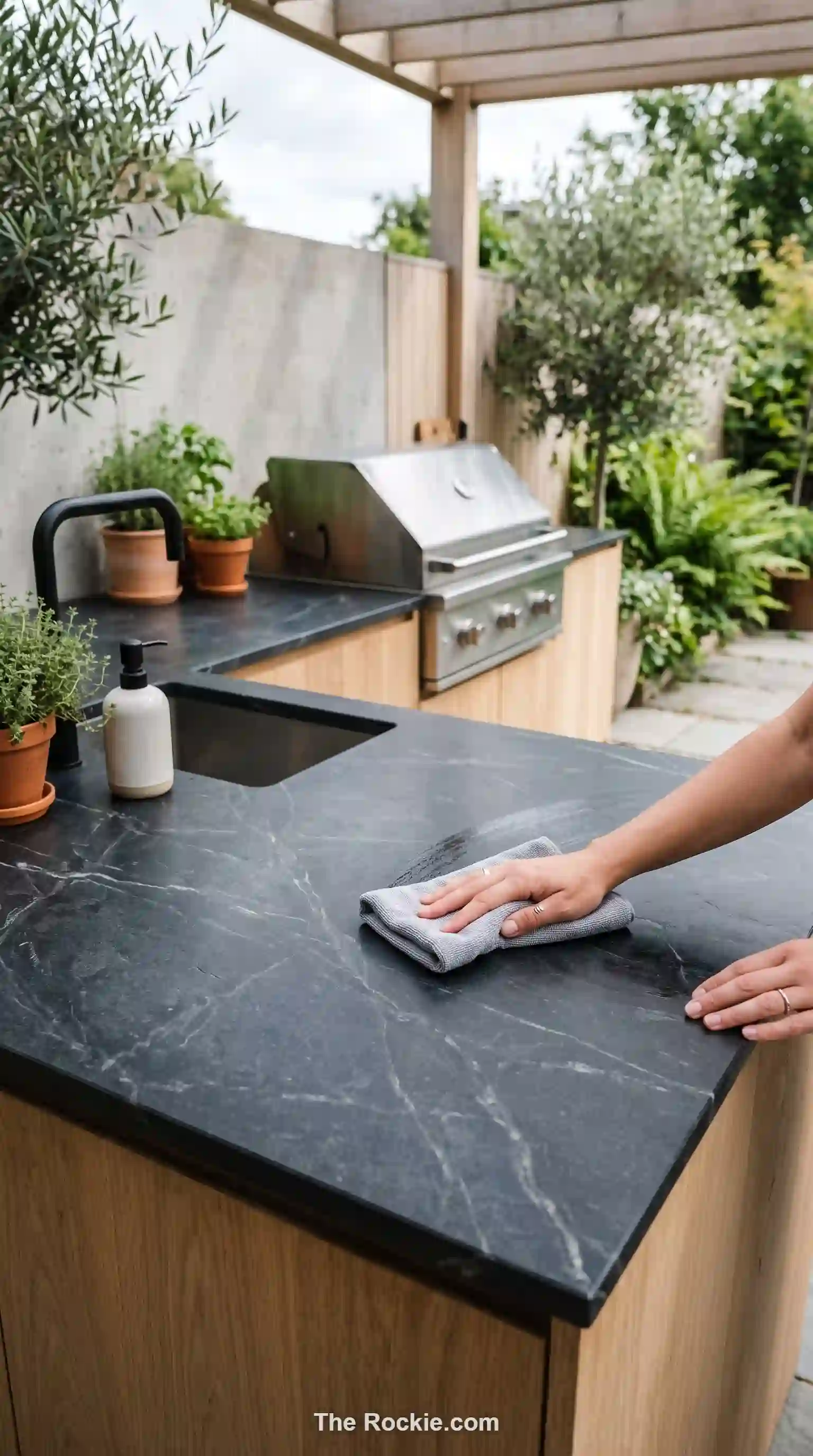
Soapstone has a quiet, matte elegance that’s easy to underestimate until you see it in person. It’s naturally heat-resistant, non-porous, and doesn’t stain the way lighter stones can, which makes it forgiving for messy outdoor cooking. Over time it darkens slightly and develops a soft patina that a lot of homeowners actually prefer to the original look. It’s a subtler choice, but one that ages with real character.
5. Stainless Steel Countertops
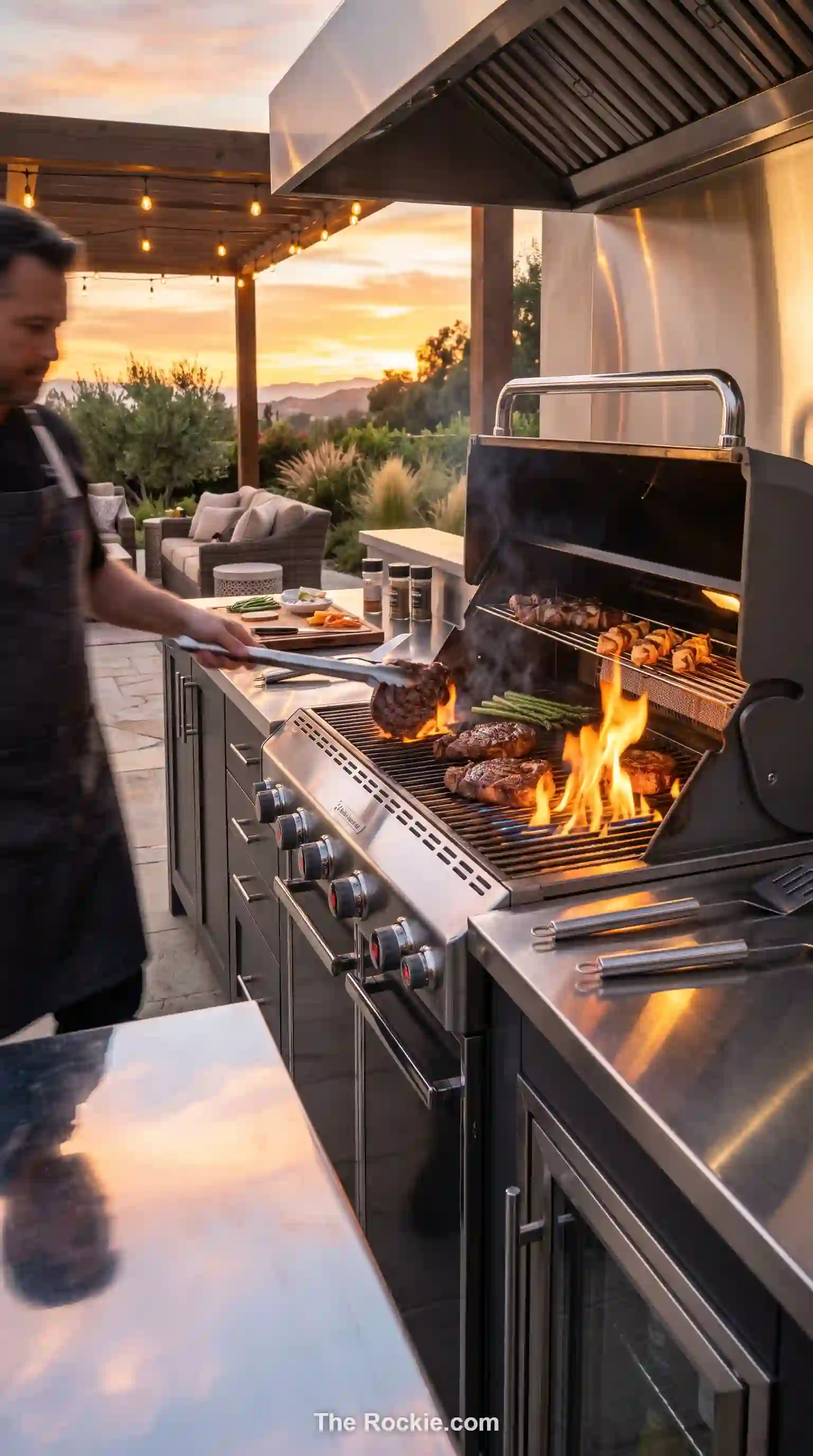
If your outdoor kitchen is built for serious, near-daily cooking, stainless steel earns its keep fast. It doesn’t rust, doesn’t stain, laughs off heat, and wipes clean in seconds — which is why professional kitchens have used it for decades. Visually, it brings a crisp, commercial-grade look that pairs naturally with built-in grills and stainless appliances. The one thing to know: it can scratch and show fingerprints, so it suits function-first homeowners more than those chasing a flawless showroom finish.
6. Tile Countertops
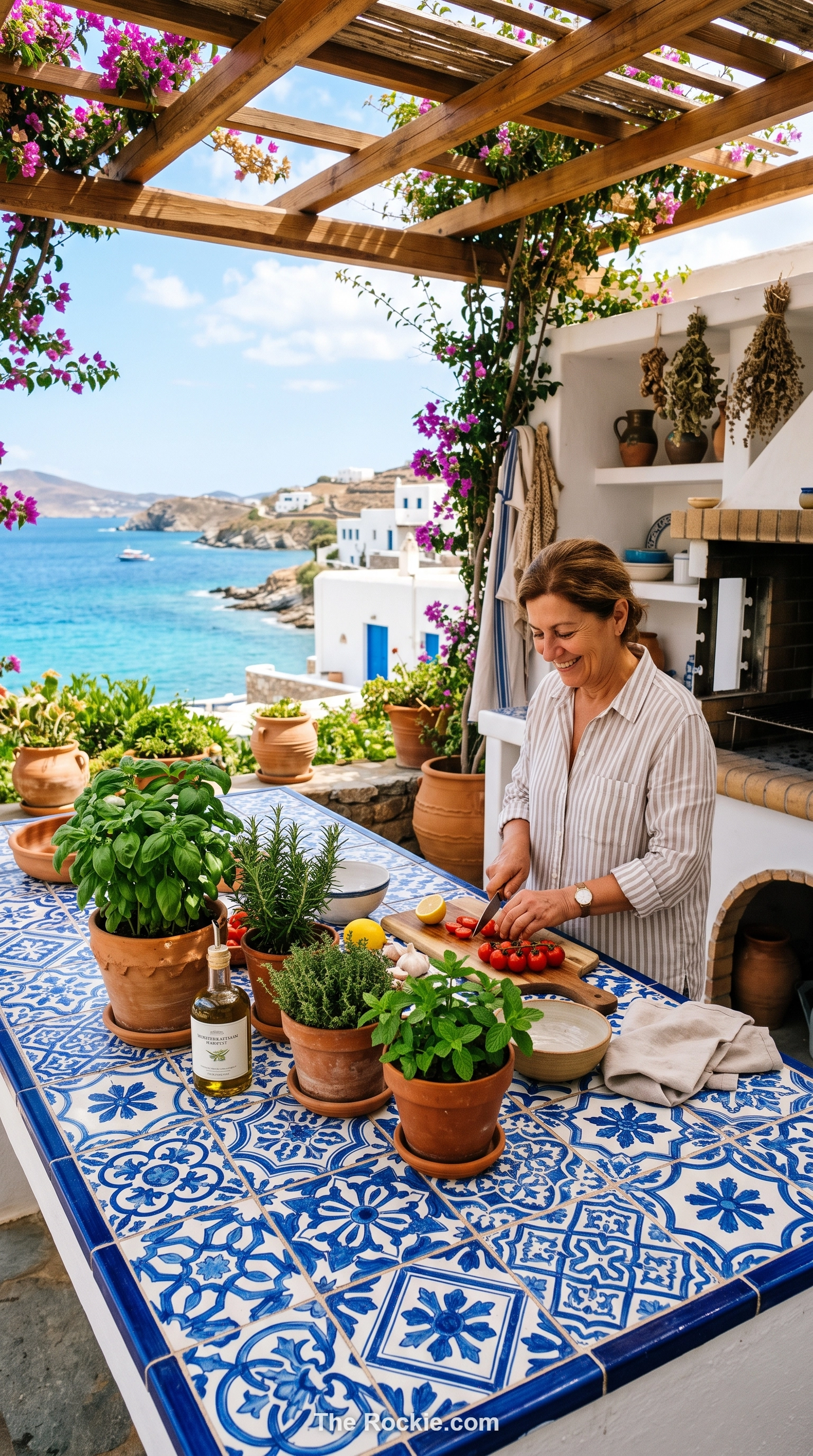
Tile is where an outdoor kitchen gets to be genuinely playful. Porcelain and ceramic tiles come in nearly unlimited colors, patterns, and finishes, so you can build a countertop that’s a real design statement rather than a neutral backdrop. They resist heat well and individual tiles are cheap to replace if damaged. The catch is grout lines, which need periodic resealing to keep water and stains from creeping in over time.
7. Marble Countertops
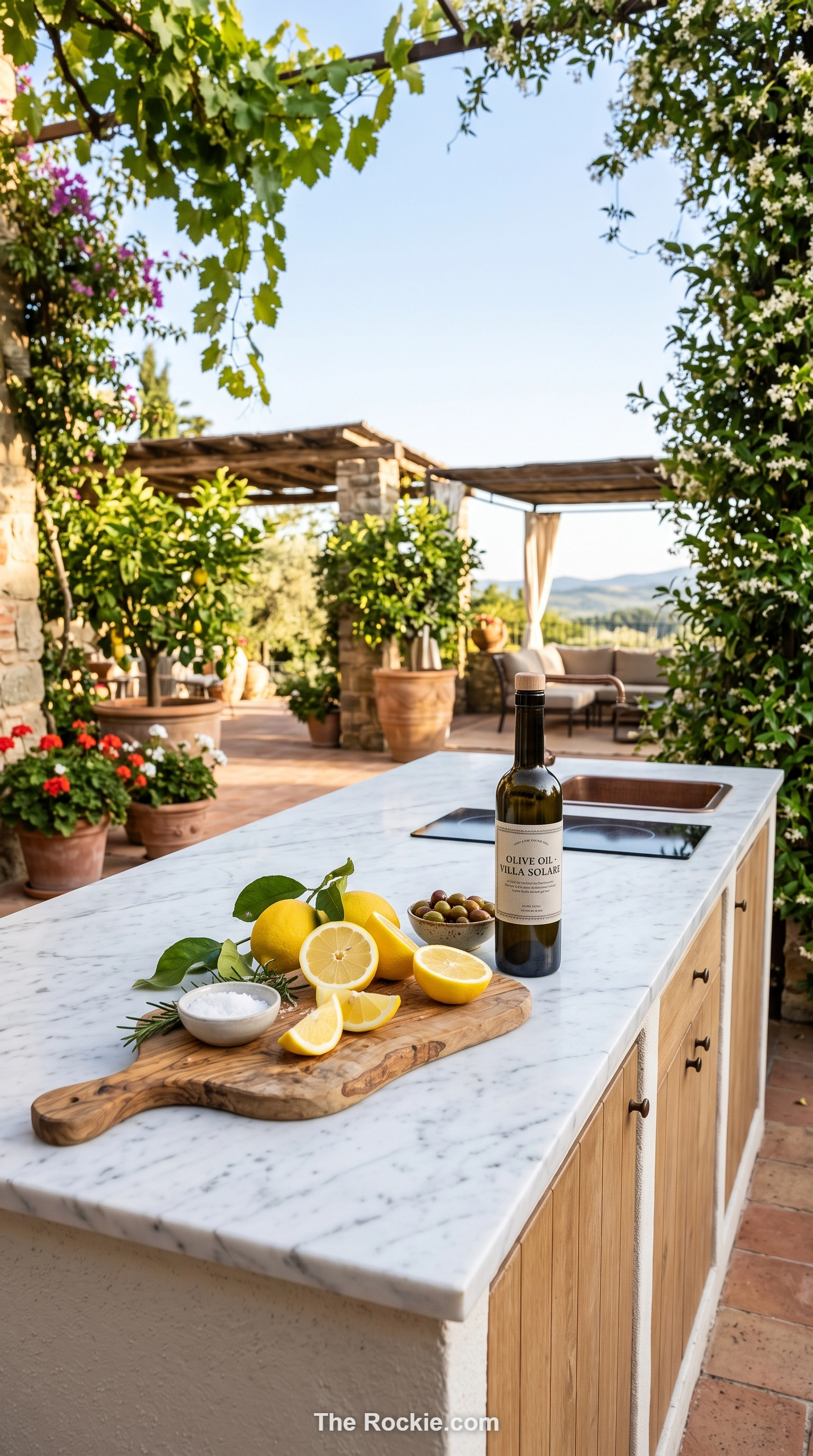
Marble brings a level of polish nothing else quite matches, with soft veining that photographs beautifully against greenery and stone. It does need more care outdoors than granite or quartzite — regular sealing is non-negotiable to fend off staining and etching from acidic spills. For homeowners who love the look enough to keep up with maintenance, marble delivers an outdoor kitchen that feels more like a garden showroom than a backyard grill station.
8. Slate Countertops
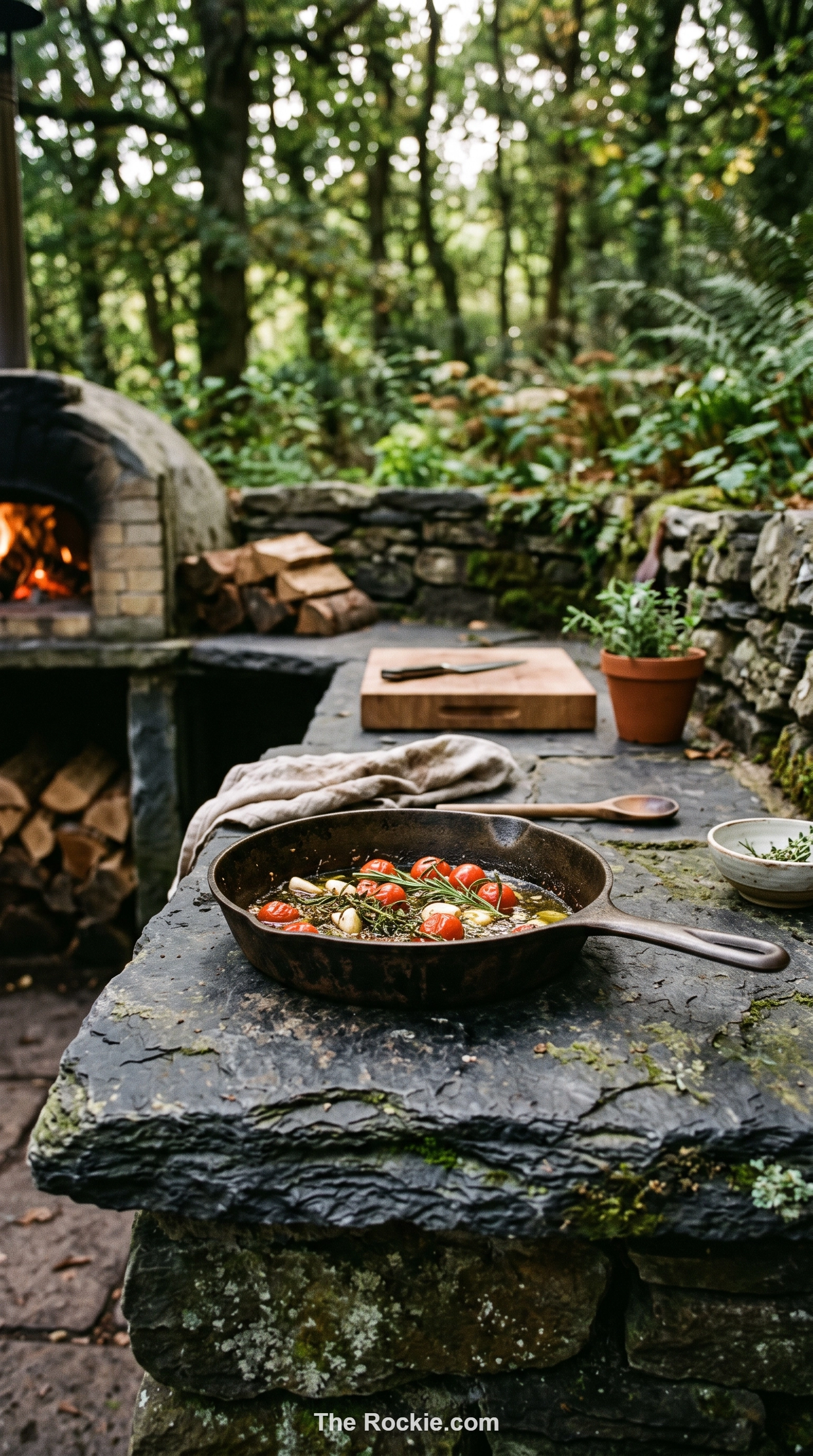
Slate carries an earthy, textured look that fits naturally into gardens, wooded backyards, and rustic patio designs. It’s naturally resistant to scratches and weather, and its deep charcoal and green-gray tones only get richer over the years. It’s less common than granite or concrete, which is exactly why it stands out when used, giving an outdoor kitchen a grounded, organic feel rather than a polished showroom one.
9. Butcher Block Countertops
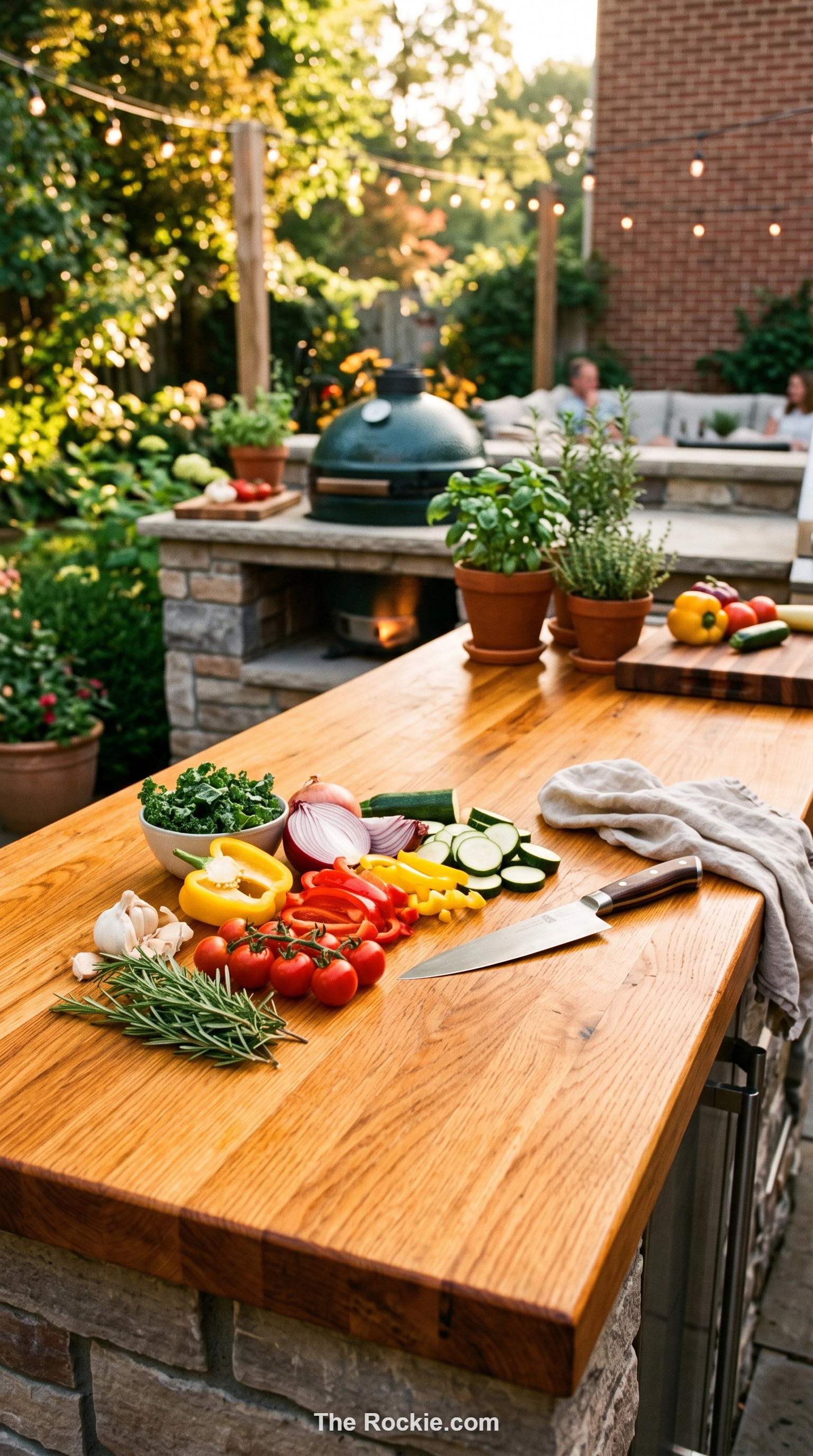
Wood isn’t the first material people think of for the outdoors, but sealed butcher block brings a warmth that stone and metal simply can’t replicate. It’s ideal for a food-prep zone next to the grill, giving cooks a forgiving surface for chopping. It does need more attention than most entries on this list — regular oiling to protect against moisture — but for people who like the ritual of caring for their materials, that upkeep is part of the appeal.
10. Recycled Glass Countertops
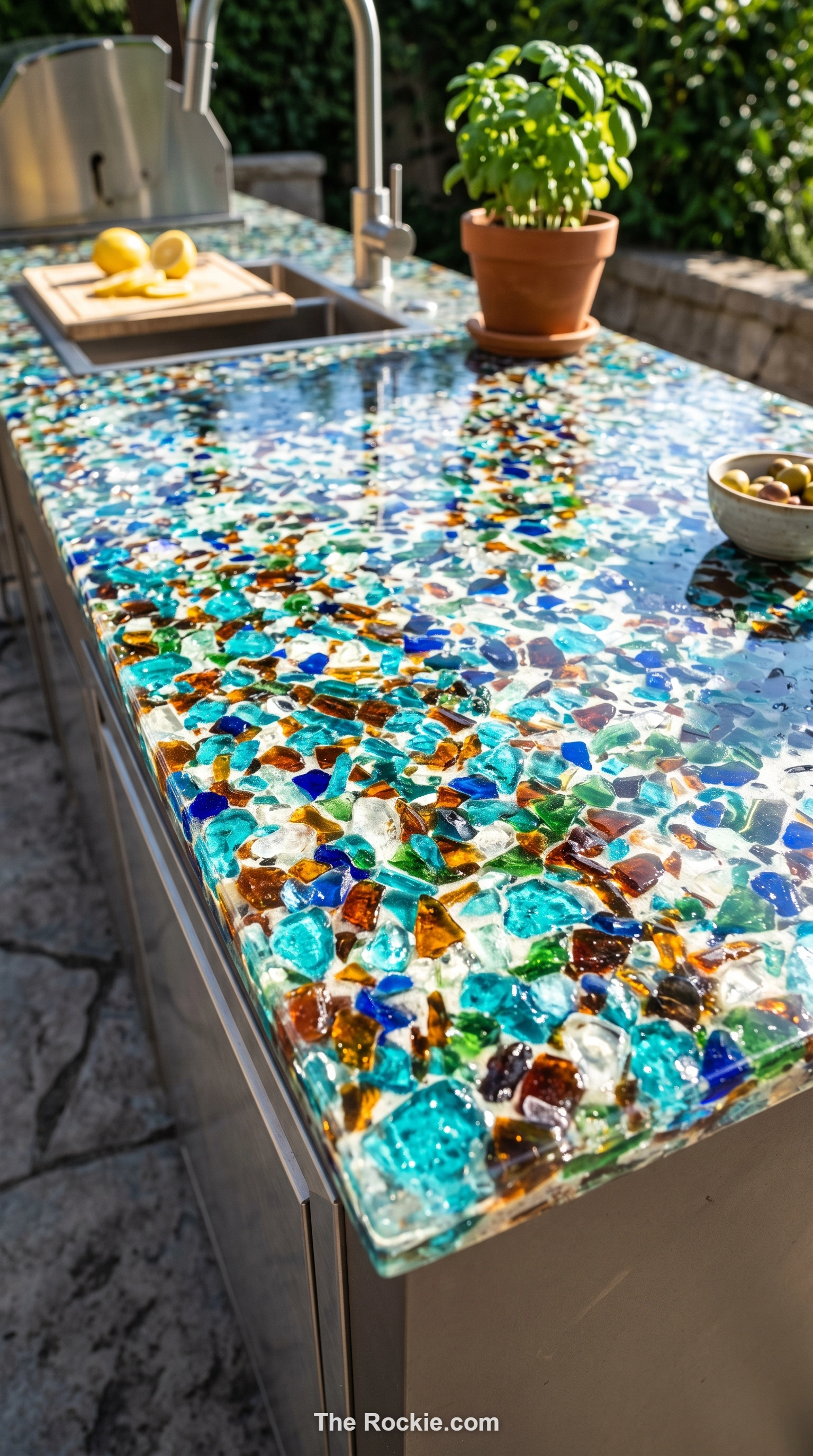
For anyone weighing sustainability alongside style, recycled glass countertops deliver both. Crushed glass suspended in resin catches light in a way no other material does, giving the surface a glittering, almost jewel-toned quality. It resists heat and scratching well, and because every batch of glass is different, no two countertops end up looking quite the same. It’s a genuinely eye-catching option for a contemporary outdoor kitchen.
11. Limestone Countertops
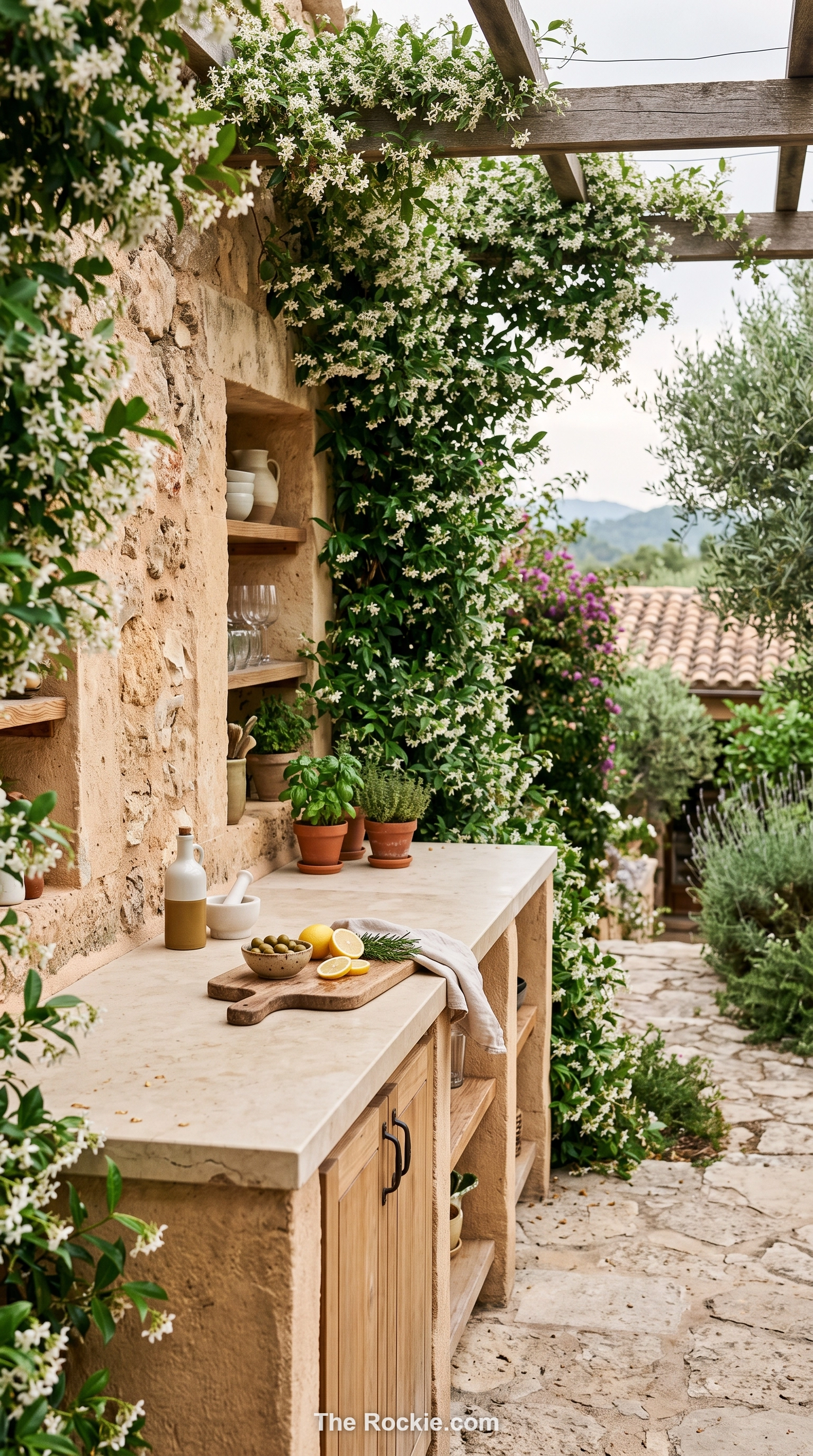
Limestone leans soft and understated, with muted, sandy tones that blend naturally into garden and landscape settings rather than competing with them. It’s porous, so it needs sealing to hold up to weather and staining, but once treated it’s a durable, low-drama surface. If your outdoor kitchen sits closer to a garden than a patio, limestone tends to fit right in.
12. Porcelain Countertops
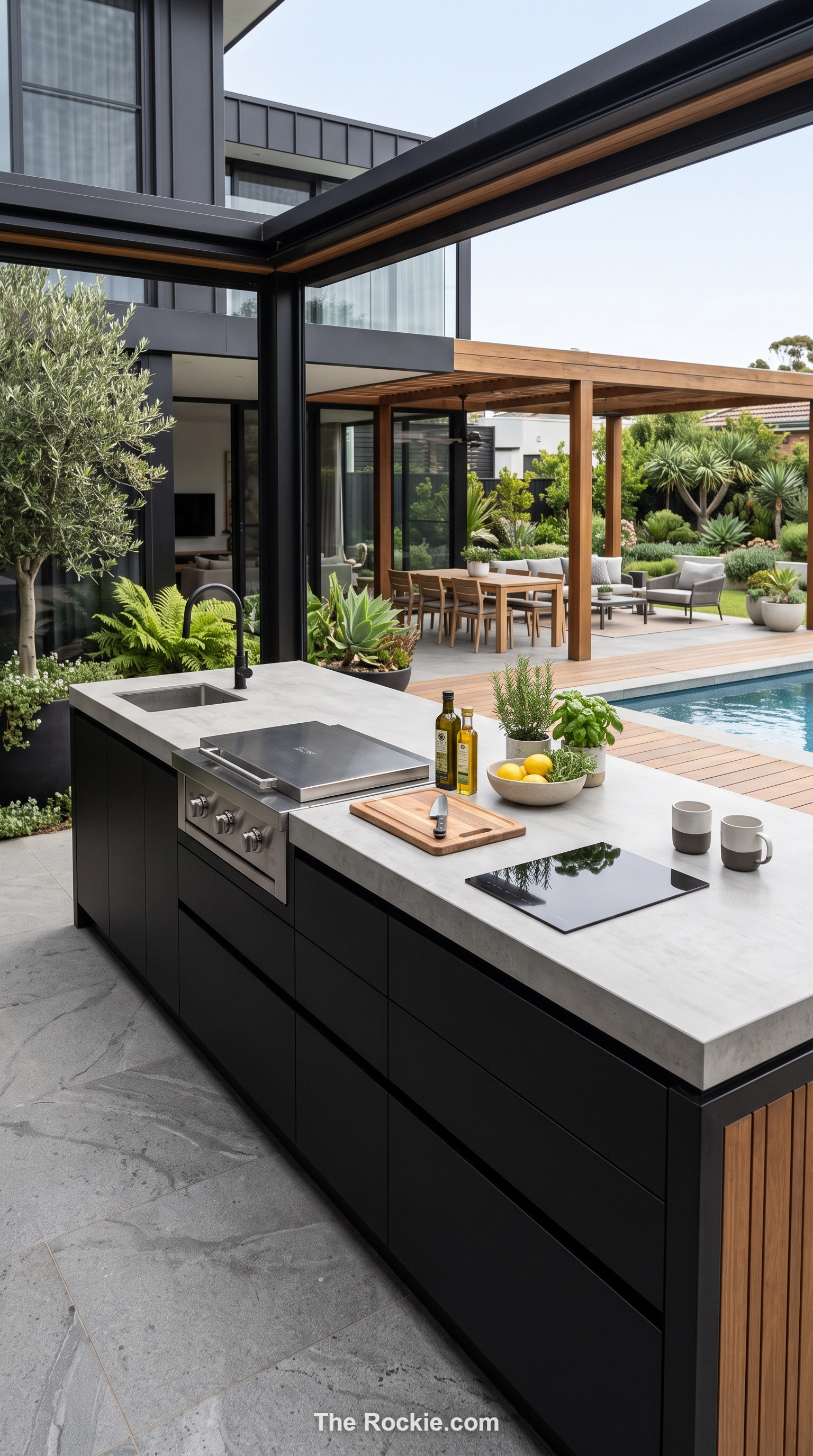
Porcelain slabs have become one of the most requested outdoor countertop materials in the last few years, and it’s easy to see why. They’re engineered to resist UV fading, thermal shock, and scratching, all while staying nearly maintenance-free. The surfaces come in convincing stone and concrete look-alikes, plus bold solid colors, so you get a lot of design range without the sealing schedule that natural stone demands.
13. Composite Countertops
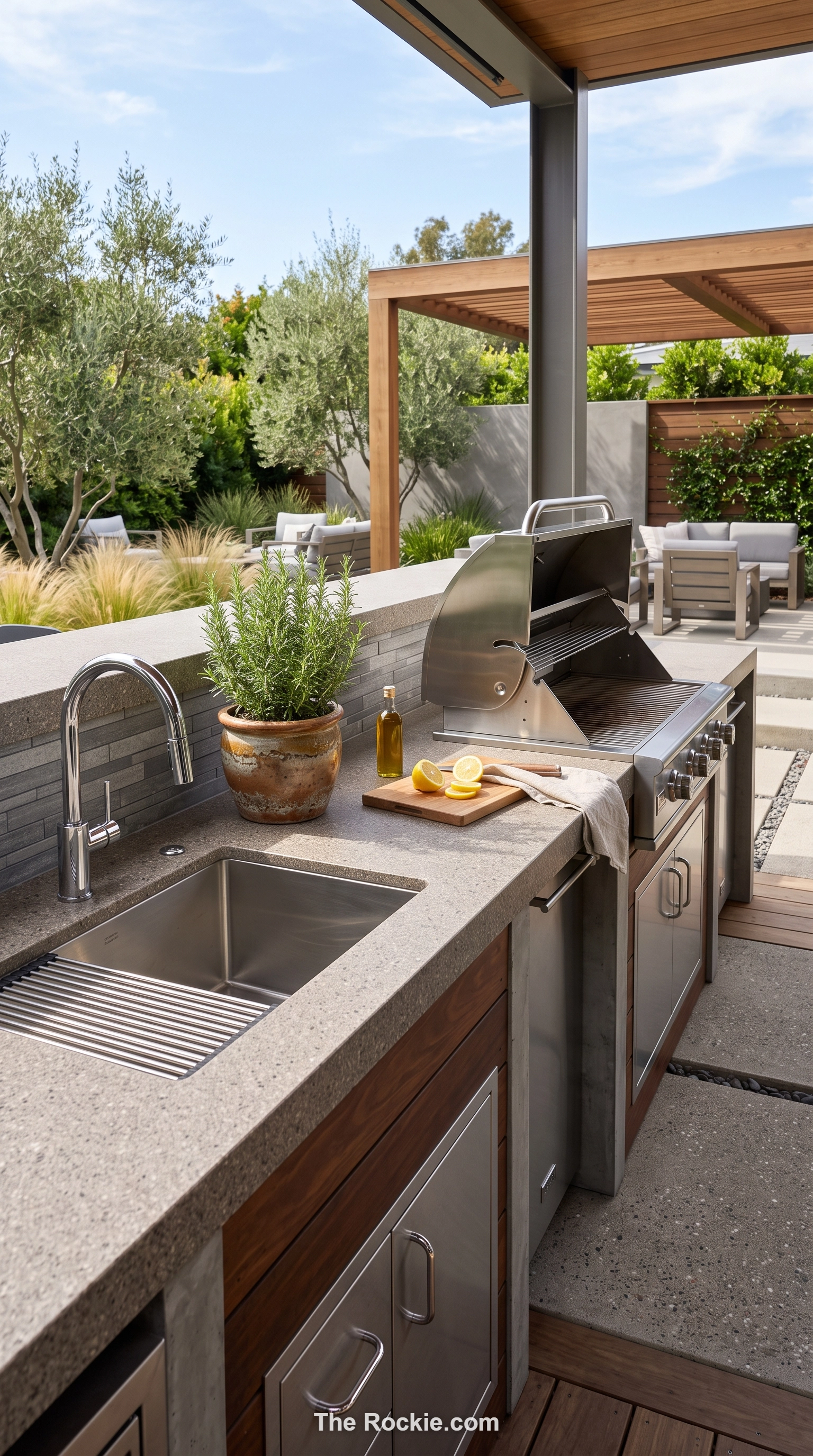
Composite countertops blend crushed stone with resin binders to create a surface engineered specifically to handle rough treatment. They resist scratching, staining, and weather damage better than many natural stones, while coming in a wide range of colors that don’t rely on the luck of a quarry. For homeowners who want stone-like performance with more predictable, uniform results, composite is a dependable middle ground.
14. Engineered Stone Countertops
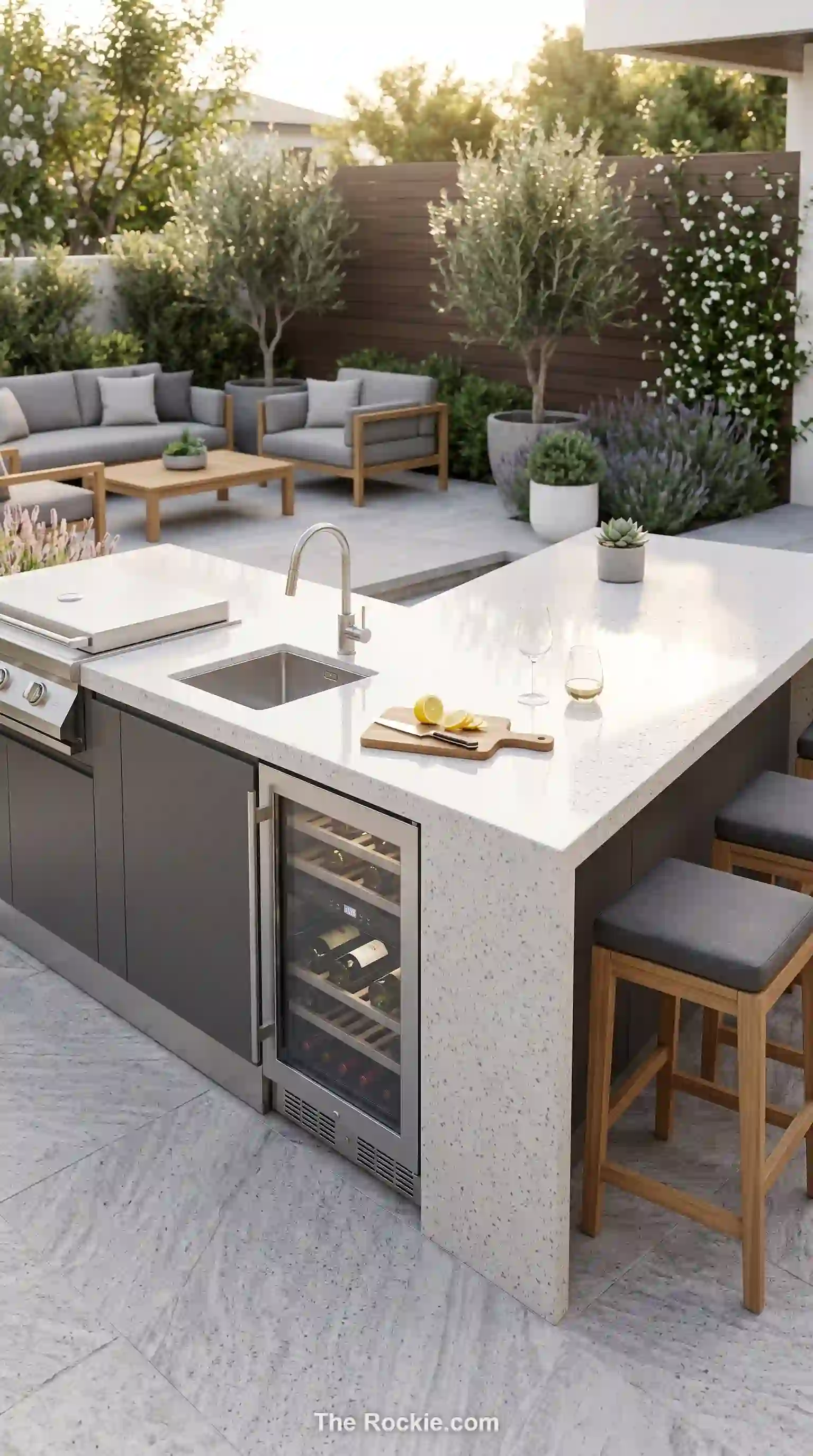
Engineered stone takes crushed natural stone and binds it into a slab with a much more consistent look than quarried material. That consistency is the whole appeal: low porosity means stains have almost nowhere to grab hold, and the wide color range makes it easy to match a specific design vision rather than settling for whatever nature provides. It’s a reliable, low-maintenance choice for outdoor kitchens built for regular use.
15. Lava Stone Countertops
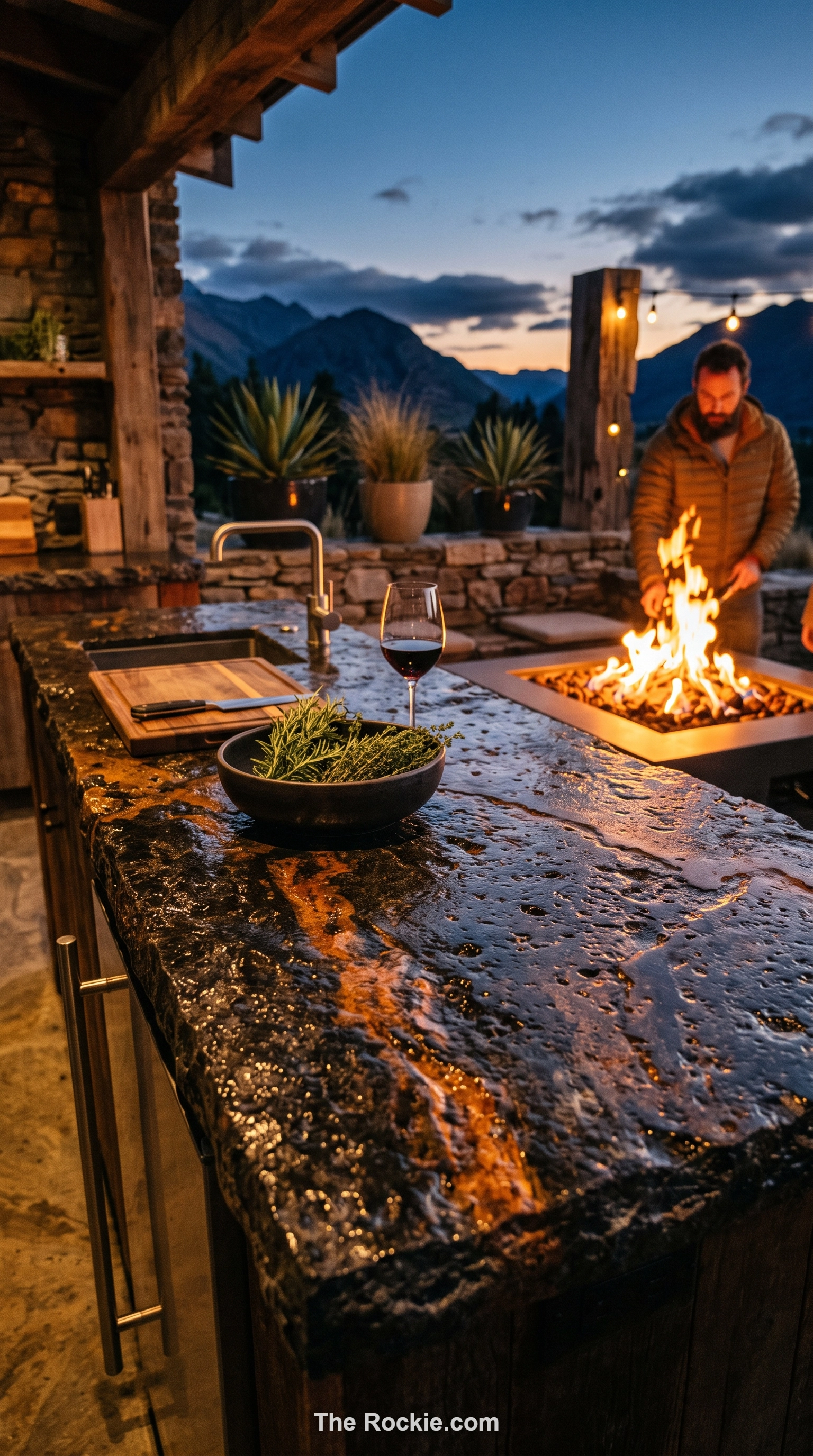
Lava stone is one of the more dramatic options on this list, formed from cooled volcanic rock and often finished with a glazed enamel coating. The natural texture and deep, saturated colors give it a bold, almost sculptural presence. It handles heat exceptionally well — which makes sense given its origin — and holds up to years of grilling without losing its edge. It’s a striking pick for anyone who wants their countertop to be a conversation piece.
16. Coping Stone Countertops
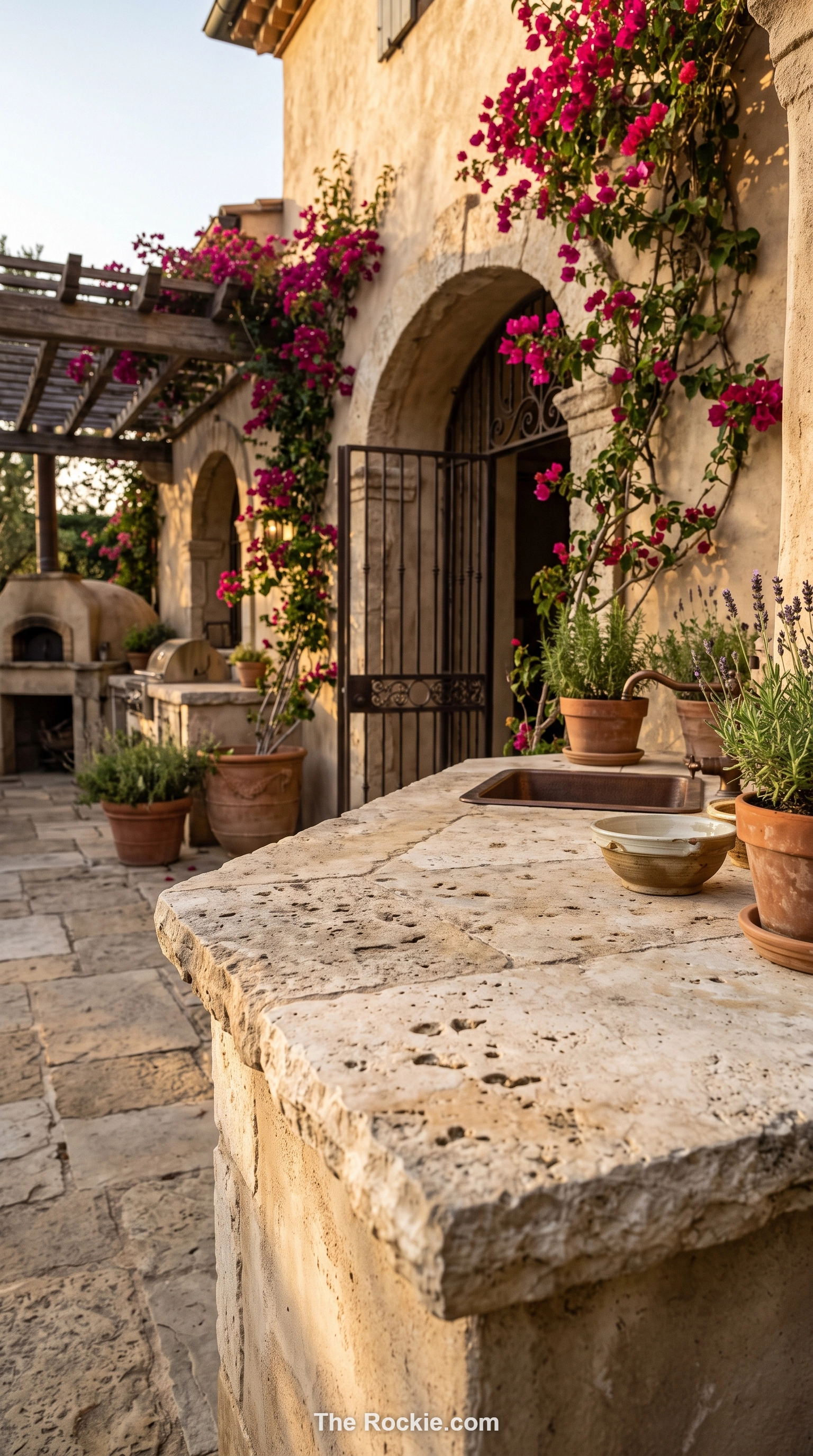
Coping stone brings a weathered, old-world character that’s hard to fake with newer materials. Often reclaimed or shaped from natural stone, each piece carries slightly different texture and color, giving the finished countertop a handcrafted, lived-in feel. It’s durable against weather and easy to keep clean, making it a good fit for outdoor kitchens designed to look like they’ve been there for generations.
17. Resin-Bound Countertops
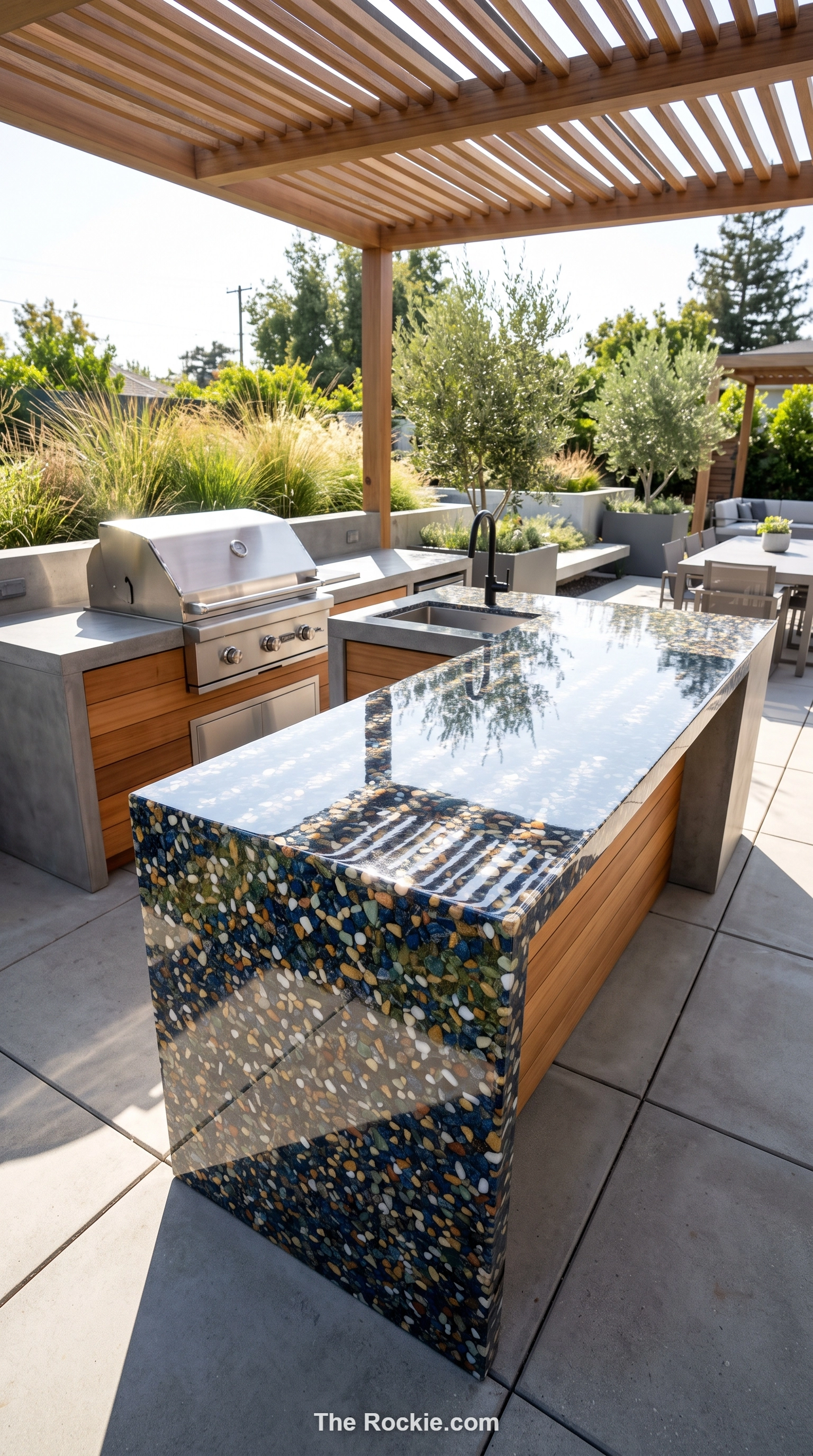
Resin-bound surfaces let you fuse natural aggregates like stone chips or sand into a smooth, glass-like resin finish, giving designers a lot of creative freedom with color and texture. The result resists UV damage, moisture, and staining while staying easy to wipe down. It’s a good option for anyone chasing a specific modern look that off-the-shelf stone slabs can’t quite deliver.
18. Terrazzo Countertops
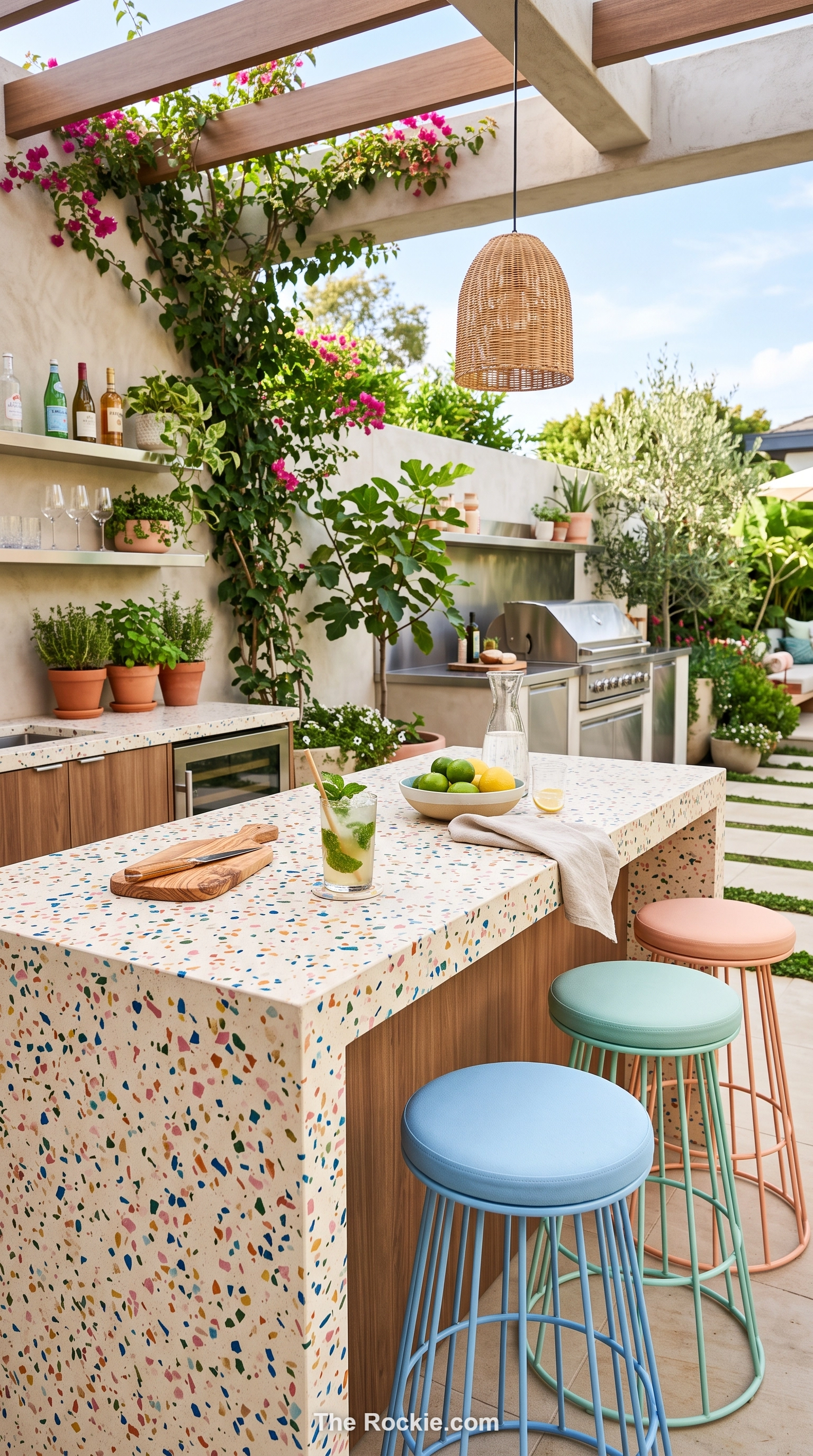
Terrazzo has made a serious comeback in the last few years, and outdoor kitchens are one of the places it’s landed. Chips of marble, quartz, or glass embedded in cement or resin create a speckled pattern that’s playful without being loud. It handles heat and daily wear well, and because the color combinations are essentially endless, terrazzo tends to become the visual anchor of whatever space it’s in.
19. Brick Countertops
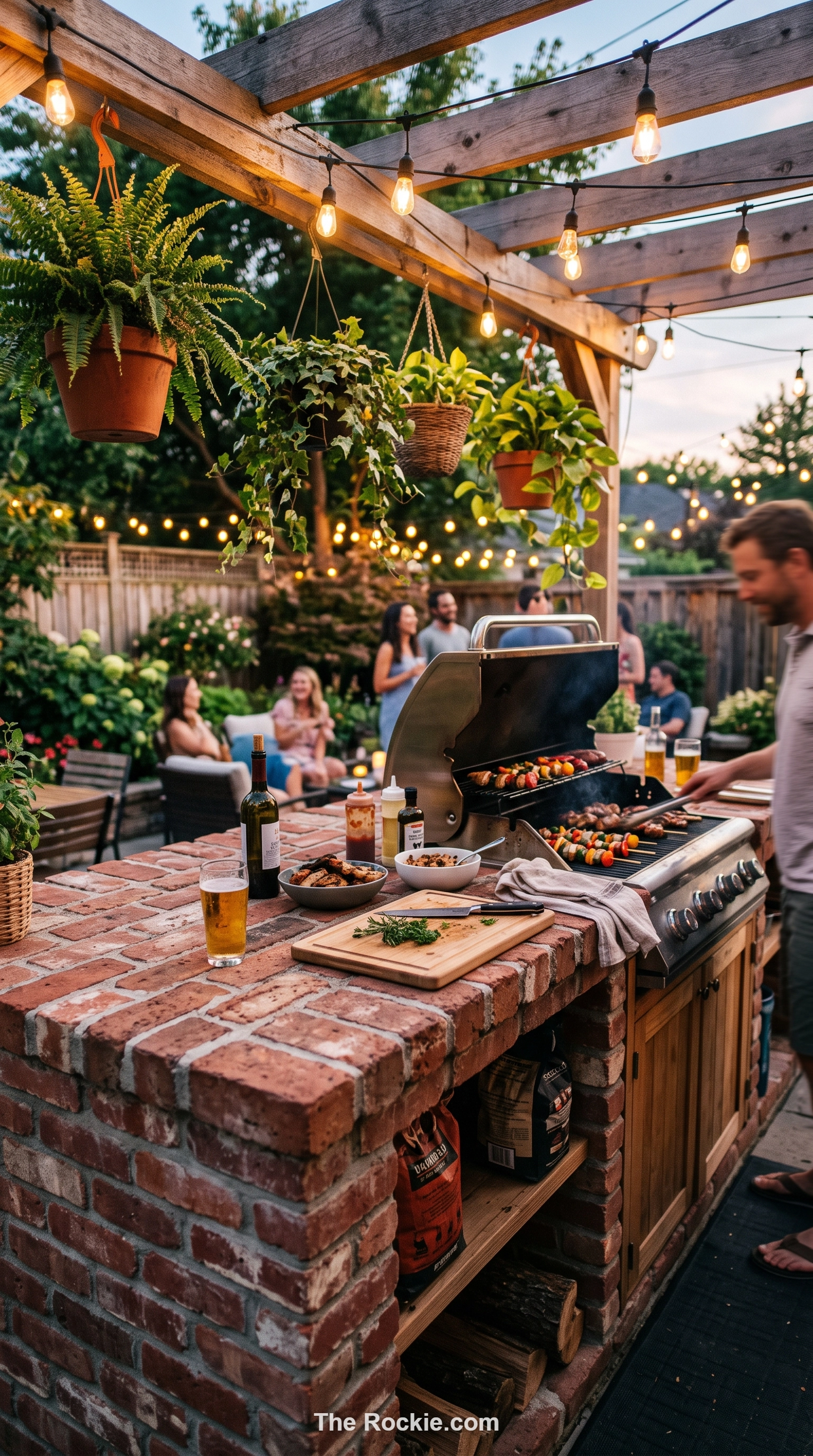
Brick countertops trade polish for warmth, bringing a relaxed, time-worn texture that suits casual backyard setups especially well. The material handles outdoor conditions naturally, and modern sealants keep moisture and staining in check without dulling that classic reddish patina. It’s a countertop that looks better with a few years of use on it, which is part of why it works so well for laid-back entertaining spaces.
20. Ceramic Countertops
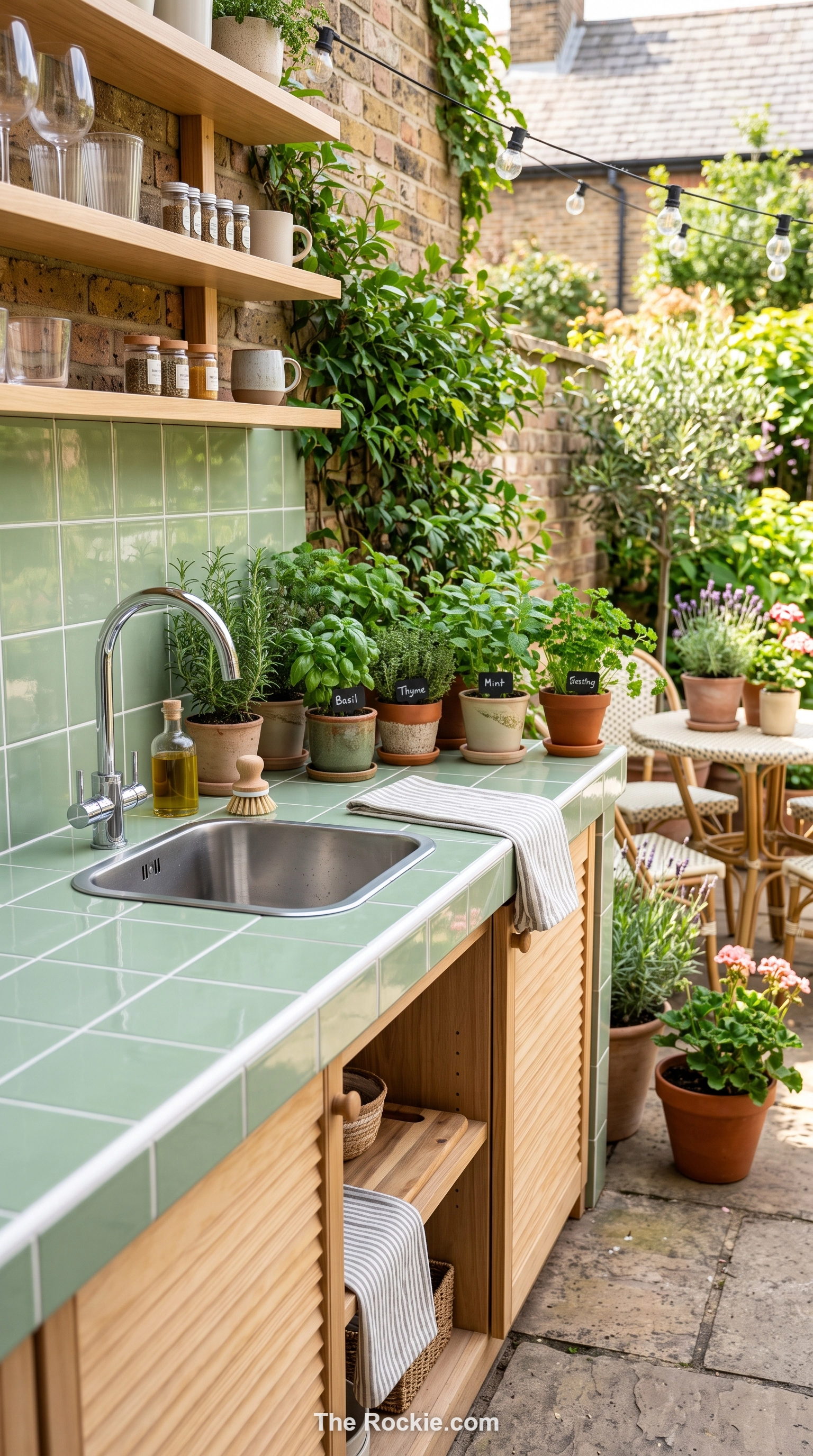
Ceramic combines an easy-to-clean surface with a color and finish range that’s tough to match elsewhere. Fired clay resists chipping and fading even under direct sun, and the smooth glaze wipes down in seconds after a cookout. It’s a practical, budget-friendlier alternative to porcelain slabs that still delivers a polished, contemporary look for smaller outdoor kitchen projects.
21. Concrete Overlay Countertops
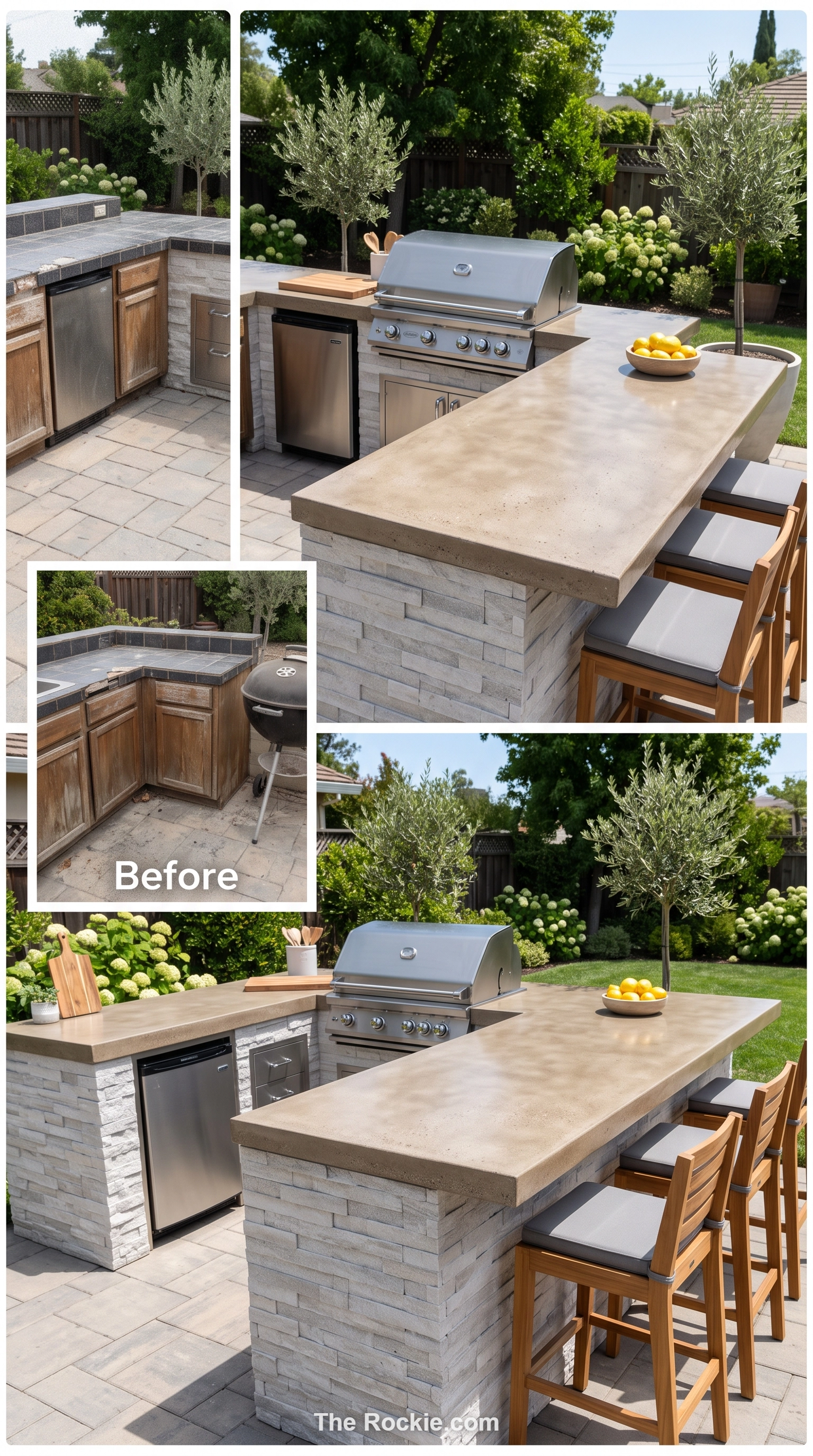
If you already have a concrete surface and want a refresh without a full rebuild, an overlay is the shortcut. A thin decorative layer goes over the existing base, letting you mimic the look of stone, wood, or polished concrete for a fraction of the cost. It holds up well to weather once sealed, and the ability to customize texture and color makes it an easy way to modernize an older outdoor kitchen.
22. Cultured Stone Countertops
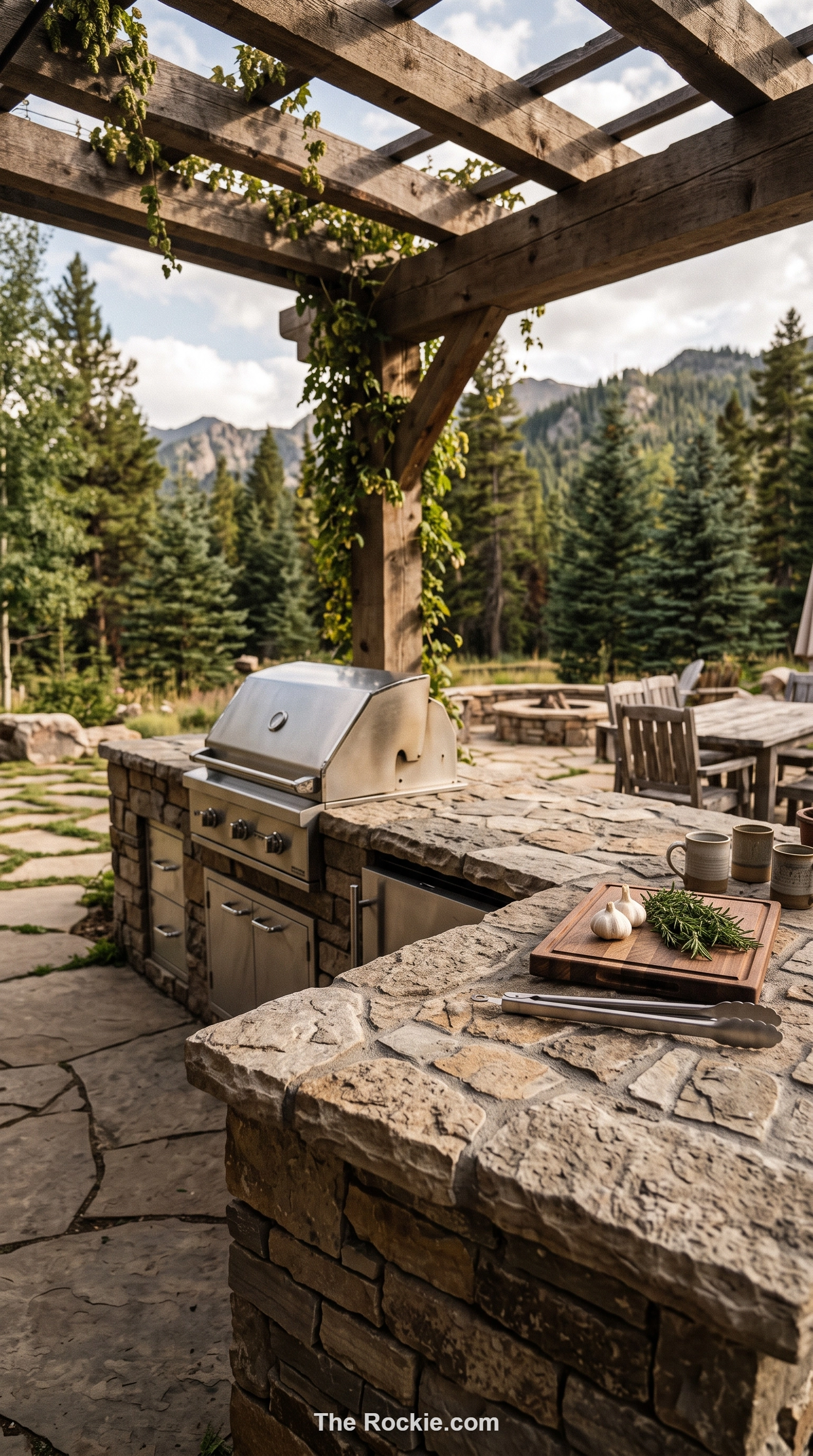
Cultured stone takes crushed natural stone and cement and molds it into a surface that mimics quarried masonry at a lower cost and with more consistency. It resists weather, staining, and daily wear well, making it a practical option for high-traffic outdoor kitchens. For homeowners who love the look of natural stone but want more predictable performance and pricing, cultured stone is a smart middle-ground choice.
Final Thoughts
There’s no single “best” outdoor kitchen countertop — just the one that fits how you actually cook, how much maintenance you’re willing to do, and the look you’re going for. Granite and porcelain are hard to go wrong with if you want something durable and low-fuss. Concrete, terrazzo, and recycled glass suit anyone chasing a more custom, design-forward statement. And materials like brick, slate, or coping stone are worth a look if your outdoor kitchen leans rustic rather than sleek. Whichever direction you go, choosing a countertop built to handle real weather — not just real style — is what makes an outdoor kitchen last.


