
20+ Victorian Kitchen Ideas That Bring Old-World Elegance Into a Modern Home

There’s something about a Victorian kitchen that refuses to feel dated. Maybe it’s the deep, moody paint colors, or the way a single brass handle or hand-painted tile can carry the weight of an entire era. Whatever the reason, this style keeps circling back into home design conversations, and for good reason: it’s a rare mix of drama and warmth that modern minimalism rarely offers.
If you’ve been collecting inspiration photos, chasing that “old house energy” without wanting to actually gut a 19th-century home, this list is for you. Below are 22 Victorian kitchen ideas that pull from the era’s most iconic details — ornate woodwork, patterned tile, antique fixtures — and reframe them for the way people actually cook and live today.
1. A Fireplace That Anchors the Room
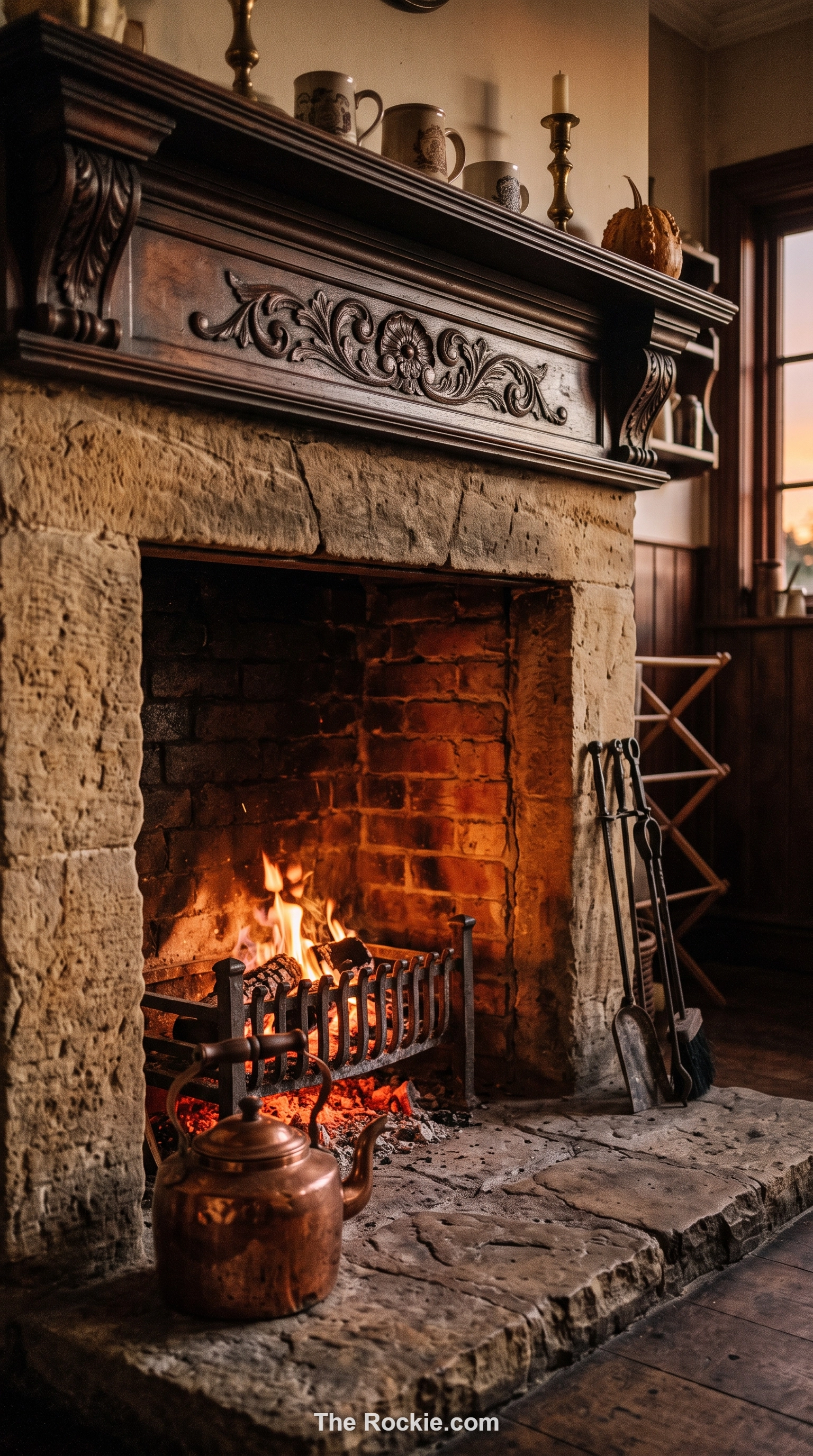
Every great Victorian kitchen has a gravitational center, and more often than not it’s the hearth. A stone or brick fireplace with a detailed mantel does more than throw heat on a cold morning — it gives the whole room a reason to gather. Even in kitchens that no longer cook over an open flame, keeping a fireplace (working or decorative) as the visual anchor instantly signals history and intimacy. Pair it with simple, sturdy furniture nearby and let the mantel do the storytelling.
2. Antique-Style Appliances With Modern Guts
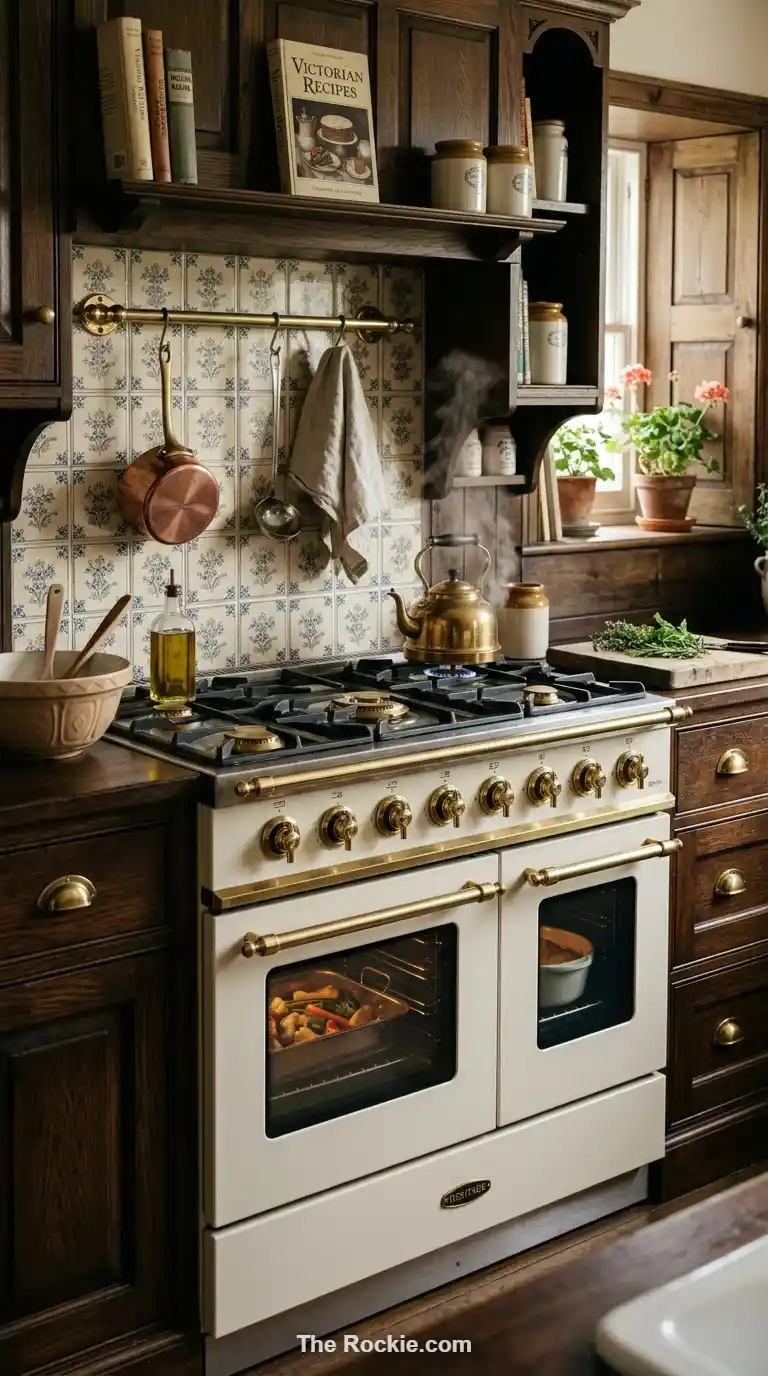
Nobody wants a range from 1890 that actually cooks like it’s 1890. The move here is restoration-style appliances — enamel-front ranges, rounded refrigerators, brass-knobbed ovens — that look plucked from a period film but run on today’s technology. It’s the easiest way to get instant character without sacrificing the reliability a real kitchen needs.
3. Ornate Cabinetry With Real Woodwork
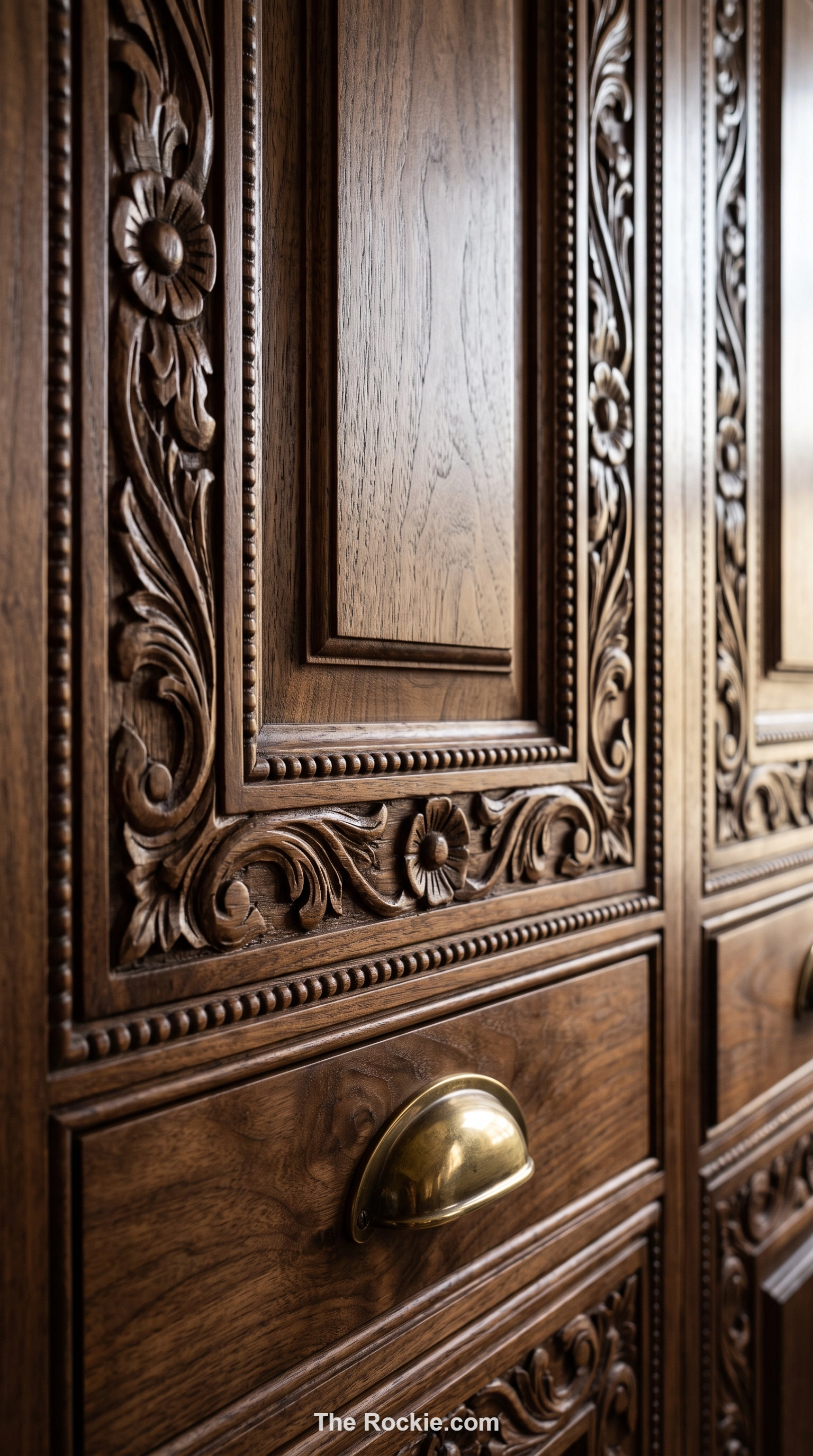
This is where craftsmanship gets to show off. Carved panel fronts, fluted trim, and richly stained wood turn cabinetry into furniture rather than storage. It’s a bigger investment than flat-panel doors, but it’s the detail that makes a kitchen feel custom instead of catalog-ordered. Even a few statement cabinets — like a glass-front hutch — can carry the whole look.
4. Patterned Tile Underfoot
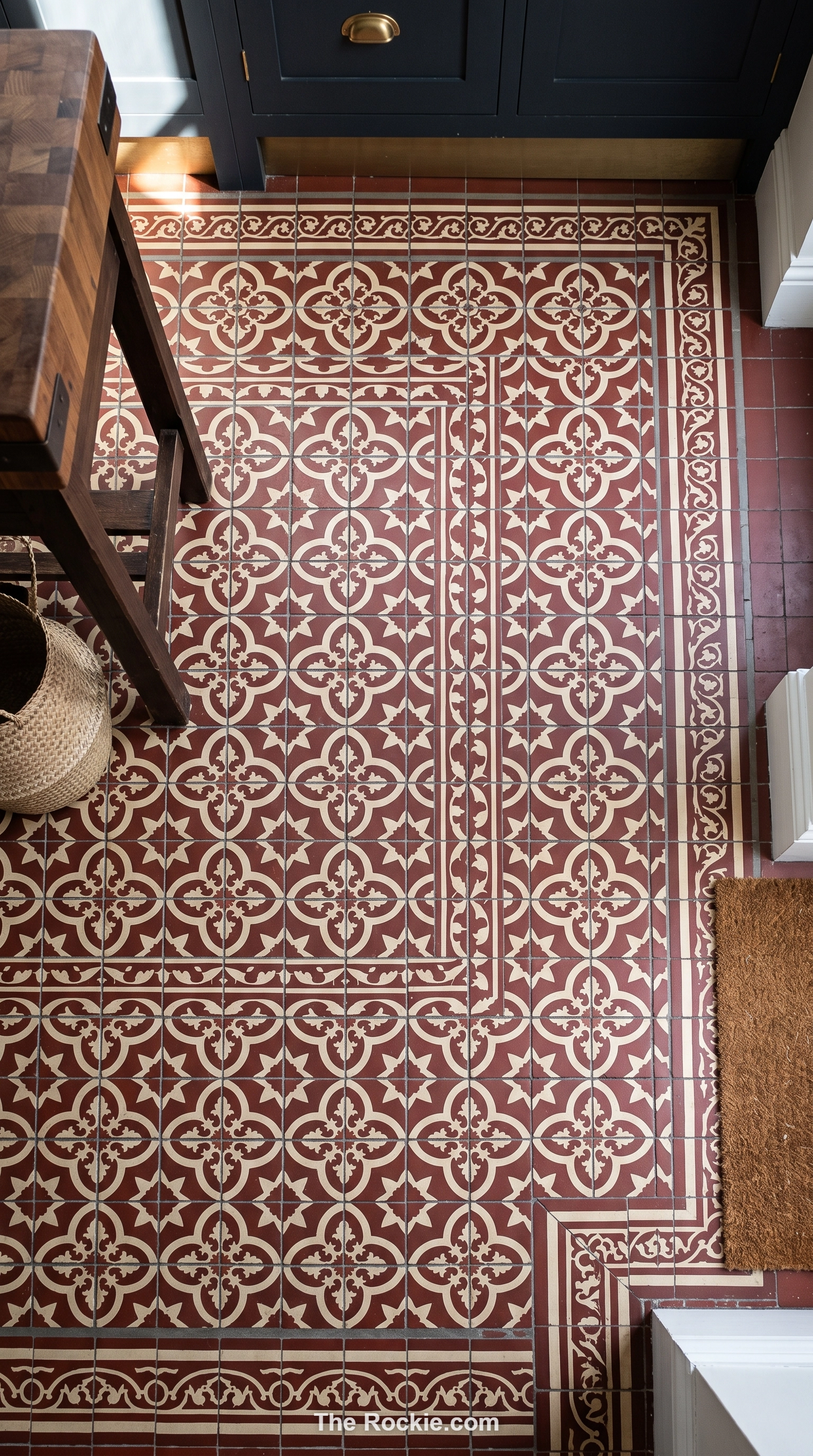
Encaustic or geometric floor tile is one of the fastest ways to date a kitchen — in the best way. Deep reds, ochres, and charcoal laid in Victorian-style patterns give the floor its own personality instead of disappearing into the background. It’s a durable, timeless choice that pairs surprisingly well with contemporary cabinetry too.
5. Statement Lighting Overhead
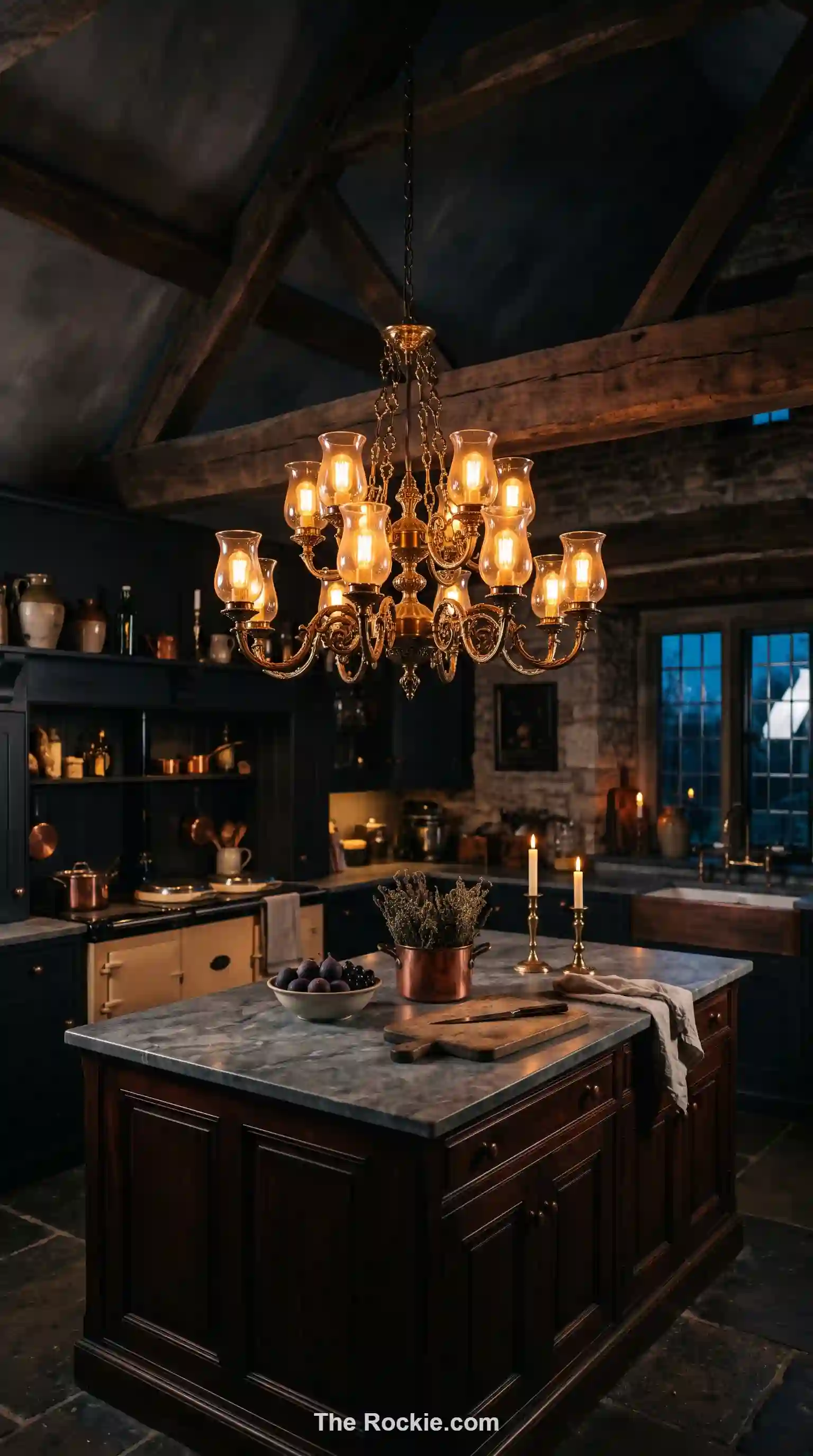
A single overhead bulb has no business in a Victorian kitchen. Chandeliers, brass pendant clusters, and wall sconces with fabric or glass shades do double duty — they light the room and they decorate it. The goal is warm, layered light that pools in corners rather than flooding the whole space evenly.
6. A Color Palette Pulled From the Past
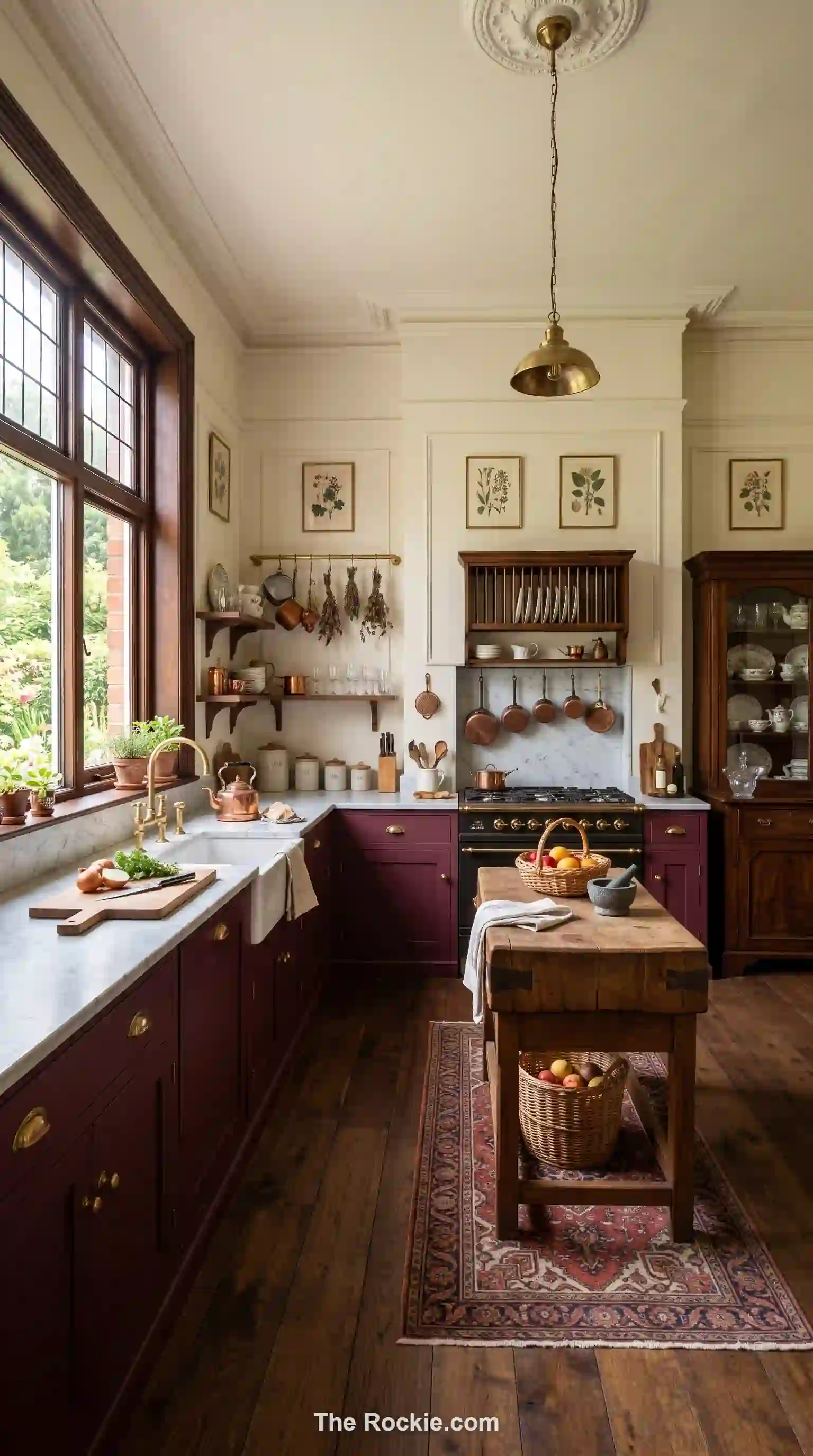
Deep burgundy, hunter green, and aged cream are the backbone of Victorian color schemes for a reason — they read as rich rather than dark. Painting cabinetry in one of these tones and keeping walls a touch lighter creates contrast without losing the moody, layered feeling the era is known for.
7. Crown Molding That Frames the Room
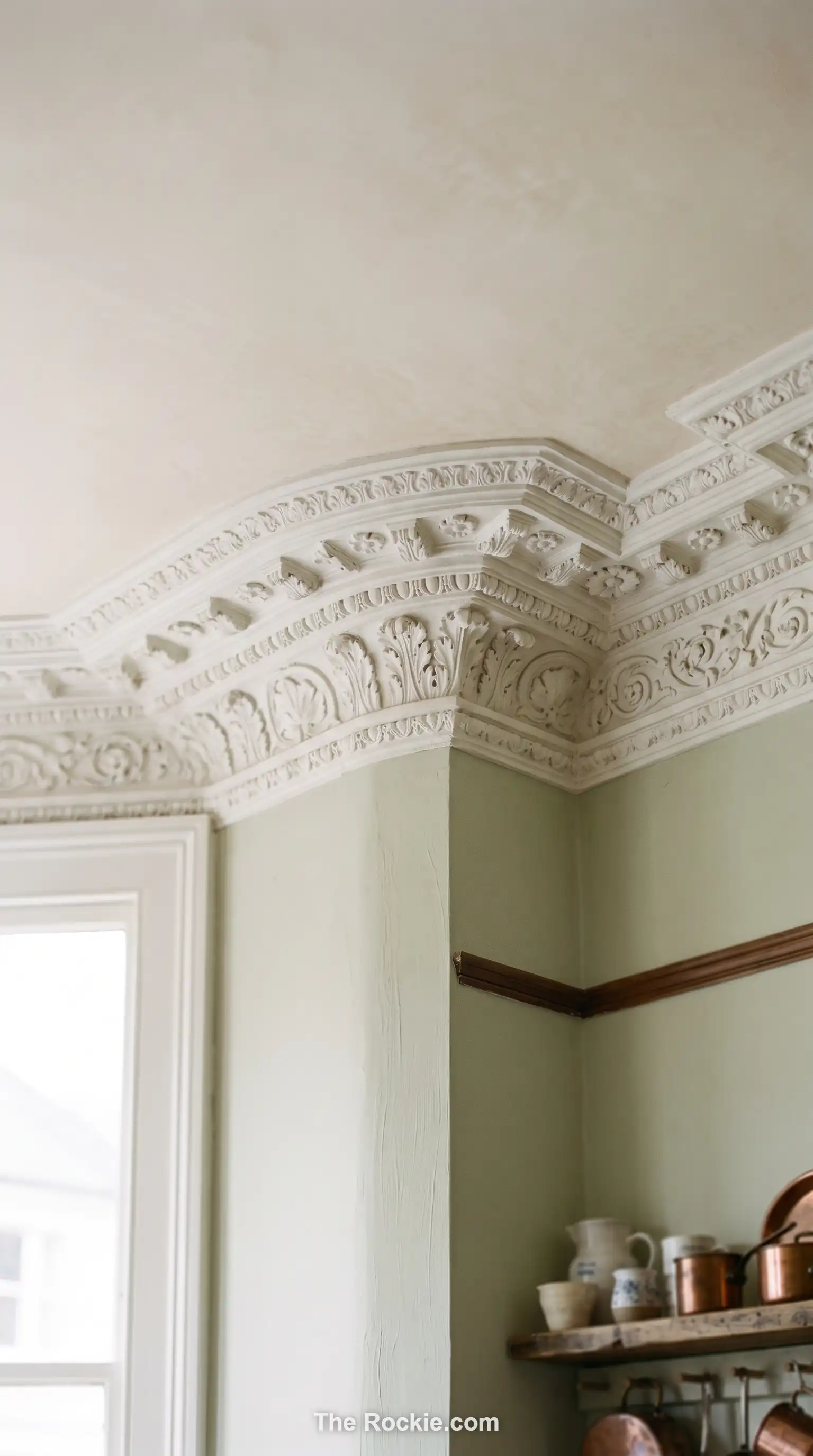
Where walls meet ceiling shouldn’t be an afterthought. Detailed crown molding gives a kitchen an architectural finish that’s easy to overlook until it’s missing. It’s a subtle upgrade, but it’s the kind of detail that separates a kitchen that feels designed from one that just feels built.
8. Wainscoting for Texture and Durability
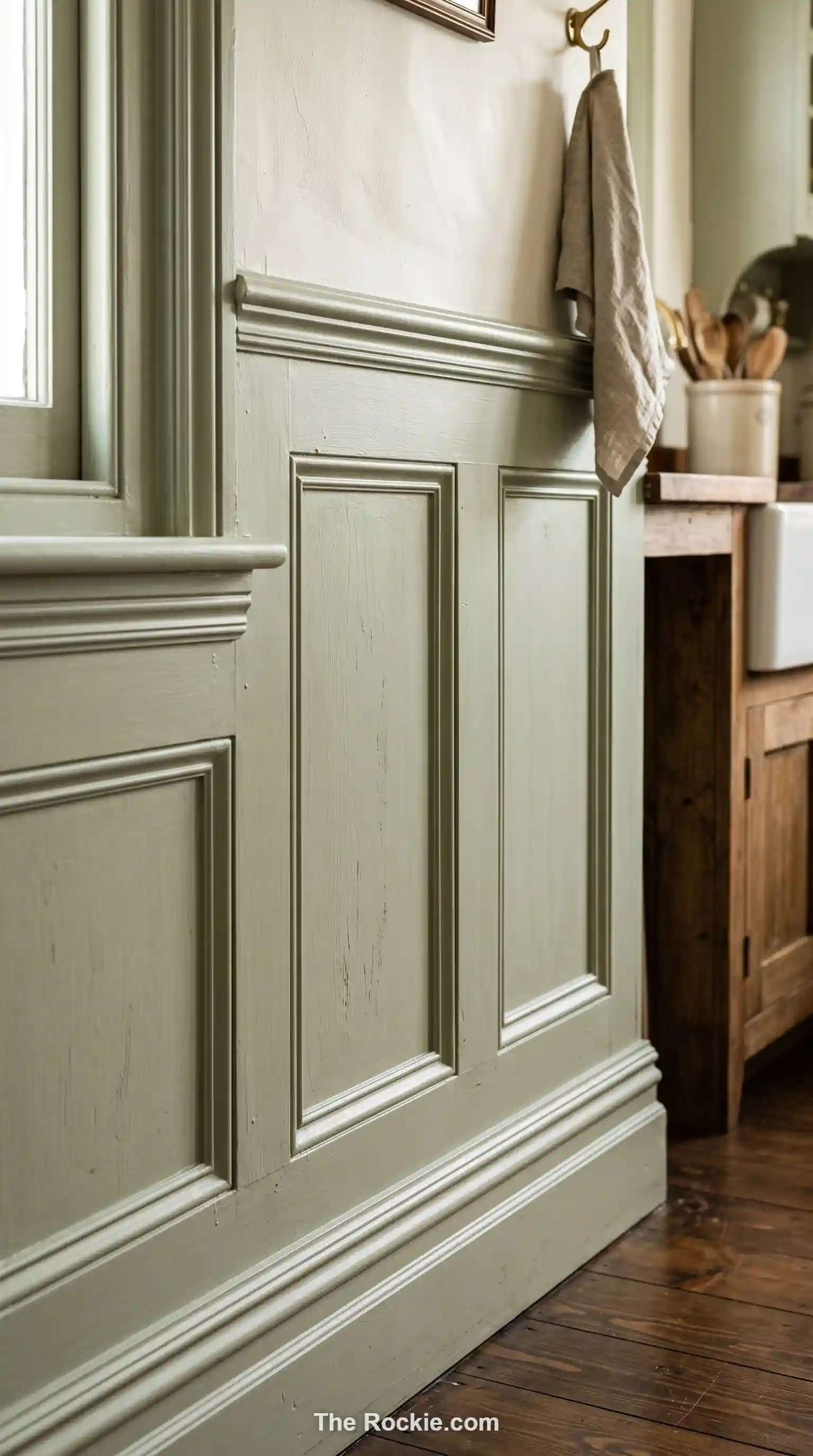
Wood paneling along the lower half of the wall isn’t just decorative — it protects against daily wear while adding a handcrafted texture that flat drywall can’t match. Painted in a soft tone or left in natural wood, wainscoting brings a tactile, layered feel to the room.
9. An Island Built Like Furniture
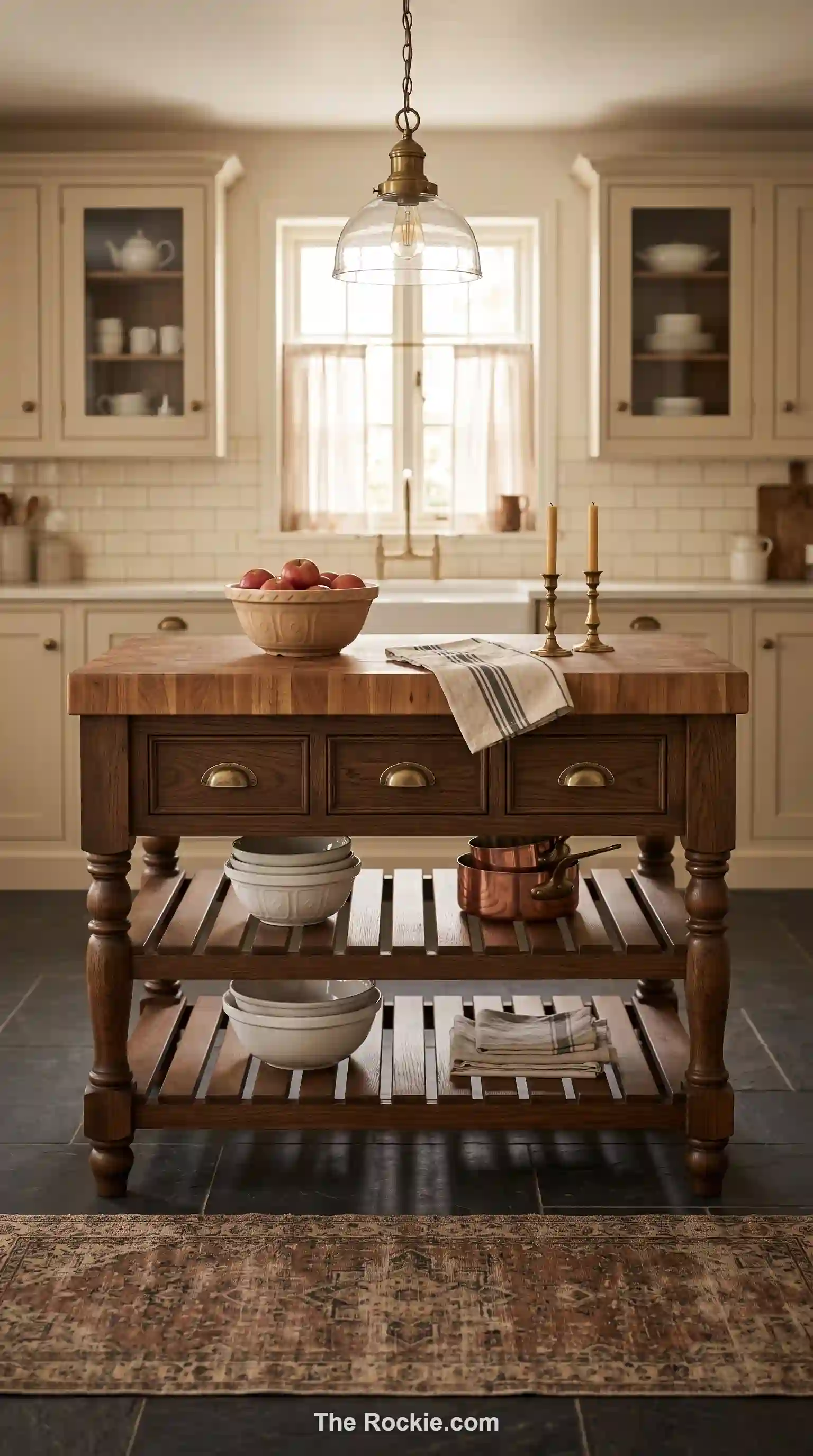
A Victorian-inspired island shouldn’t look like a slab of cabinetry with a countertop dropped on top. Turned legs, wood detailing, and a period-correct finish make it read as a freestanding piece of furniture that happens to offer prep space and storage — exactly how kitchen islands originated in the first place.
10. A Ceiling Medallion Worth Looking Up For
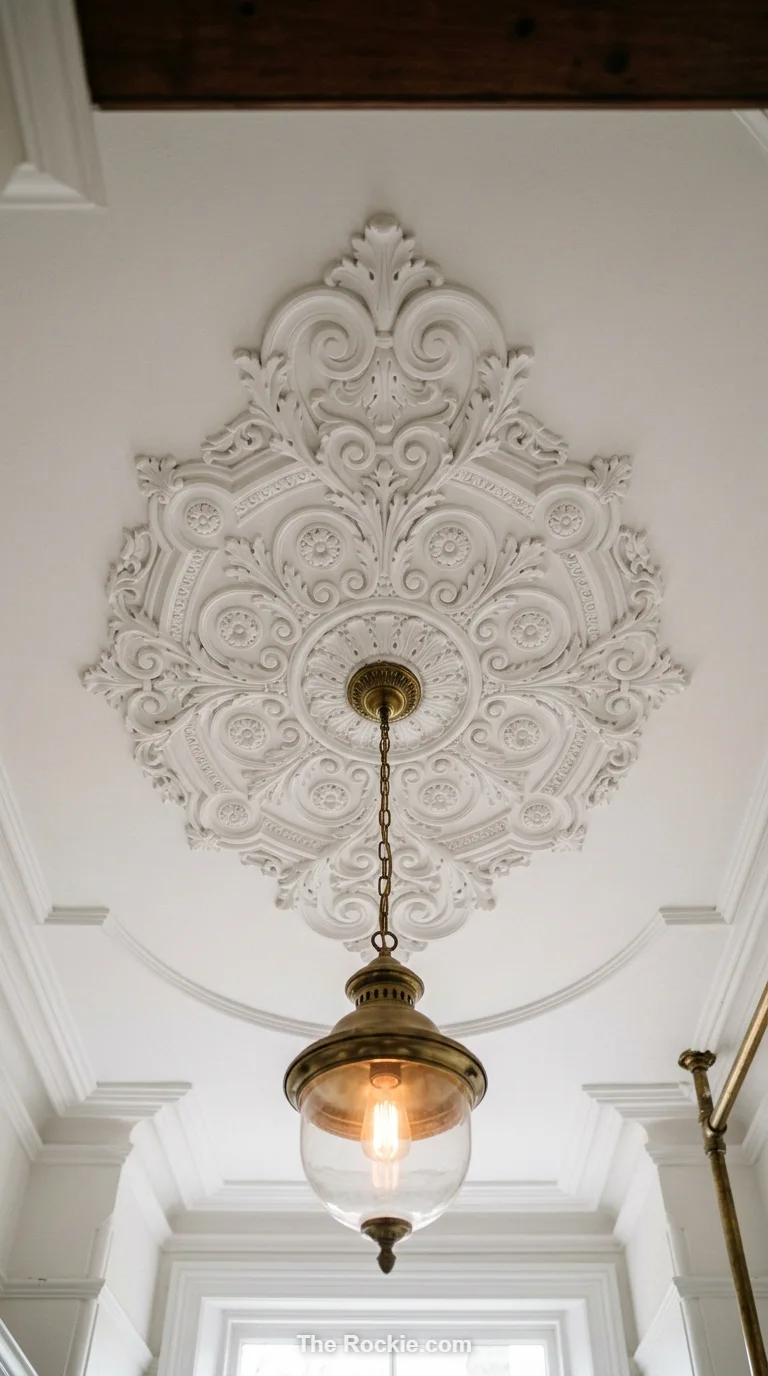
Around a chandelier or pendant, a plaster or wood ceiling medallion adds an unexpected layer of ornamentation that most modern kitchens skip entirely. It’s a small addition with an outsized visual payoff, framing the light fixture like a piece of art.
11. Drapery That Softens Hard Lines
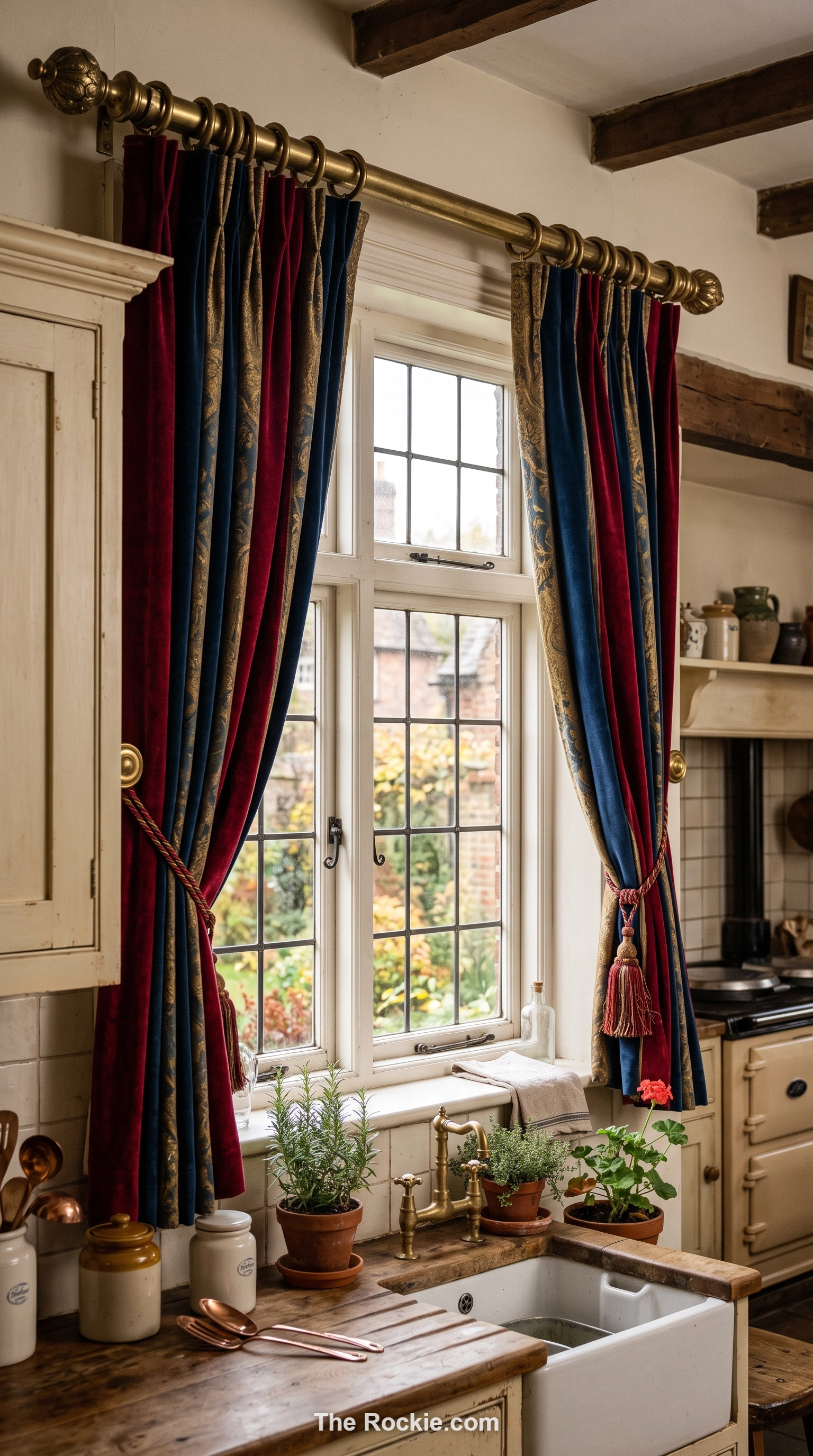
Heavy fabric drapes with ornate rods bring softness into a room full of wood and tile. They diffuse light beautifully and add a layer of formality that curtains alone rarely achieve. Choose a fabric with subtle texture or pattern to avoid overwhelming the rest of the room.
12. A Backsplash That Doubles as Art
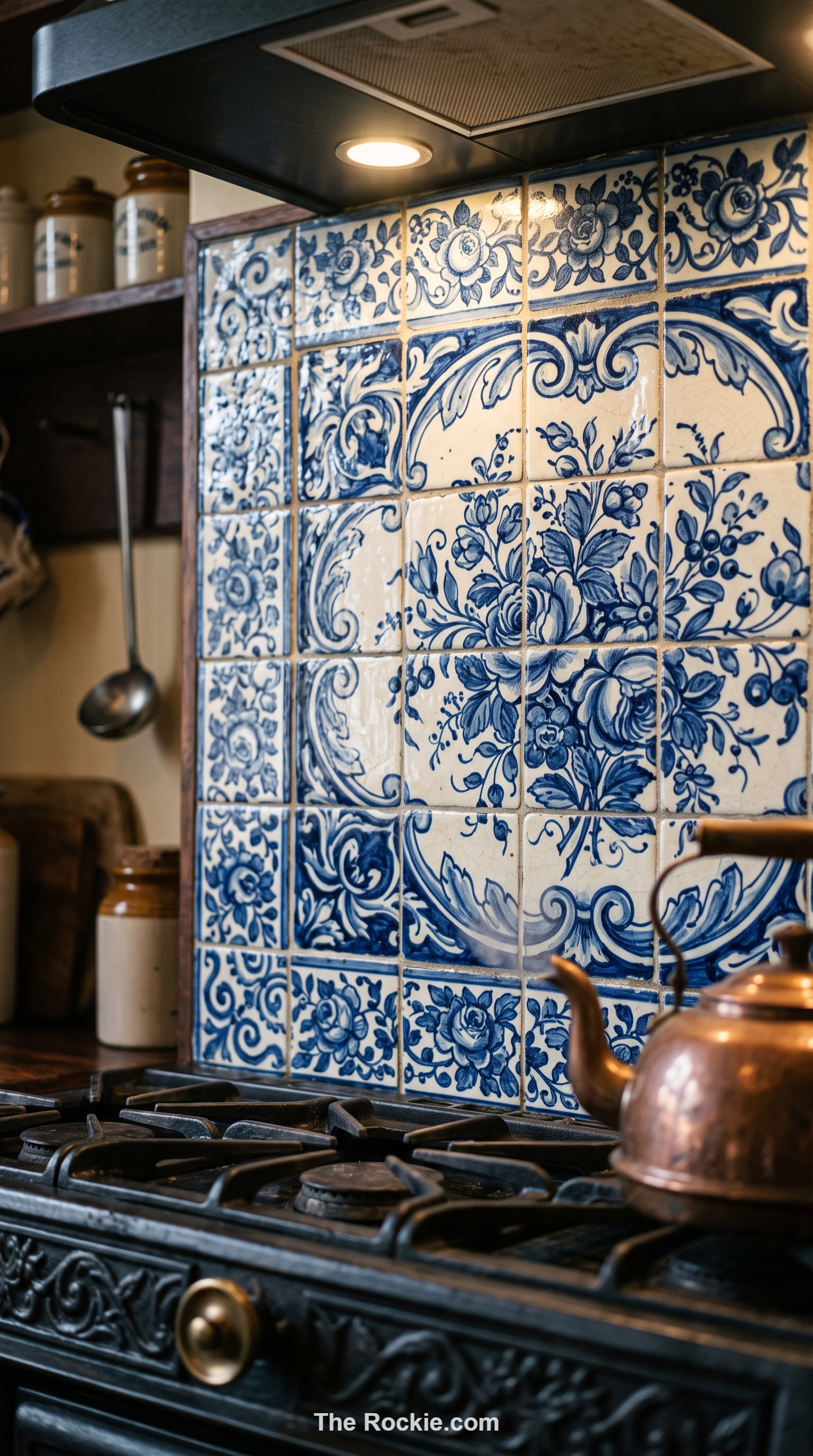
Hand-painted or mosaic tile behind the stove or sink turns a purely functional surface into a focal point. Floral motifs, geometric borders, or a mix of glazes give the eye somewhere to land, and they hold up beautifully to daily splashes and steam.
13. Open Shelving for Curated Display
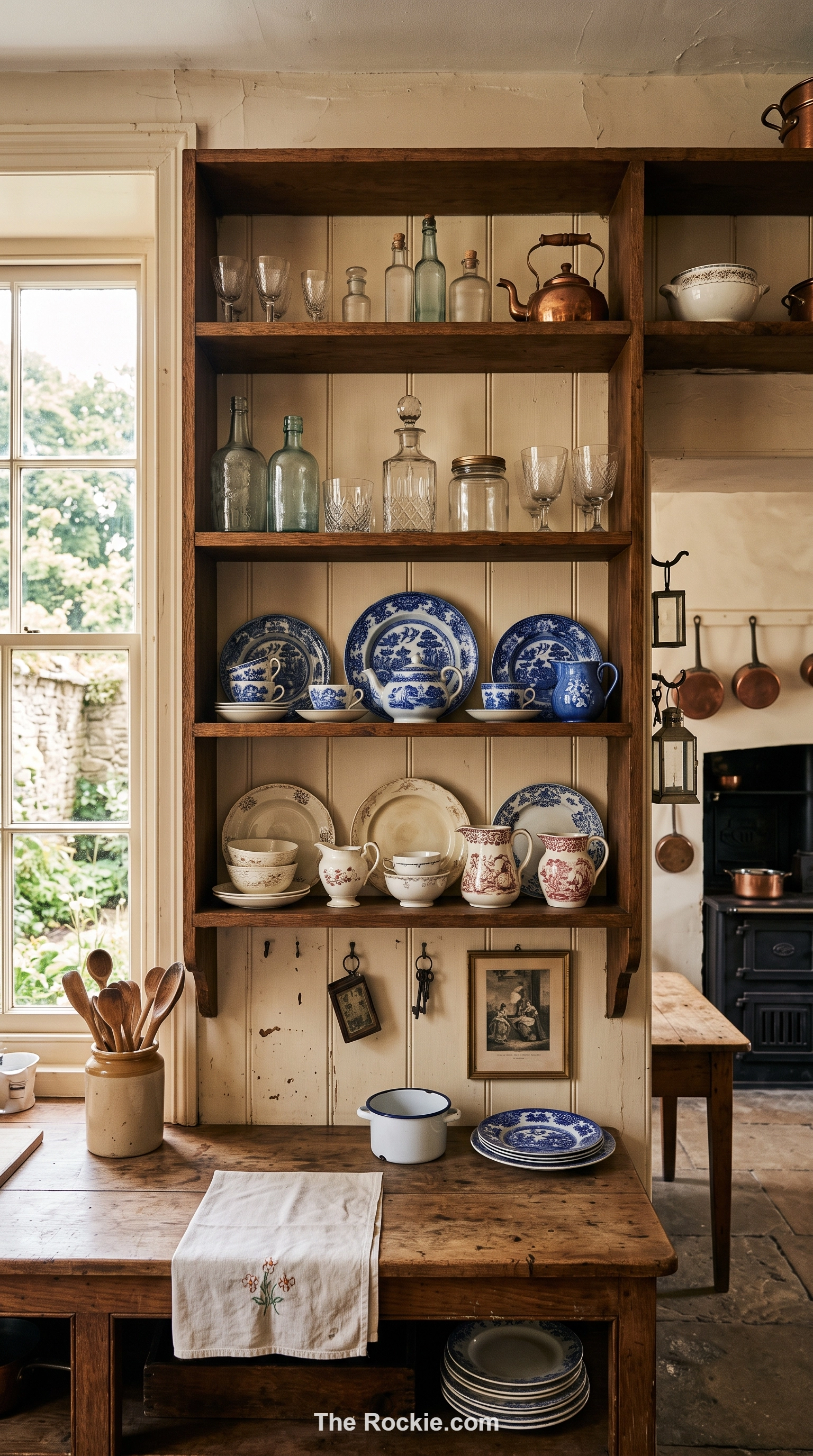
Not everything needs a door. Open shelves let you show off collected china, glassware, and heirloom pieces the way a gallery wall shows off art. It keeps everyday items accessible while adding personality that closed cabinetry can’t offer.
14. A Hanging Pot Rack as Sculpture
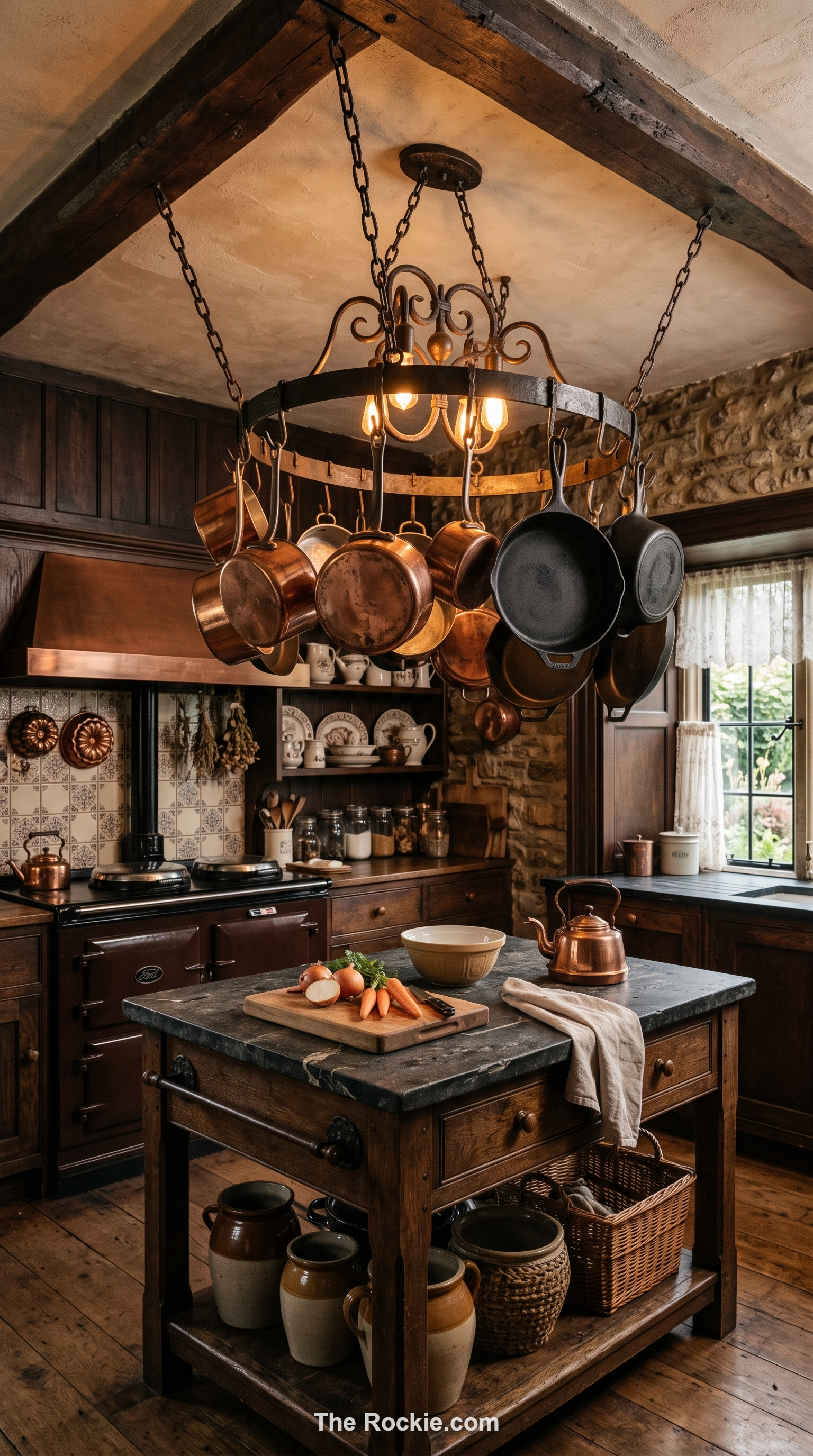
Suspended from the ceiling or mounted to a wall, a wrought iron or brass pot rack frees up counter space while turning cookware into decor. The gentle clank and gleam of hanging pans is one of those small details that makes a kitchen feel lived-in and loved.
15. Sink Fixtures With Period Curves
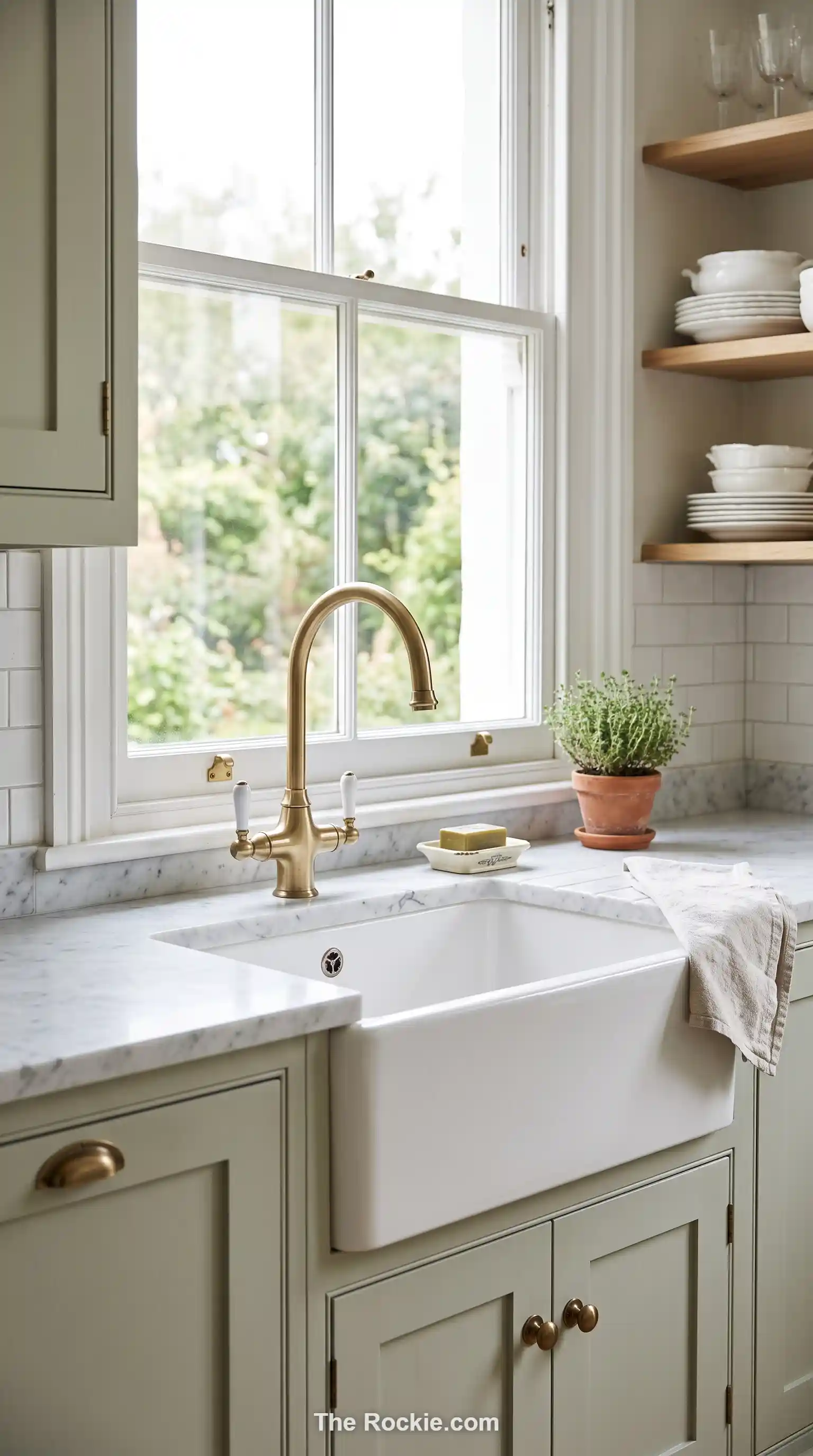
A rounded porcelain basin with detailed brass or nickel fixtures gives the sink area old-world polish without sacrificing water pressure or function. It’s often the last thing people upgrade, but it makes a noticeable difference in how “finished” a Victorian kitchen feels.
16. Hardware That Feels Handmade
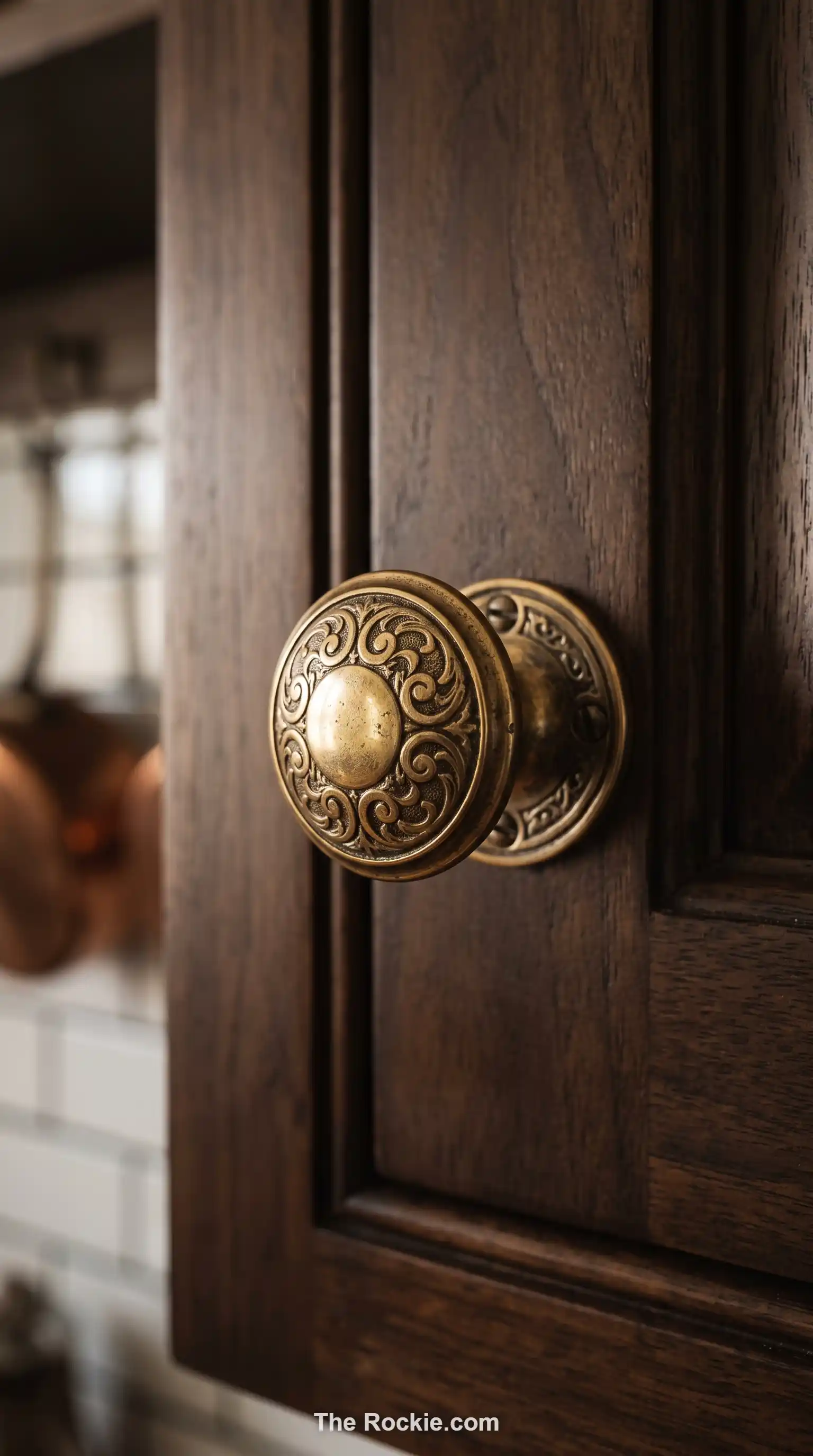
Brass knobs, vintage-style handles, and detailed hinges are small, affordable upgrades that touch every drawer and door in the kitchen. Swapping generic hardware for something with real craftsmanship is one of the highest-impact, lowest-cost changes on this list.
17. Upholstered Seating for Softness
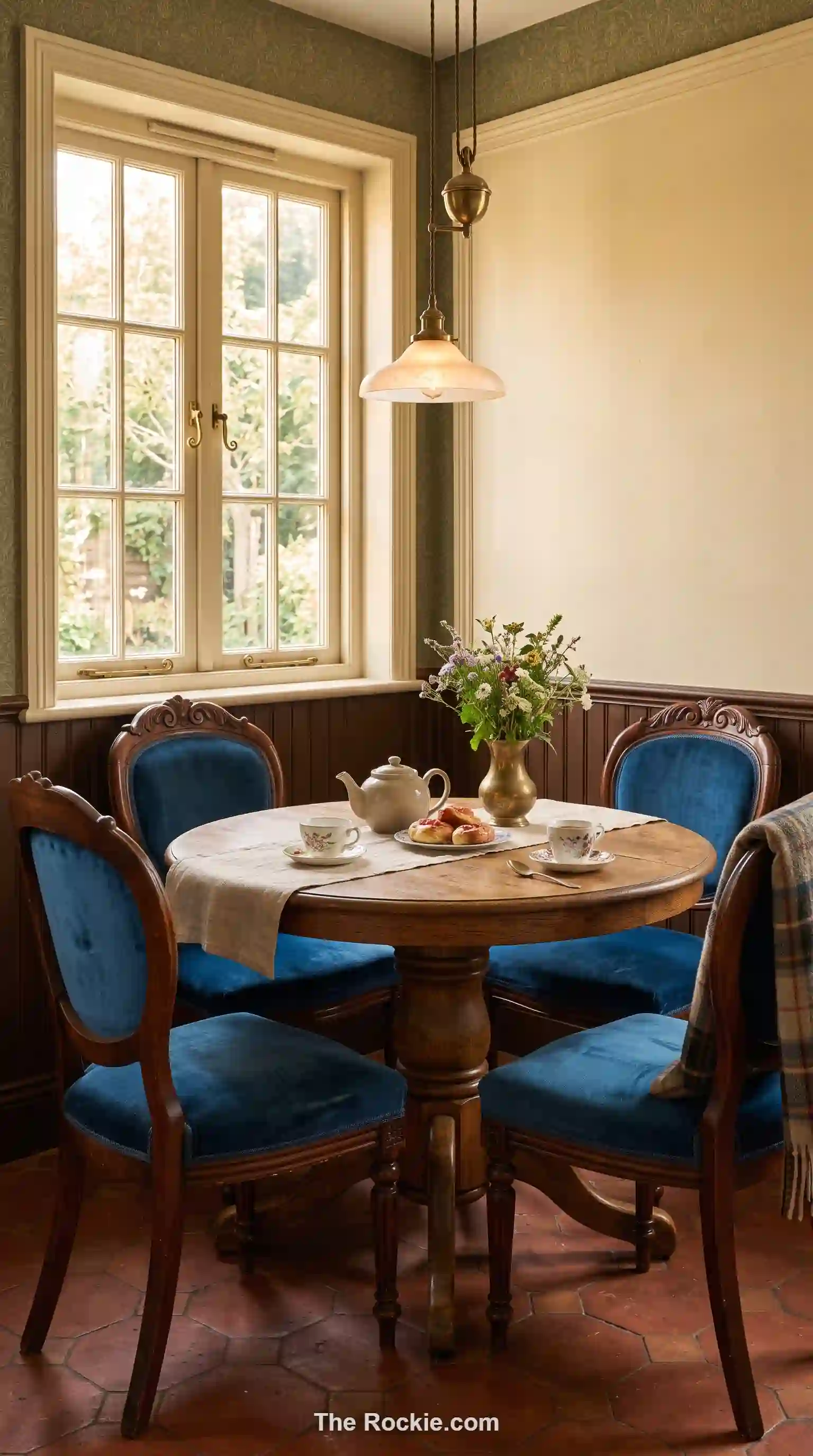
Wood and tile dominate most Victorian kitchens, so upholstered chairs or a banquette bring welcome softness. Rich fabrics in classic patterns add comfort and color without straying from the period’s aesthetic language.
18. A Corner Dedicated to Old-World Cooking
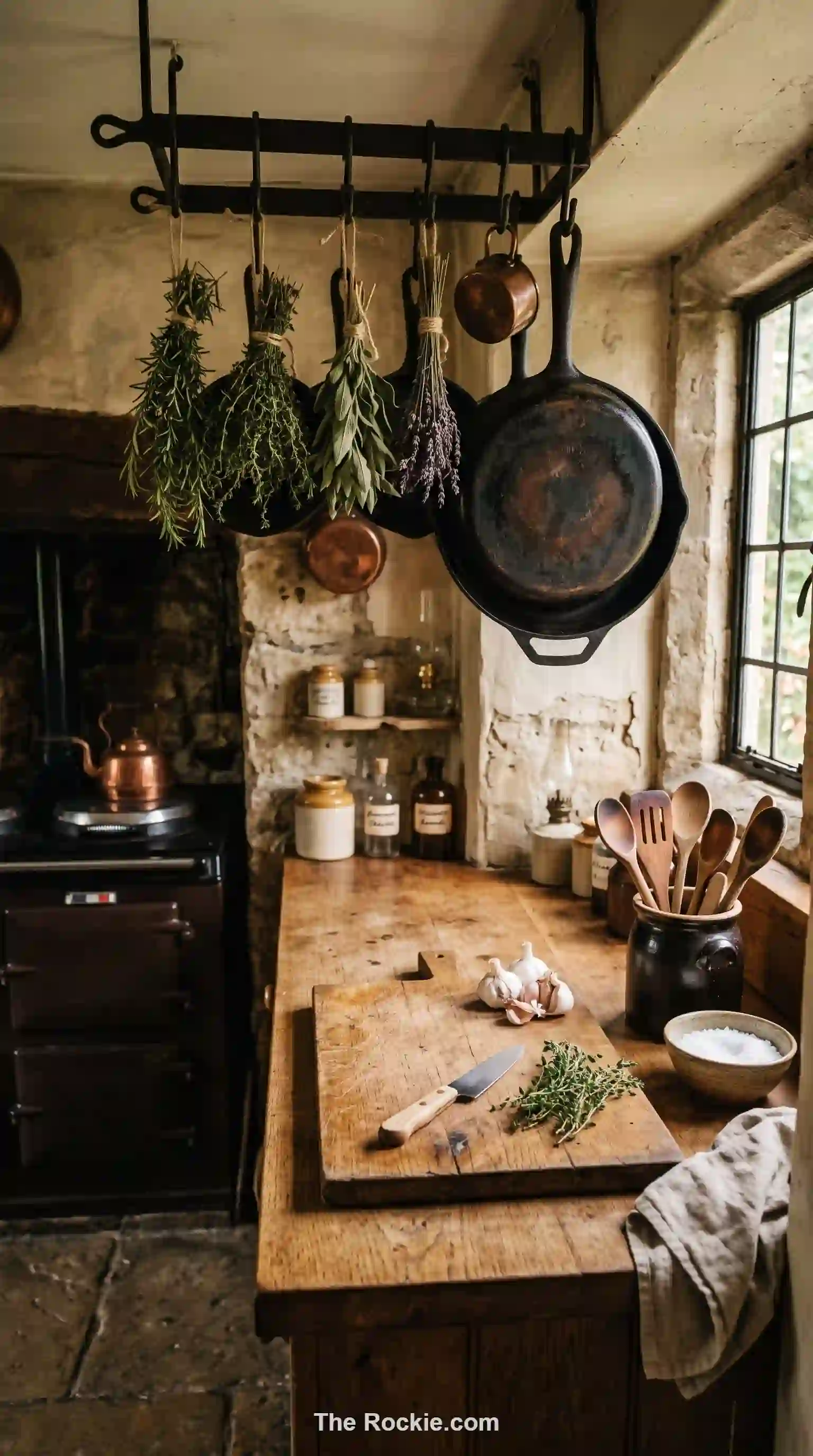
Set aside a small zone — open shelving, cast iron cookware, a butcher block — that leans into slower, traditional cooking methods. It’s less about function and more about atmosphere, a reminder that this kitchen has roots in a different pace of life.
19. Handcrafted Accents in Every Corner
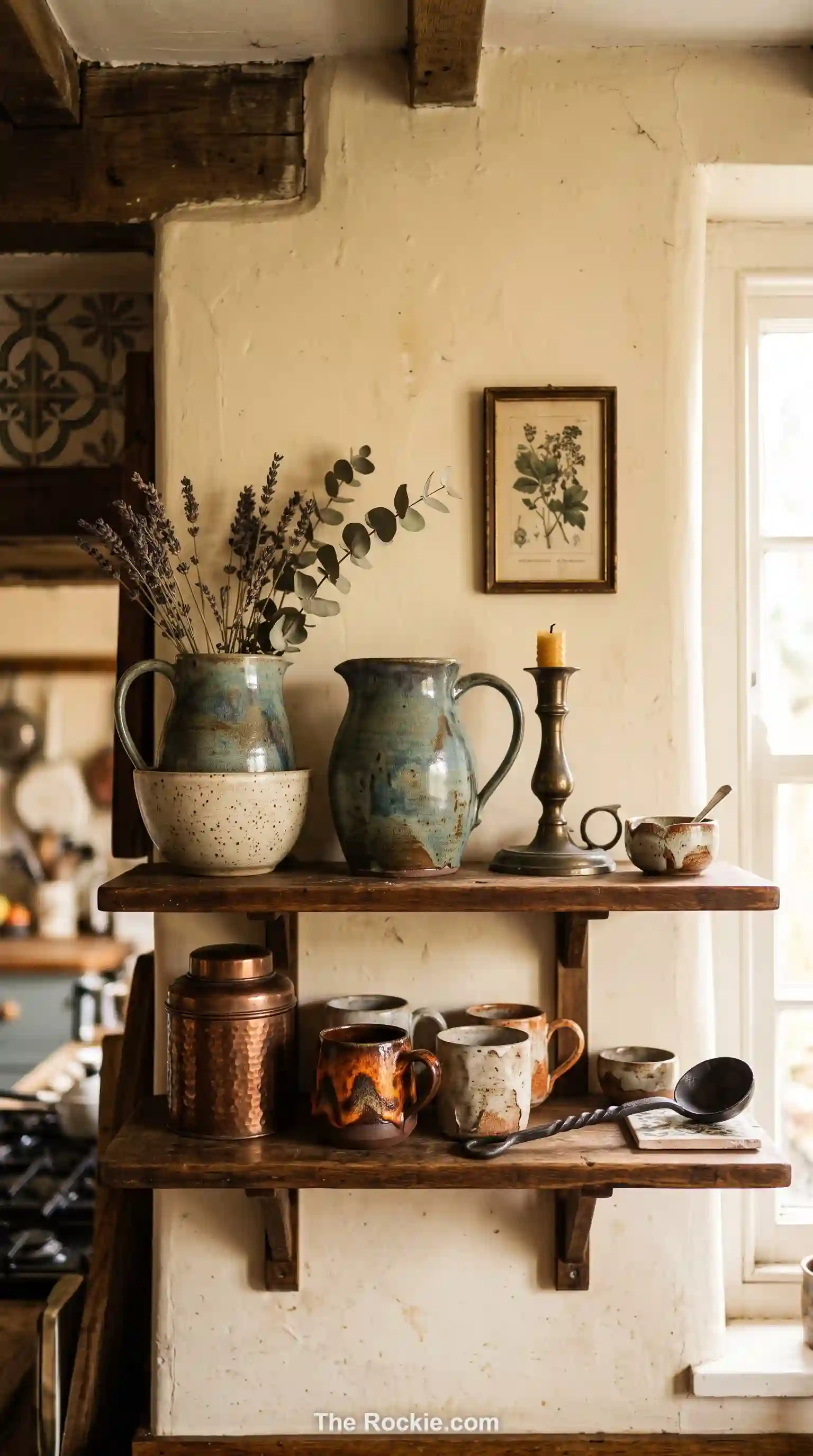
Hand-painted ceramics, wrought metalwork, and small artisanal objects scattered through the space add texture and story without requiring a full renovation. These are the details that make guests stop and ask where something came from.
20. A Nook Built for Slow Mornings
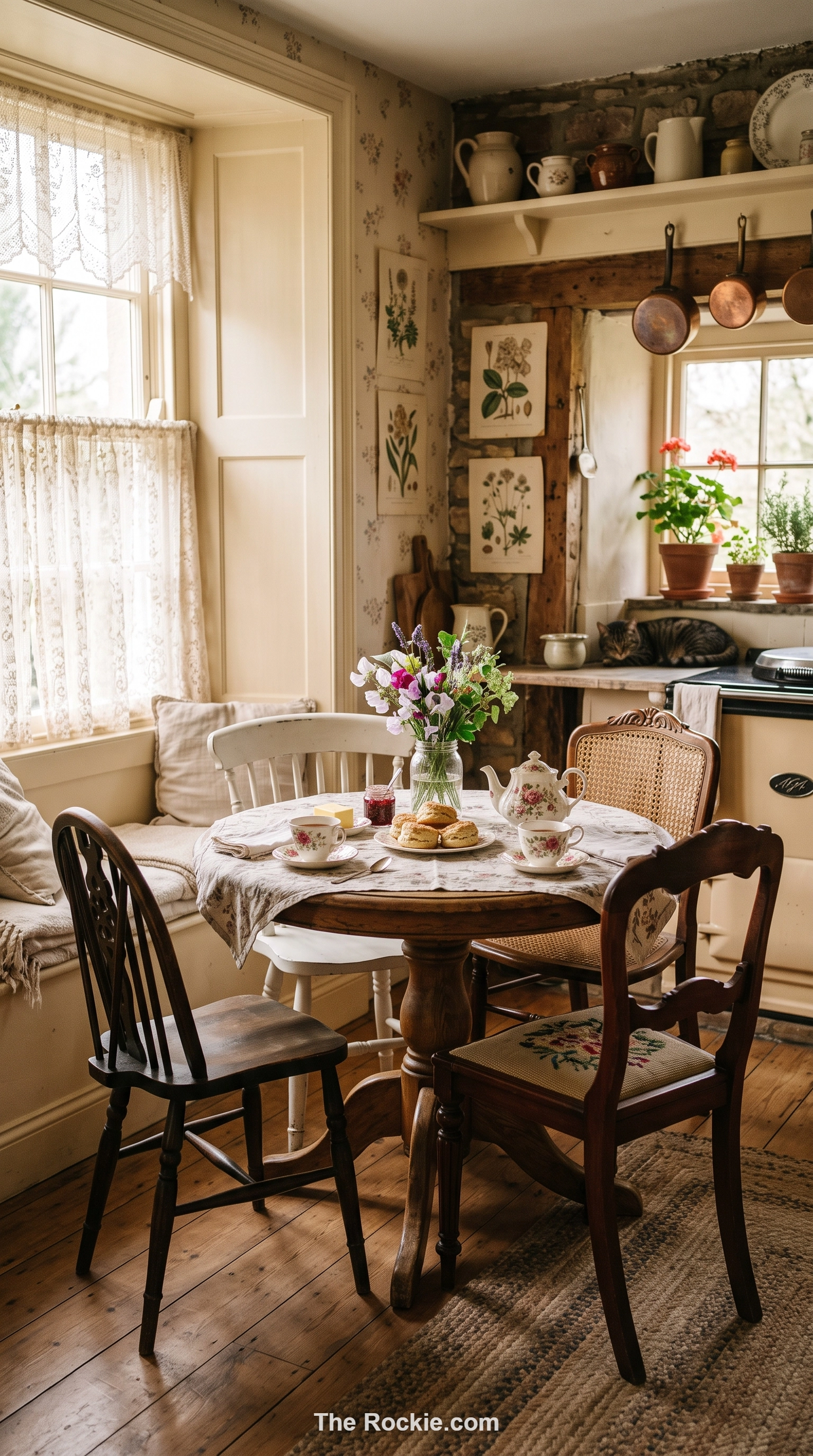
A small dining nook with an antique table and comfortable chairs gives the kitchen a purpose beyond cooking. It’s where the coffee gets poured and the day actually starts — worth designing with the same care as the rest of the room.
21. Natural Materials That Ground the Space
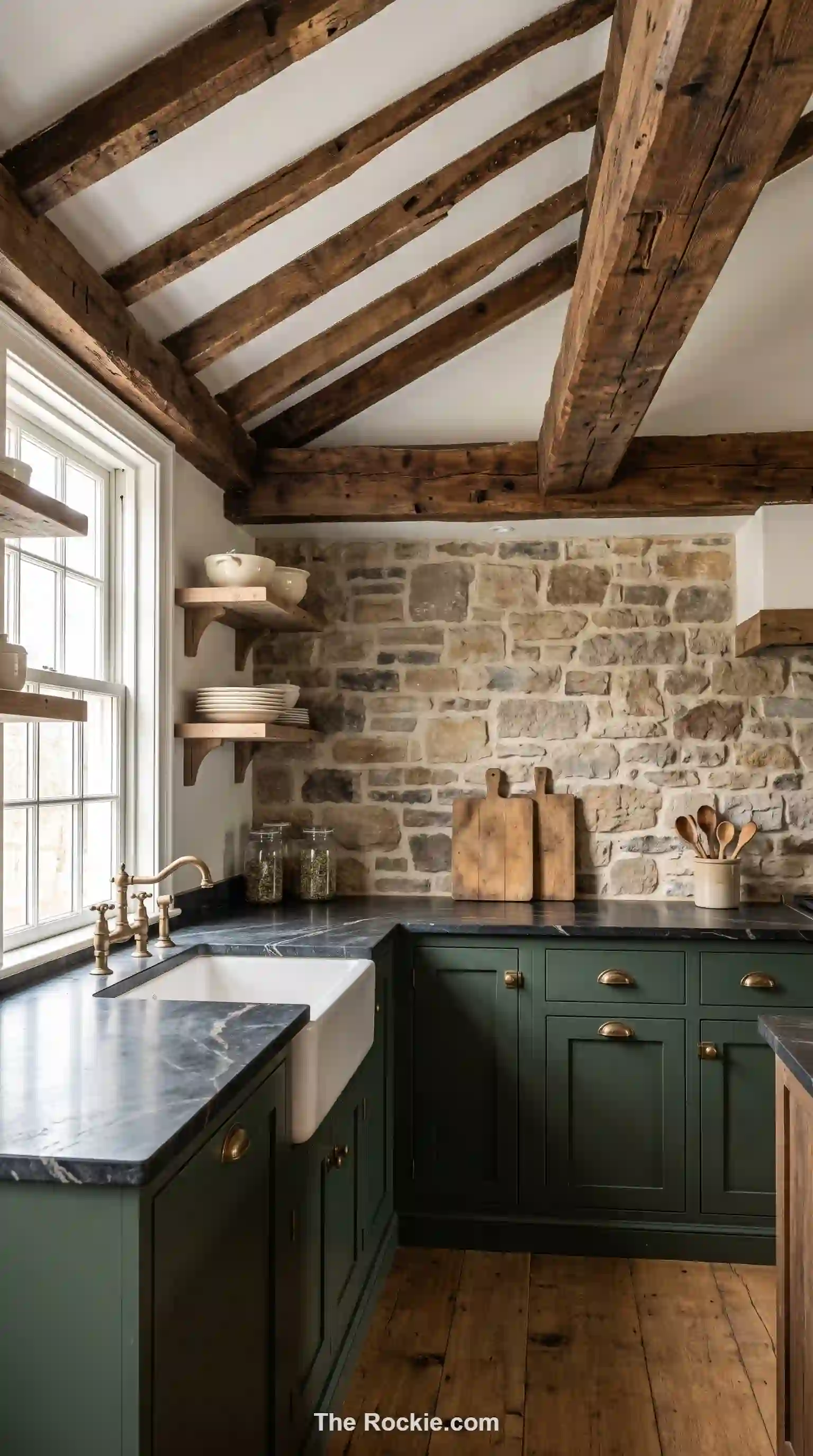
Reclaimed wood beams and vintage stone accents keep an ornate kitchen from feeling too precious. These raw, textured materials balance out the polish of brass and tile with something a little more grounded and organic.
22. Personal Antiques That Make It Yours
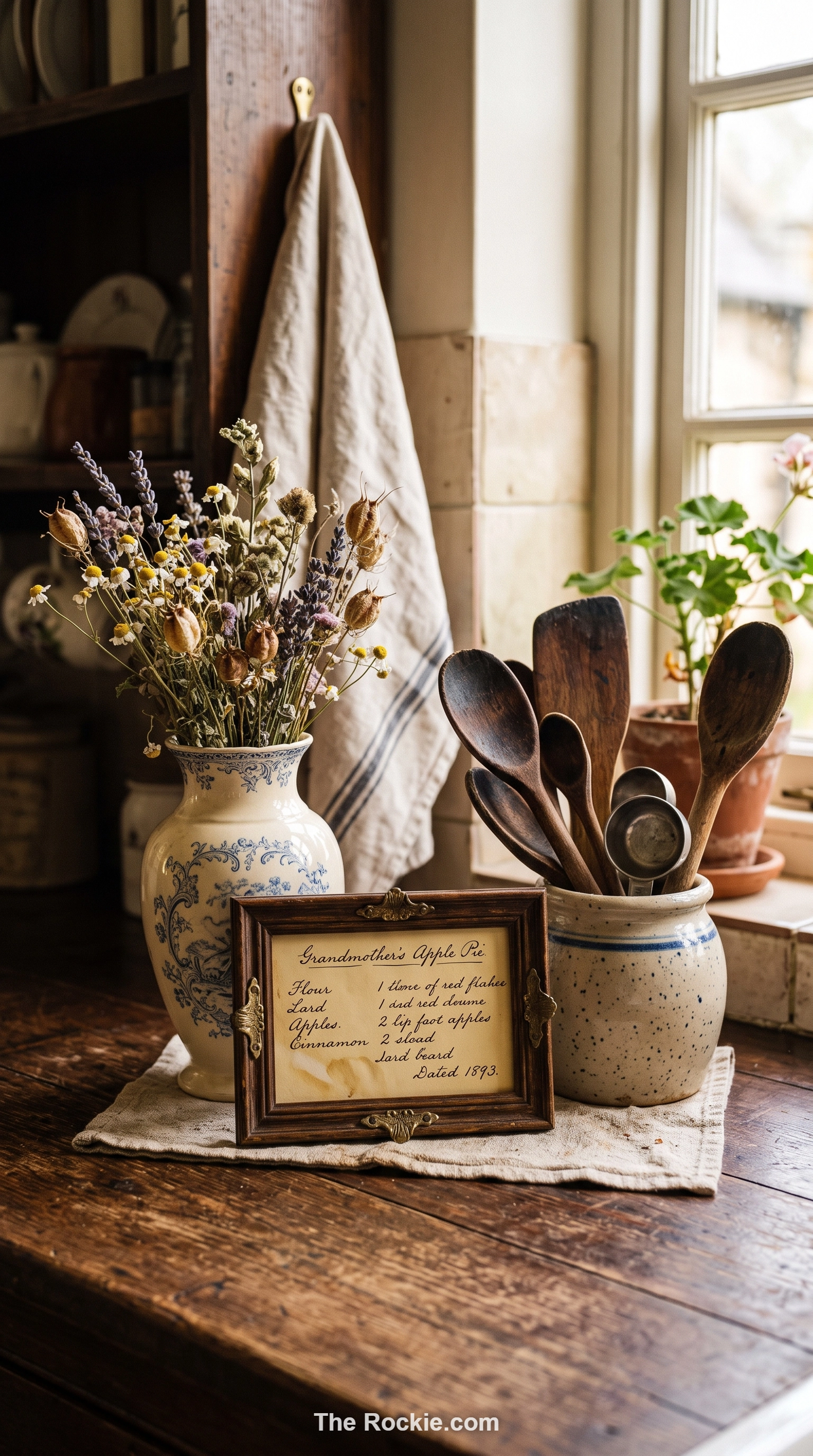
The final layer is always personal — a family recipe framed on the wall, an inherited vase, a set of well-worn utensils. These pieces are what actually make a Victorian kitchen feel authentic rather than staged, because no catalog can replicate a genuine heirloom.
Bringing It All Together
A Victorian kitchen isn’t about recreating a museum exhibit — it’s about borrowing the era’s best instincts for warmth, craftsmanship, and detail, then filtering them through the way people actually live now. Start small if you need to: a lighting swap, new hardware, a bolder wall color. Or go all in with tile, molding, and a hearth that anchors the whole room. Either way, these 22 ideas give you a flexible blueprint for a kitchen that feels rich with history, not stuck in it.


