
21+ Organic Kitchen Design Ideas for a Space That Feels Genuinely Alive

An organic kitchen isn’t really a style so much as a set of decisions — reach for the material that came from the earth instead of a factory, the color that shows up in a forest instead of a paint chart, the appliance that uses less rather than more. None of it needs to feel precious or performative. Done well, it just results in a kitchen that feels calmer to stand in. Here are 22 ways that shows up in real spaces.
1. A Palette Built From Natural Materials
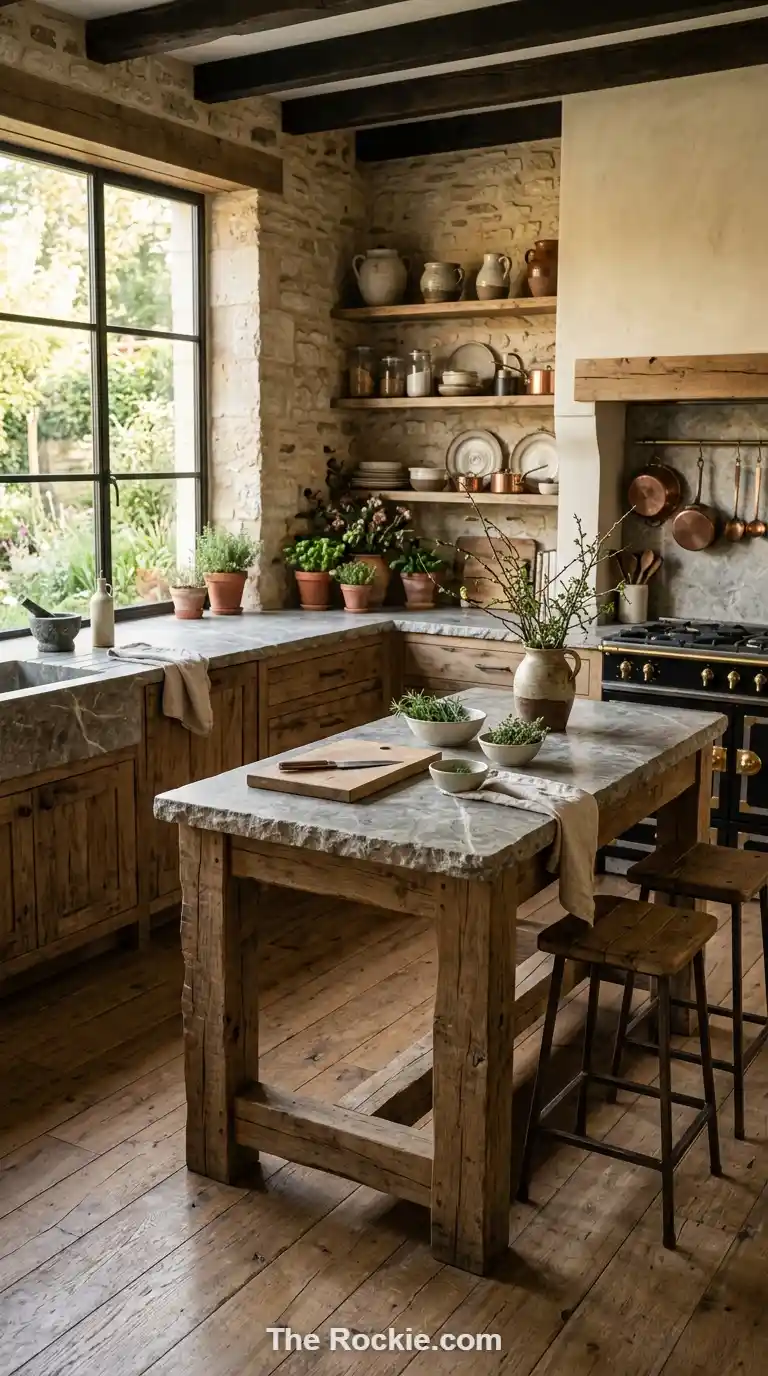
Reclaimed wood, natural stone, and organic fibers bring a tactile quality that manufactured surfaces just can’t fake. Beyond the look, these materials tend to age well rather than just wear out — small imperfections become part of the character instead of a flaw to hide.
2. An Earthy Color Scheme That Actually Calms You Down
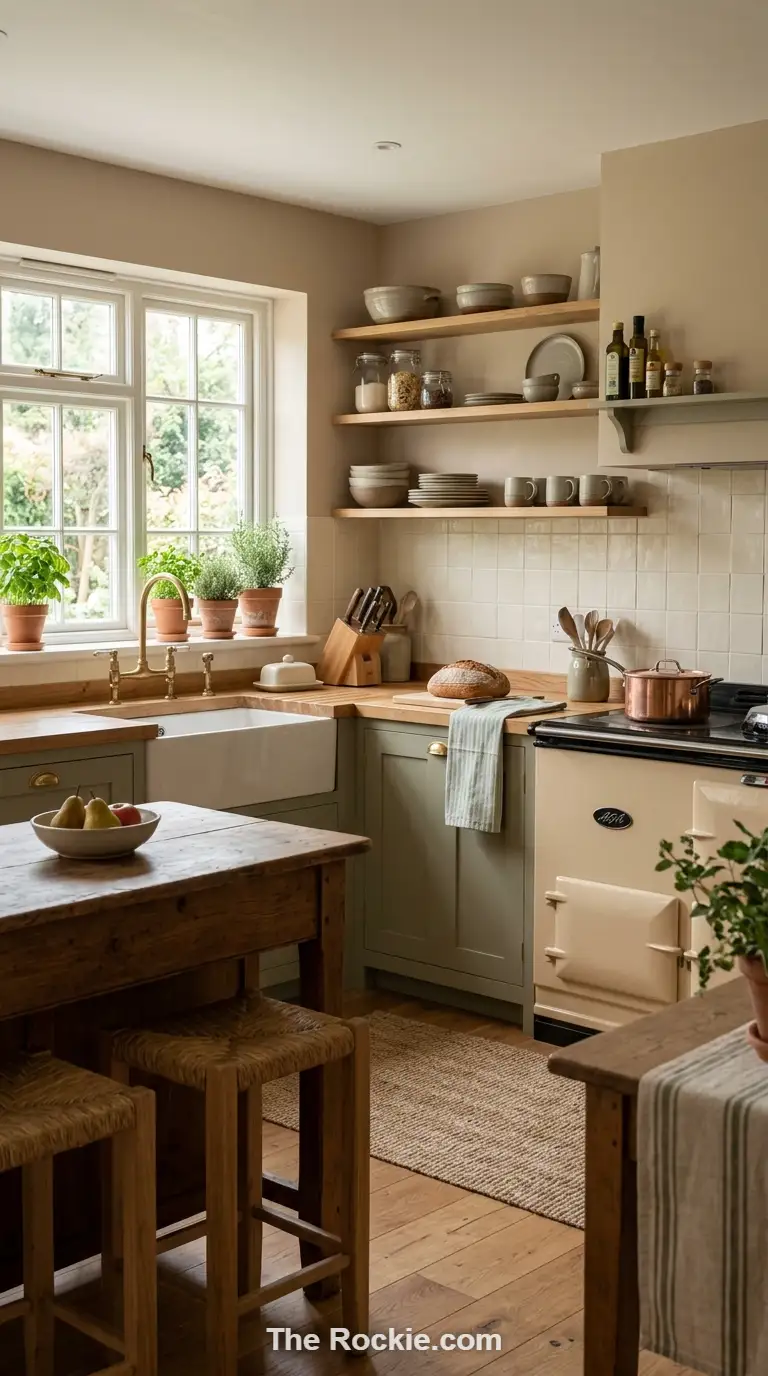
Warm browns, soft greens, and sandy beiges do something a stark white kitchen doesn’t — they echo colors your eye already associates with being outdoors. Paired with natural materials, this palette tends to make a kitchen feel more like a retreat than a workspace.
3. An Indoor Garden That Earns Its Counter Space
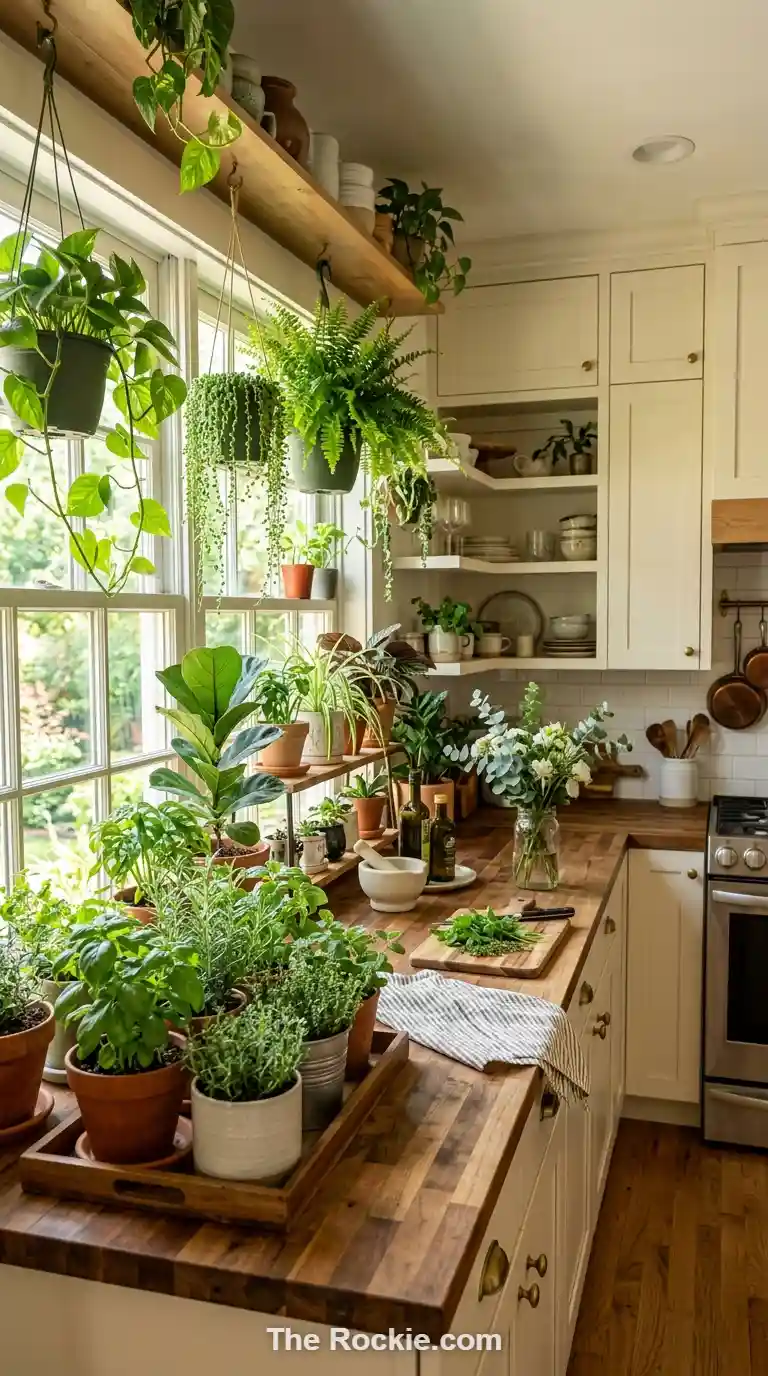
Potted herbs and a few small indoor trees do more than decorate — they improve air quality and put fresh ingredients within arm’s reach while cooking. It’s one of the few design choices that’s genuinely functional and visually softening at the same time.
4. Energy Efficiency Woven Into the Design
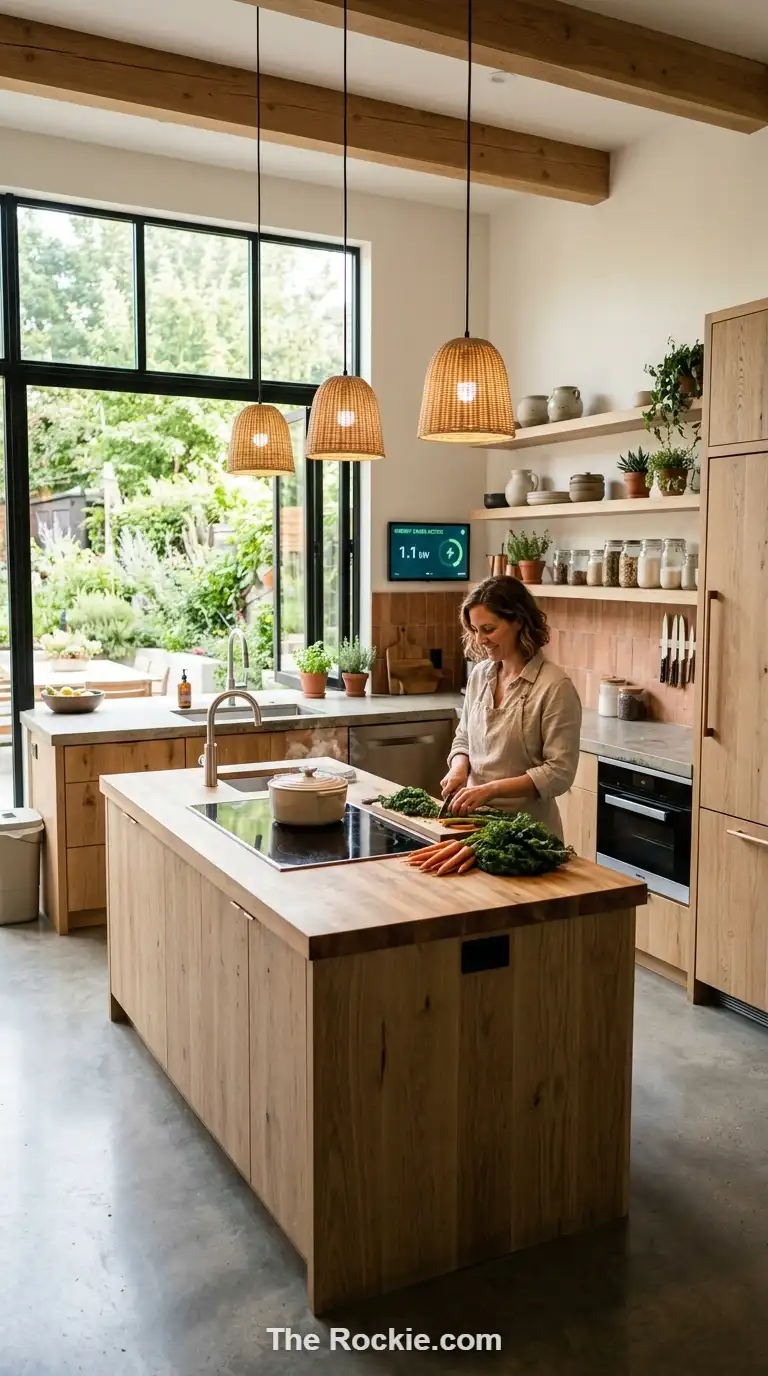
LED fixtures, Energy Star appliances, and smart ventilation cut your footprint without asking you to sacrifice how the kitchen looks or feels. It’s proof that the eco-conscious choice and the good-looking choice aren’t usually in conflict — they’re often the same one.
5. Eco-Friendly Appliances That Don’t Look the Part
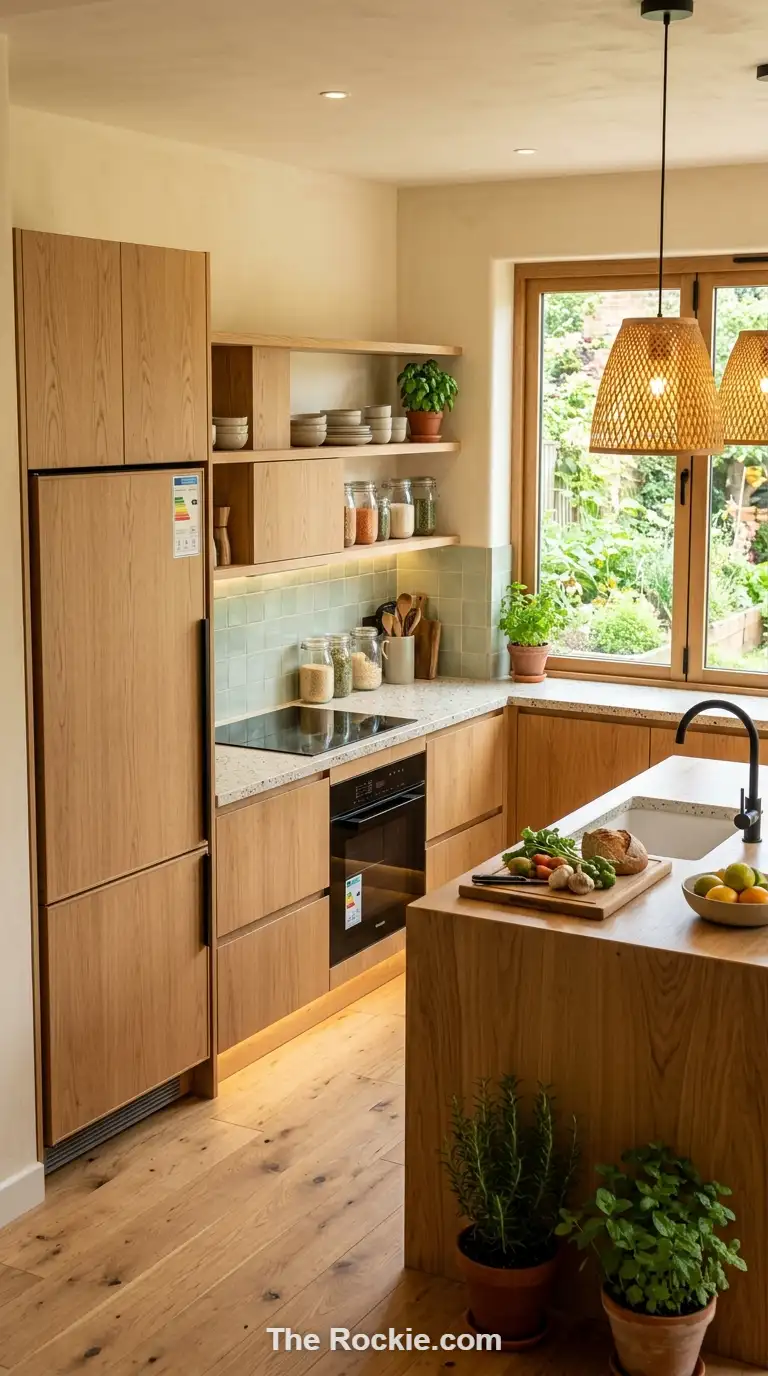
Green-rated refrigerators, ovens, and dishwashers now come finished well enough to blend seamlessly into a natural material palette instead of sticking out as the obviously “efficient” option. You get lower energy use without the kitchen looking like it’s making a point about it.
6. Open Shelving in Real Wood
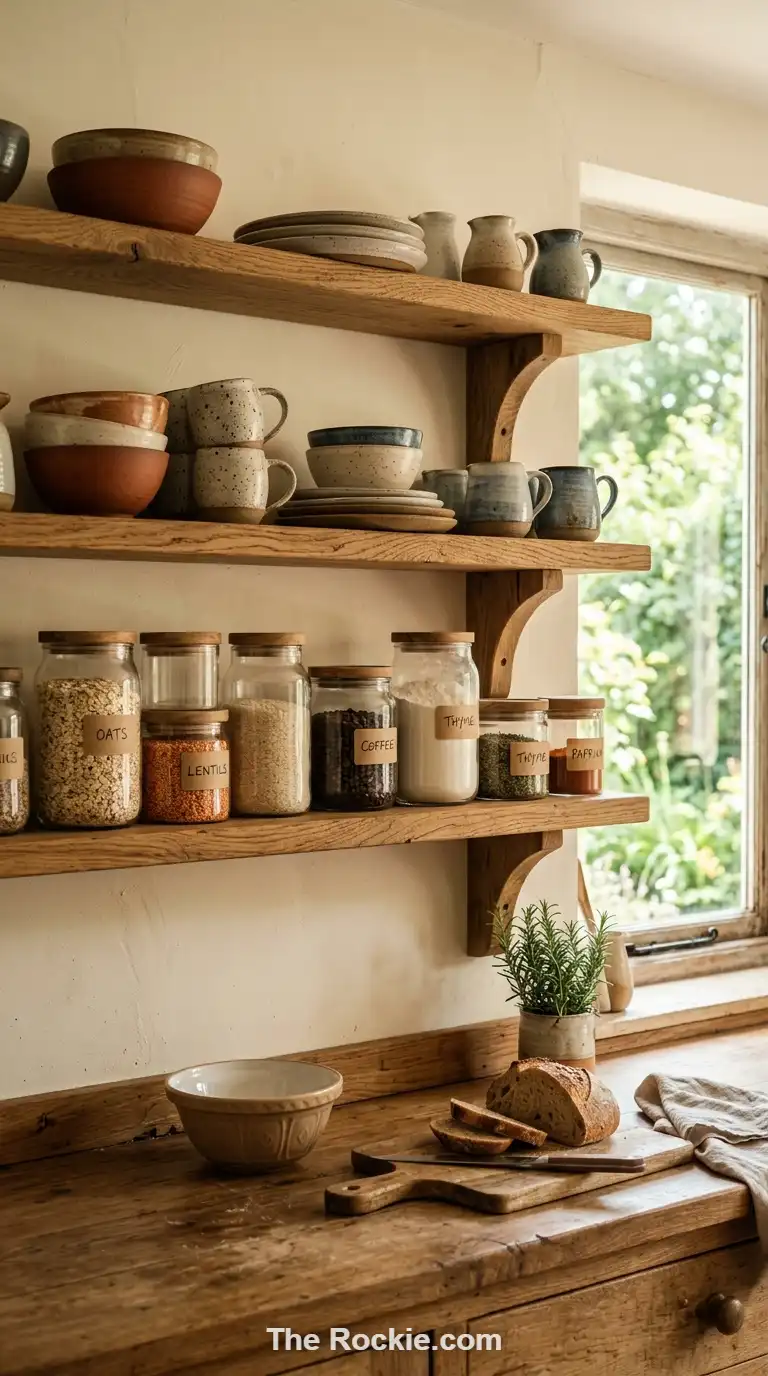
Wood shelving left open rather than boxed behind cabinet doors lets natural grain and texture do a lot of the room’s visual work. It’s an easy, low-cost way to display organic crockery and glass jars while keeping the whole kitchen feeling more connected to natural materials.
7. Reclaimed Materials With Actual History
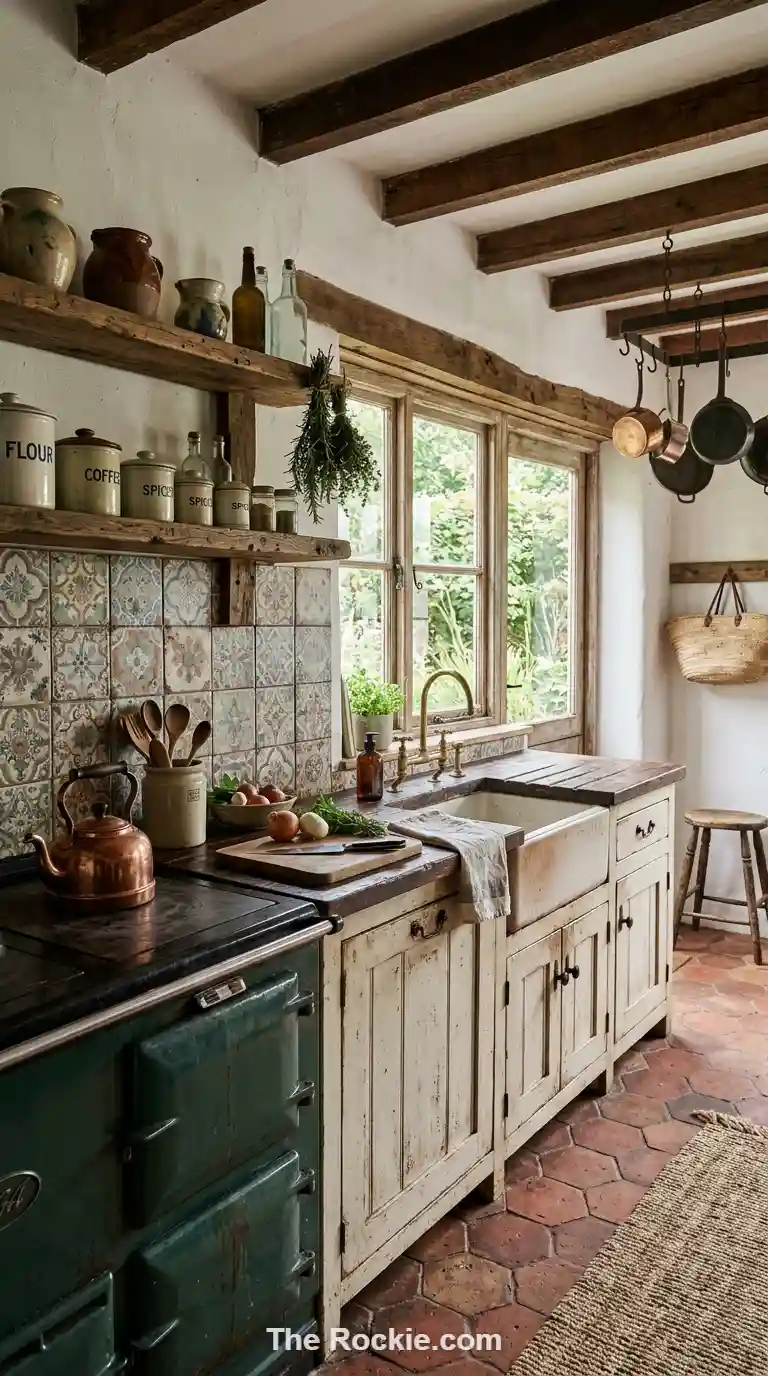
Salvaged wood, upcycled metal fixtures, and vintage tiles bring a character that new materials simply don’t have — each piece carries some prior life with it. It’s also one of the more genuinely sustainable choices on this list, since it’s reusing rather than manufacturing from scratch.
8. Lighting Fixtures Made From Natural Materials
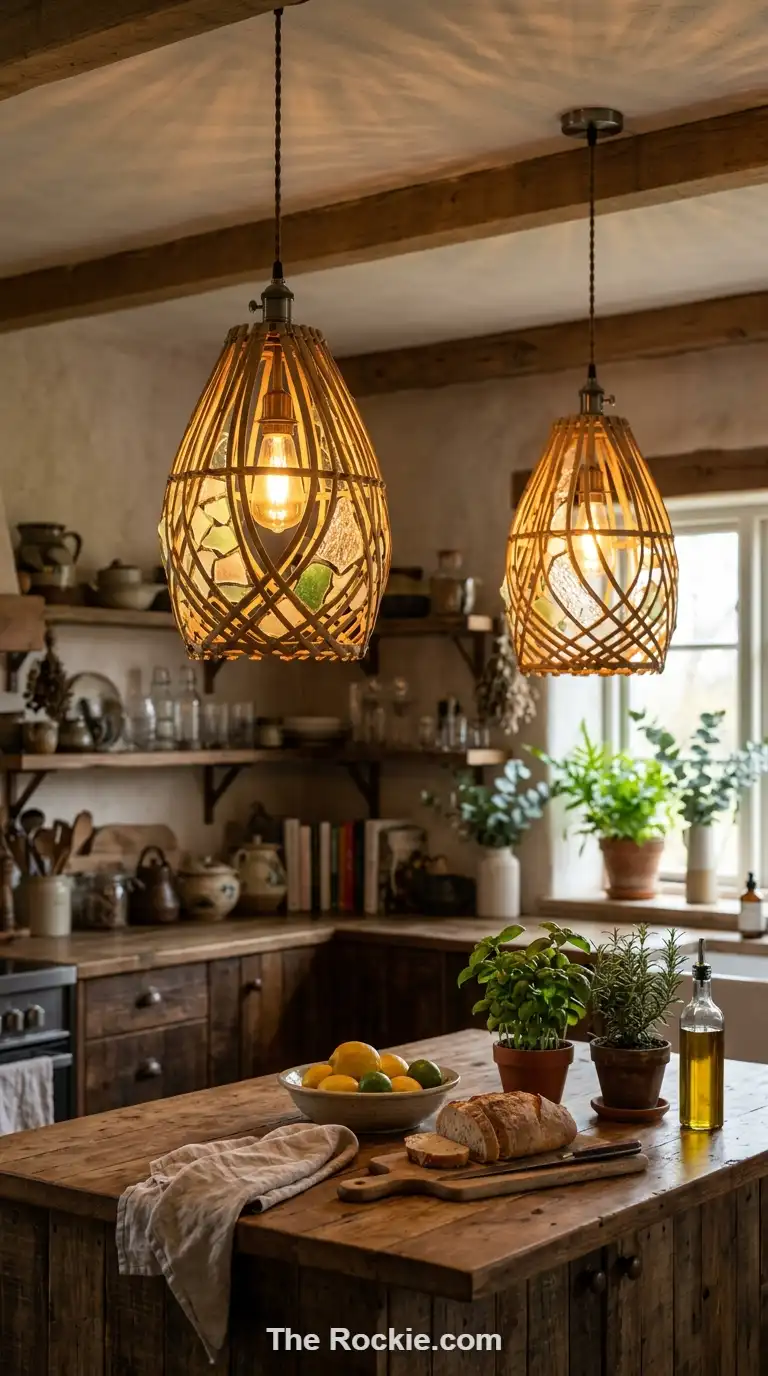
Bamboo or recycled-glass light fixtures paired with warm ambient bulbs do more than illuminate — they add texture even when the lights are off. It’s a detail that ties the whole room’s material story together, right up to the ceiling.
9. Minimalism That Still Feels Warm
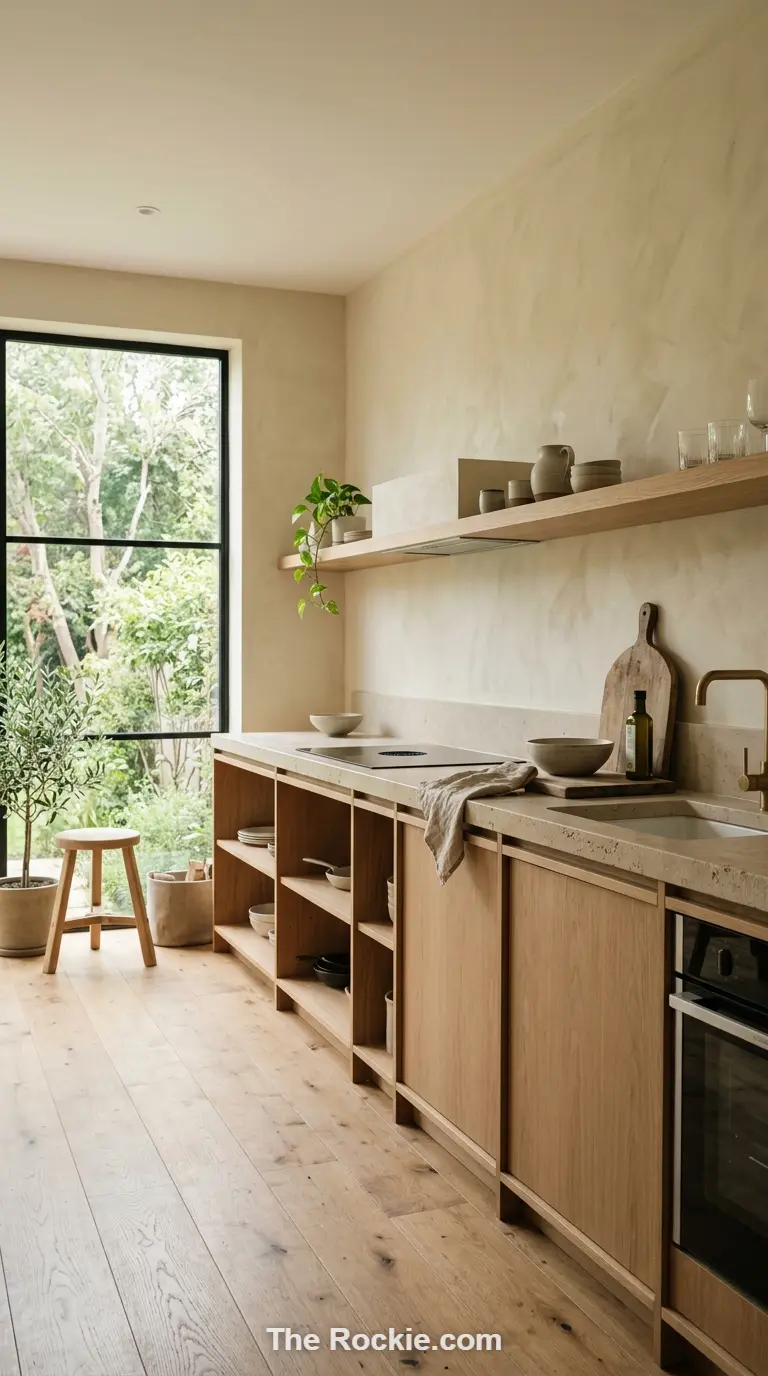
Clean lines and open space don’t have to mean cold or clinical — pairing minimalist layout choices with natural materials and neutral tones keeps the room feeling calm rather than sparse. Every piece left in the room has to earn its place, which is really the whole point.
10. Handcrafted Details With Real Character
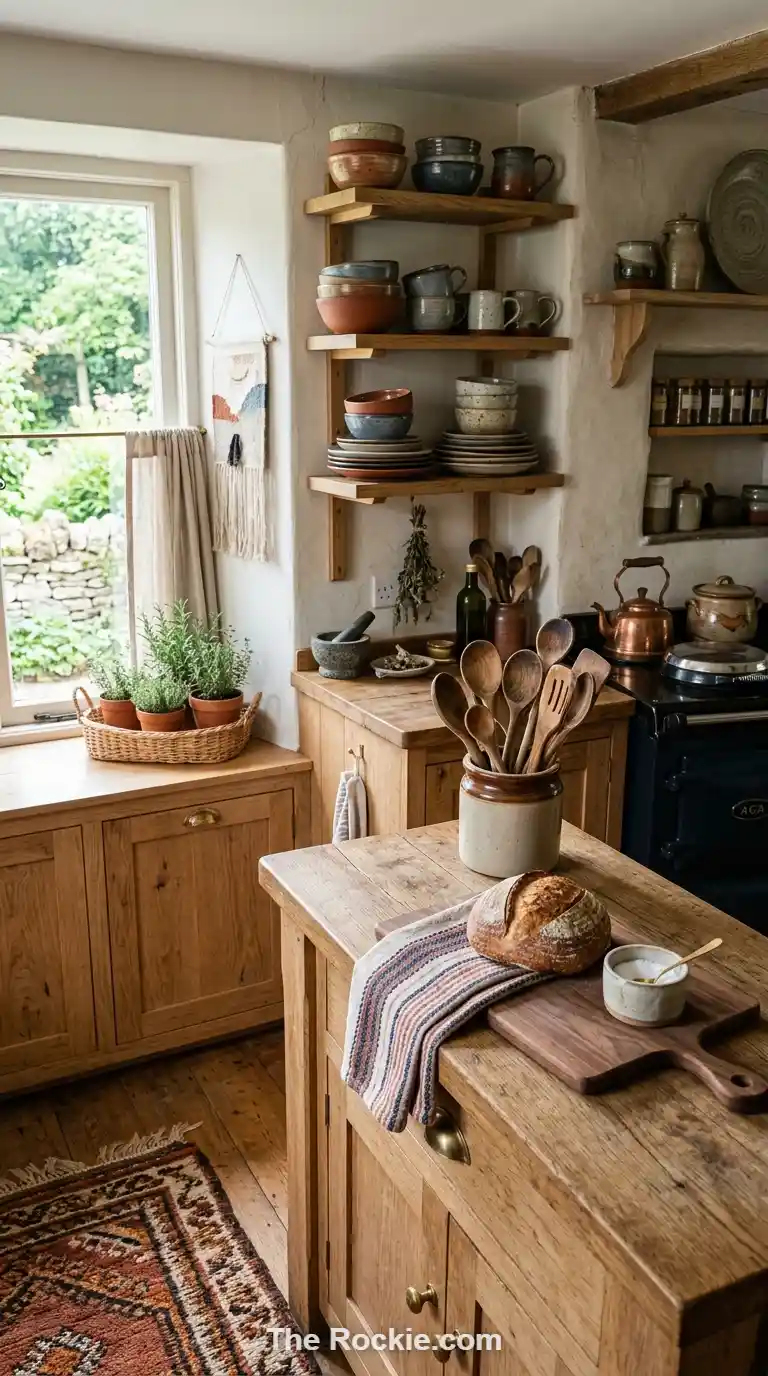
Hand-thrown pottery, custom wooden utensils, and woven textiles bring a level of individuality that mass-produced decor can’t match. These pieces double as functional items and conversation starters, which is a nice trick for a kitchen to pull off.
11. A Built-In Herb Garden Within Reach
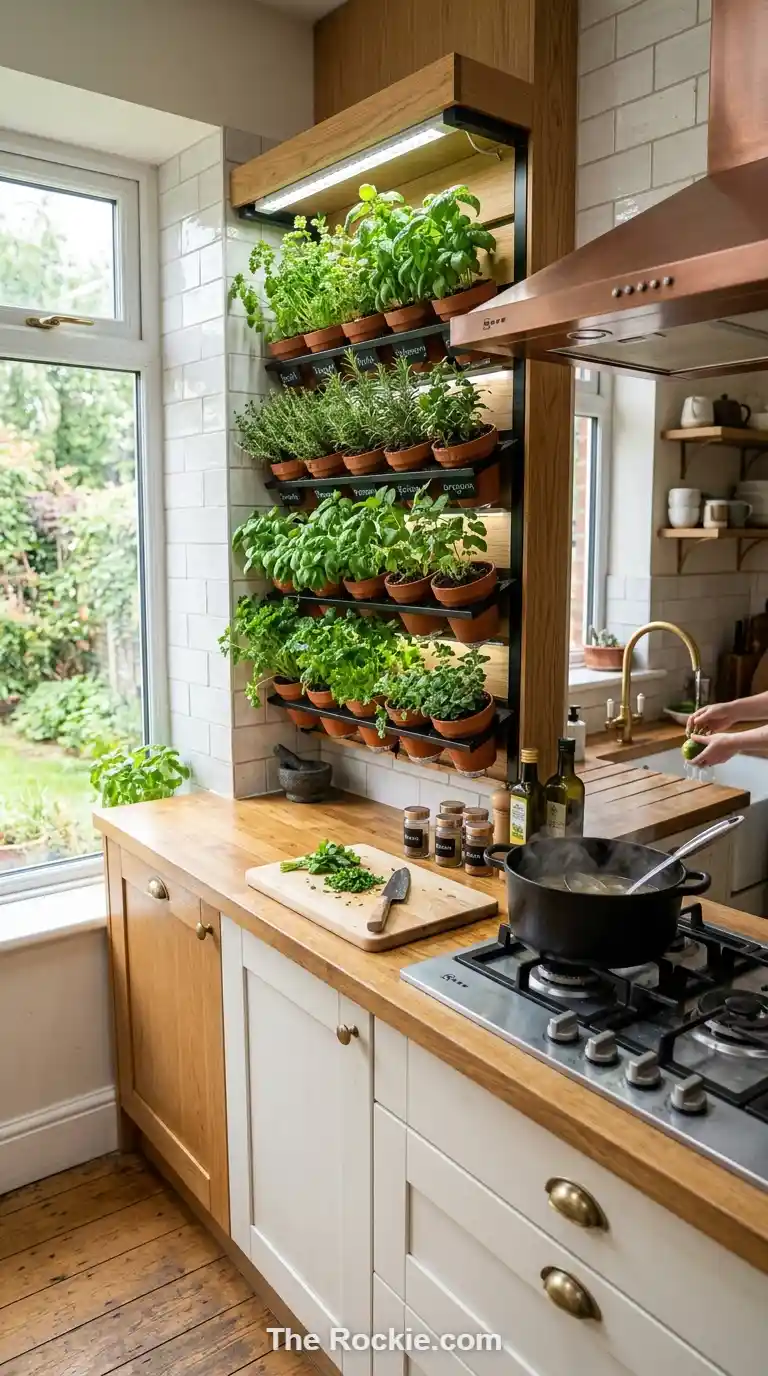
Compact planters or a small vertical garden put fresh basil, mint, or rosemary literally at hand while cooking. Beyond the convenience, it keeps a bit of visible green life in the room daily, not just on the days you remember to buy fresh herbs.
12. Water Efficiency That’s Actually Invisible
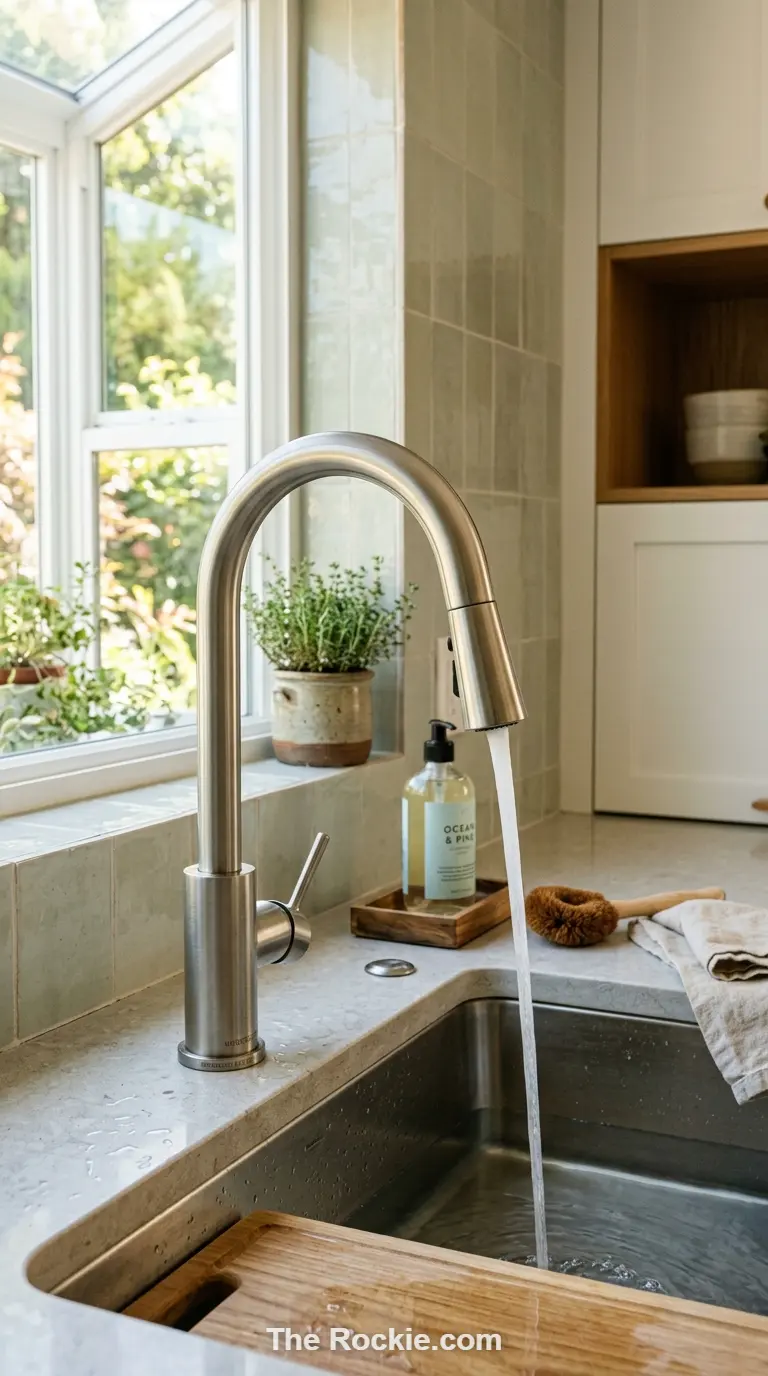
Low-flow faucets and smart leak detectors conserve water without changing how the kitchen looks or feels to use day to day. It’s the kind of upgrade nobody notices until you mention it, which is honestly the best kind.
13. Cooking Tools That Lean Into Tradition
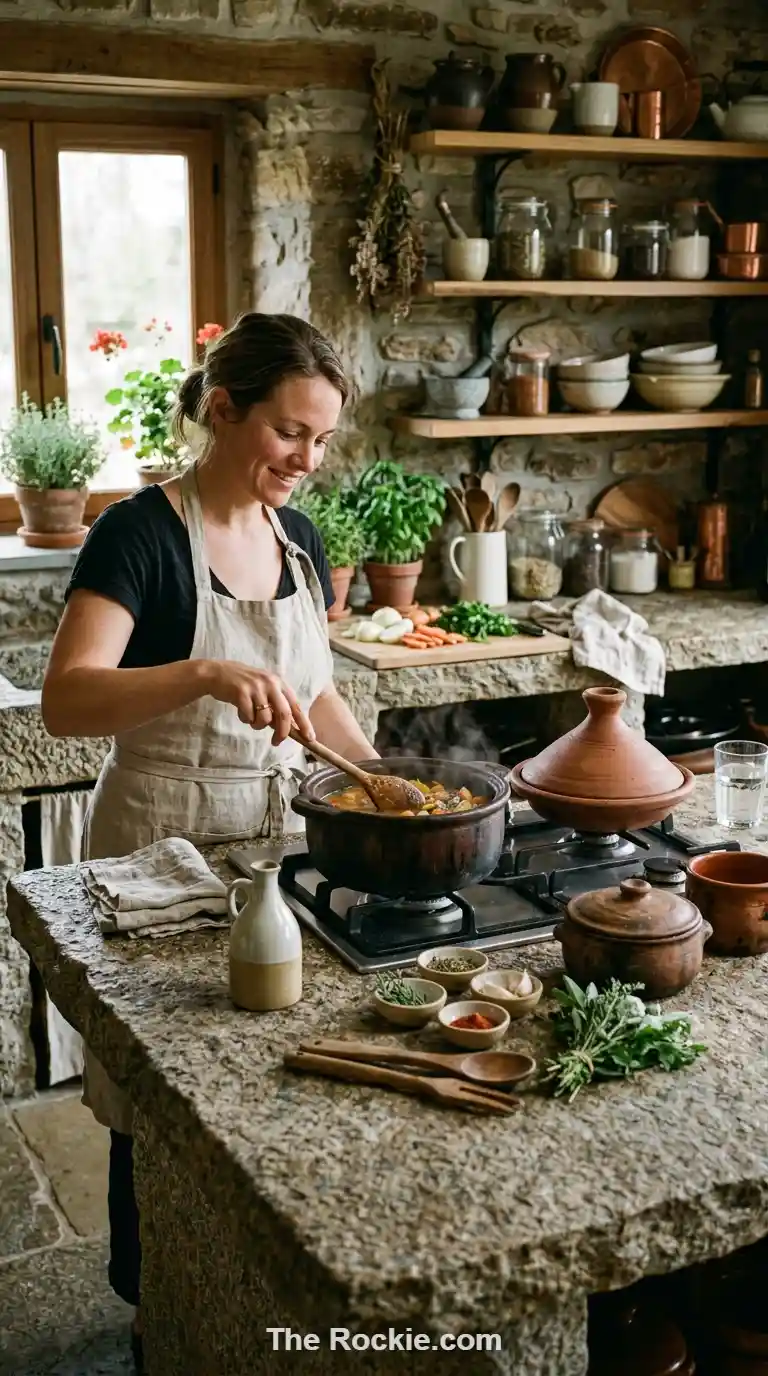
Clay cookware, stone countertops, and the occasional wood-fired element bring a rustic, hands-on quality to the cooking process itself, not just the room’s decor. It’s a nod to older methods that also happens to look and feel warmer than an all-stainless setup.
14. Storage That Doubles as Decor
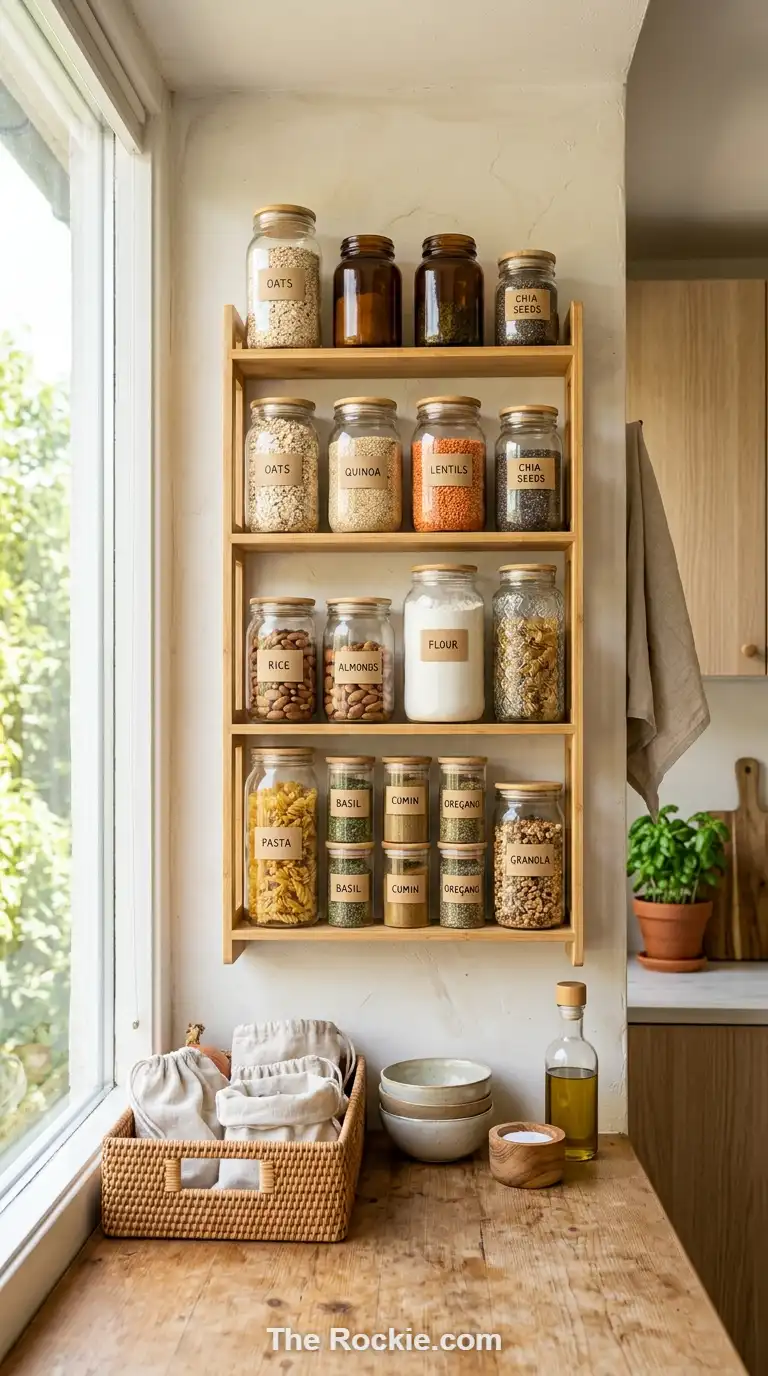
Recycled glass jars, bamboo racks, and reclaimed-wood shelving keep the kitchen organized while staying visually in line with the rest of the natural material palette. It’s a good reminder that sustainable storage doesn’t have to mean hiding everything behind closed doors.
15. Flooring That Feels Warm Underfoot
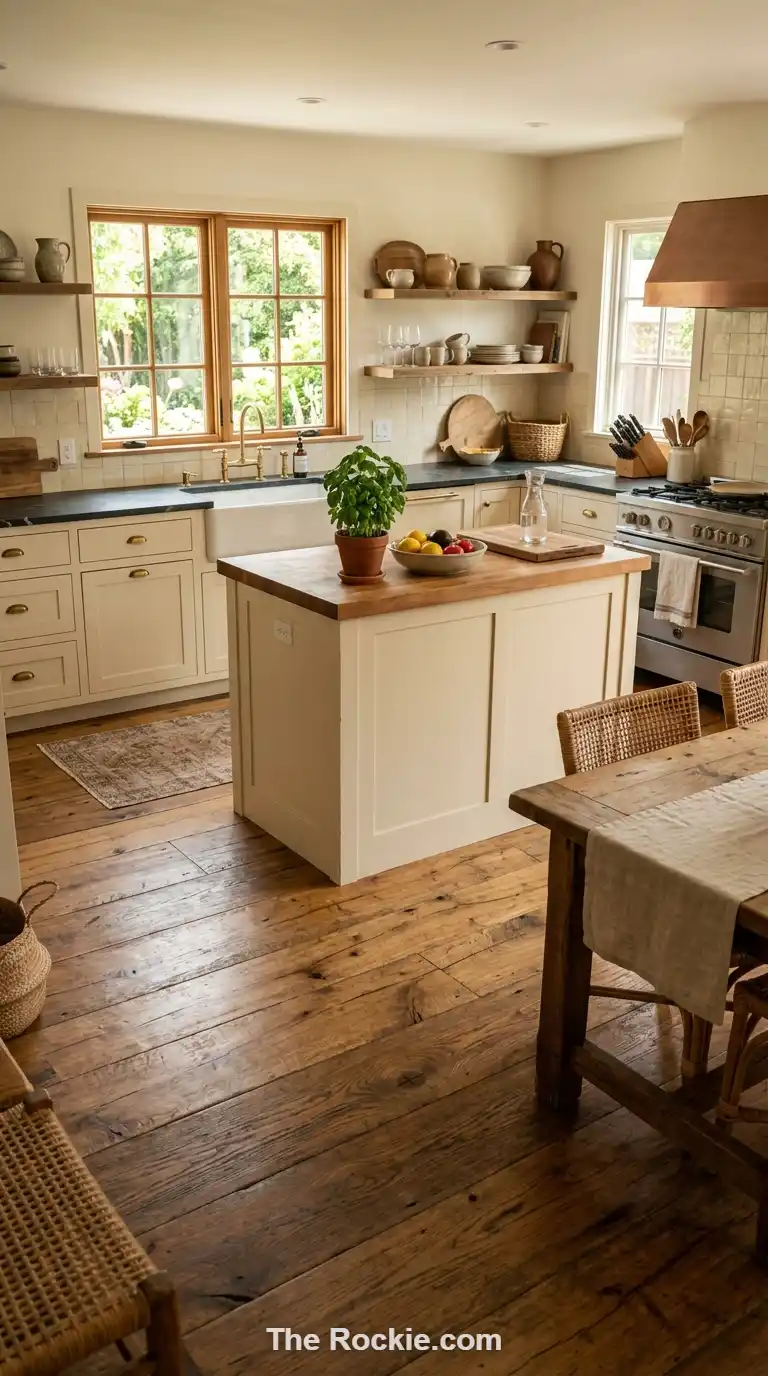
Reclaimed hardwood, bamboo, or cork bring both durability and a natural texture that vinyl or tile can’t quite replicate. Non-toxic finishes keep indoor air quality in check too, which matters more in a kitchen than almost any other room in the house.
16. Fixtures With a Maker’s Touch
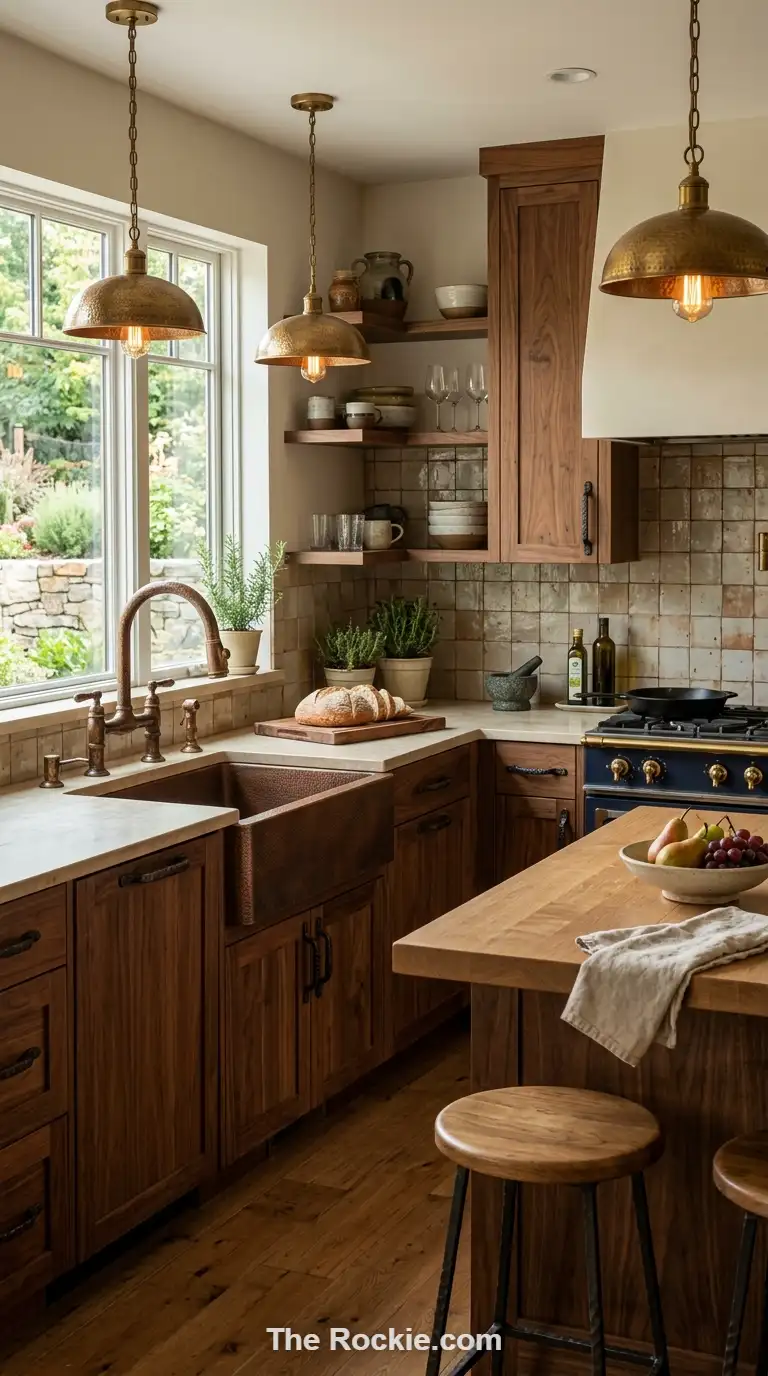
Hand-forged handles, custom faucets, and locally crafted lighting connect the kitchen to actual craftsmanship rather than a catalog. These small details are often what people notice and comment on first, even in a room full of bigger design choices.
17. Biophilic Touches That Do More Than Look Nice
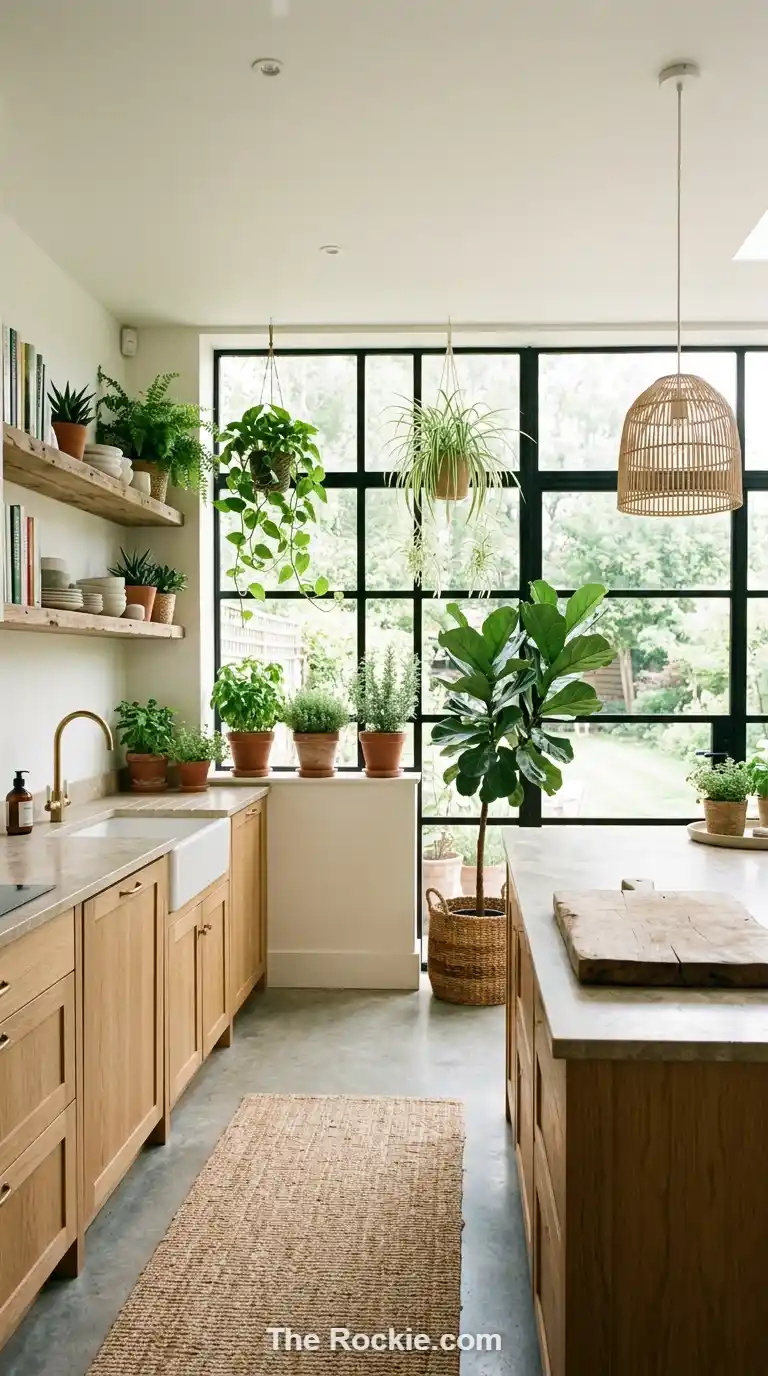
Large windows, organic patterns, and generous plant life aren’t just aesthetic choices — there’s real research behind how much exposure to natural elements affects mood and focus. In a kitchen, that translates to a room that just feels easier to spend time in.
18. Countertops That Bring the Outdoors In
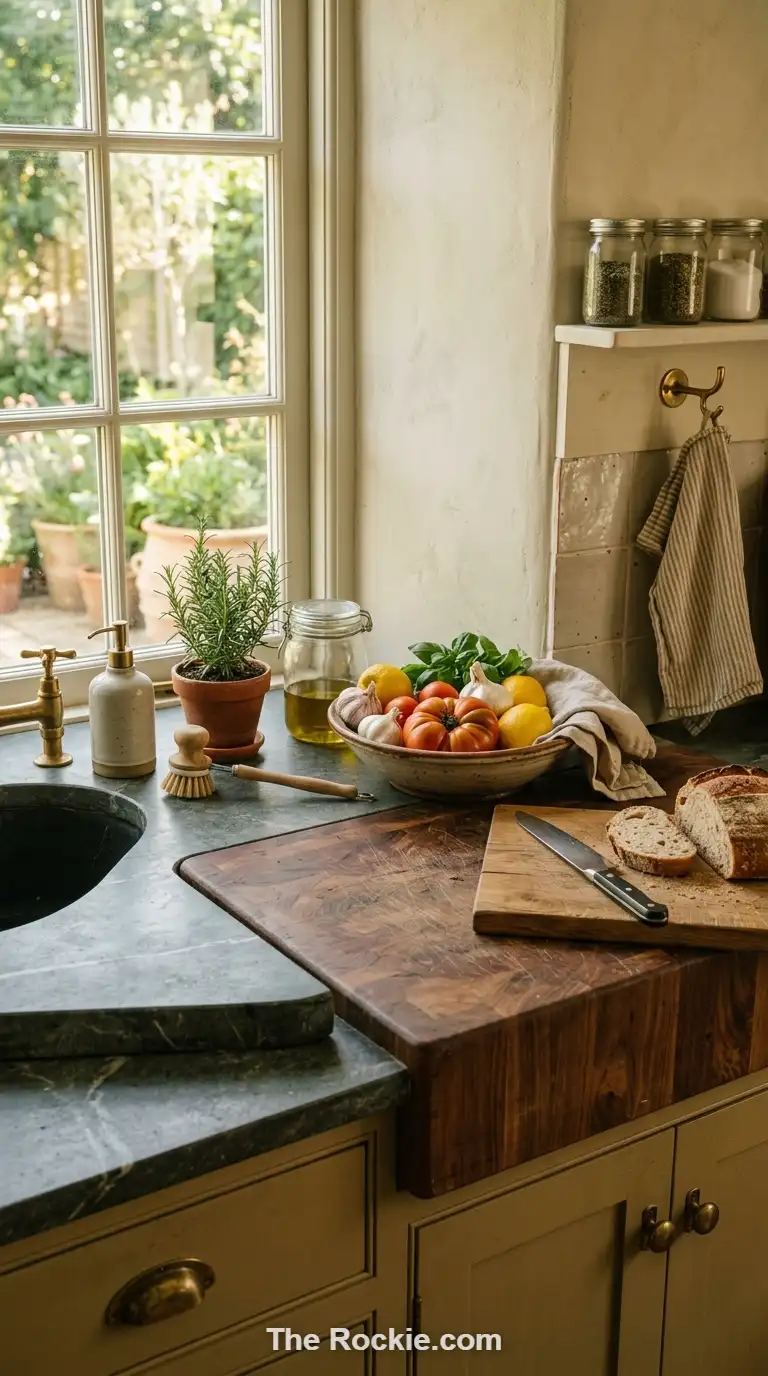
Recycled glass, butcher block, and natural stone all carry visible texture and variation that manufactured surfaces smooth away. They’re durable enough for daily cooking while giving the kitchen a surface that looks like it came from somewhere, not a factory line.
19. A Backsplash With Some Actual Texture
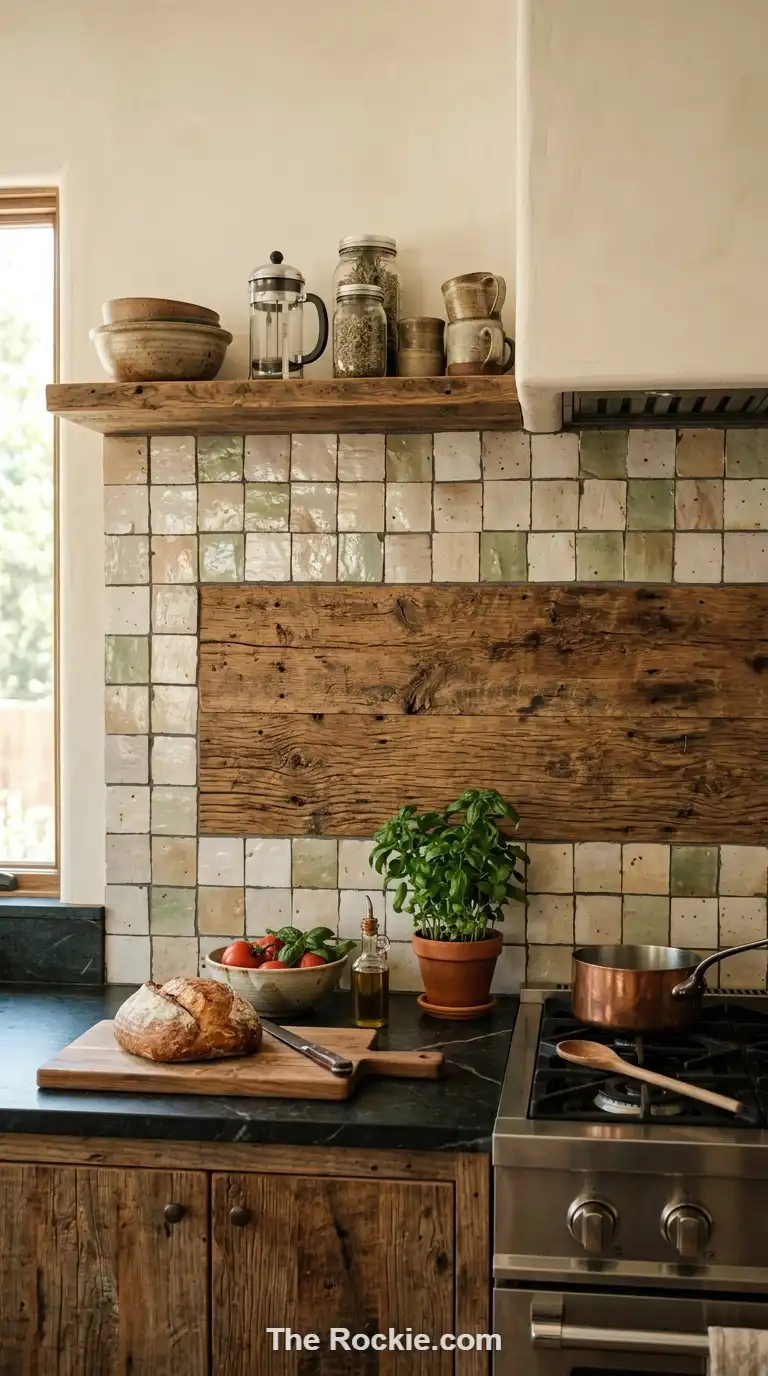
Reclaimed wood panels or hand-painted natural motifs bring more visual interest to a backsplash than a standard subway tile, without breaking from the kitchen’s overall material story. It’s a good spot to add a bit of craft without overwhelming the room.
20. Furniture That’s Honest About Where It Came From
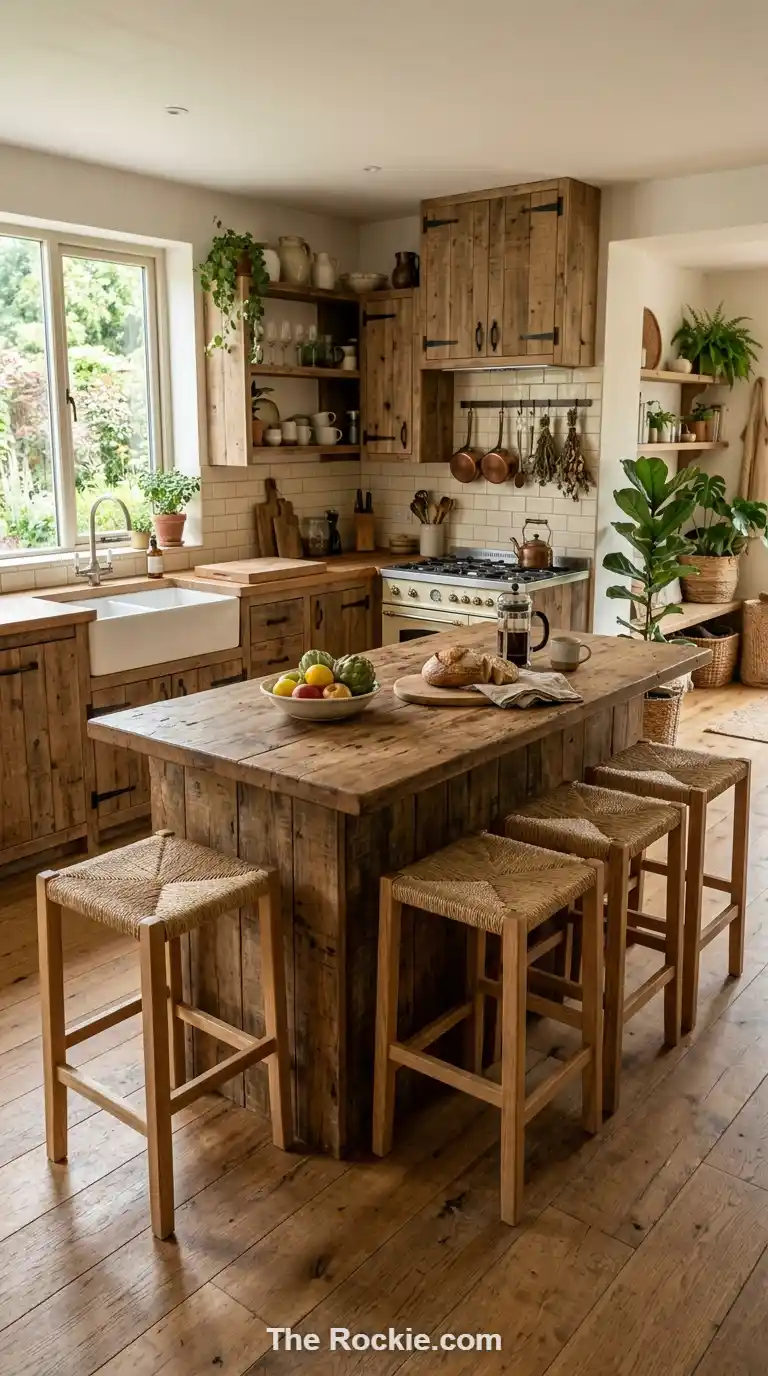
Reclaimed wood or sustainably sourced tables and chairs bring resilience and warmth in a way that mass-manufactured furniture usually can’t match. It’s a chance to make even the functional pieces of the kitchen part of its overall story.
21. A Layout That Actually Follows Natural Flow
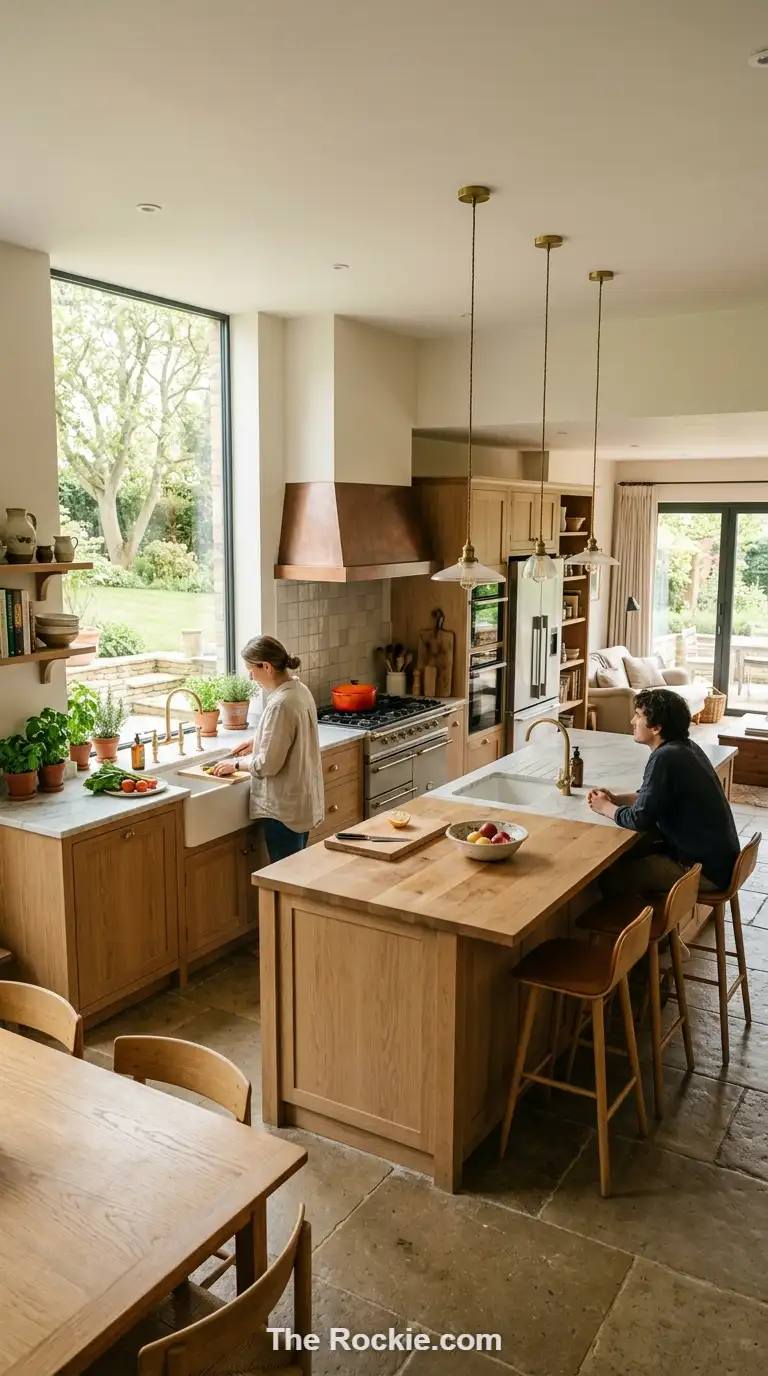
Prioritizing natural light, easy movement, and efficient work zones — rather than just fitting appliances wherever they’ll go — makes the whole kitchen feel more considered. It’s the layer of the design people feel more than they consciously notice.
22. Smart Tech That Stays Out of the Way
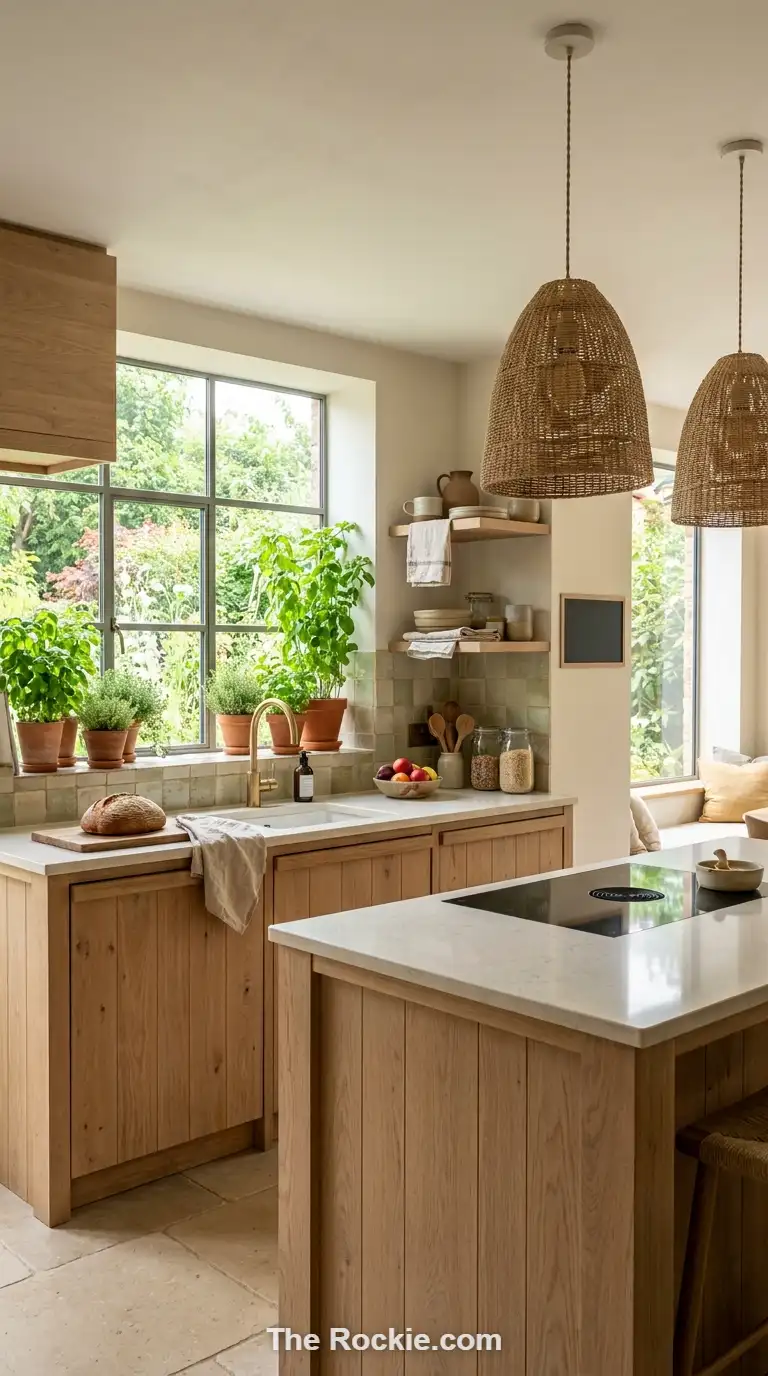
Automated systems and energy-efficient sensors that adjust lighting or monitor usage bring real efficiency gains without visually competing with the kitchen’s natural materials. The best version of kitchen tech in a space like this is the kind you barely notice is there.
Final Thoughts
An organic kitchen isn’t really about following a specific look — it’s about choosing materials, colors, and systems that feel like they belong to the natural world rather than working against it. Some of these ideas are big commitments (reclaimed flooring, a full material overhaul); others are as simple as a few potted herbs on the counter. Either way, the throughline is the same: a kitchen that feels less like a machine for cooking and more like a room that’s actually alive.


