
21+ Small Game Room Decor Ideas That Are Clever, Comfortable, and Genuinely Fun in 2026

I’ve designed game rooms in spare bedrooms, half-finished basements, and one bonus room over a garage that got so hot in July we had to add a mini split before anyone would sit in it. Here’s what I’ve learned: the small game room is won or lost on clearance math and cable management, not on how many LED strips you can staple to the ceiling. I’m going to be straight with you about what fits, what genuinely doesn’t (looking at you, pool table in a 12×14 bedroom), and how to make a compact room feel like the best hangout in the house.
Small Game Room Decor Ideas
1. Color-Drench the Whole Room in a Deep, Screen-Friendly Shade
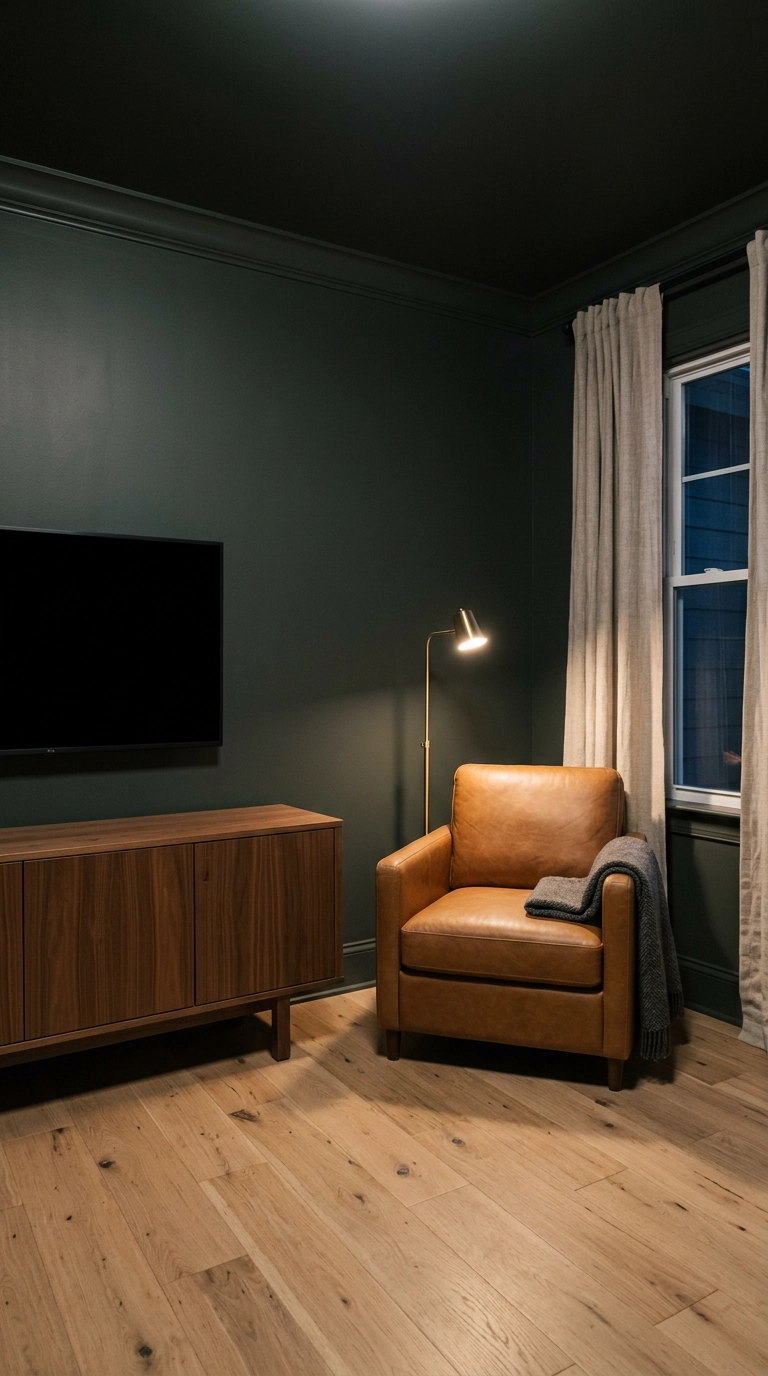
Painting the walls, trim, and ceiling one deep shade is the single highest-impact thing you can do in a small game room, and it costs about two gallons and a Saturday. Dark walls kill the light bounce that washes out a screen, so games look better and your eyes stop fighting glare from a white wall behind the TV.
2. Mount the TV and Put Every Console on One Low Credenza
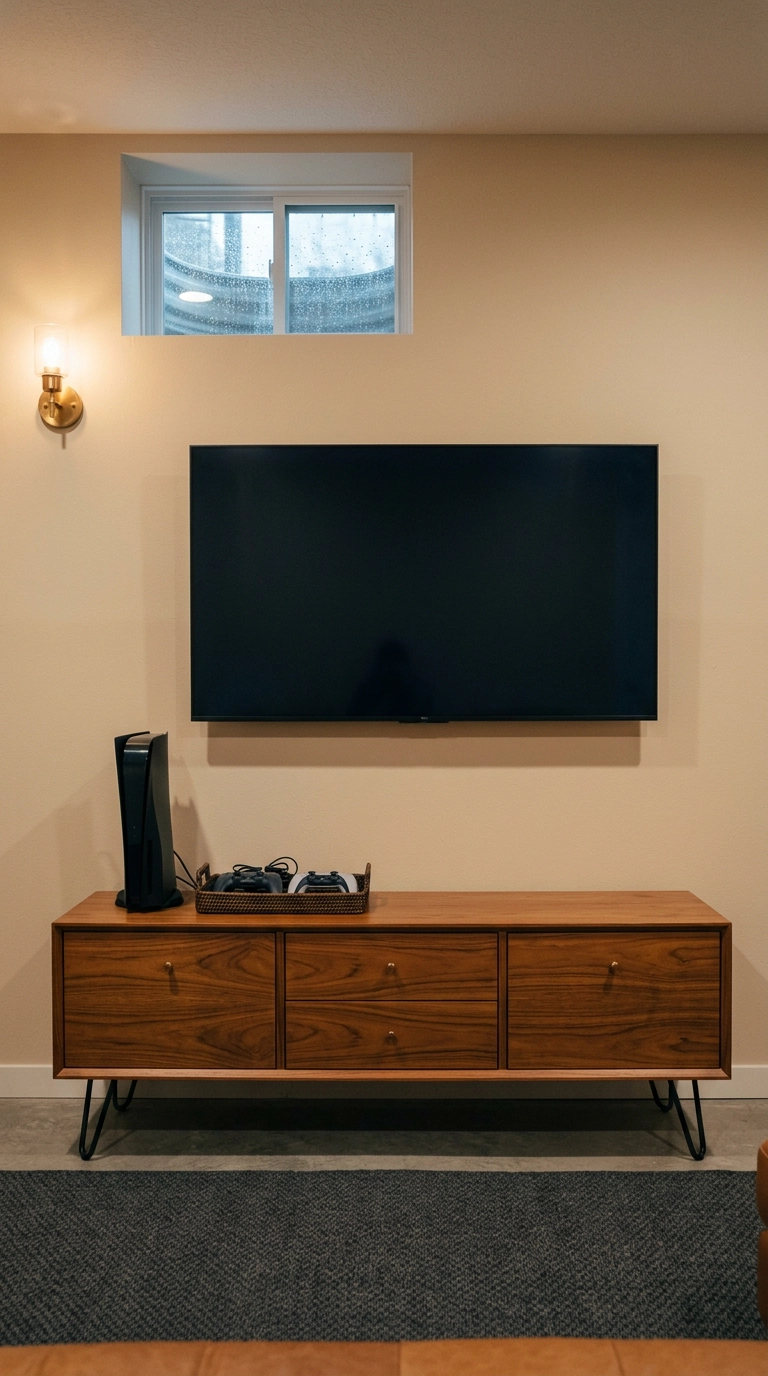
In a room under about 12×14, floor-standing TV stands eat depth you can’t spare. Wall-mount the screen with the center of the display at seated eye level, roughly 42 inches off the floor for a standard sofa, and put a credenza no deeper than 16 inches beneath it.
3. Do the Pool Table Clearance Math Before You Fall in Love
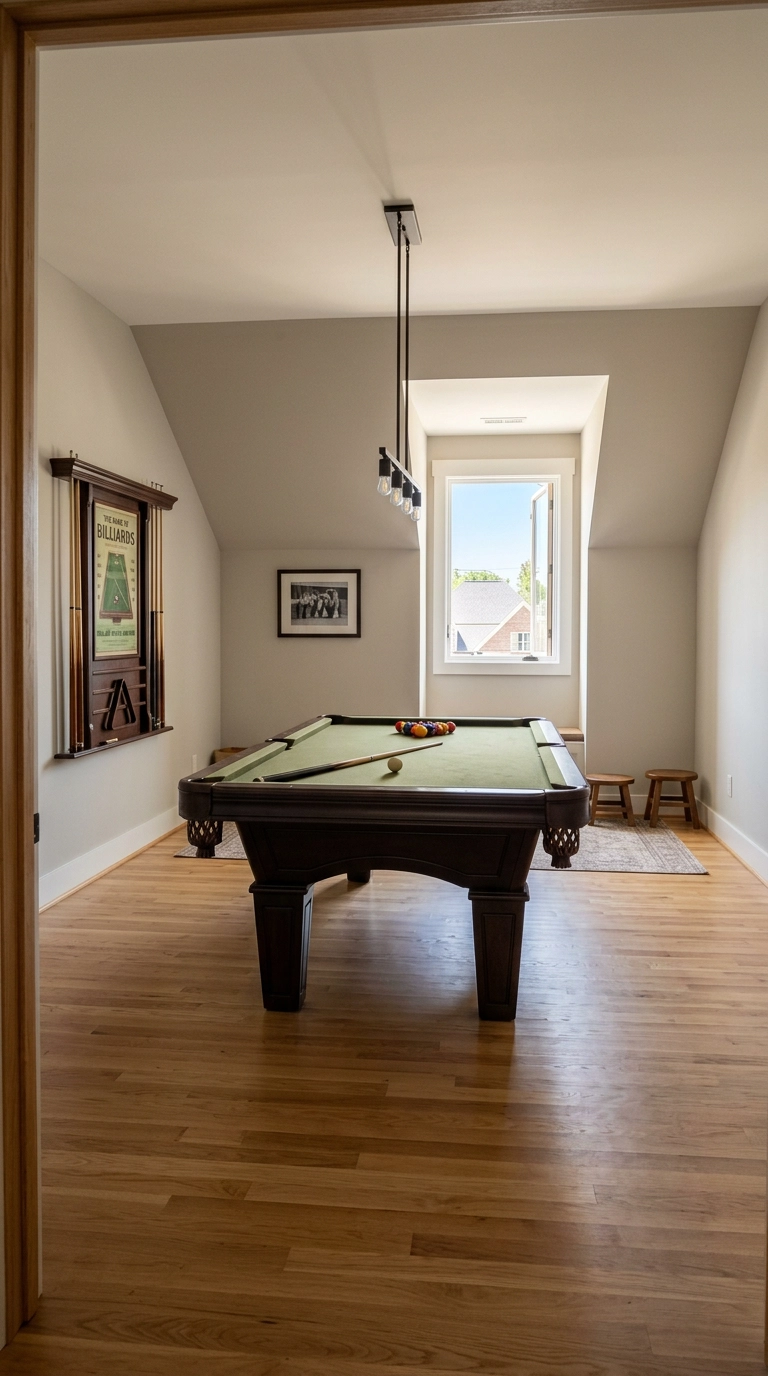
Here’s the honest math nobody puts in the listing photos. A cue is 58 inches long, so you need roughly five feet of clear space on every side of the table. A 7-foot table needs about a 13×16.5 foot room. An 8-foot table needs about 13.5×18. If your bonus room is 12×14, a full-size pool table simply does not fit, and I’d rather tell you now than after delivery.
4. Build a Proper Dartboard Wall With a Backing Panel
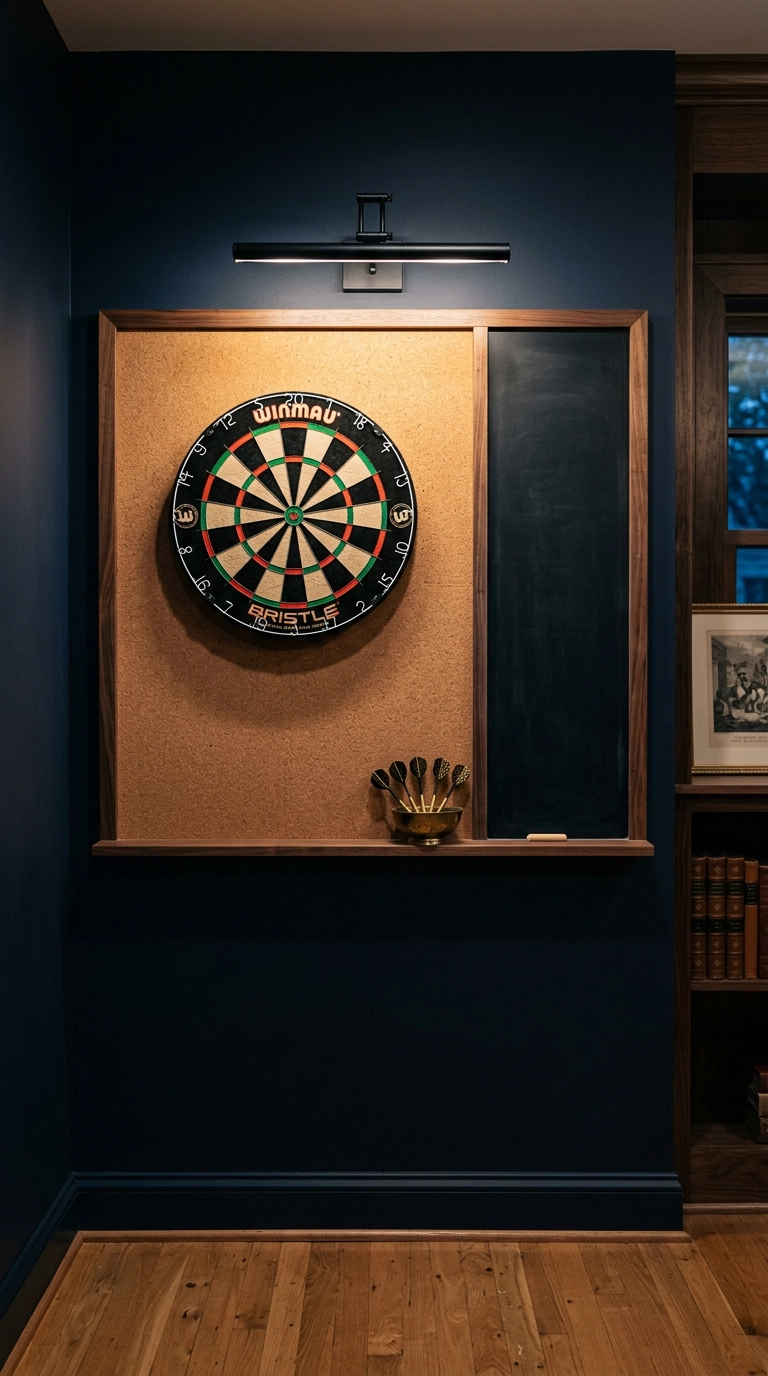
Regulation is simple: bullseye at 5 feet 8 inches off the floor, throw line 7 feet 9.25 inches back measured along the floor. Tape the line first and confirm you actually have that runway before you drill anything.
5. Restrained Two-Color Bias Lighting Behind the Screen
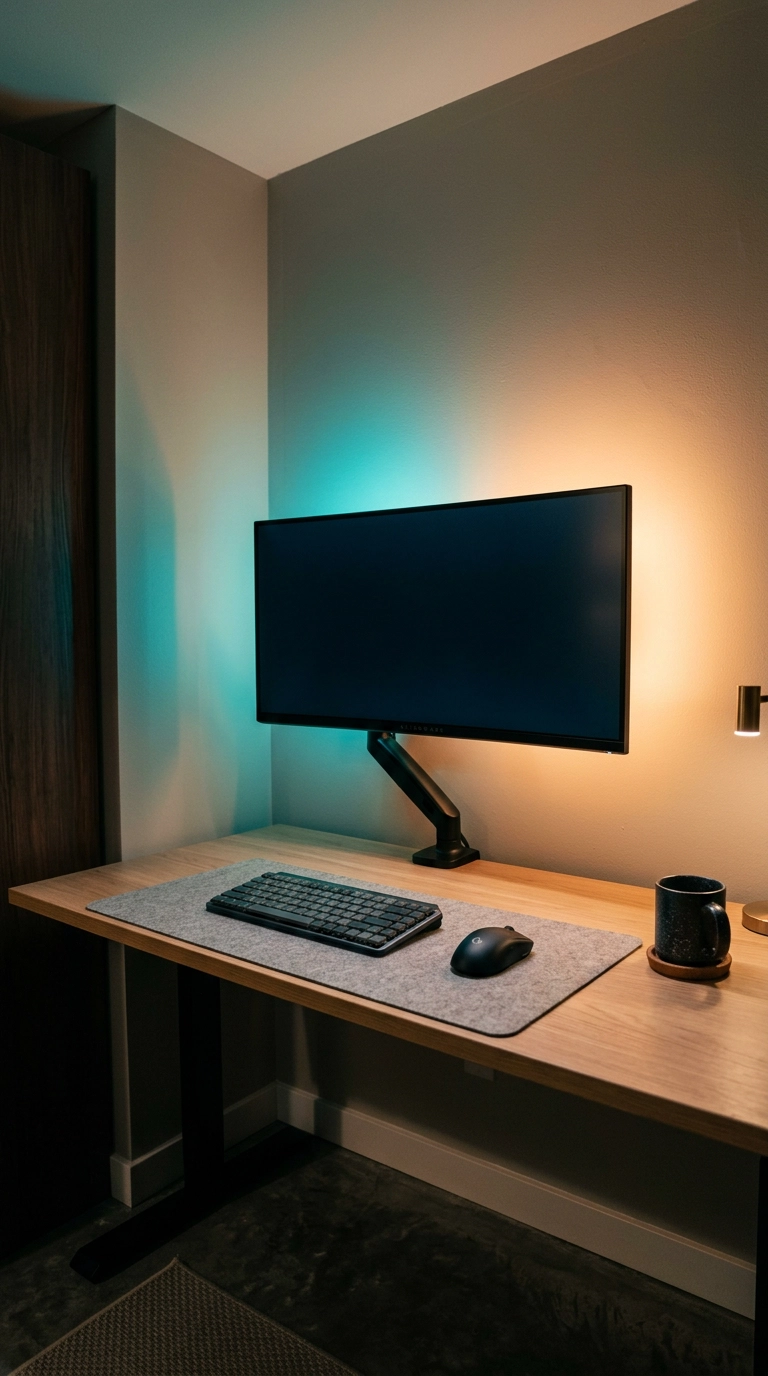
Bias lighting is a strip of light behind the screen aimed at the wall, and it does something genuinely useful: it lifts the wall’s brightness closer to the screen’s, so your eyes stop straining in a dark room. Set it around 6500K white or pick two colors you actually like and stop there.
6. A Round Card Table for Four in the Corner That Was Doing Nothing
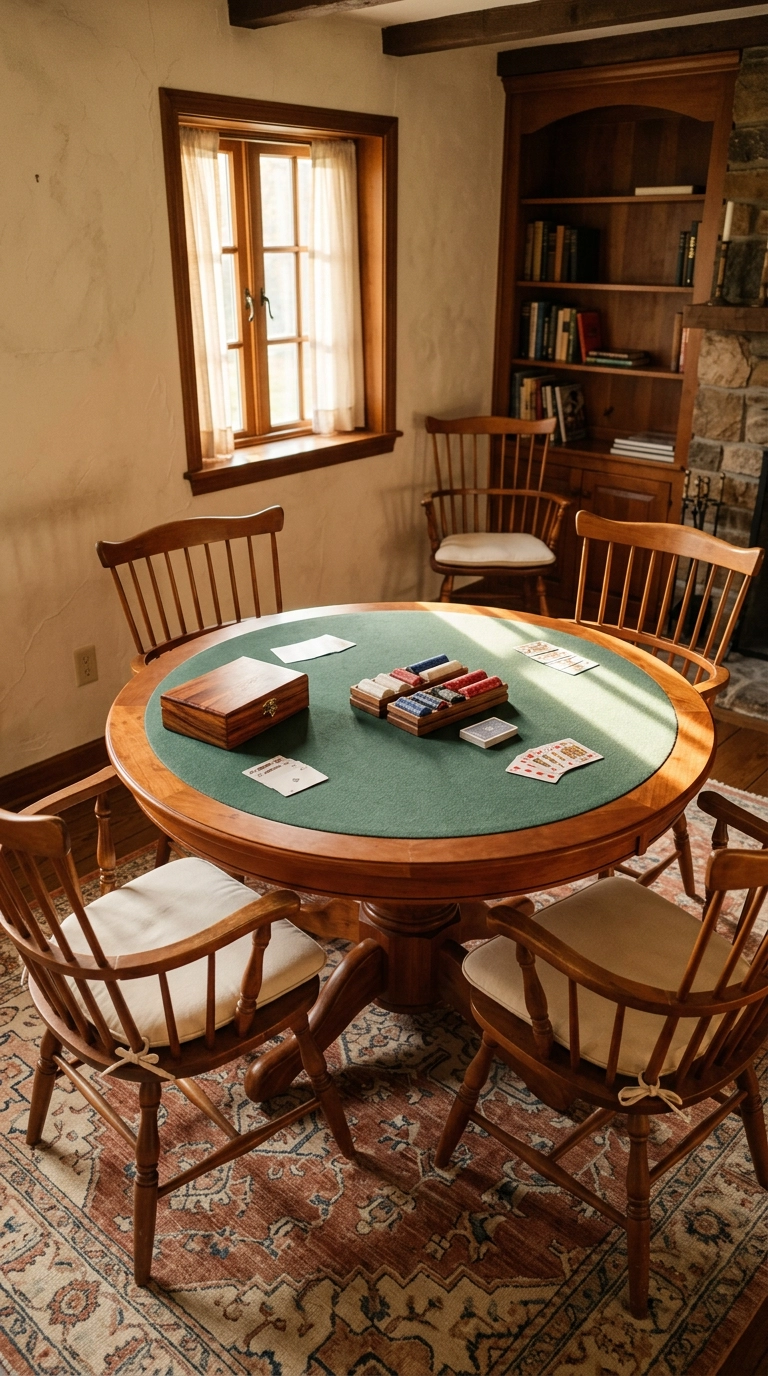
A 42-inch round table seats four comfortably and needs about 36 inches of pull-out clearance around it, which is far kinder to a small room than a rectangle. Round also means no corner jabbing you in the hip on the way past, and everyone can reach the middle of the board.
7. One Arcade Cabinet as the Room’s Sculpture
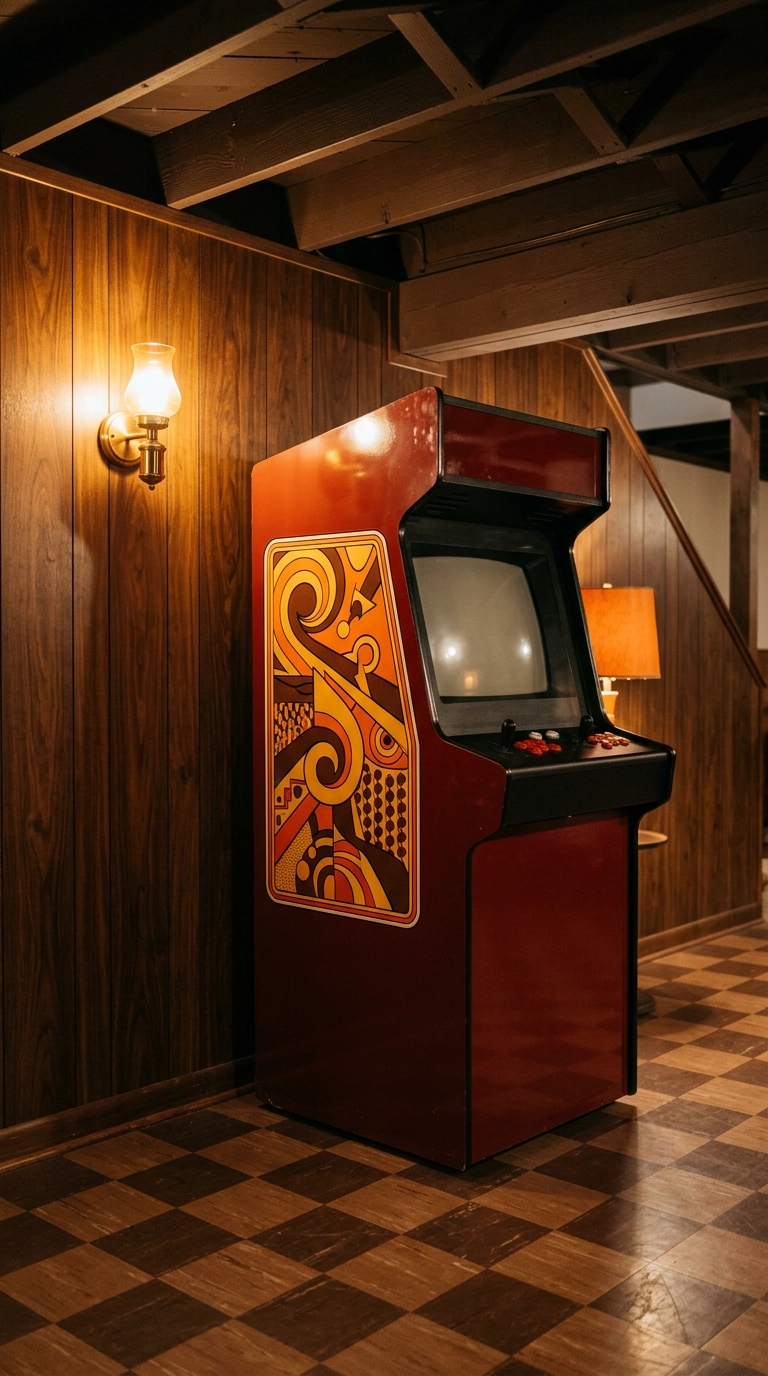
An upright cabinet has a footprint of roughly 26 inches wide by 32 deep and needs about 3 feet of standing room in front. That’s it. One cabinet in a small room is a statement, three is a storage unit with a lighting problem.
8. Wall-Mounted Board Game Shelves With Real Weight Ratings
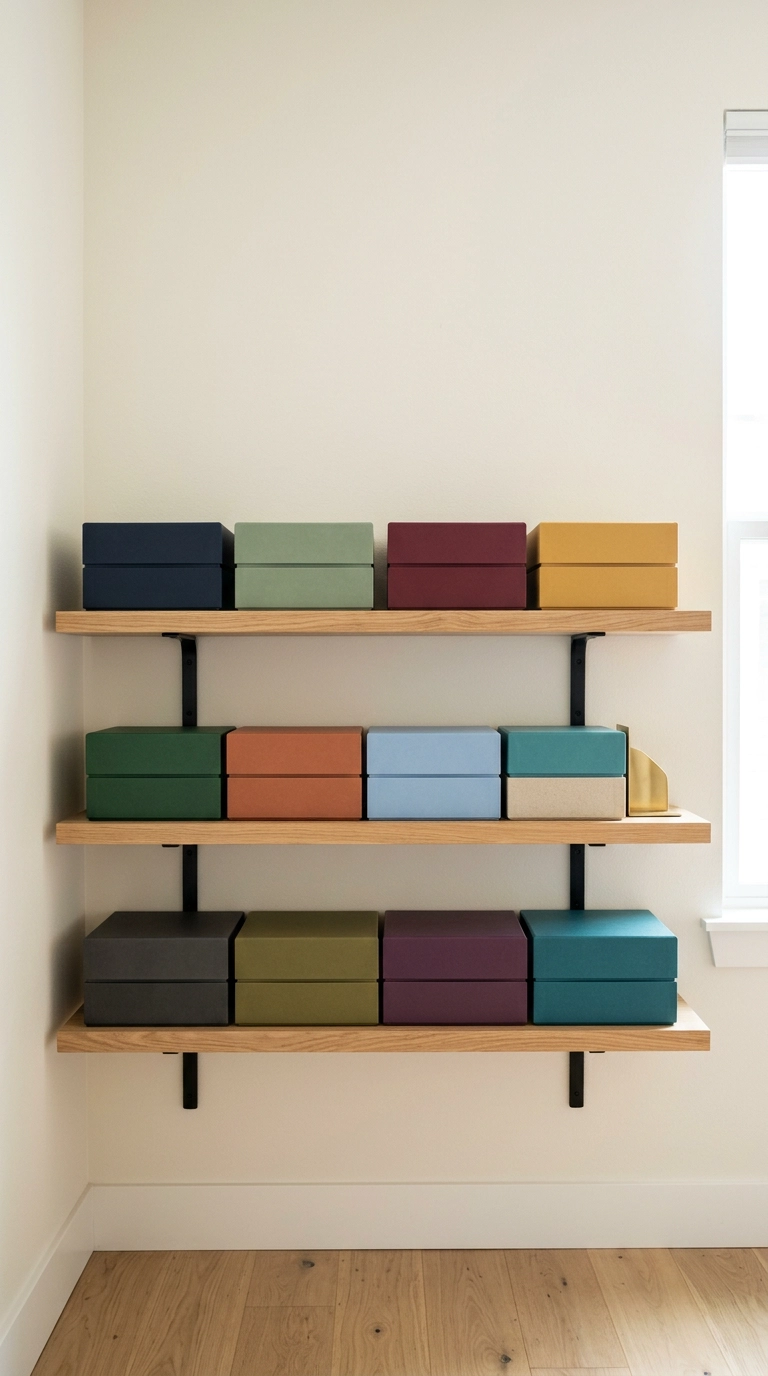
Board games are heavier than books. A shelf full of them can push 40 pounds per linear foot, so use a 1×10 or 1×12 in solid wood on brackets hitting actual studs, not a hollow floating shelf rated for picture frames.
9. Felt Acoustic Panels That Look Like Art, Not a Podcast Booth
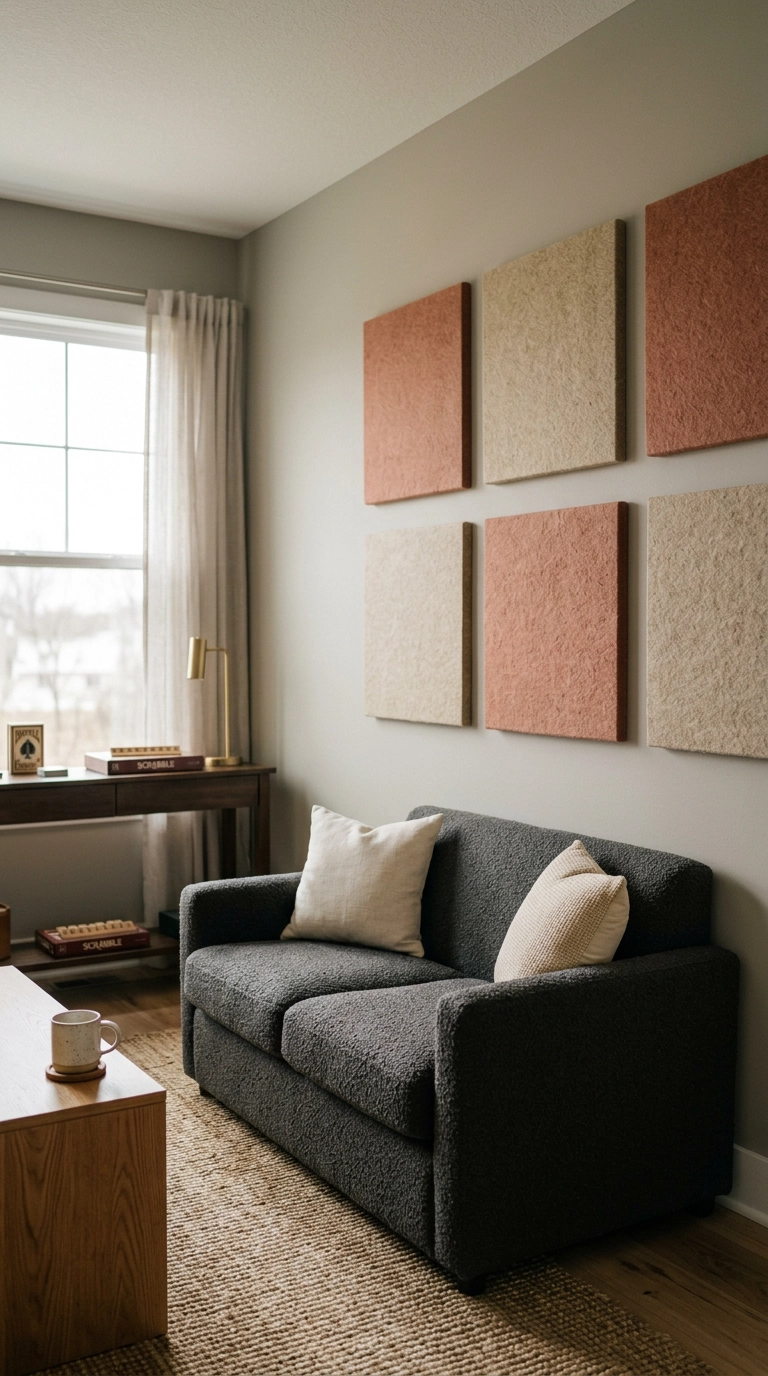
Small rooms with drywall on all six surfaces sound terrible, and it’s worse when a subwoofer is involved. Treat the first reflection points, the wall spots halfway between your ears and each speaker, plus the wall behind the screen. Four to six panels is usually enough in a spare bedroom.
10. A Narrow Bar Cart That Actually Fits the Traffic Path
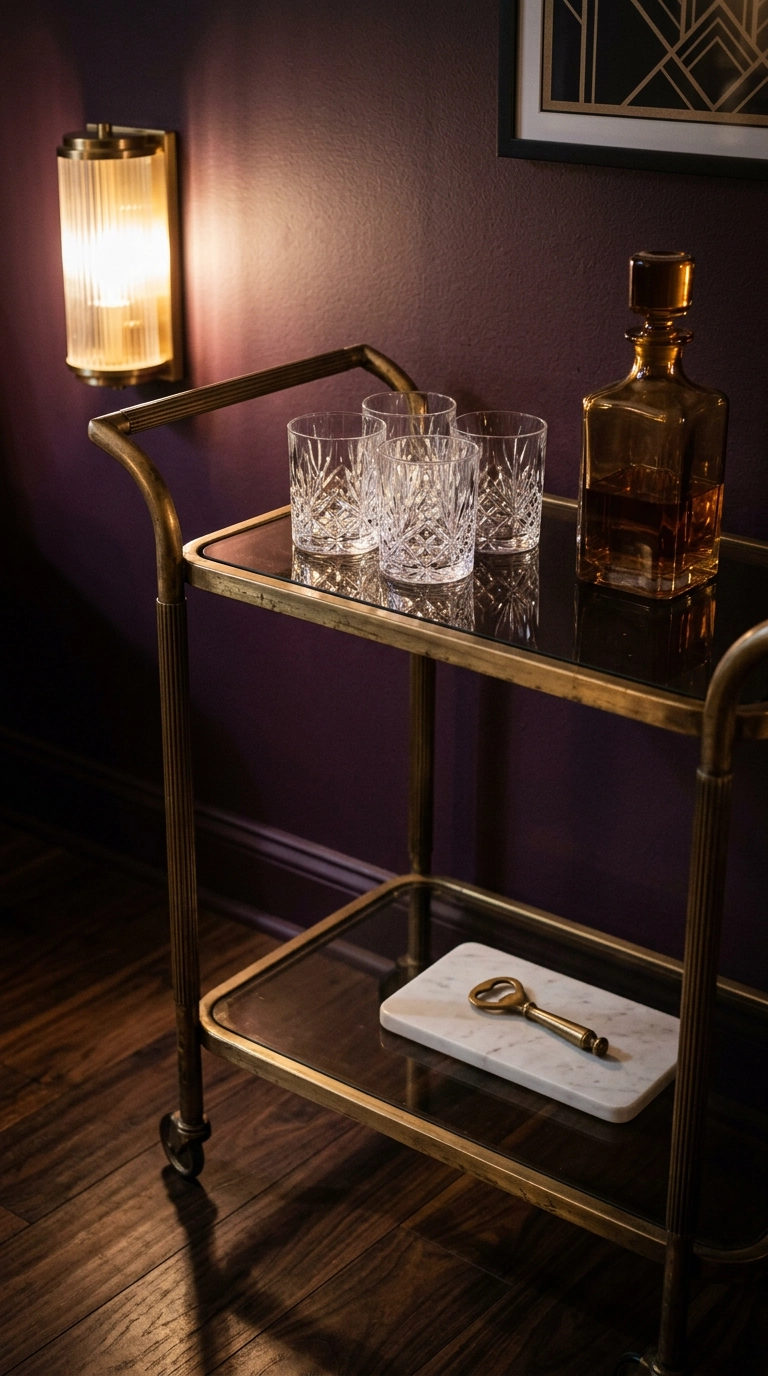
Measure your walkway before you buy. You need 30 to 36 inches of clear path through a room, so in a small game room look for a cart under 16 inches deep and park it against the wall the door doesn’t swing toward.
11. Run Every Cable Through a Painted Raceway and Forget It Exists
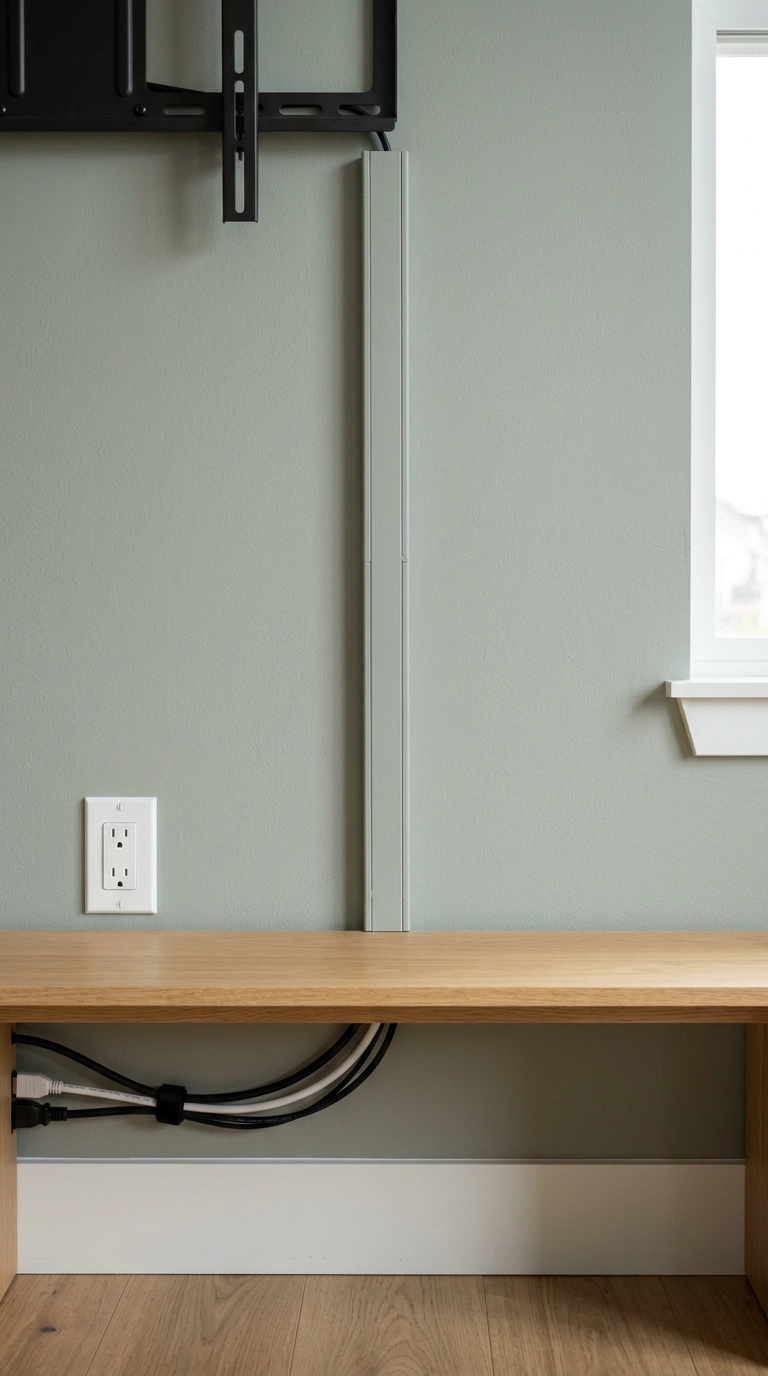
A paintable cable raceway costs about fifteen dollars for eight feet, sticks on with adhesive backing, and takes a coat of your wall color to vanish. It’s the least glamorous idea in this article and the one that makes the biggest difference in photos.
12. Two Gaming Chairs, One Small Rug, Zero Wasted Floor
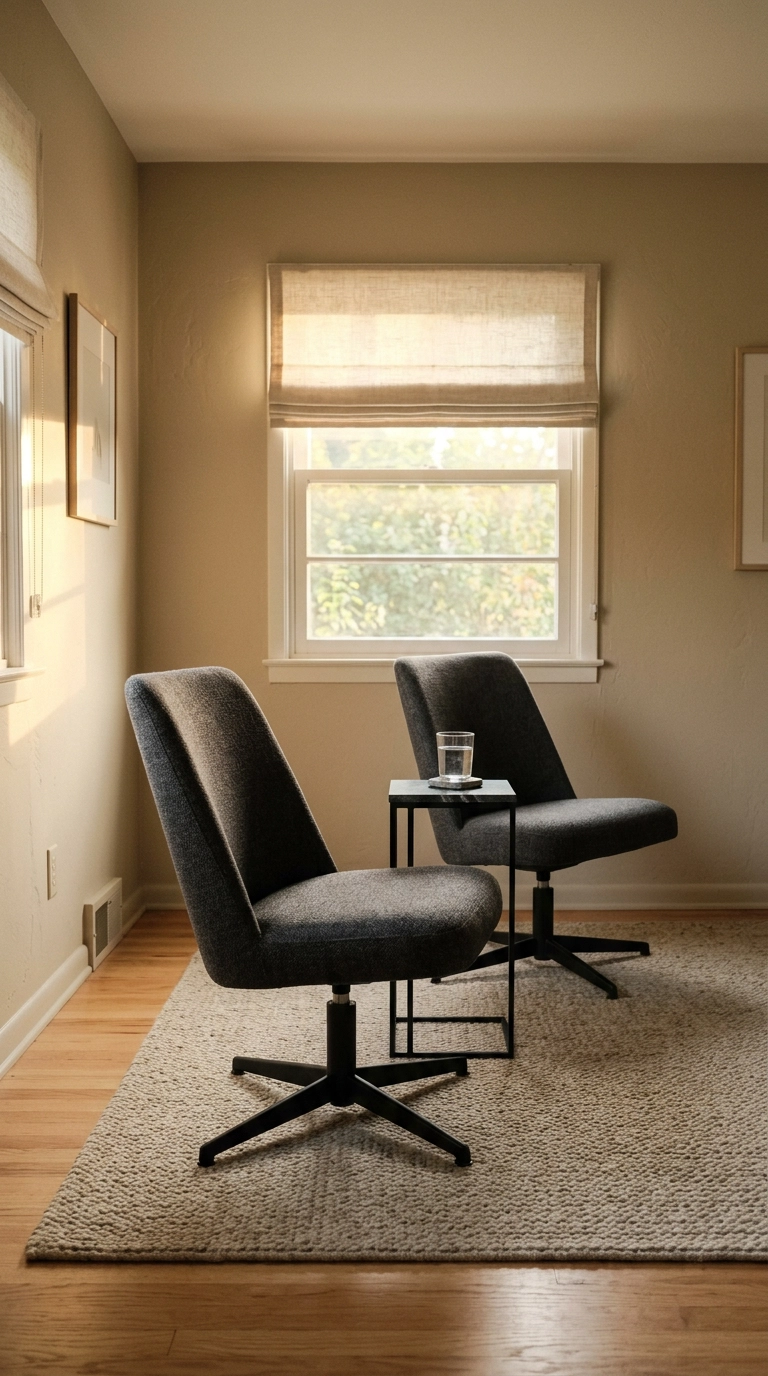
Skip the racing-seat chairs with wings and spoilers if you care how the room looks. A low-back swivel task chair in a plain fabric is more comfortable for long sessions anyway, and it doesn’t scream at every other object in the room.
13. Swap the Pool Table for a Wall-Mounted Shuffleboard or Foosball
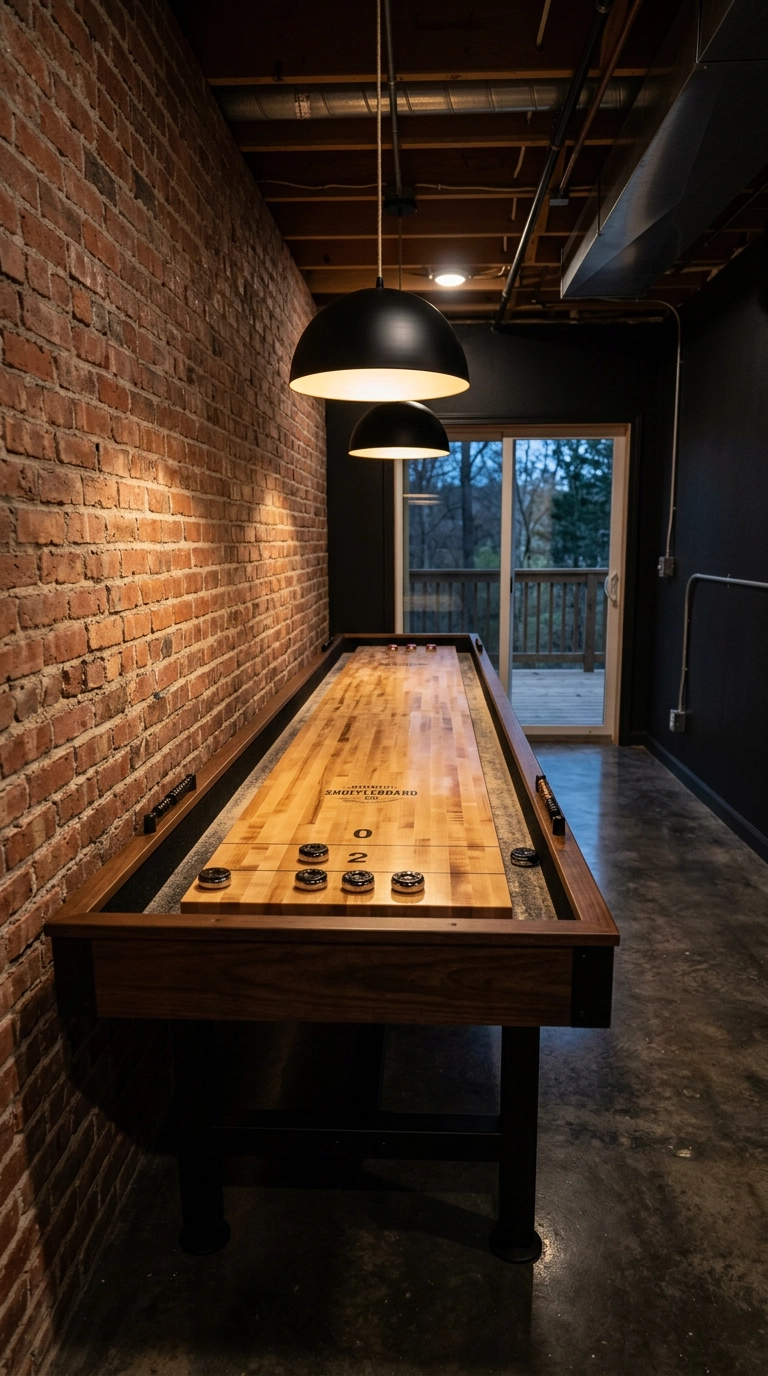
This is the honest answer for most small rooms. A shuffleboard table only needs clearance at the two ends, not all four sides, so a 9-footer fits comfortably against a wall in a room where a pool table would be a punchline.
14. A Storage Ottoman That Doubles as the Coffee Table
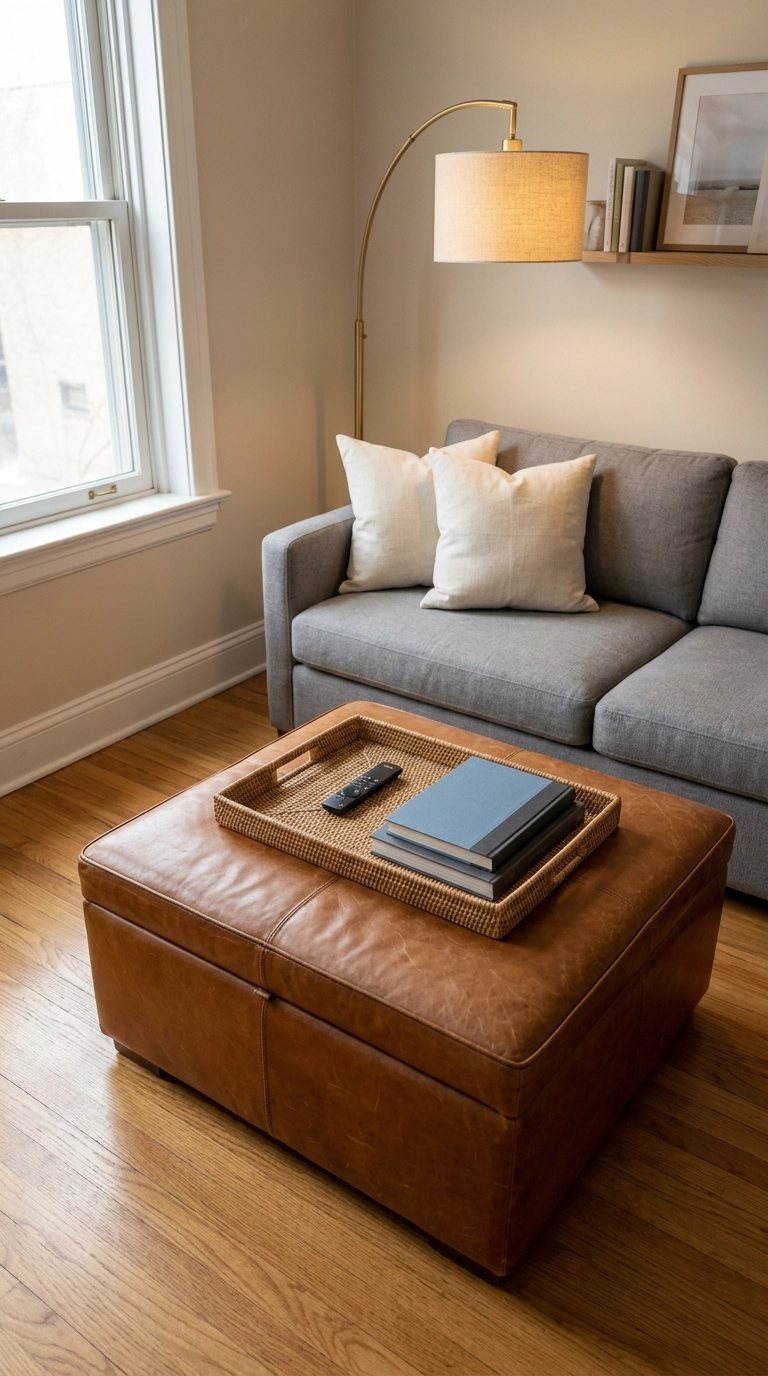
One piece, three jobs: footrest, table, and the place controllers and card decks disappear into at 10pm. Put a flat tray on top so drinks have a stable surface, since upholstery alone is a coaster’s worst enemy.
15. Blackout the Bonus Room Over the Garage
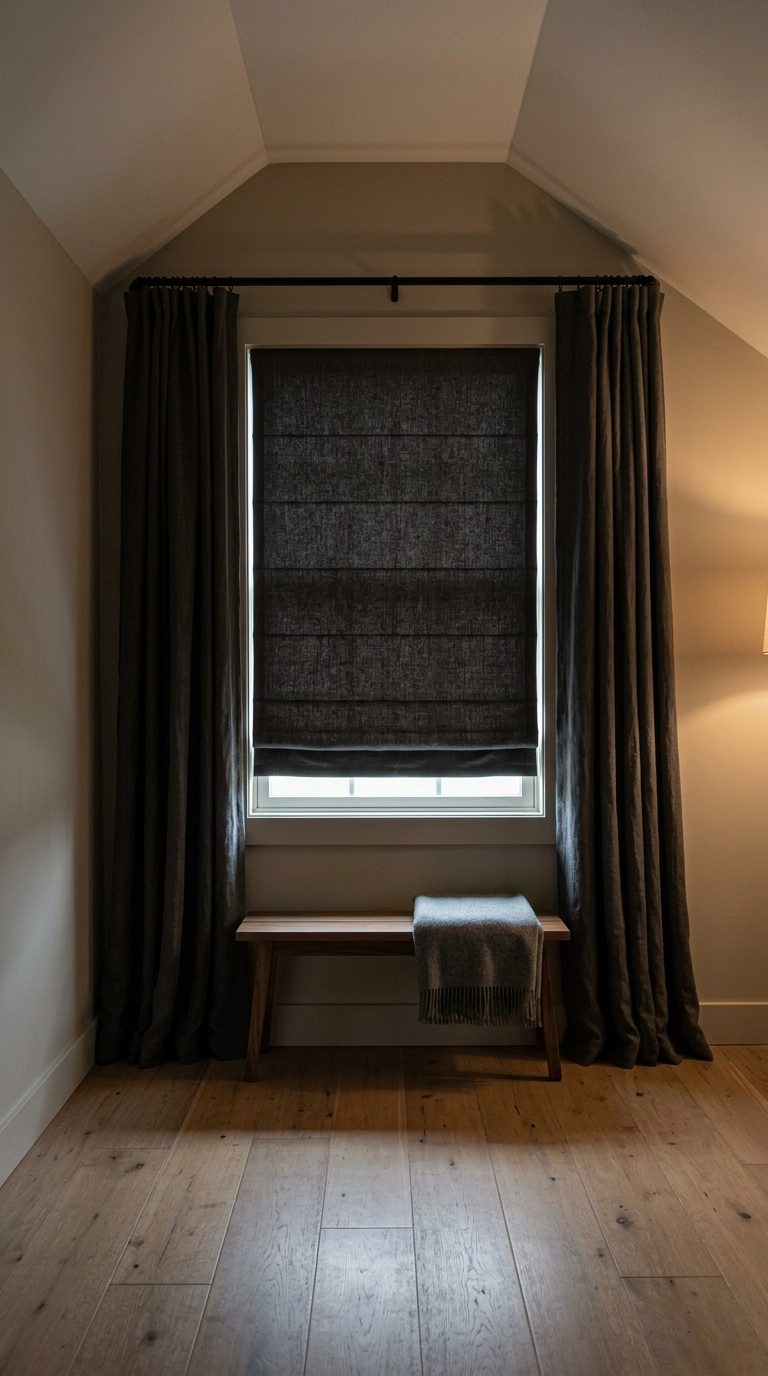
Bonus rooms over garages get brutal afternoon glare and swing 15 degrees hotter than the rest of the house. Blackout roman shades mounted inside the frame plus floor-length side panels kill both the glare and a surprising amount of heat.
16. Peg Rail or Pegboard Wall for Controllers, Cues, and Headsets
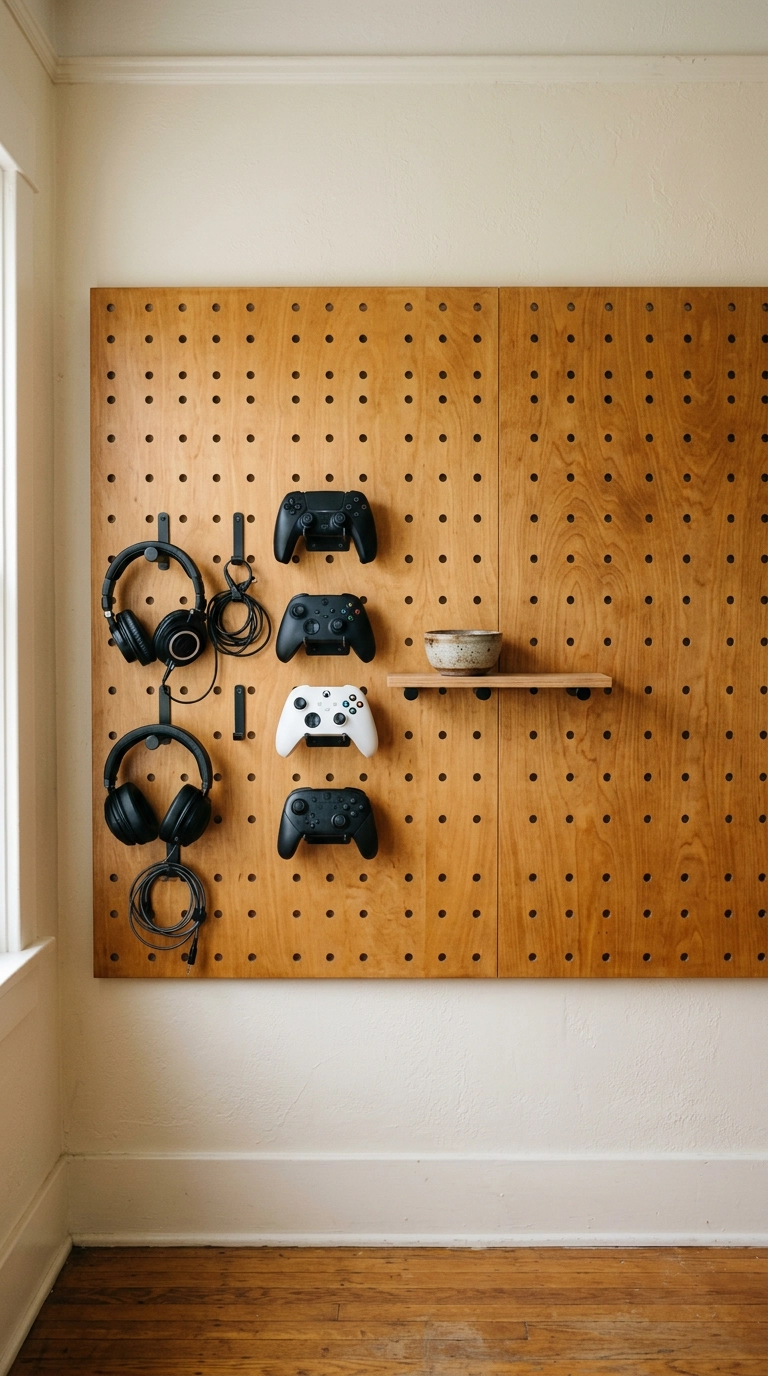
Vertical storage is how small rooms survive. A 4×4 foot pegboard panel, stained rather than painted white, holds every controller, headset, and cue without a single drawer. Frame the edges in a 1×2 so it reads as a built-in.
17. A Loveseat Instead of a Sectional, and a Deeper Room For It
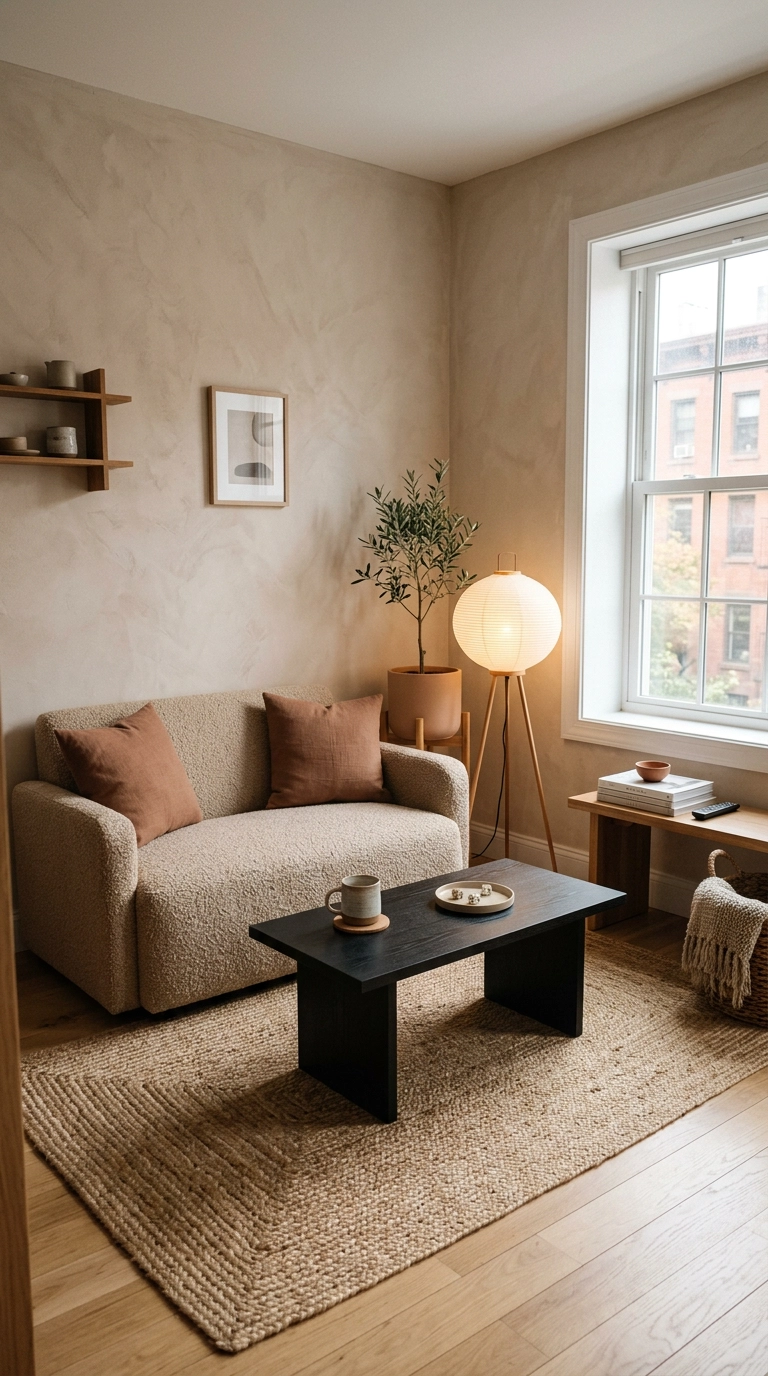
Everyone wants a sectional in a game room and almost nobody has the square footage. A 58 to 66 inch loveseat seats two properly and leaves you the floor for a card table or a cabinet, which is the better trade in a room under 130 square feet.
18. Retro Wood Paneling on One Wall, Not All Four
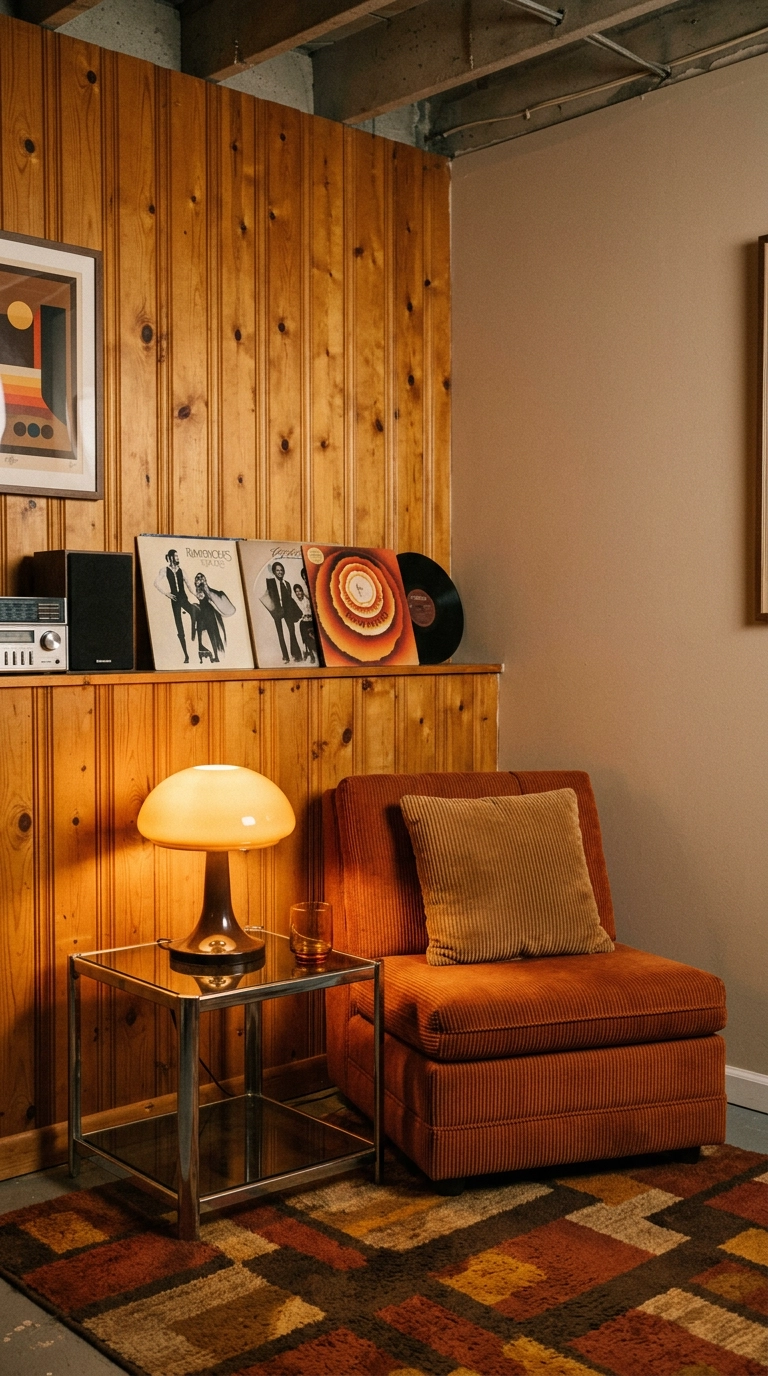
Wood paneling on every wall in a small room is a 1974 rec room and not in the good way. Clad one wall, usually the one behind the screen or the arcade cabinet, and let the other three stay quiet in a flat warm neutral.
19. A Slim Counter-Height Bar Ledge Along the Back Wall
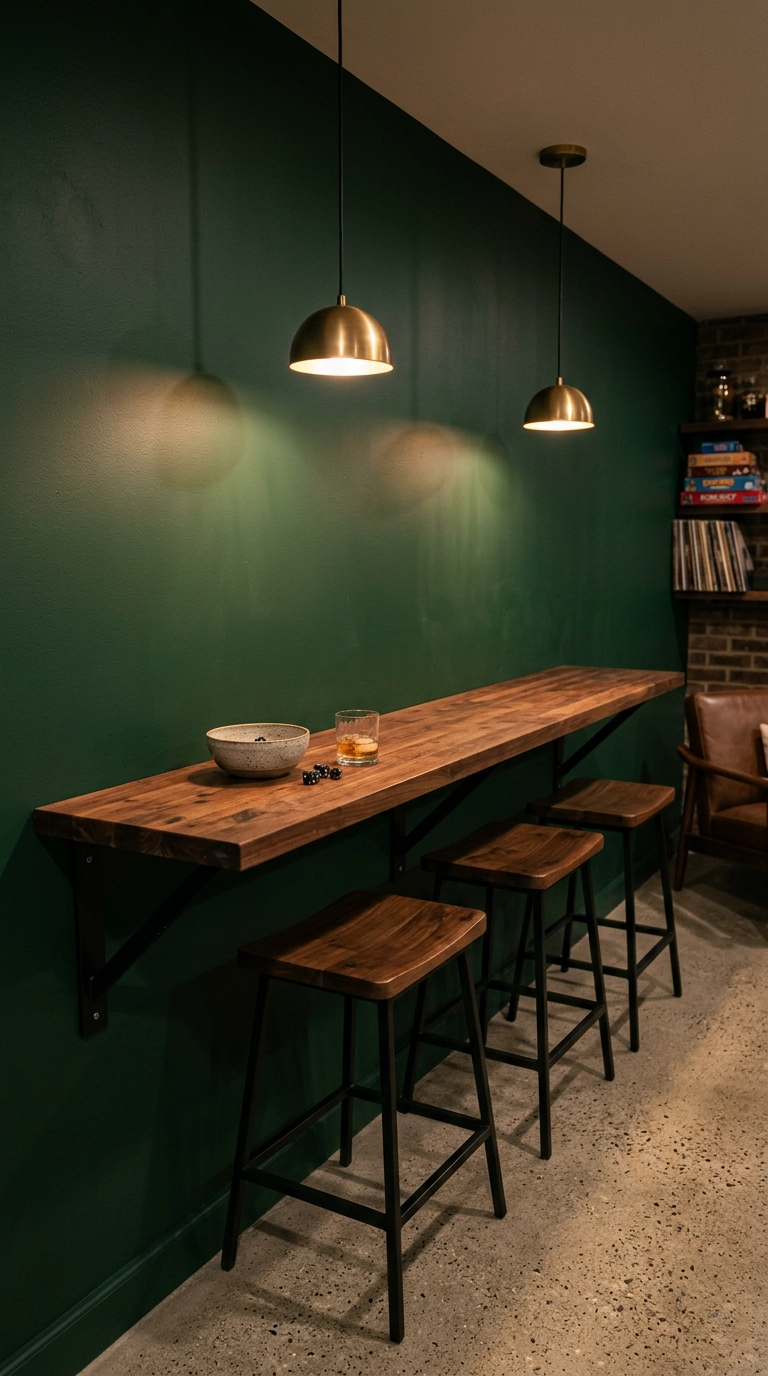
A 12-inch-deep ledge at 42 inches high gives you a real bar for three people and steals almost no floor. Backless stools that tuck fully under mean the walkway stays clear when nobody’s sitting there.
20. Abstract Neon or LED Wall Shape With No Lettering
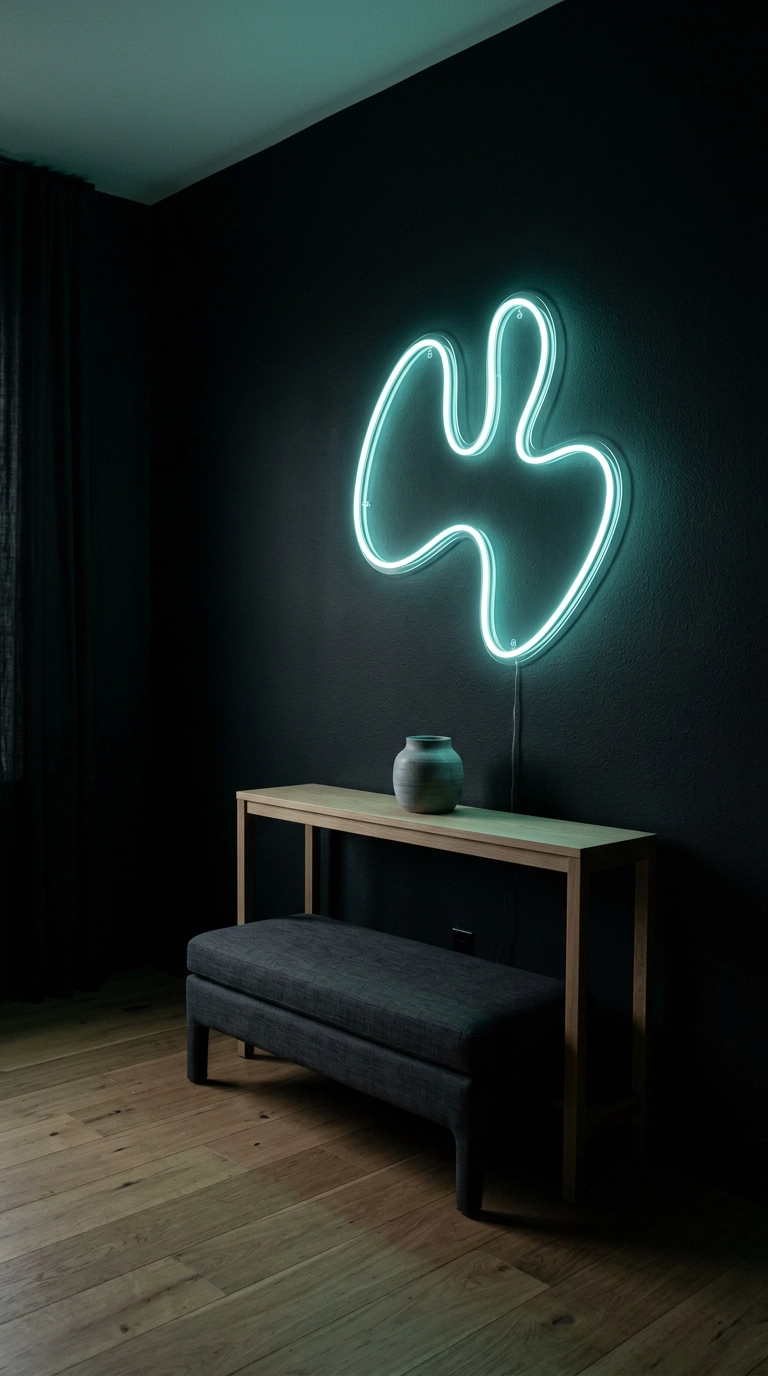
Skip the sign with a slogan on it. A single abstract bent tube in one color reads like art and won’t date the way a catchphrase does. Keep it to one glowing element in the room, not four.
21. A Drop-Leaf or Folding Table for Rooms That Do Double Duty
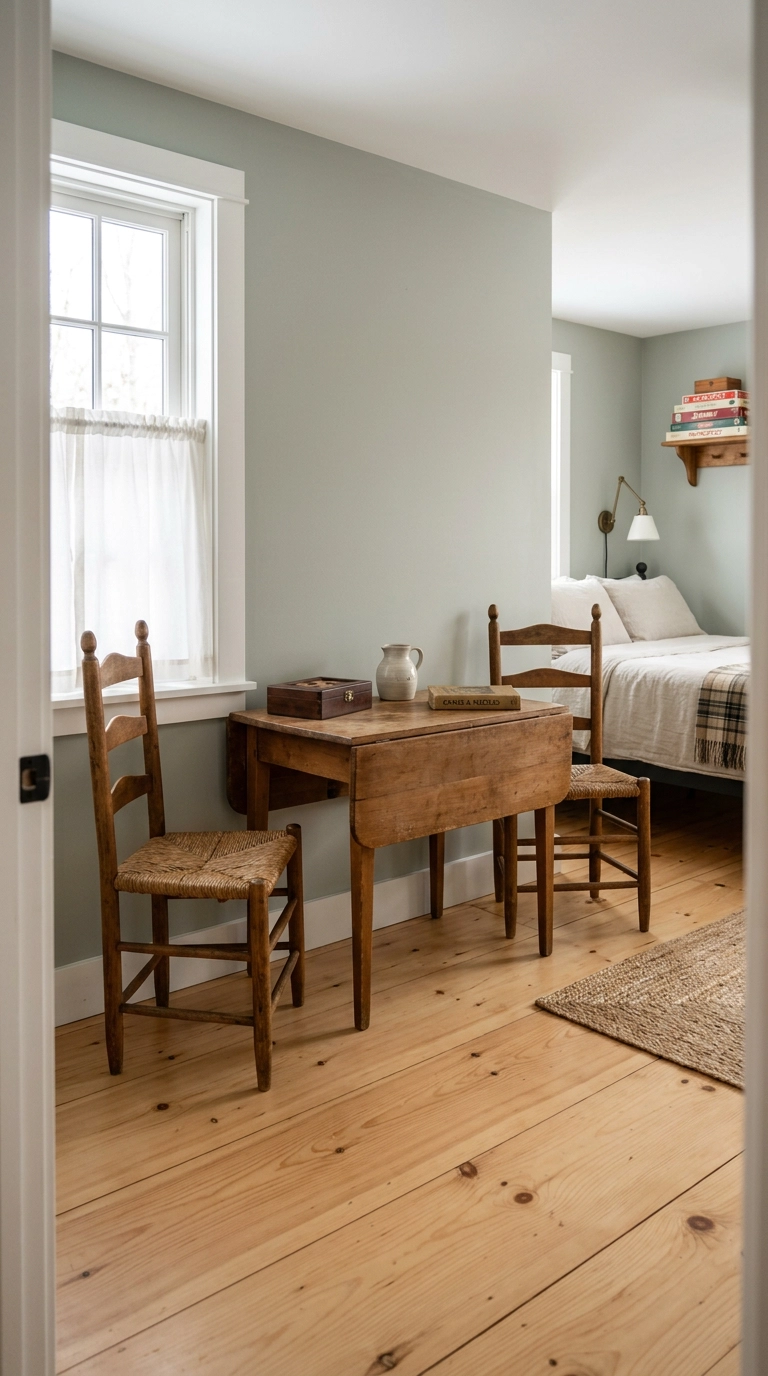
If your game room is also the guest room, the table has to disappear. A drop-leaf against the wall is 16 inches deep folded and 40 inches open, which is the difference between a walkable room and an obstacle course on Tuesday.
22. Layer Three Light Sources So You Can Change the Room’s Mood
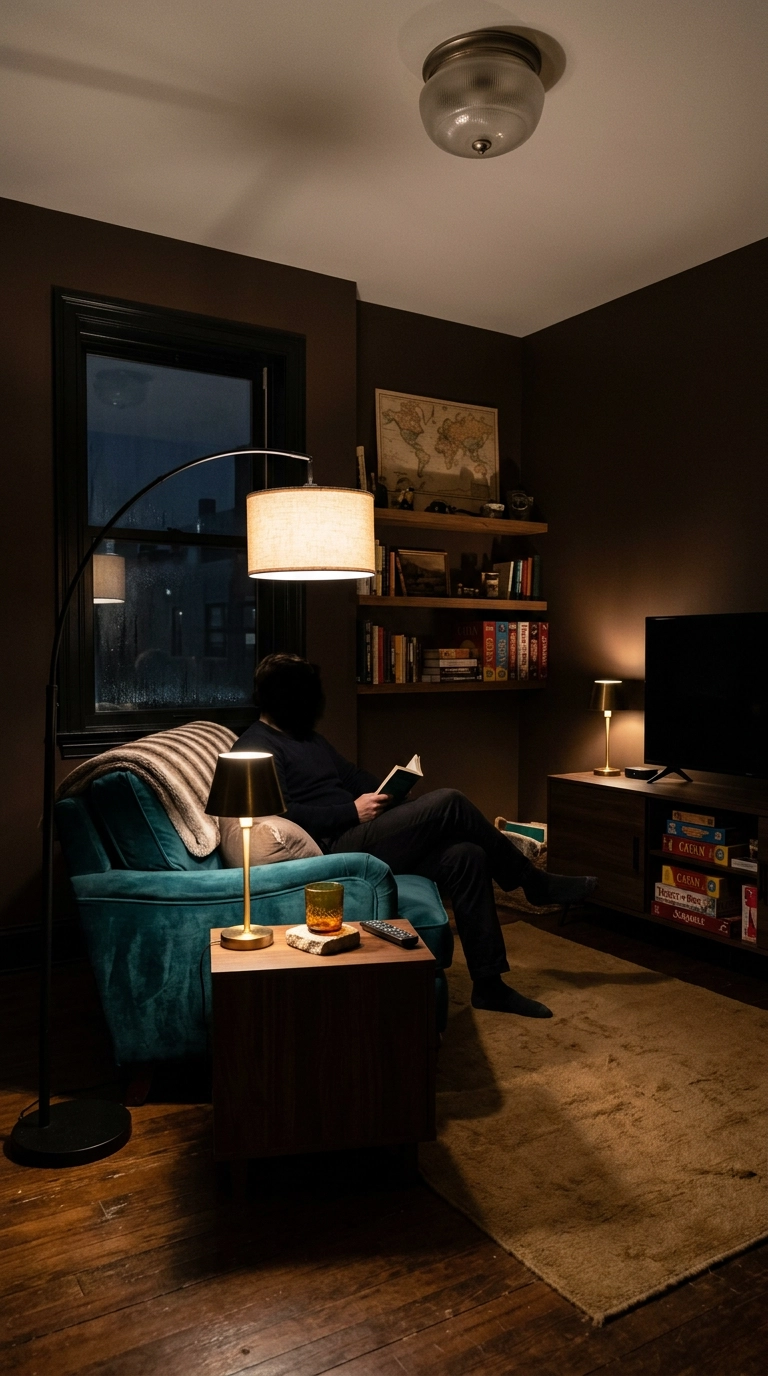
One ceiling light is why most game rooms look like a dentist’s office. You want three layers: a dimmable overhead for cleaning up, a floor or arc lamp for reading rules and playing cards, and a low table lamp for screen time.
Your Turn to Roll the Dice
Every good small game room I’ve worked on started the same way: someone measured the floor honestly and let go of one thing they wanted. Usually that thing was a full-size pool table, and usually what replaced it, a shuffleboard along the wall or a proper dartboard with a cork backing panel, ended up getting played twice as often. Constraints make better rooms. That’s not a consolation prize, it’s the whole design principle.
The looks I’m seeing take over in 2026 are quieter than the RGB explosion of a few years back. Color-drenched walls in deep greens and charcoals, felt acoustic panels doing double duty as wall art, one arcade cabinet treated like sculpture instead of a wall of them. Ken Fulk’s clubby, saturated rooms and the whole speakeasy-basement direction have made it clear you can have a genuinely fun room that still looks like an adult lives there. Even the big retailers have caught on, with restrained bias lighting and single-color LED tubes replacing the rainbow strips.
Start with the cable raceway and the paint, honestly. Those two cost under two hundred dollars combined and they do more for how the room reads than anything else on this list. Then add the storage ottoman, the pegboard wall, and the third light source, and you’ll have a room your friends text about. If you want more of this, small-space fixes and the clearance math nobody else prints, sign up for my weekly newsletter. I send one email, no fluff, every Friday morning.
