
21+ Painting Kitchen Cabinet Ideas for a Budget-Friendly Kitchen Makeover

Painting your cabinets is one of the few renovation moves that can genuinely transform a kitchen without touching the layout, the appliances, or the budget for a full remodel. A can of paint and a weekend of work can take tired, dated cabinetry and make it look like it belongs in a completely different kitchen — no demolition required. It’s the rare upgrade where the effort-to-payoff ratio actually favors the effort.
What makes cabinet painting worth doing carefully, though, is how many directions it can take a kitchen. The same set of cabinets could end up crisp and classic, moody and dramatic, or genuinely artistic, depending entirely on the color and technique chosen. Here are 22 ways to approach painting kitchen cabinets, from foolproof classics to techniques that take a bit more nerve.
1. Timeless White Elegance
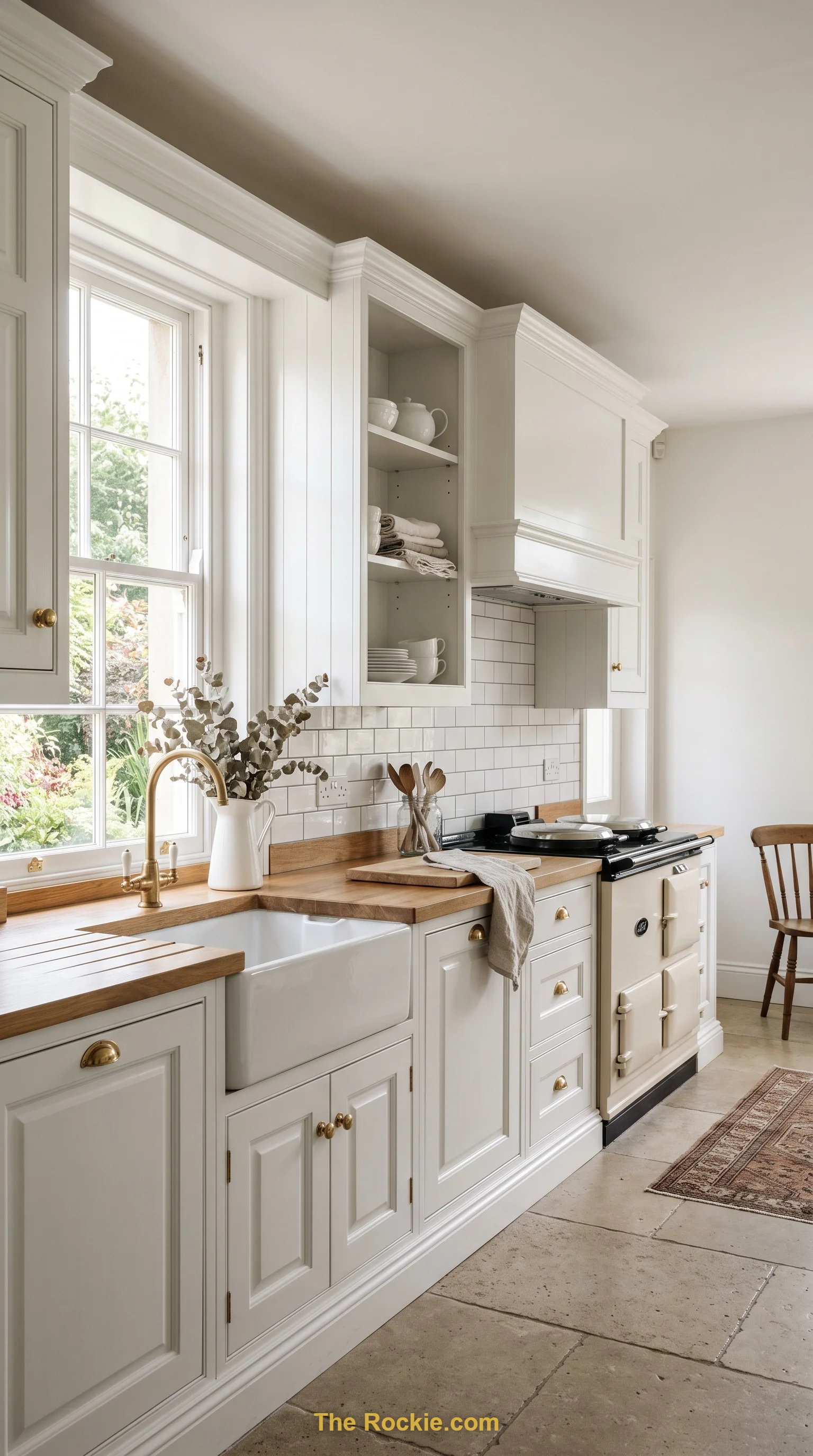
Crisp white cabinetry remains one of the safest and most rewarding choices for a reason — it reflects natural light, pairs with virtually any decor, and instantly makes a kitchen feel brighter and more spacious. A quality finish keeps the color looking clean for years, resisting the yellowing and wear that cheaper paints can’t avoid. It’s a classic that works in both modern and traditional kitchens without needing any justification.
2. Bold Color Statements
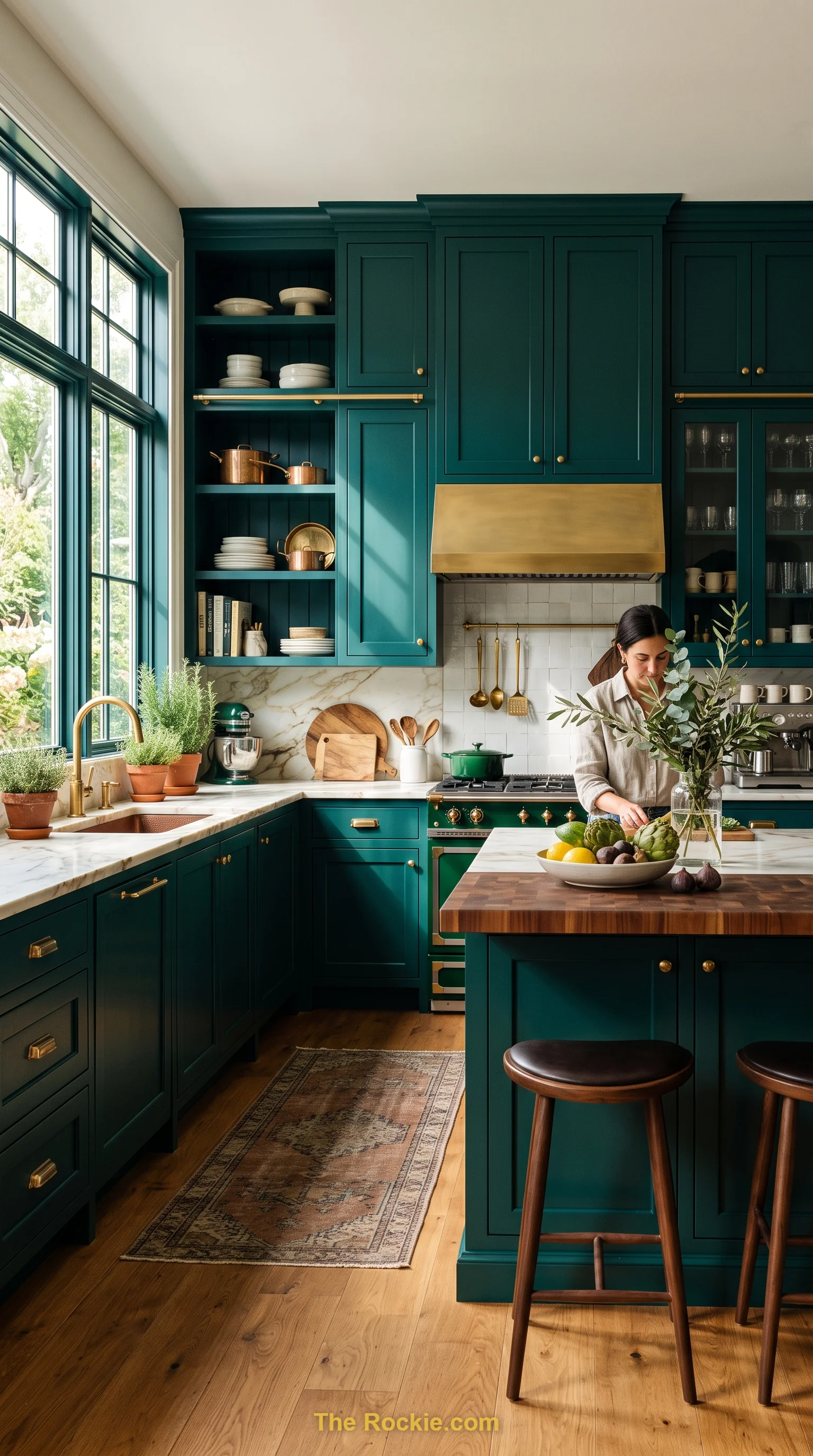
Deep blues, emerald greens, or fiery reds turn cabinetry into the kitchen’s clear focal point, injecting real personality into a room that too often defaults to neutral. This kind of bold choice sets an energetic tone and signals a willingness to break from the expected. With proper sealing and careful technique, vibrant cabinets stay just as durable as their more restrained counterparts, offering a genuinely dynamic backdrop for everyday cooking.
3. Two-Tone Techniques
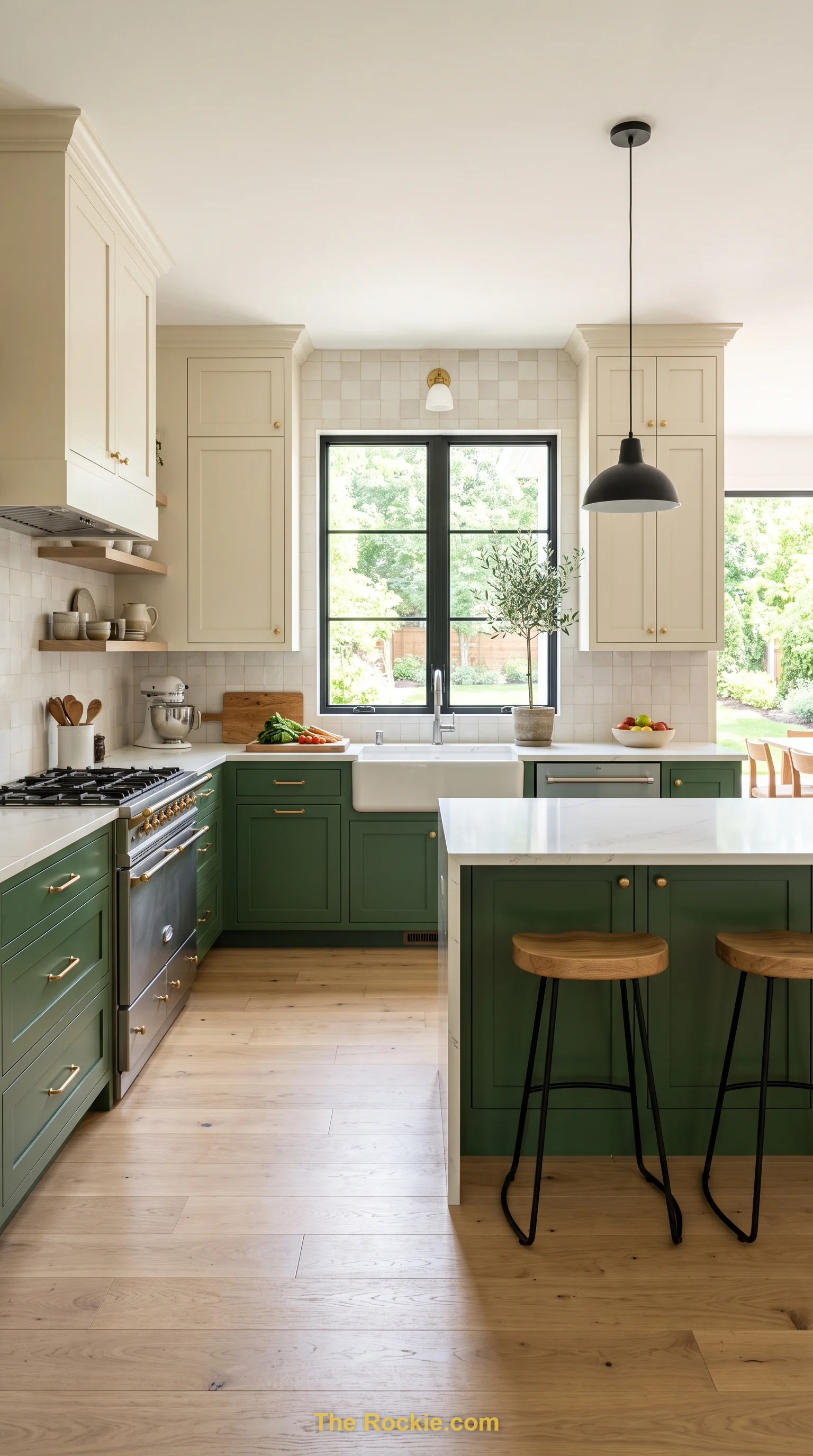
Painting upper and lower cabinets in contrasting tones creates real visual balance while defining different zones within the kitchen. A dominant color paired with a complementary accent adds depth without overwhelming the space, and it’s an especially effective way to breathe new life into older cabinetry. It’s a technique that reads as intentional and modern rather than mismatched.
4. Distressed Charm Finishes
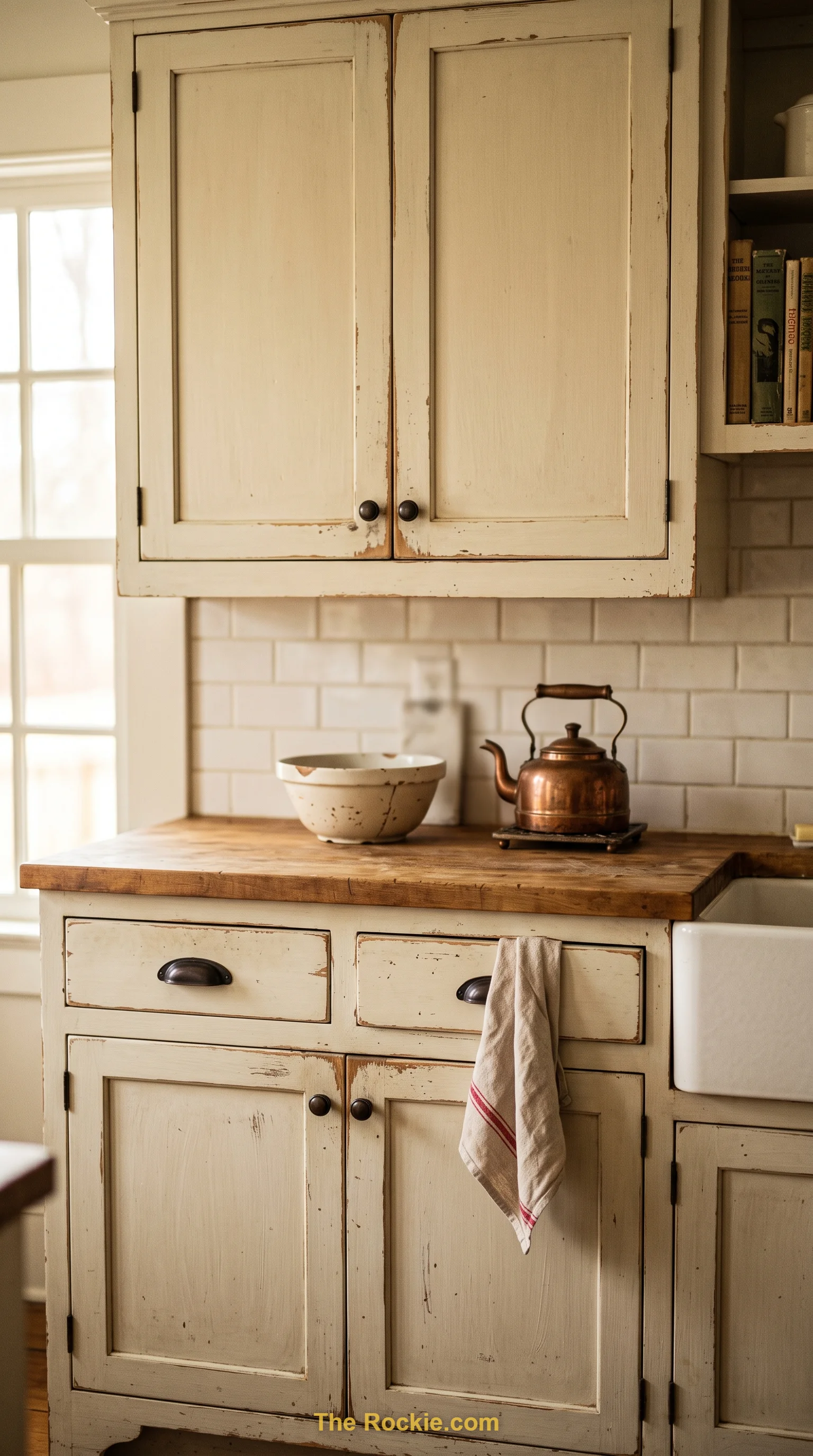
A gently distressed finish gives cabinetry a sense of history and warmth that a flawless coat of paint can’t replicate. Light sanding and a few artistic touches create a lived-in, weathered look well suited to country-style or vintage kitchens. It’s a technique that celebrates a bit of imperfection, turning cabinets into pieces that feel collected over time rather than freshly installed.
5. Modern Matte Finishes
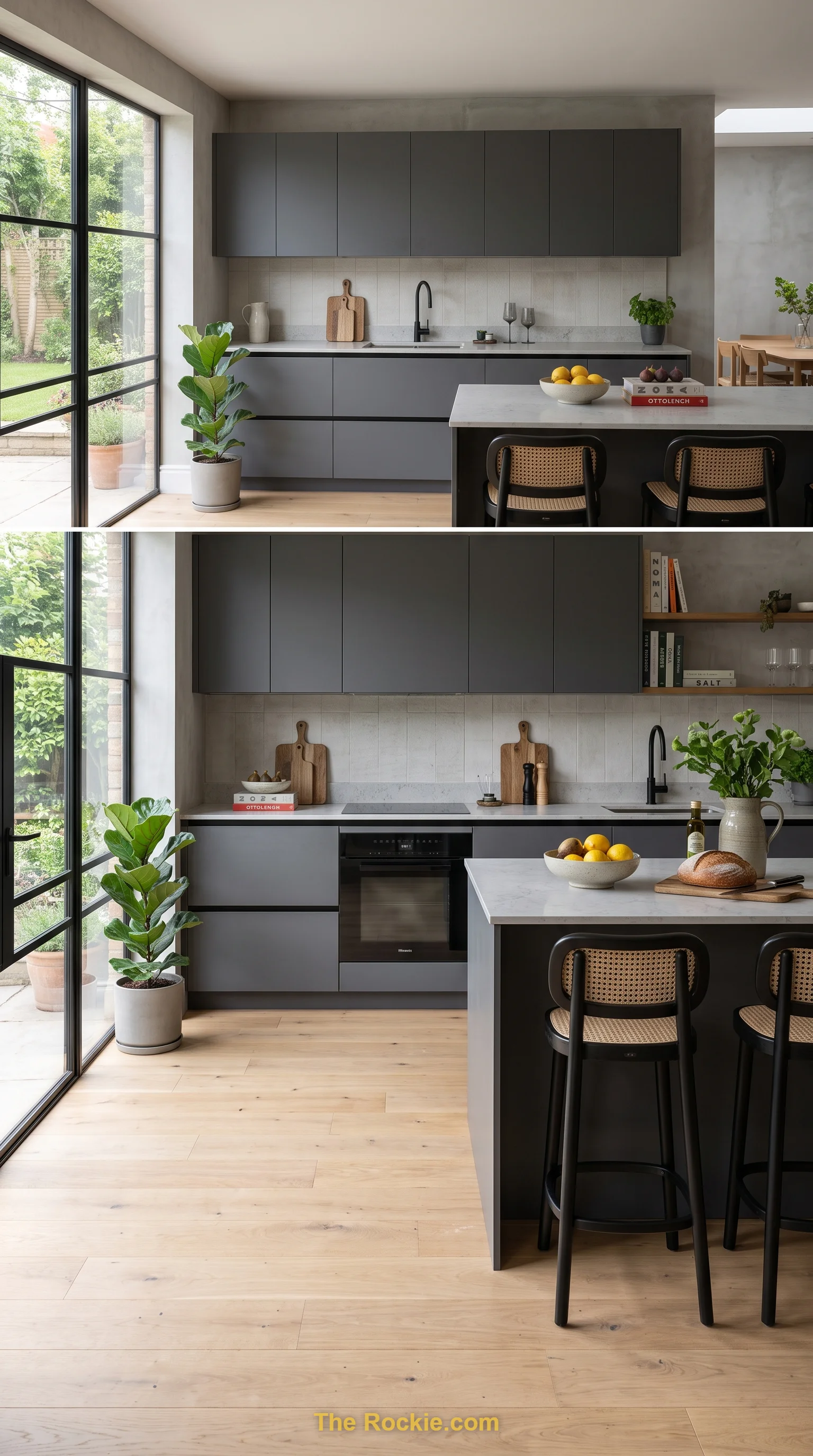
A matte finish brings a soft, non-reflective elegance that hides minor imperfections while adding real visual depth. This understated look suits contemporary kitchens especially well, complementing both minimalist and industrial decor. High-quality matte paint holds up to daily cleaning without losing its refined, subdued character over time.
6. High Gloss for a Contemporary Look
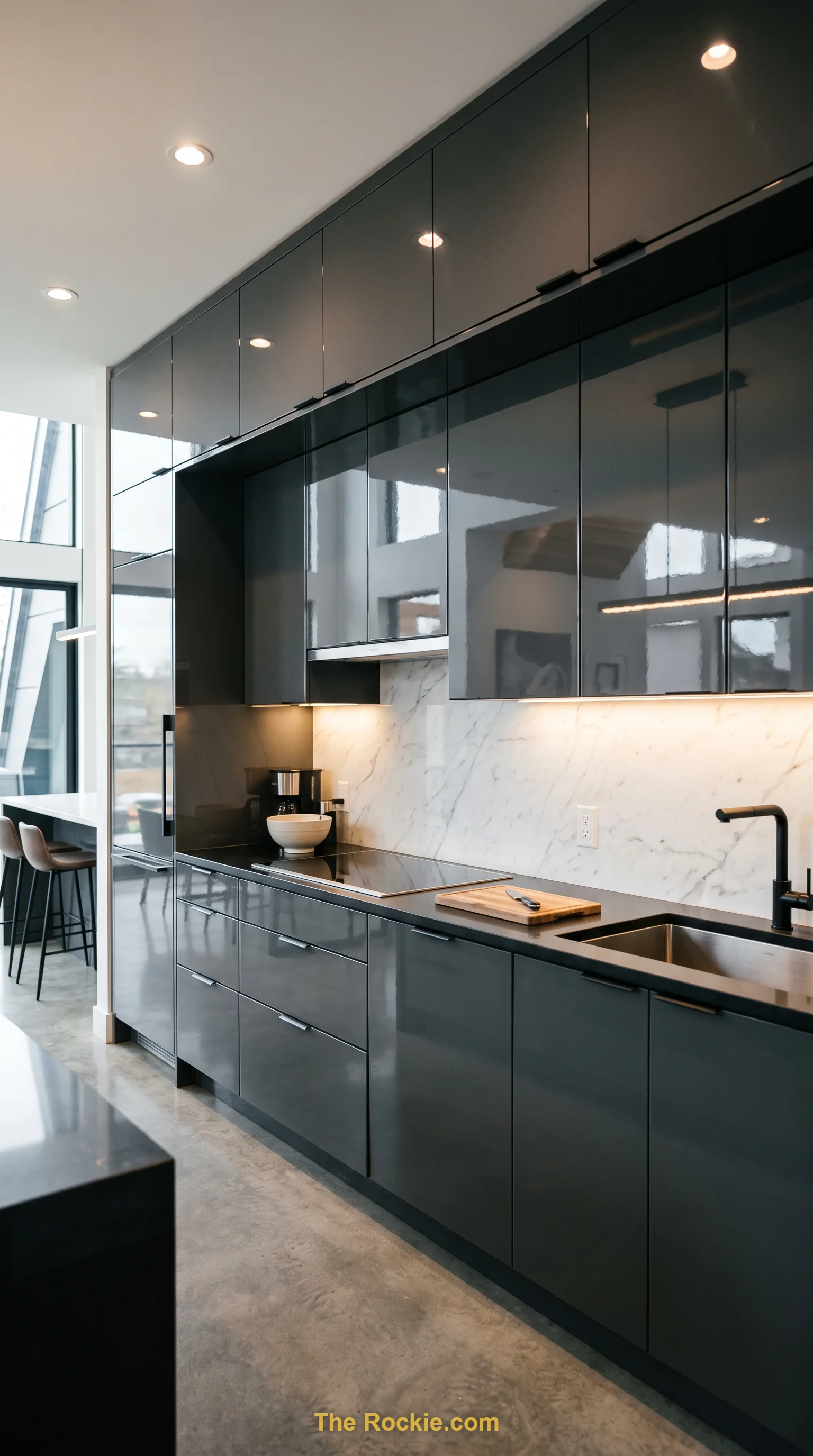
A high-gloss finish delivers sleek, reflective sophistication that emphasizes clean lines and instantly modernizes a kitchen. The interplay between light and shadow on a glossy surface gives cabinetry an almost futuristic quality, and despite the dramatic look, these finishes tend to be genuinely easy to keep clean, making the drama fully practical too.
7. Innovative Color Blocking
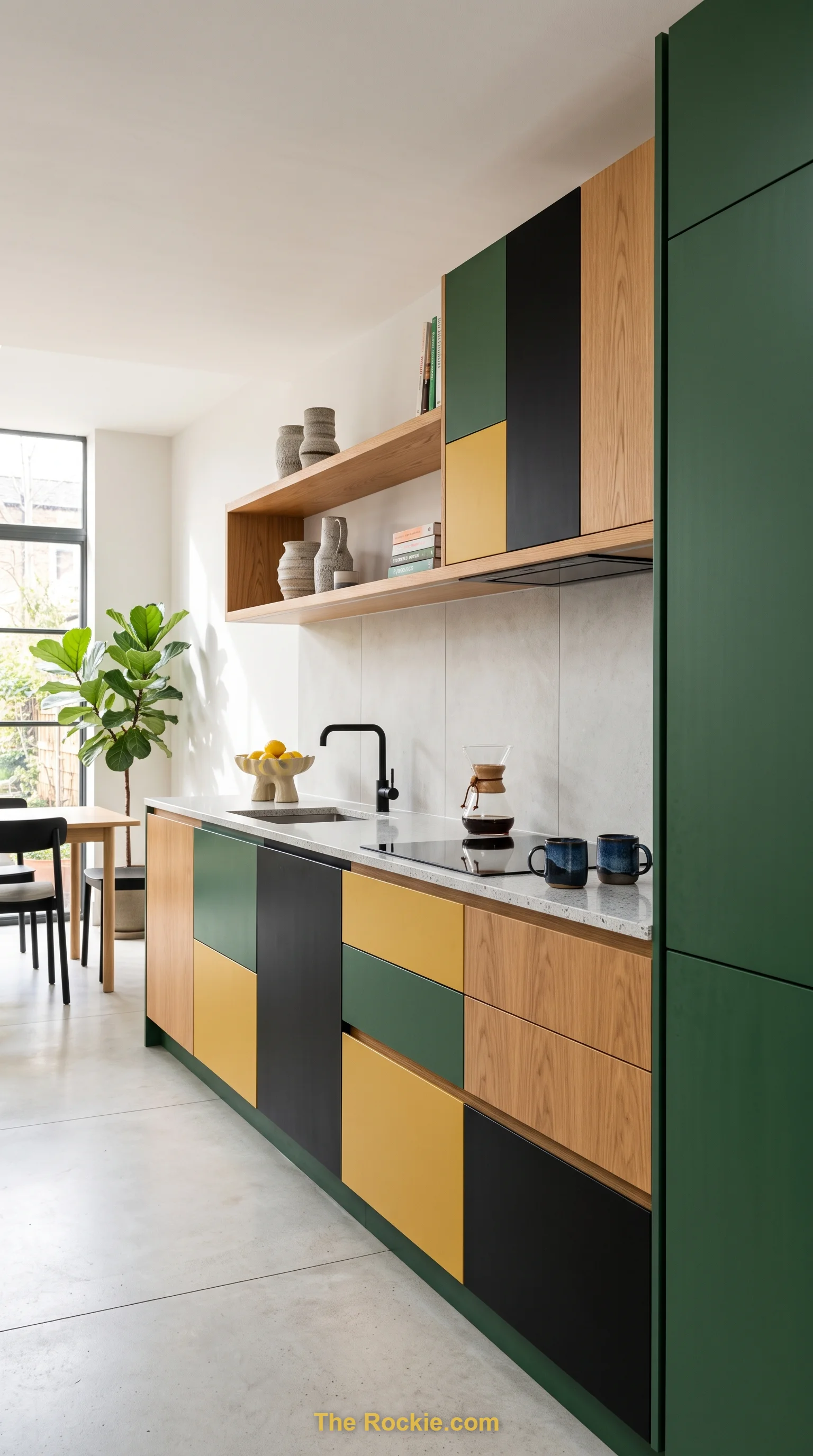
Using contrasting colors across different cabinet sections introduces genuine visual rhythm, emphasizing geometry and structure rather than settling into a single uniform finish. This technique works especially well in kitchens looking to make a bold statement without tipping into visual chaos, using defined lines and complementary hues to keep the effect controlled and intentional.
8. Metallic Accent Details
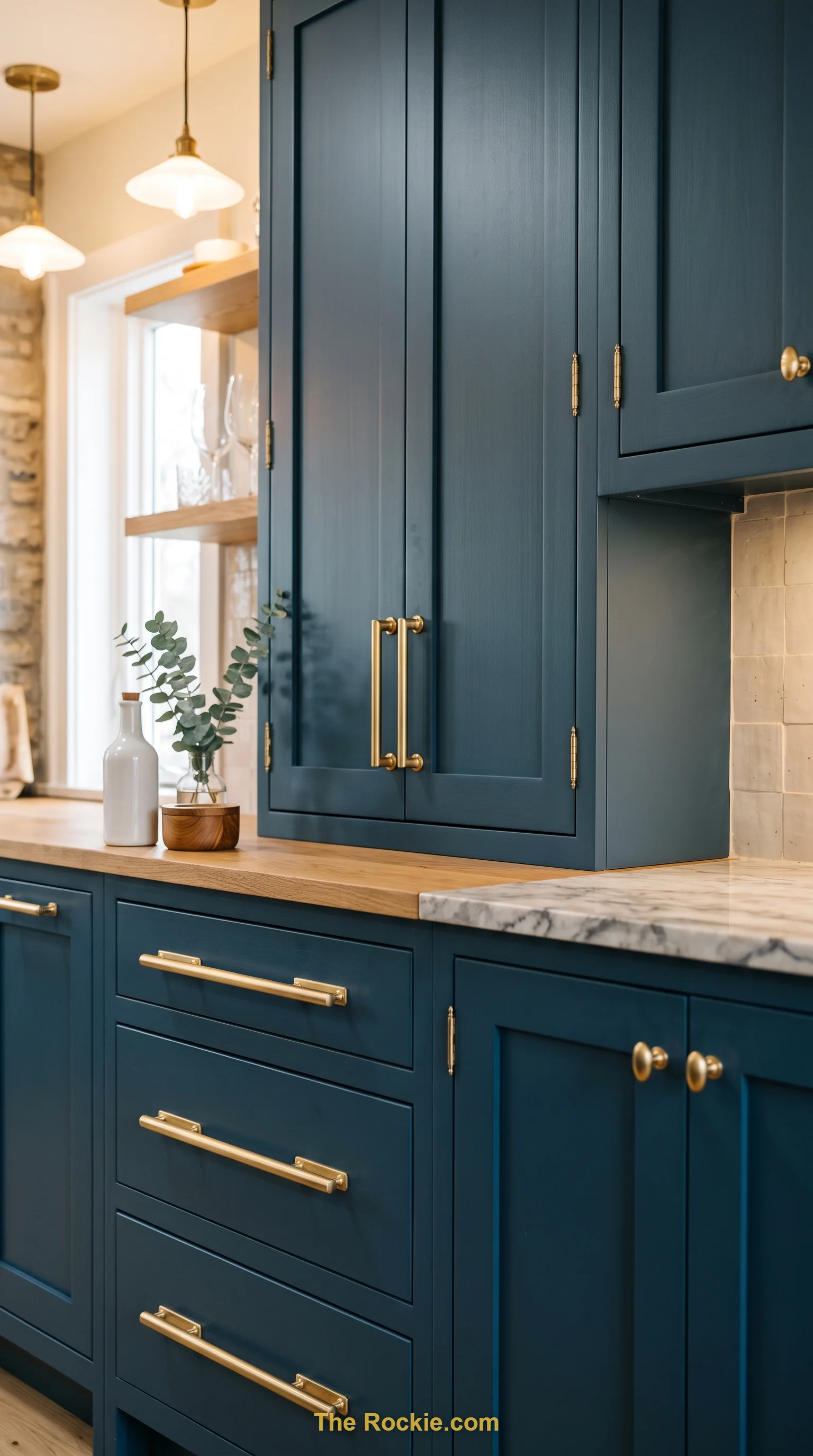
Metallic touches — gold, silver, or copper — on handles, trim, or select door panels bring an unexpected texture and a hint of glamour into a painted kitchen. These reflective accents create subtle interplays of light that make cabinetry feel both current and quietly luxurious, adding polish without requiring a full metallic overhaul.
9. Soft Pastel Touches
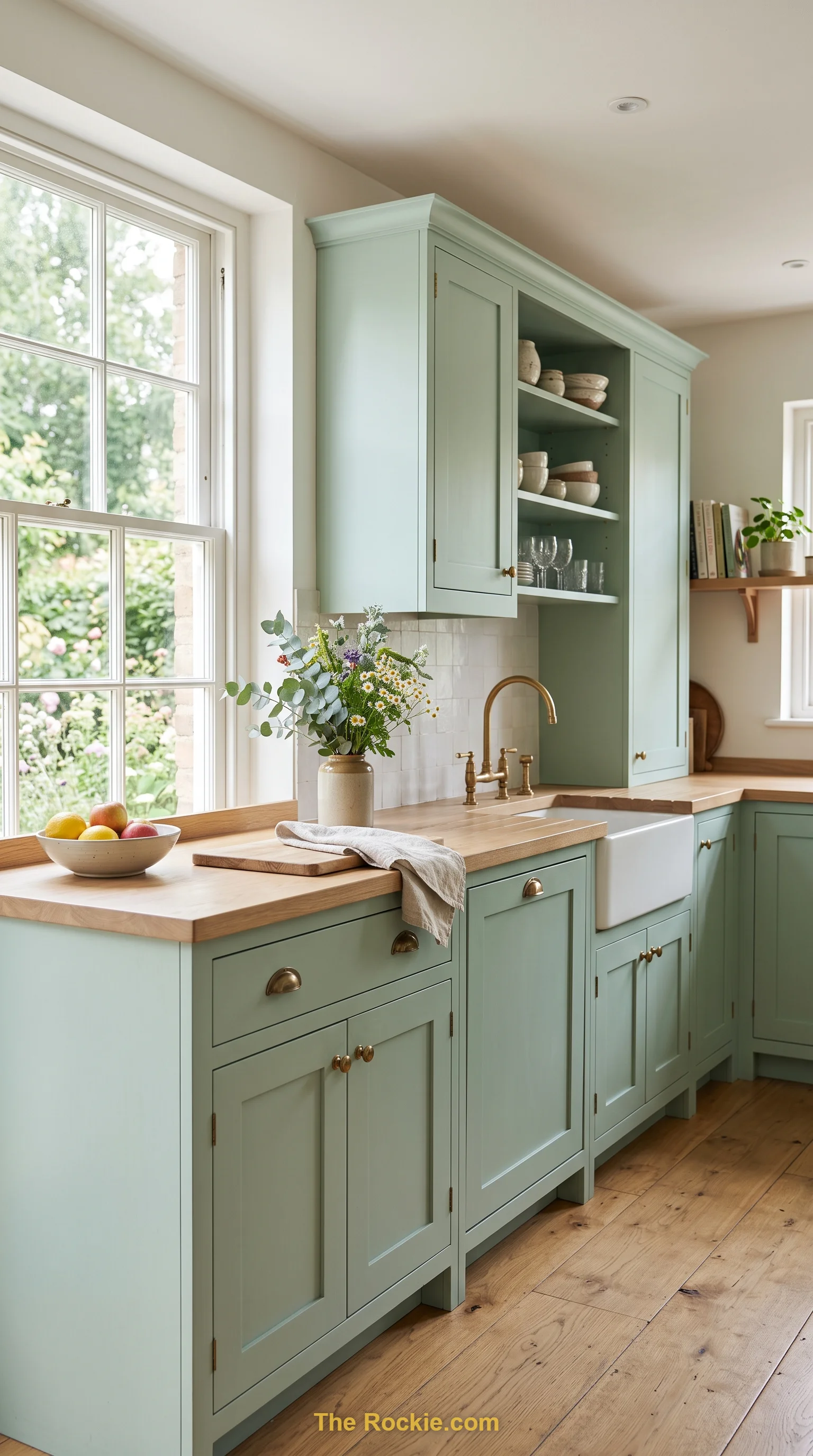
Gentle pastel tones soften bold architectural lines and bring a calm, airy quality into what’s often the busiest room in the house. These light hues pair especially well with natural light and modern fixtures, offering a vibrant yet understated aesthetic that feels genuinely soothing rather than overly sweet.
10. Dark Drama Cabinets
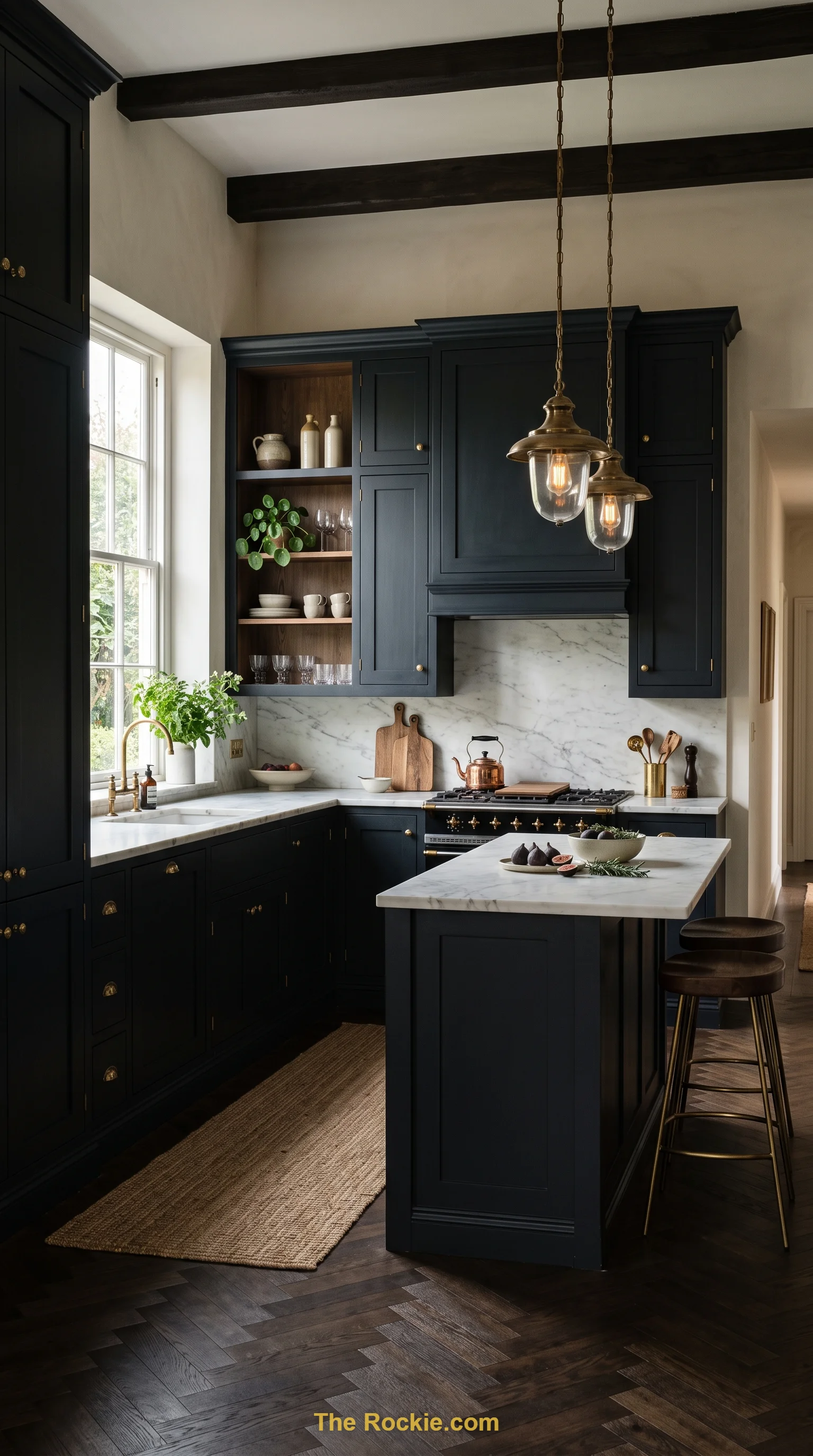
Charcoal, navy, or true black cabinetry transforms a kitchen into a genuinely bold, sophisticated statement. Paired with lighter countertops and backsplashes, dark cabinets create real contrast and depth, though they do need proper lighting and a quality finish to avoid feeling heavy. Done well, they become a striking, commanding focal point rather than an overwhelming one.
11. Eco-Friendly Painting Solutions
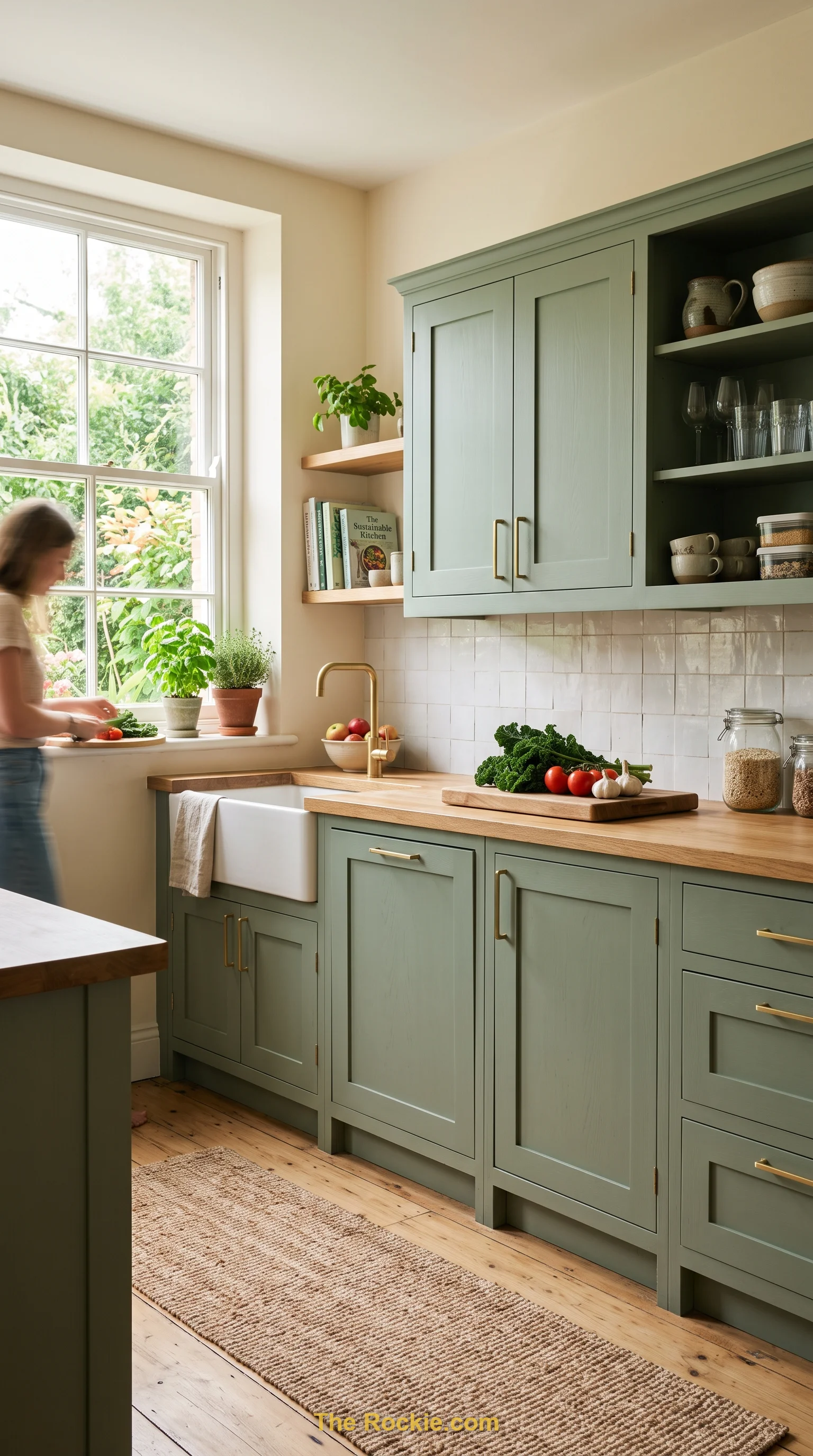
Low-VOC and water-based paints let you refresh cabinetry while genuinely reducing harmful emissions in the home. These sustainable options come in just as wide a range of finishes and colors as their conventional counterparts, meaning no design vision has to be sacrificed for the sake of a greener choice.
12. Creative Stenciled Patterns
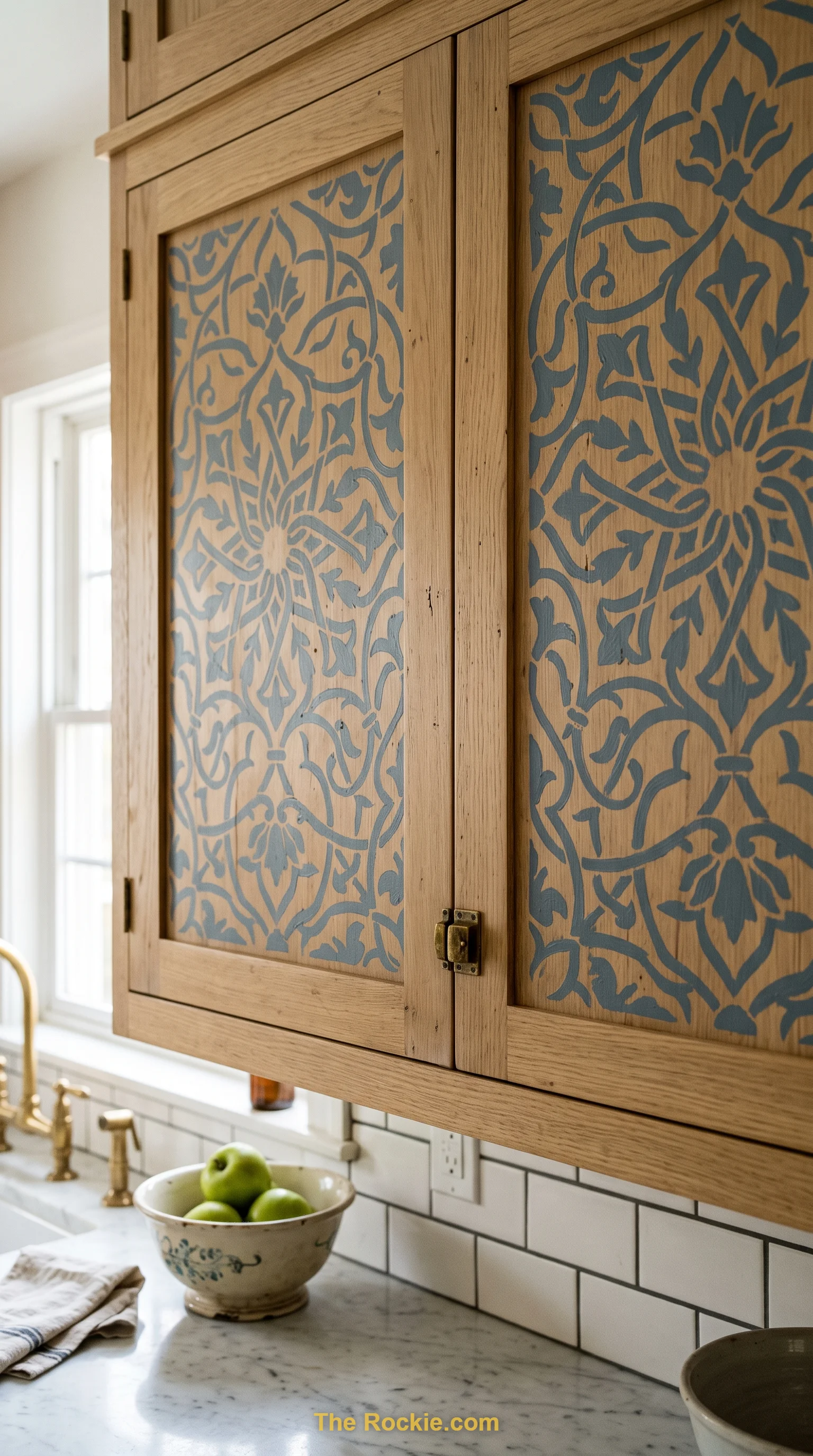
Stenciled details bring genuine artistry to cabinetry, layering geometric or floral patterns onto painted surfaces for a cost-effective way to emulate high-end custom work. With careful planning and steady application, stenciling can produce a dramatic visual impact while remaining easy to maintain over time.
13. Open Shelving Integration
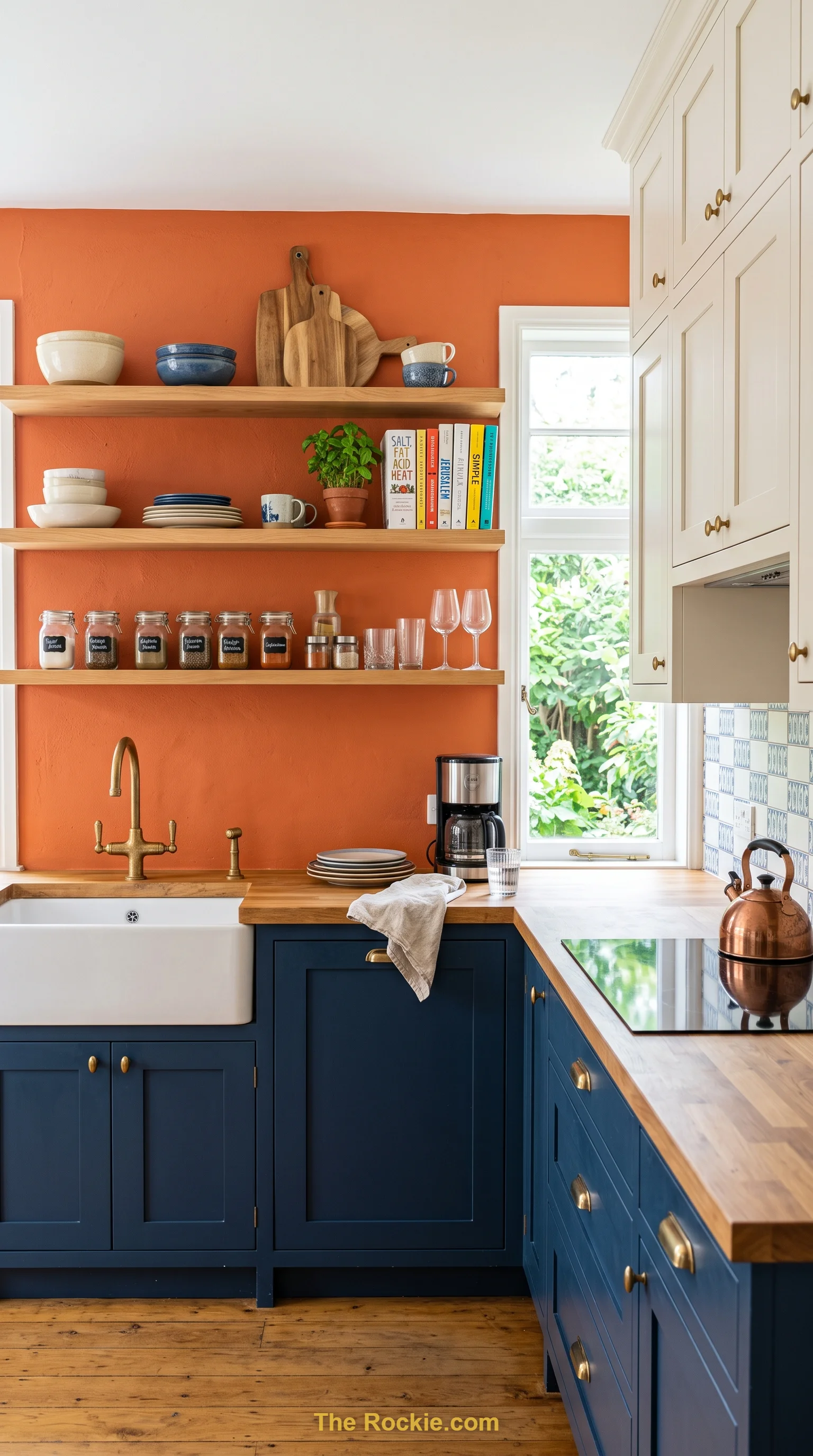
Pairing painted cabinetry with sections of open shelving creates a visually engaging blend of hidden storage and displayed decor. The painted cabinets act as a bold backdrop for whatever’s shown on the shelves, striking a genuine balance between practicality and an airy, more personal design.
14. Mixed Upper and Lower Hues
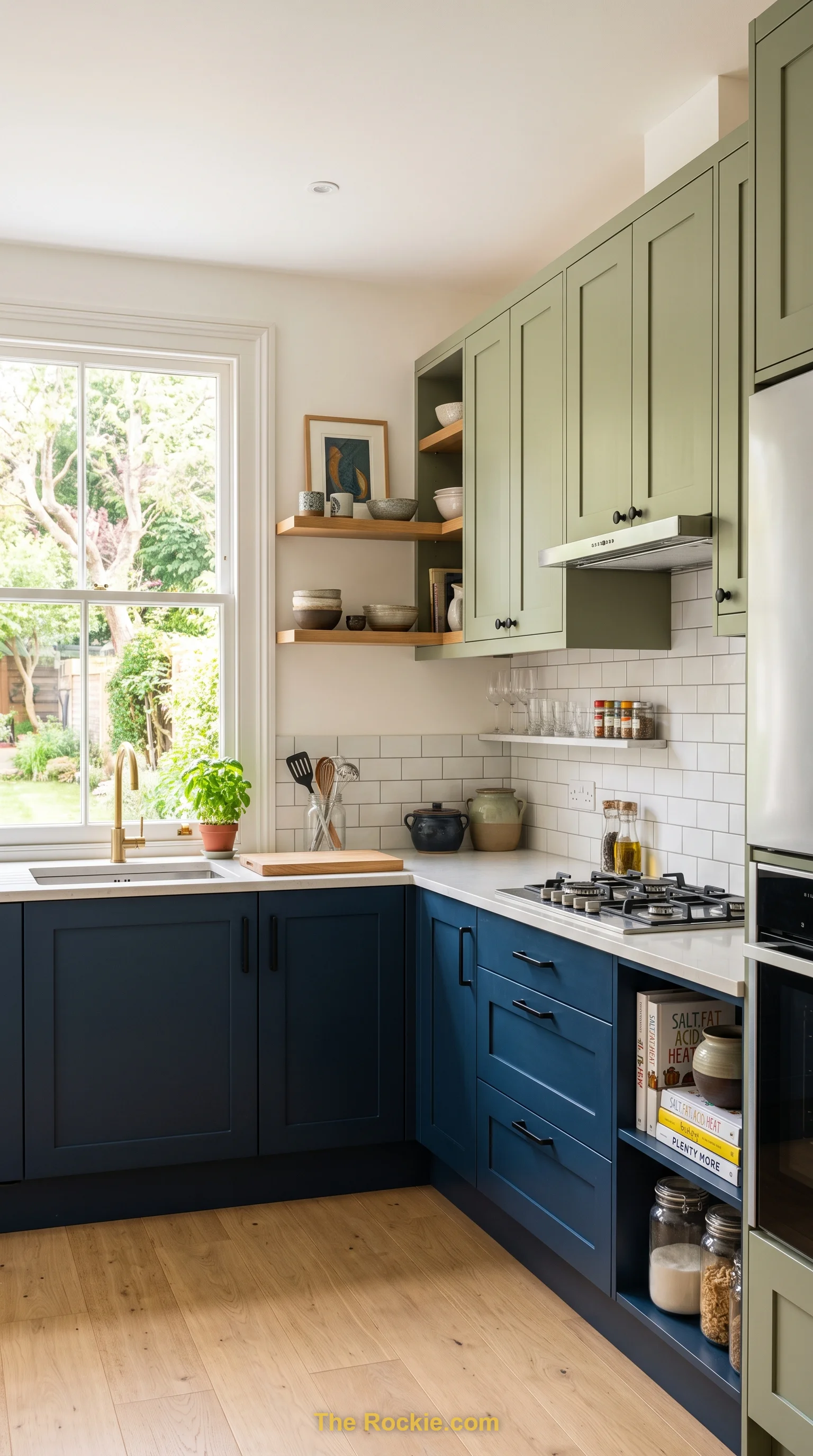
Choosing different colors for upper and lower cabinetry adds a playful, organized visual segmentation that guides the eye through the kitchen. Contrasting or complementary hues highlight architectural lines and give the whole room a distinctive energy, turning a routine paint job into a genuinely considered design decision.
15. Accent Trim Detailing
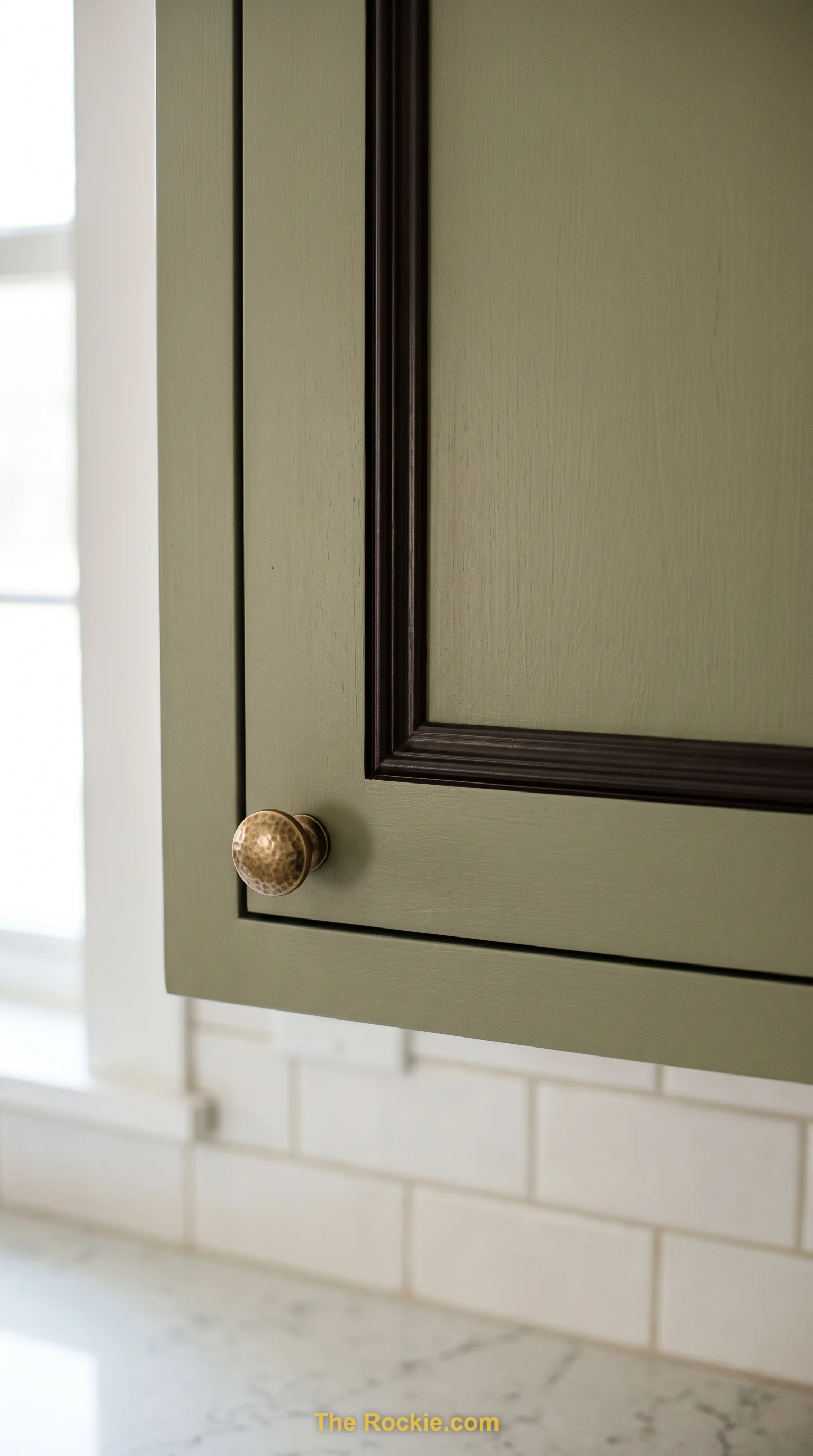
A contrasting color applied just to the trim or molding draws attention to intricate details without requiring a full cabinet repaint. This subtle move enhances structure and definition throughout the kitchen, transforming plain-looking cabinetry into something that reads as custom-tailored and considered.
16. Enchanting Ombre Effects
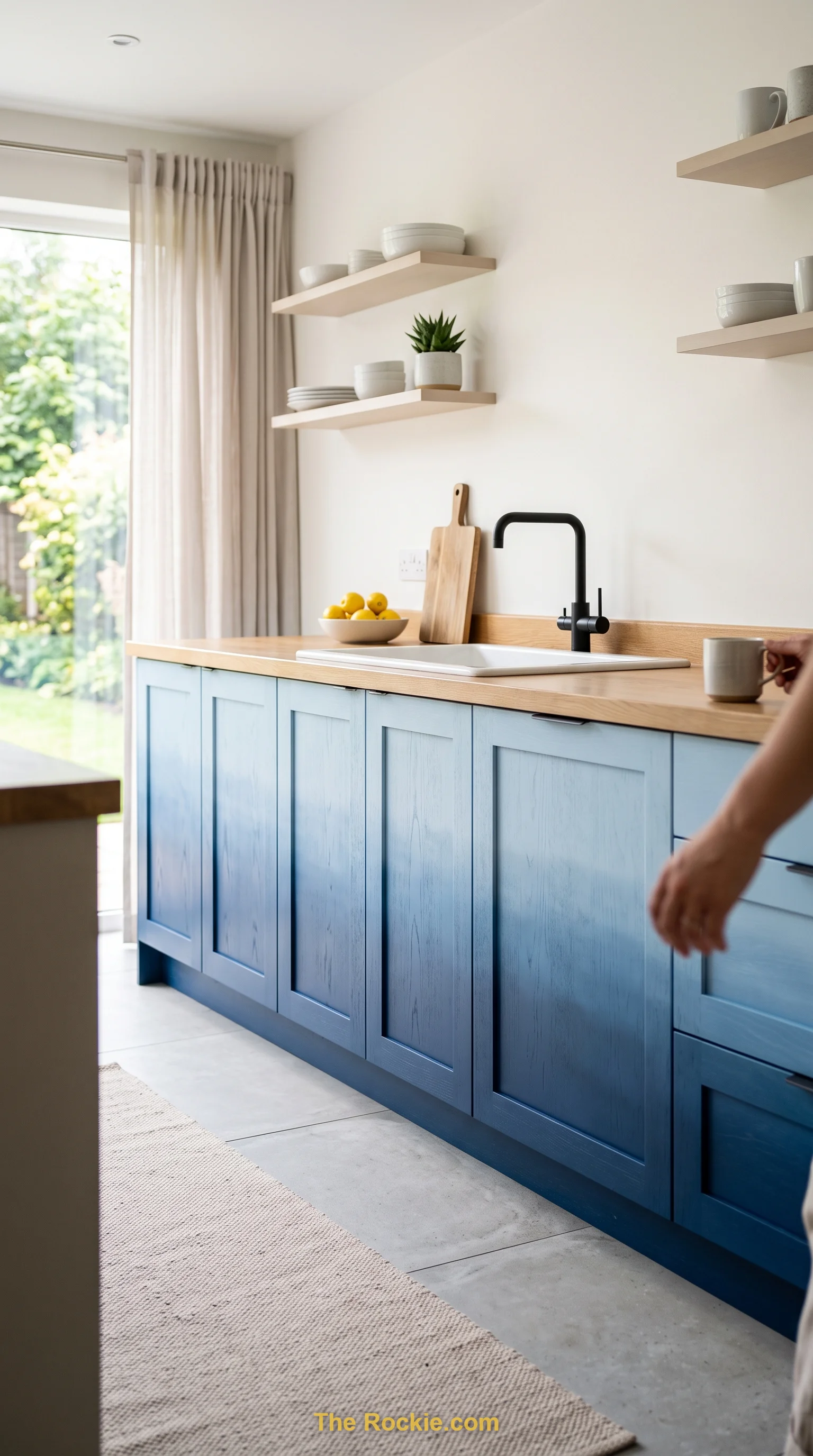
A gradual color transition — deep and saturated at the base, lightening toward the top — creates a genuinely mesmerizing visual journey across cabinetry. The subtle gradient adds depth and warmth, complementing natural light and modern decor alike. It takes patience to blend well, but the payoff is a captivating centerpiece unlike anything achievable with a flat, single color.
17. Faux Wood Painting Techniques
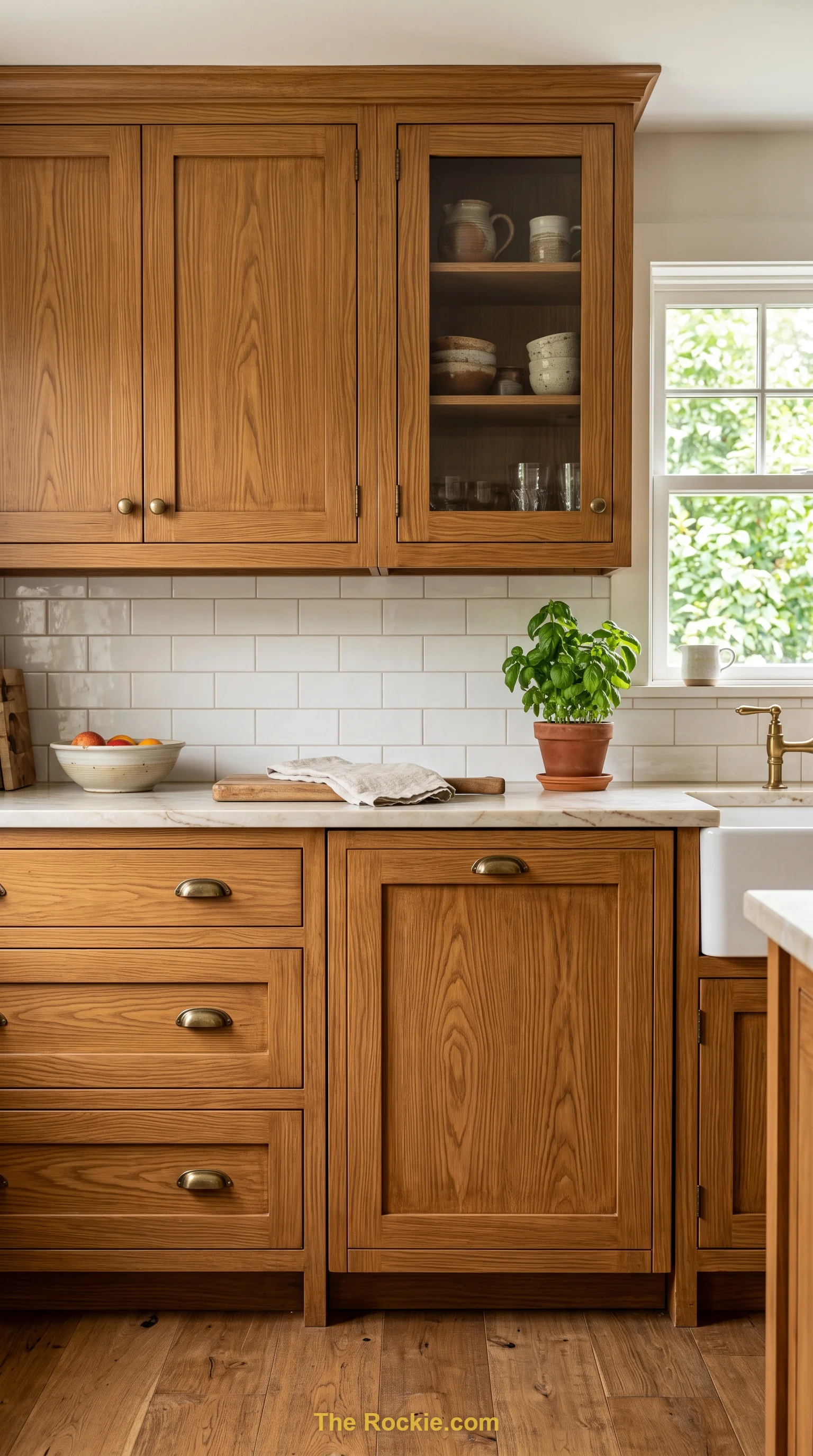
Layered paint and hand-applied grain details can mimic the warmth of real wood at a fraction of the cost. This technique brings genuine tactile character to cabinetry, and depending on execution, can read as rustic or refined, adapting to a wide range of surrounding kitchen styles without the expense of actual wood.
18. Elegant Glass-Front Transformations
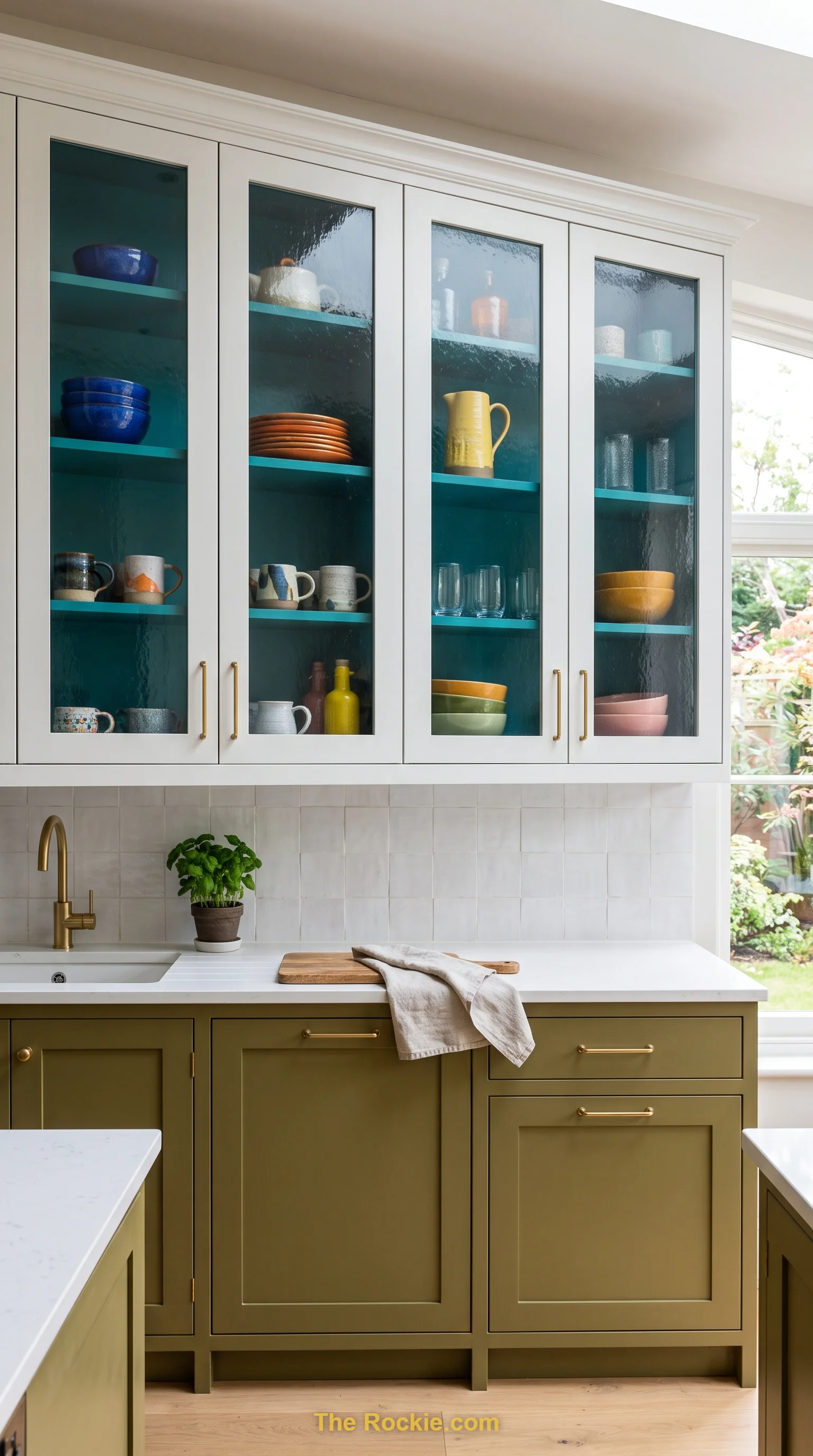
Painting the interior surfaces behind glass-front cabinet doors creates unexpected pops of color that catch the eye without dominating the room. This subtle twist blends the modern appeal of glass with the versatility of paint, offering a customizable detail that adds depth and a bit of surprise to the kitchen.
19. Inspiring Chalkboard Surfaces
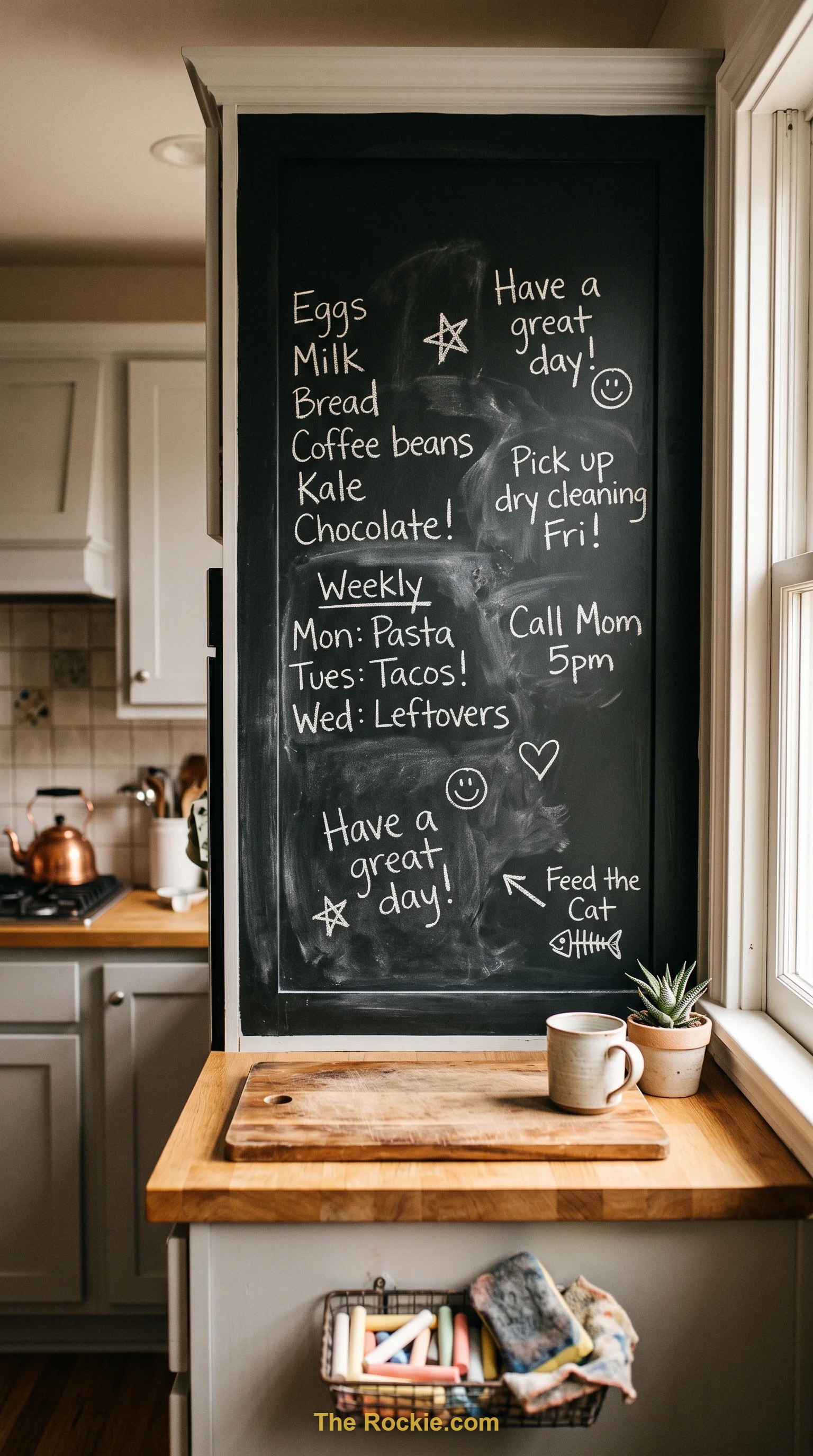
Chalkboard paint turns select cabinet doors into interactive, ever-changing spaces for recipes, reminders, or a bit of doodling. It’s a genuinely functional idea as much as a decorative one, easy to update and wipe clean, and especially well suited to busy households or anyone who likes a bit of personal flair built into their everyday kitchen.
20. Expressive Brush Stroke Textures
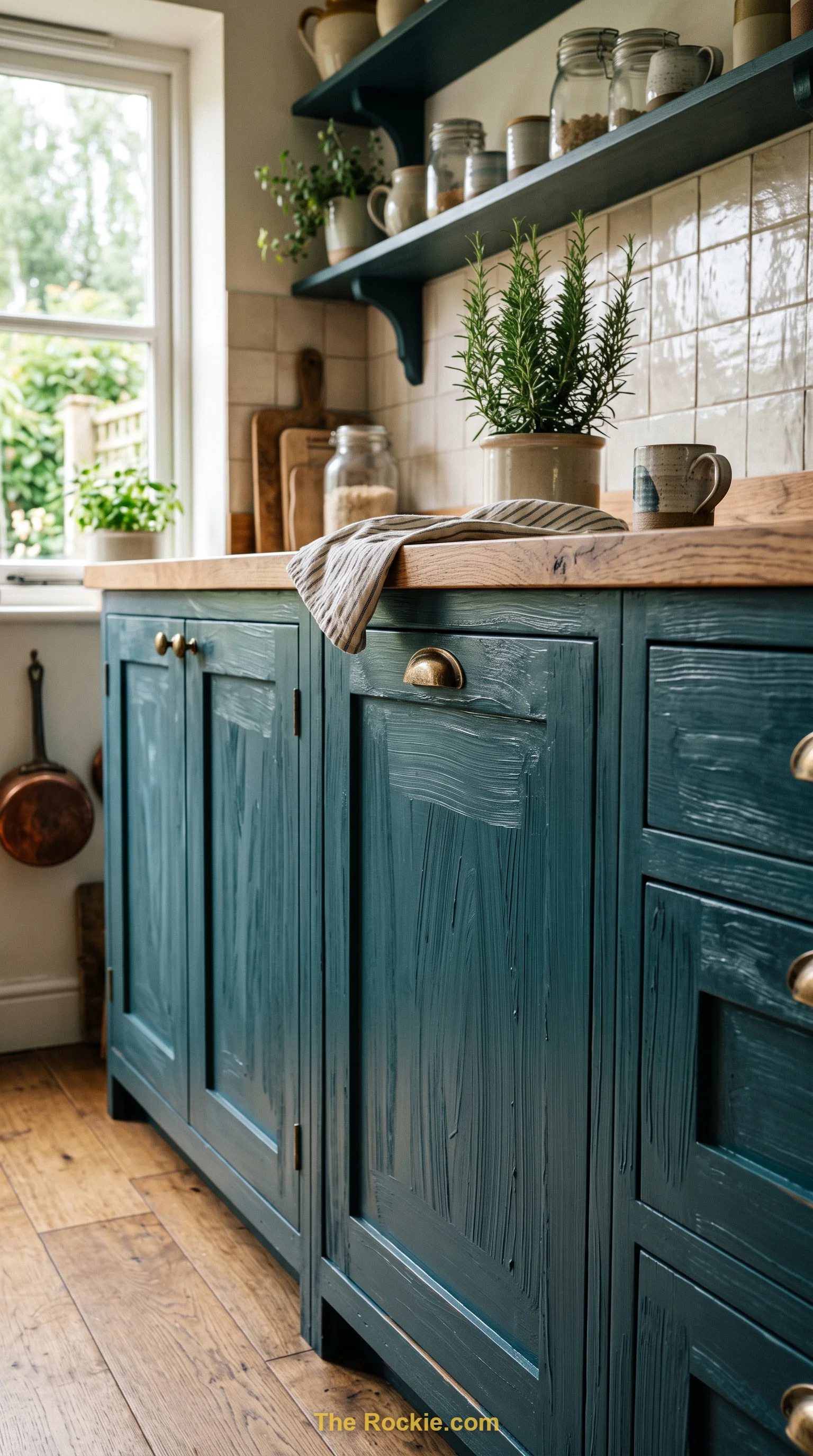
Deliberate, visible brushstrokes give cabinetry a genuinely hand-crafted quality, adding movement and personality that flat, uniform paint can’t achieve. This approach suits anyone who wants an artisanal touch without disrupting the overall structure of a modern kitchen, turning each cabinet into a small canvas in its own right.
21. Industrial Weathered Finishes
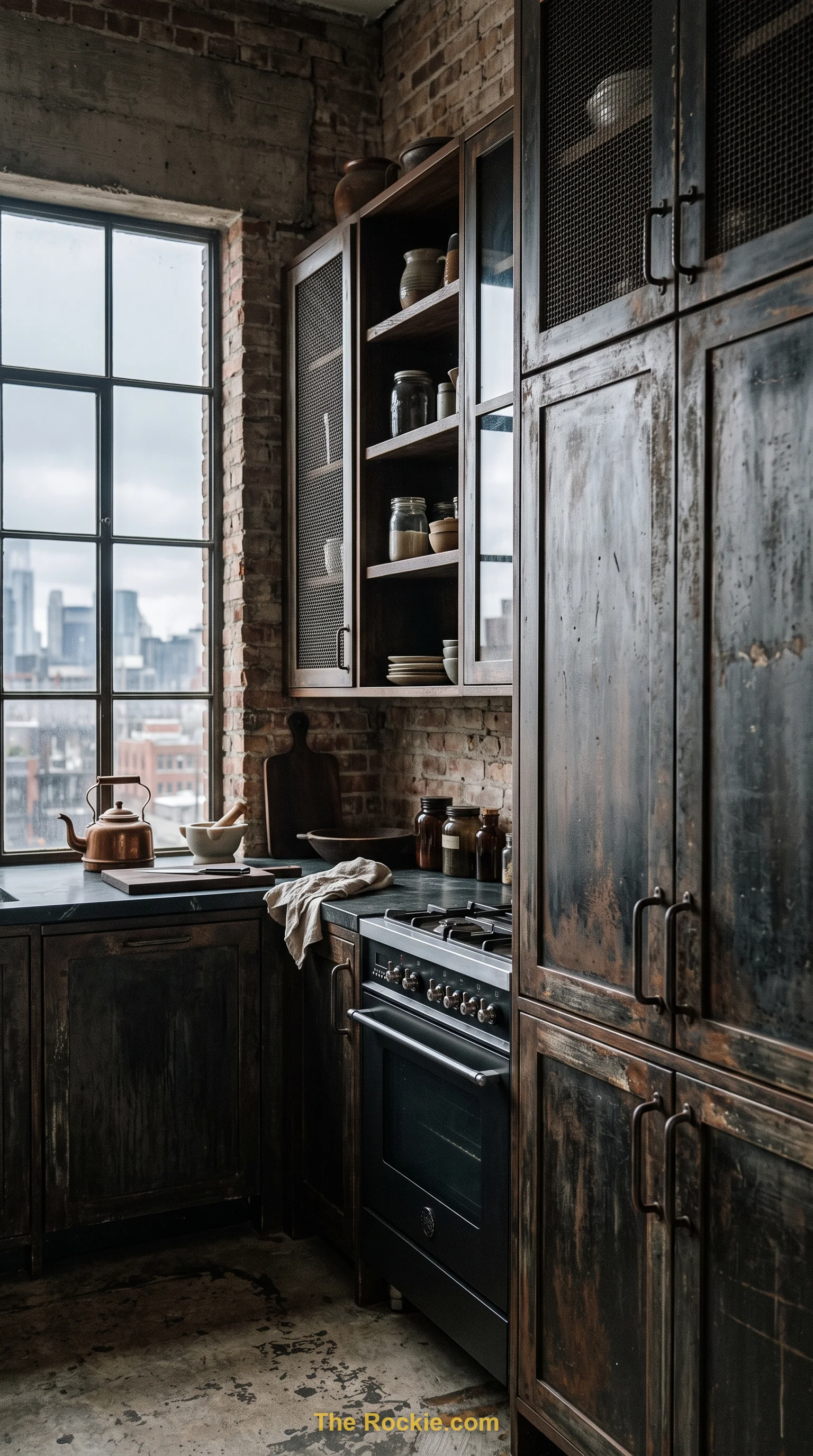
Techniques that mimic worn textures and faded pigments bring genuine urban edge and a sense of history into cabinetry. This blend of rugged authenticity and modern sophistication appeals to anyone drawn to an industrial, lived-in aesthetic, layering distressed detail carefully enough to look intentional rather than neglected.
22. Custom Artistic Detailing
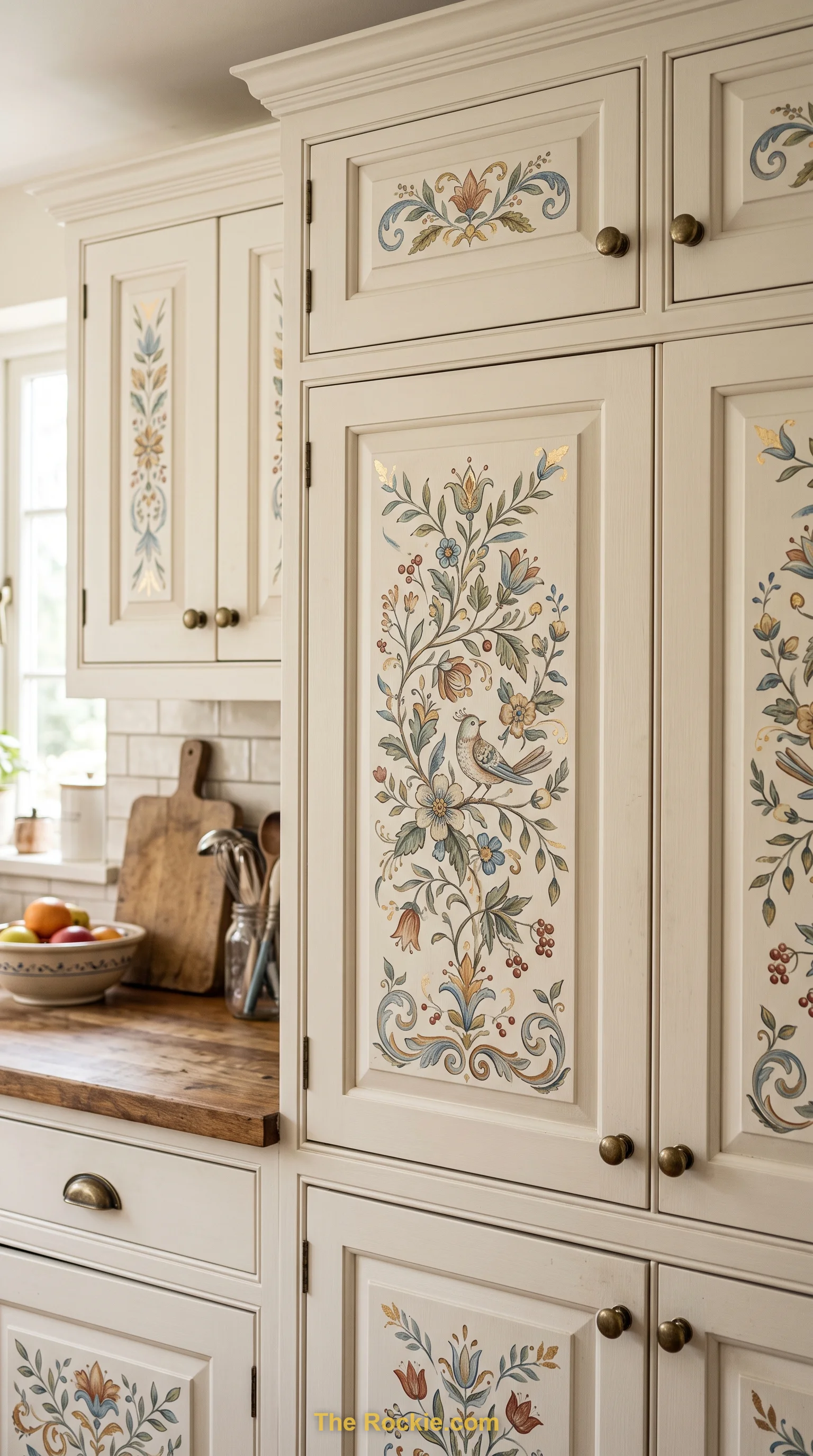
Hand-painted motifs, delicate patterns, or personalized symbols turn ordinary cabinetry into genuinely bespoke works of art. This is the most labor-intensive option on the list, but it offers the most individual expression, transforming utilitarian surfaces into inspiring focal points that tell a distinctly personal story.
Final Thoughts
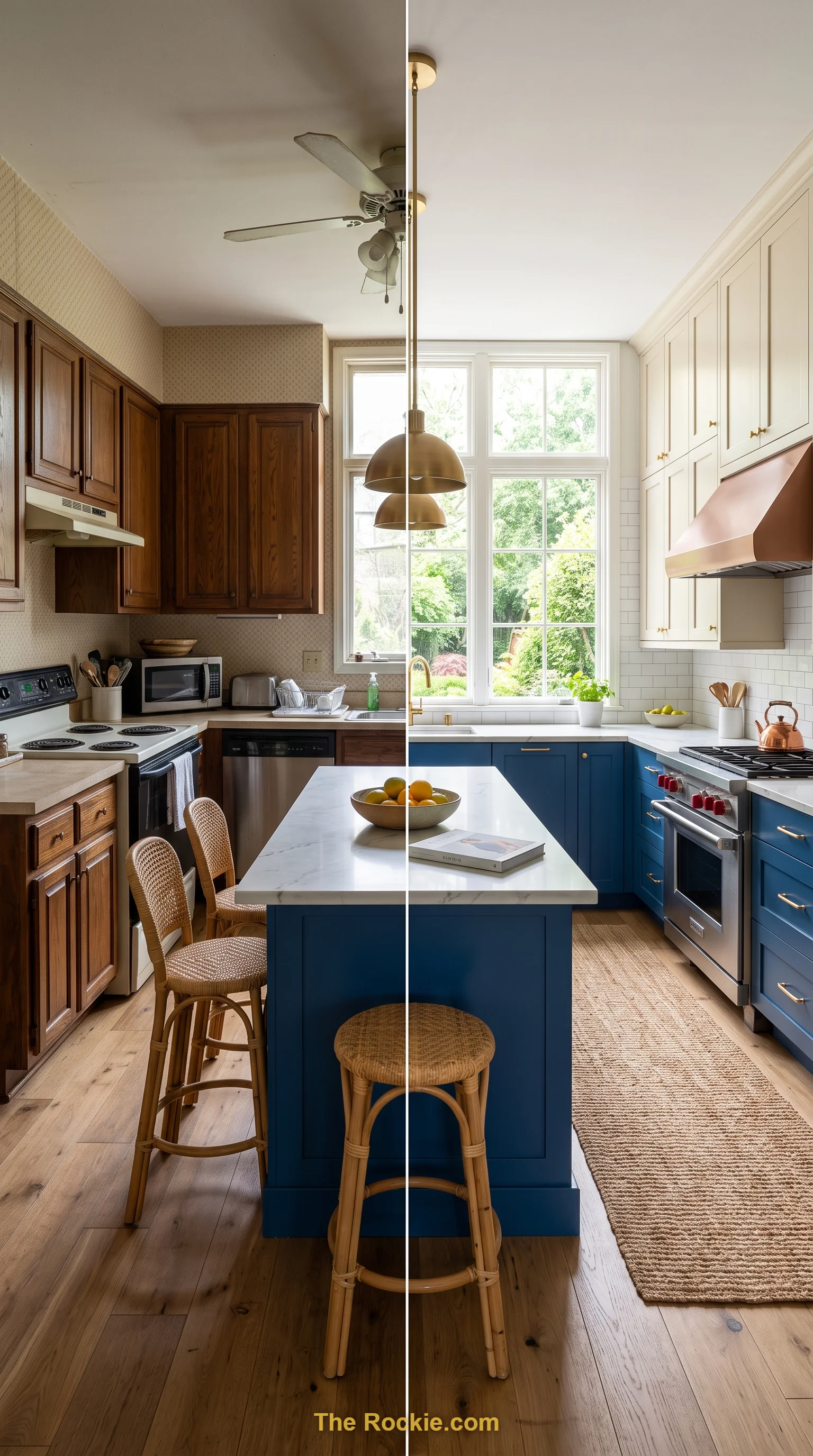
Twenty-two directions, and every one of them proves the same point: a coat of paint is one of the highest-impact, lowest-cost changes you can make to a kitchen. Whether you go with the safety of crisp white, the drama of a dark, moody palette, or something more hands-on like faux wood or custom detailing, the right technique can make cabinetry feel completely reinvented — no full renovation required.


