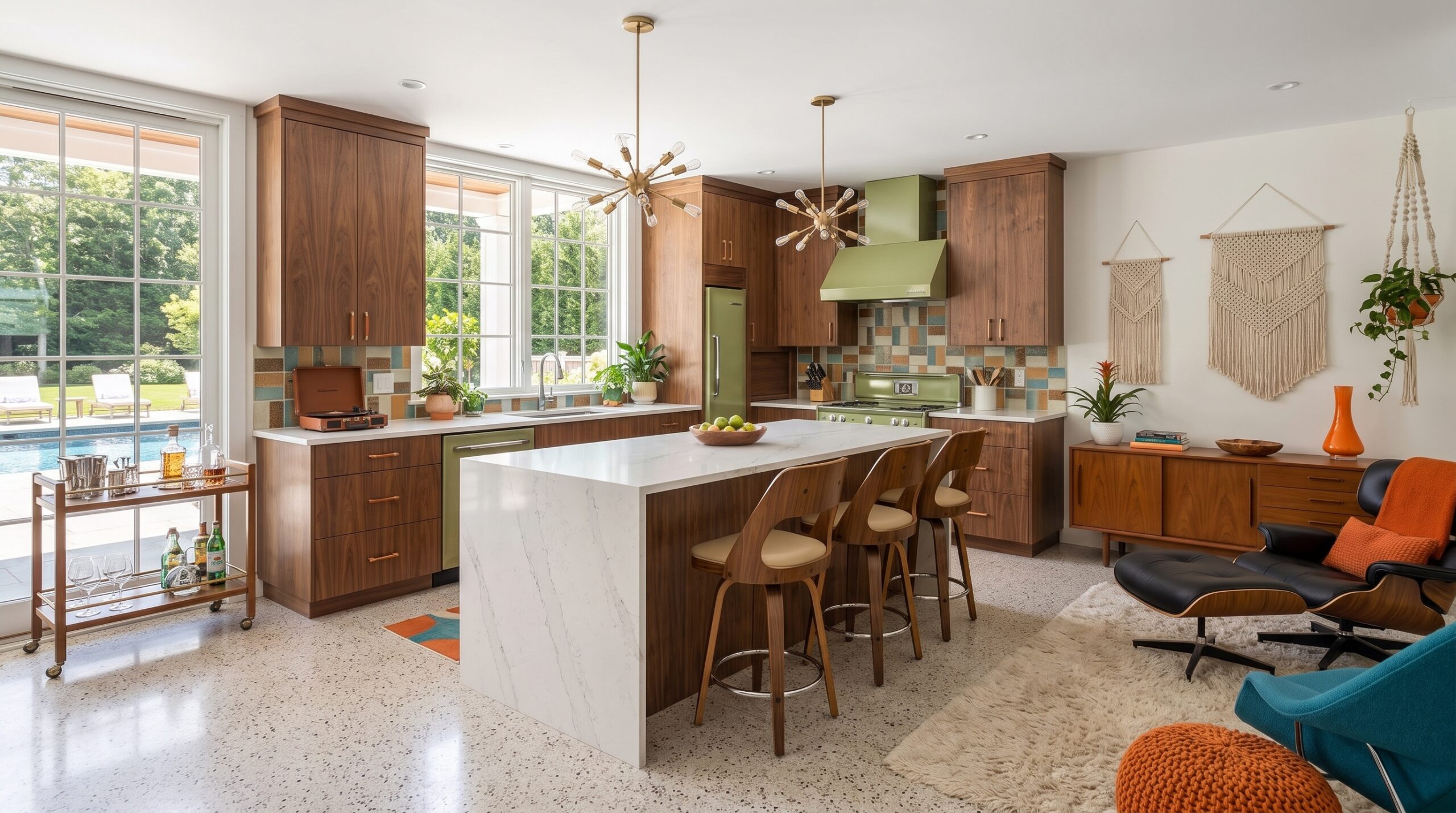
20+ Transitional Kitchen Ideas Blending Modern & Classic

Transitional design exists because most people don’t actually want to choose a side. Full-on traditional can feel heavy and dated; full-on modern can feel cold and impersonal. The transitional kitchen splits the difference on purpose — crown molding next to a flat-front cabinet, a marble counter under a sleek pendant light — and somehow the mix reads as more considered than either extreme on its own.
What makes this style genuinely useful, rather than just a design trend, is how forgiving it is. You don’t need to commit fully to farmhouse or fully to minimalism; you can layer in whatever combination of old and new actually reflects how you live. Here are 22 ways to strike that balance, from big-picture layout decisions down to the small details that make a transitional kitchen feel finished rather than undecided.
1. Blending Traditional and Modern Side by Side
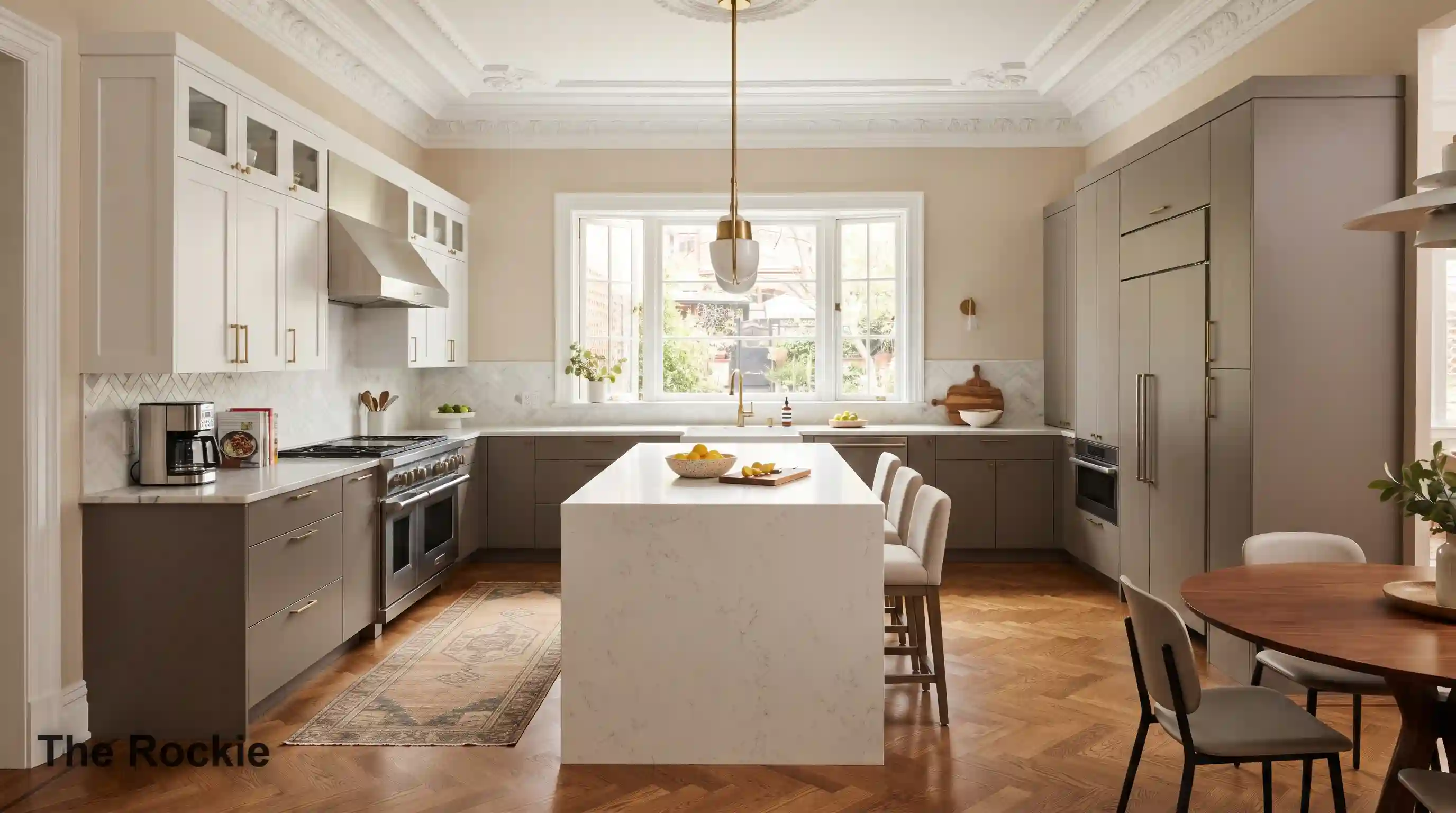
The heart of transitional design is putting ornate and minimal details in the same room and letting them work together instead of competing. Detailed crown molding paired with crisp, contemporary hardware is a classic combination — the kind of contrast that gives a kitchen real depth instead of settling into one predictable look. It’s an approach that rewards a bit of experimentation, mixing historical texture with newer finishes until the balance feels right.
2. A Neutral Palette as the Common Ground
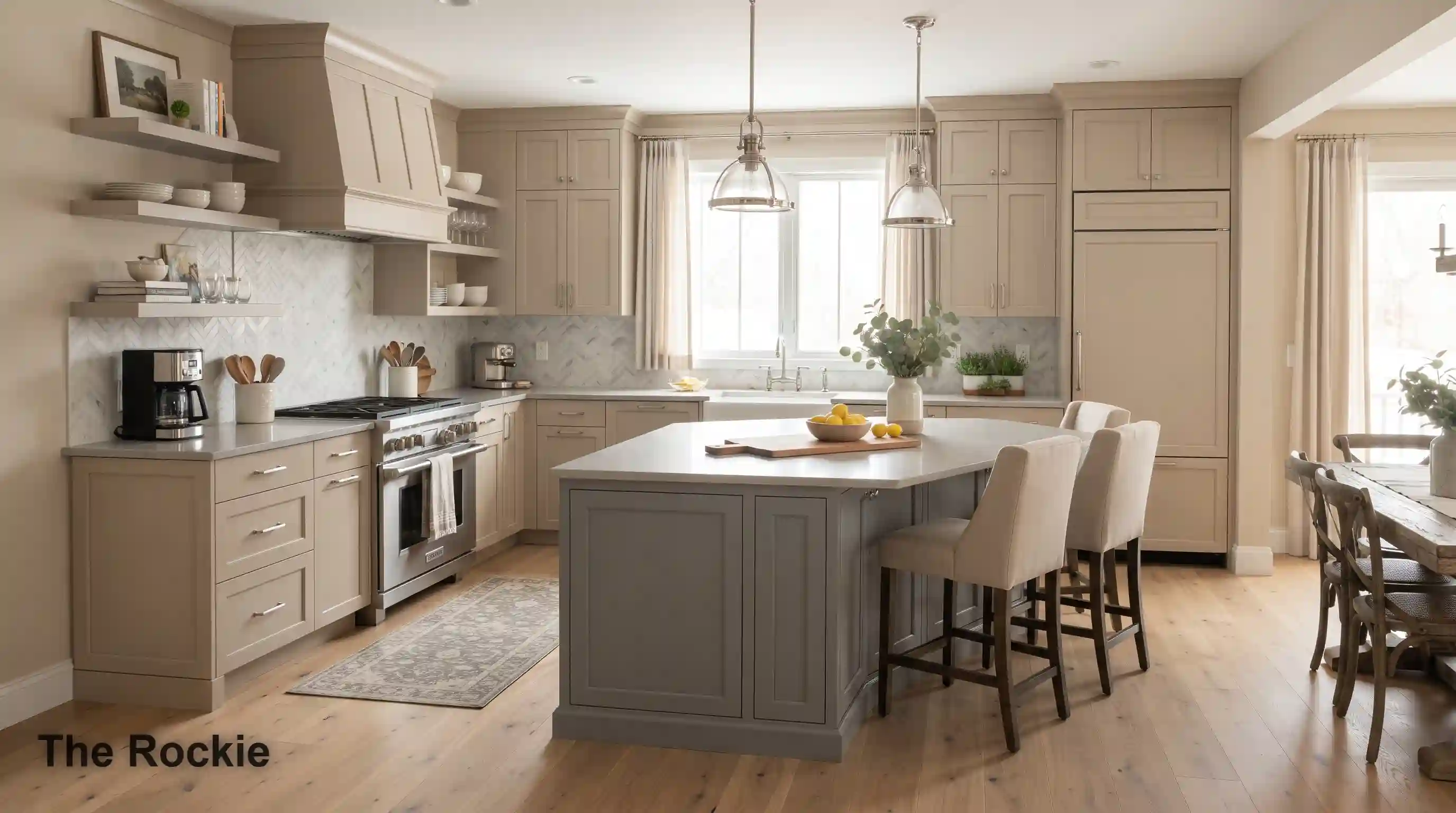
Warm beiges and cool grays give a transitional kitchen a calm, adaptable backdrop that works with almost any fixture style you layer on top. Neutral tones don’t compete with either vintage or modern elements — they just let both sit comfortably in the same room. It’s a low-risk, high-payoff choice that keeps the kitchen feeling timeless rather than tied to a particular decade.
3. Layering Texture and Pattern With Restraint
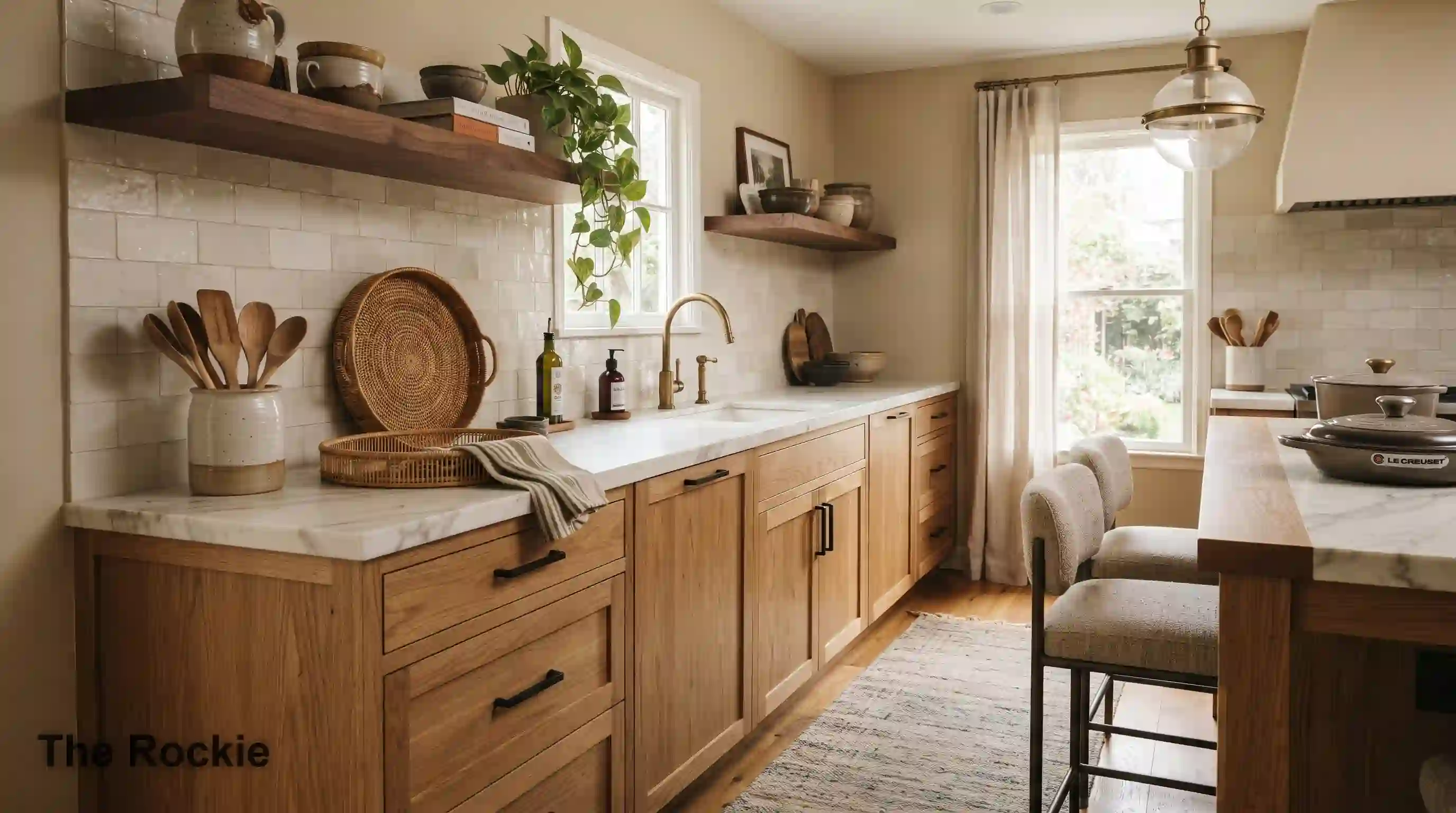
Natural wood grain next to polished marble, soft textiles against harder surfaces — this kind of textural layering gives a transitional kitchen genuine tactile interest without needing bold color to do the work. Mixing materials thoughtfully also has a practical upside, softening the room’s acoustics and making it feel warmer underfoot and to the touch. It’s a detail-oriented approach that pays off the longer you spend in the room.
4. Function and Style, Given Equal Weight
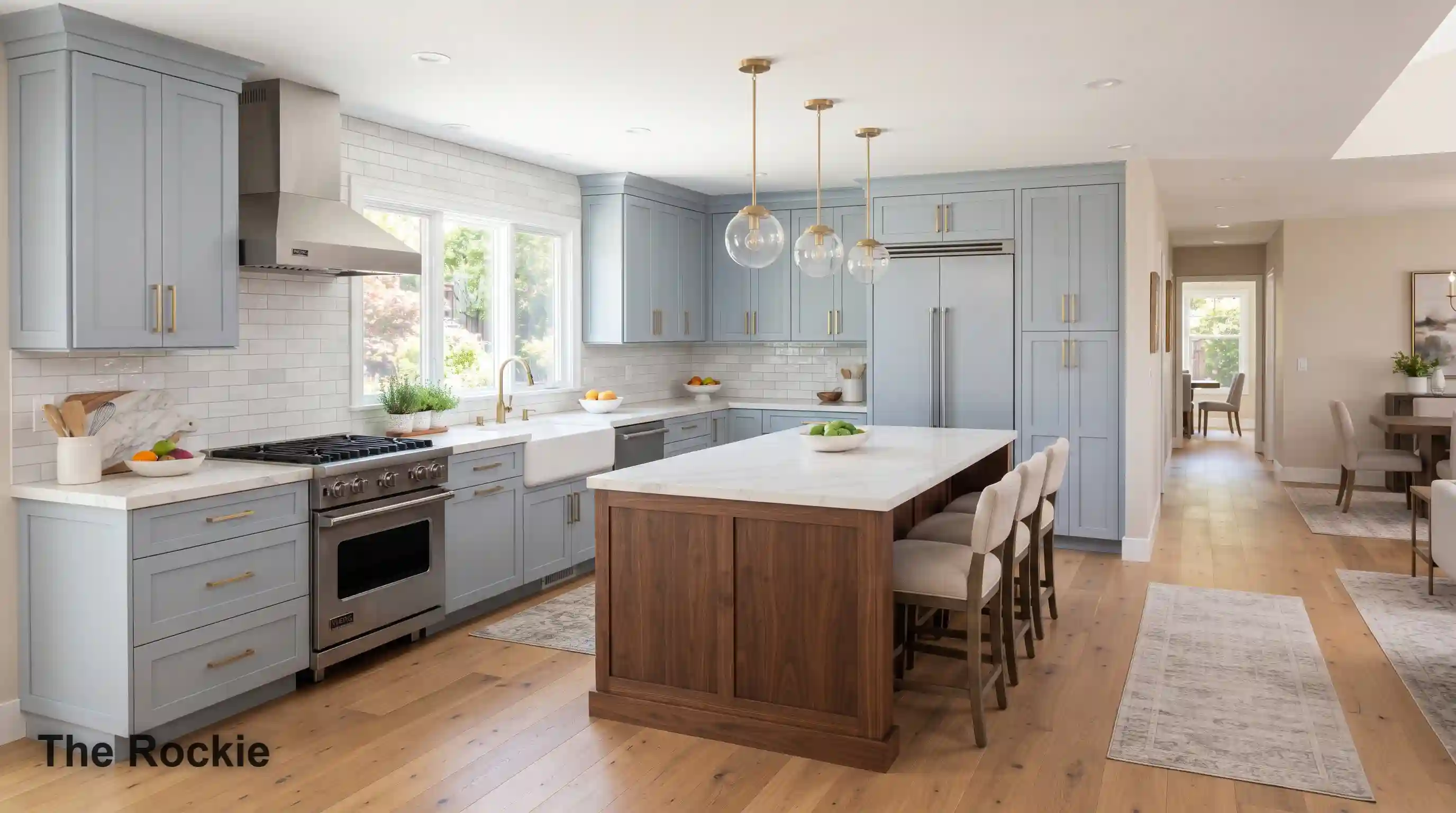
A transitional kitchen works best when the layout is planned around real daily movement — easy access to appliances, clear paths between zones — without sacrificing any of the visual polish. Ergonomic fixtures paired with decorative accents let the room look good and perform well at the same time. It’s the practical backbone that keeps the more decorative choices on this list from feeling like style over substance.
5. Natural Materials for Warmth
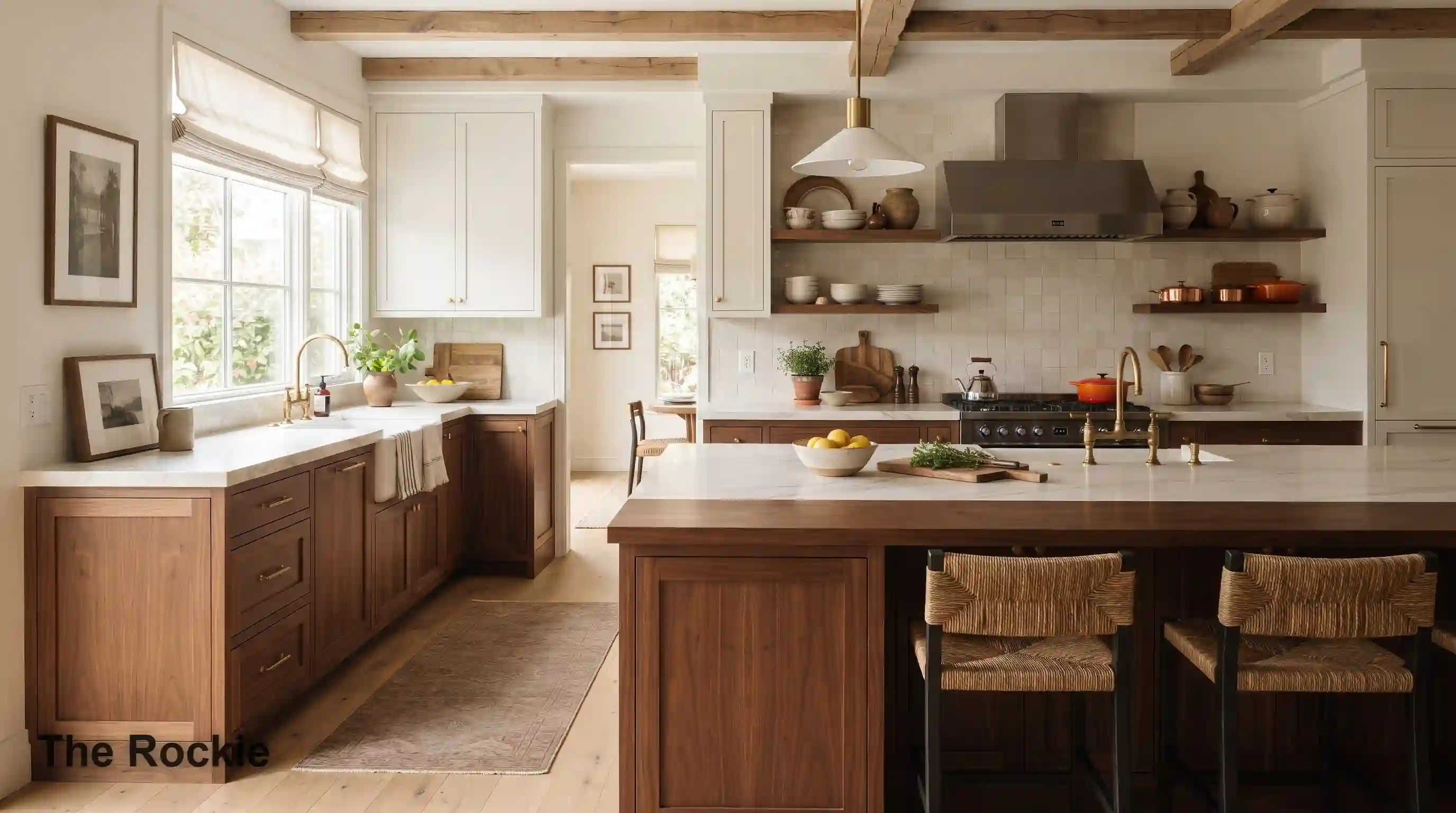
Wood, stone, and bamboo bring an organic quality into a transitional kitchen that pure modern finishes can’t replicate on their own. Smooth quartz countertops paired with rich wood cabinetry create a pairing that feels both current and timeless, and these materials tend to age well rather than simply wearing out. It’s a grounding choice that keeps the whole design feeling authentic and a little more sustainable.
6. Sleek Fronts With Classic Molding
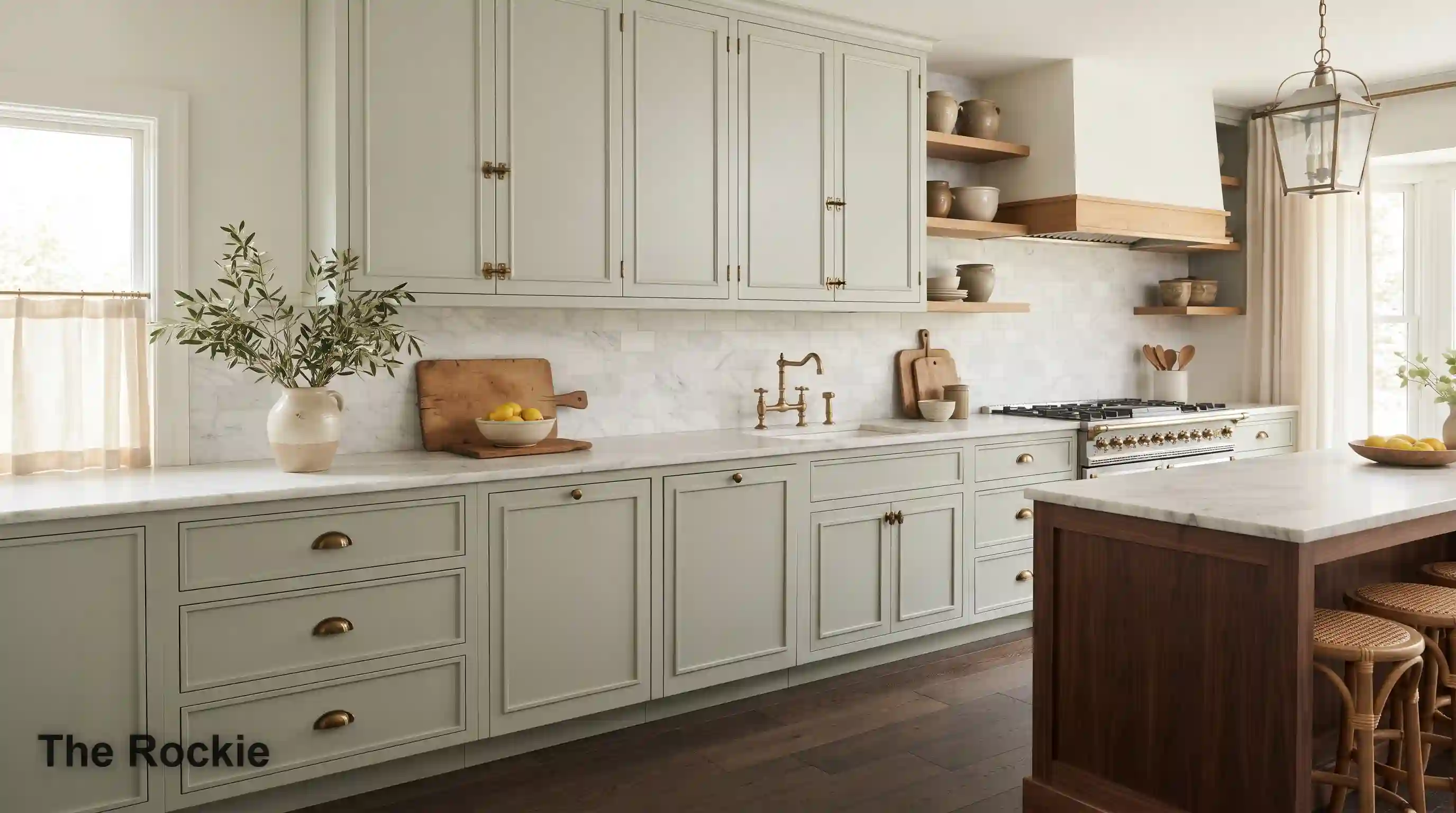
Minimalist cabinet fronts paired with subtle traditional molding create one of the clearest expressions of transitional design — clean lines that still carry a bit of old-world detail. Vintage-inspired handles on otherwise modern cabinetry keep the balance from tipping too far in either direction. It’s a combination that satisfies people drawn to both contemporary simplicity and classic craftsmanship.
7. Countertops Chosen to Last
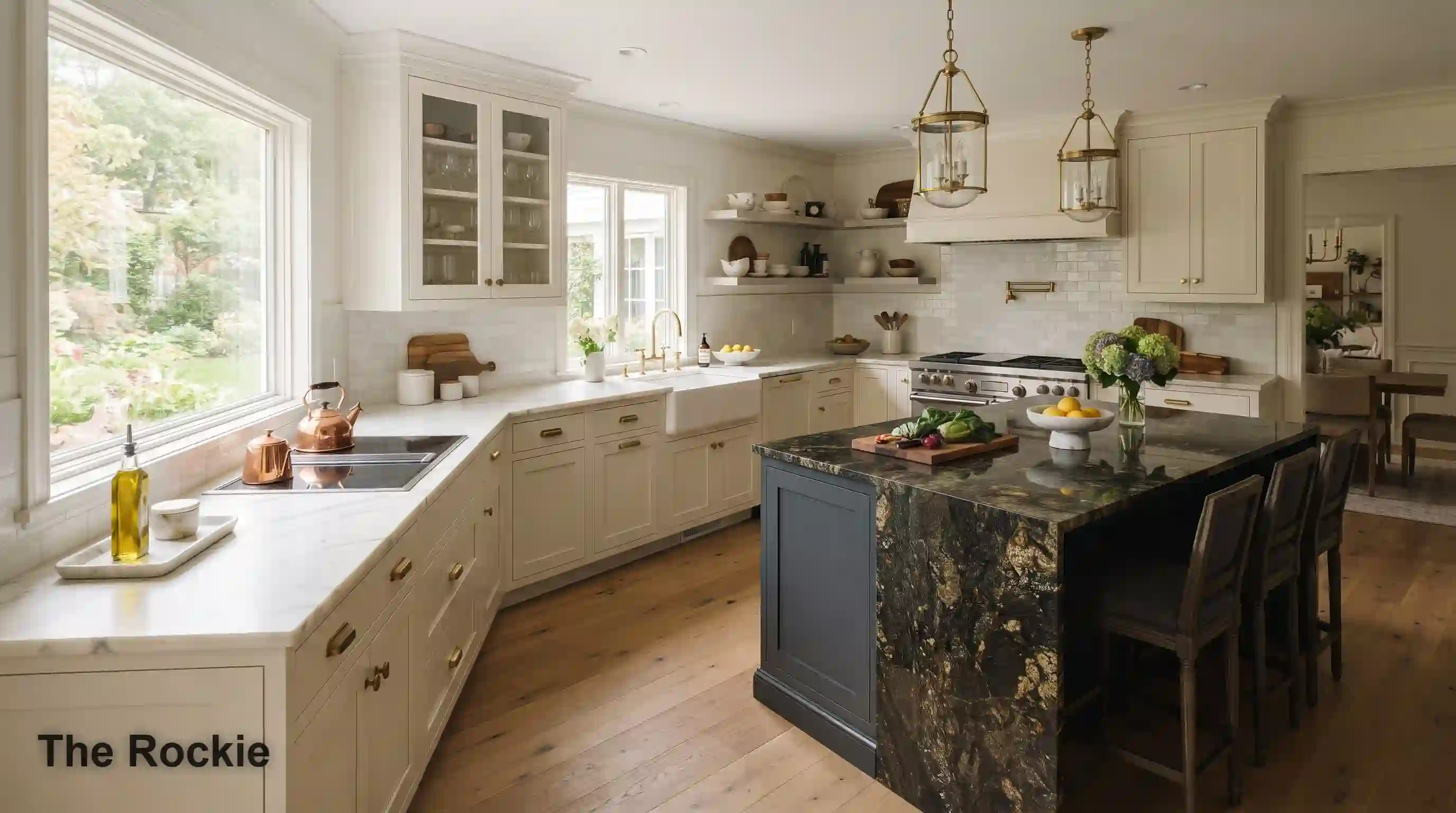
Granite, marble, and engineered stone all bring a level of permanence and sophistication that suits transitional design particularly well — durable enough for daily use, elegant enough to anchor the whole room. These materials pair easily with a wide range of cabinet styles, which makes them a safe long-term investment rather than a trend-driven choice. The countertop essentially becomes the stage everything else in the kitchen performs on.
8. Open Shelving for a Bit of Display
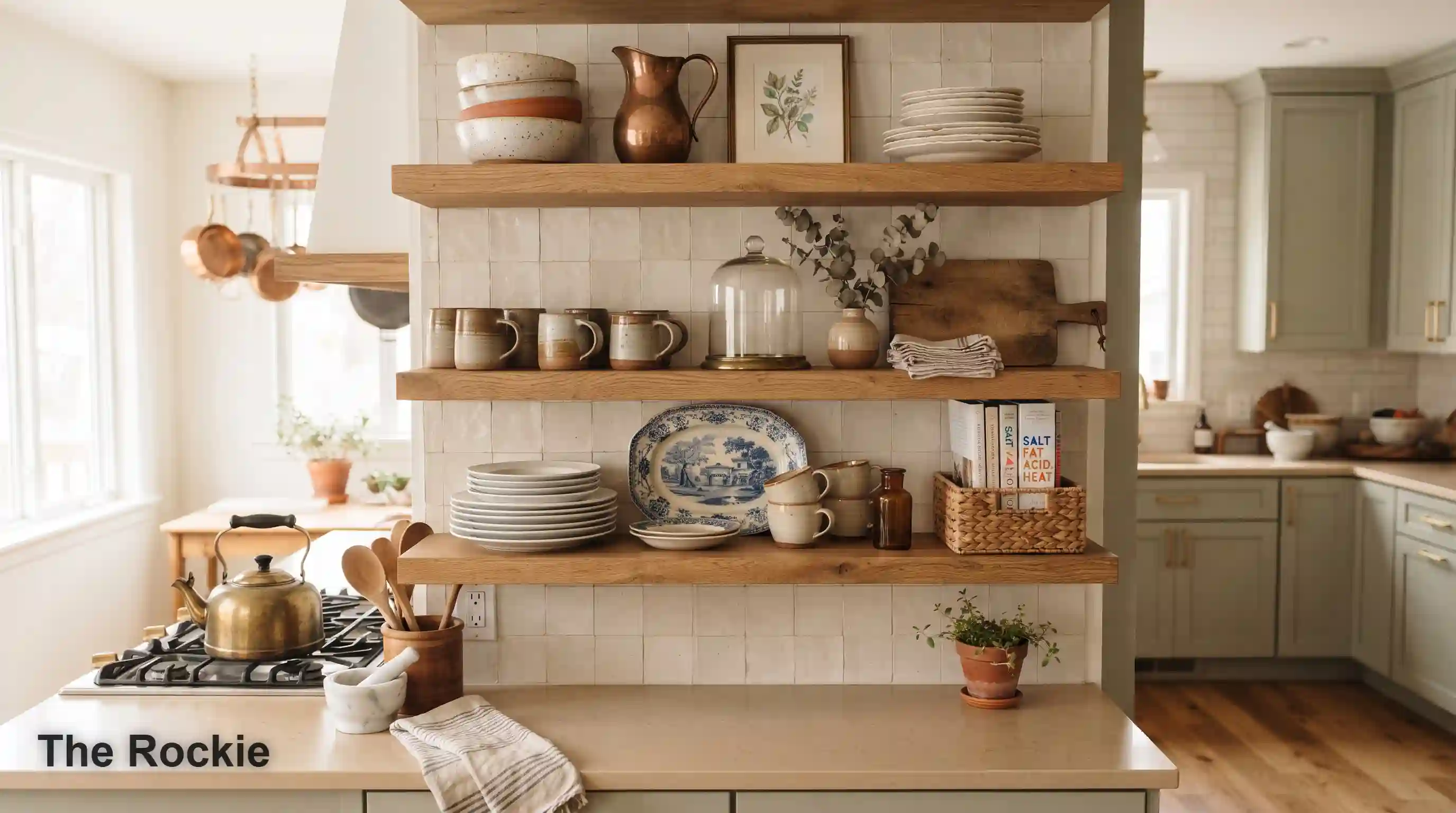
Swapping a section of cabinetry for open shelving gives a transitional kitchen a place to show off favorite dishware or a few vintage finds, while keeping everyday items within easy reach. It adds a visual break from closed storage and a sense of character that fully enclosed cabinetry doesn’t offer. Arranged with a little care, open shelving makes the whole kitchen feel more spacious and less boxed-in.
9. Lighting Designed With Intention
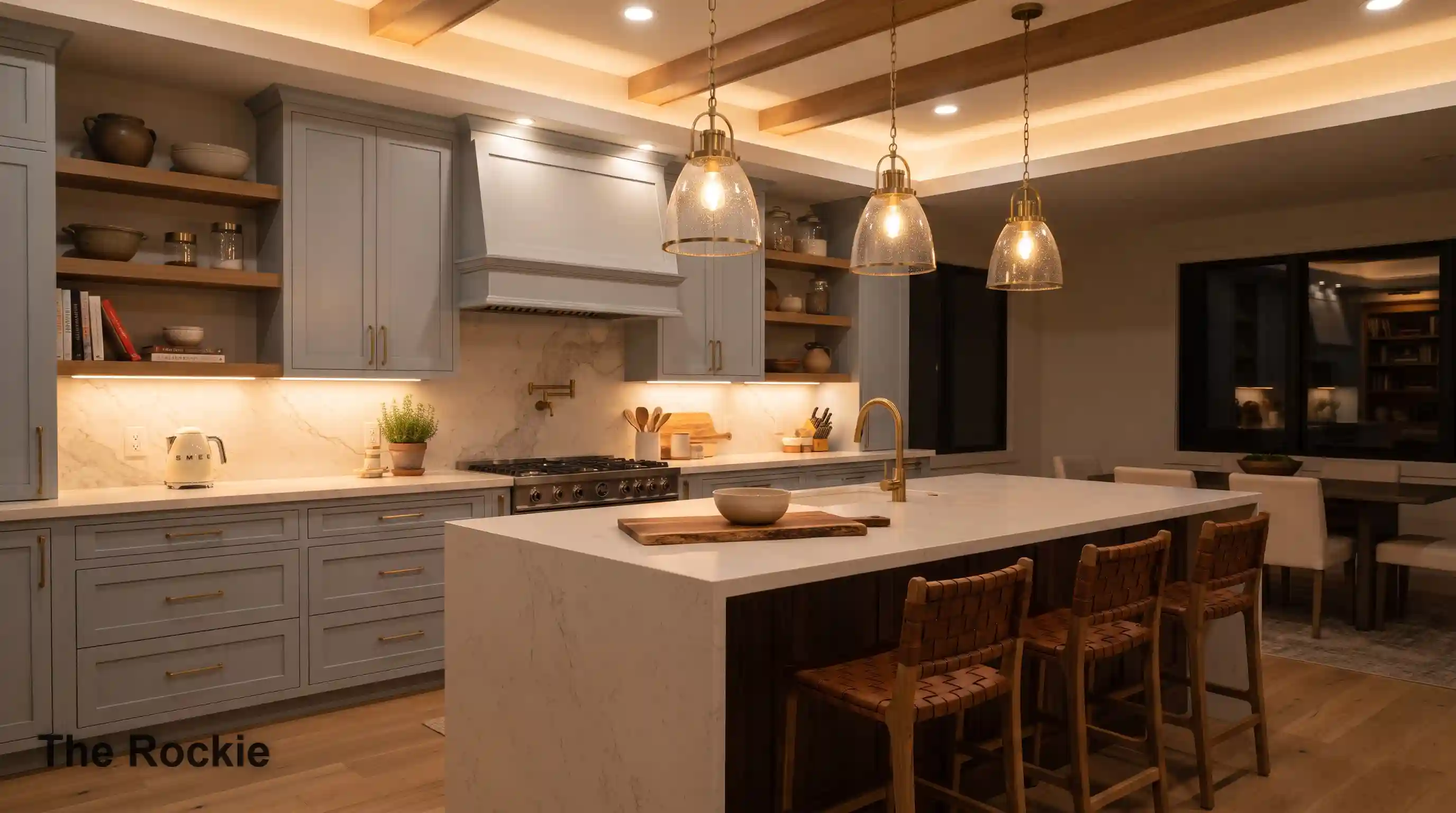
Pendant fixtures, under-cabinet lighting, and recessed installations working together highlight architectural details while covering the practical bases — bright enough for prep work, warm enough for gathering. Well-planned lighting shifts a transitional kitchen’s mood across the day, supporting focused cooking in the morning and relaxed conversation in the evening without needing to change a single fixture.
10. A Layout Built Around Real Movement
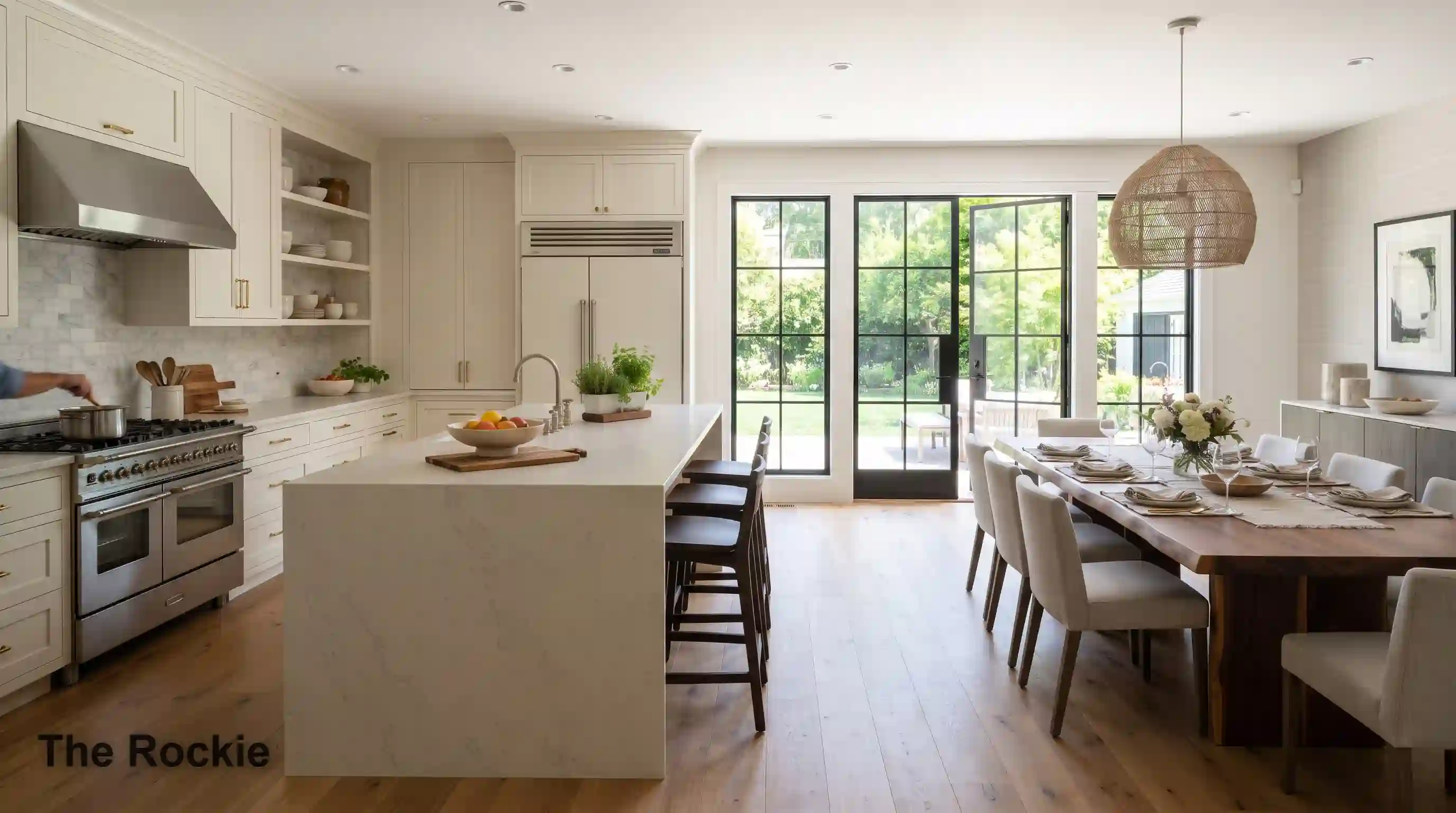
Every successful transitional kitchen starts with a layout that actually works — an open plan connecting cooking, dining, and social space, with the stove, sink, and refrigerator positioned for efficient movement between them. Getting this right first means every stylistic choice layered on top has a functional foundation to build on, rather than fighting an awkward floor plan.
11. Mixing Hard Surfaces With Soft Comfort
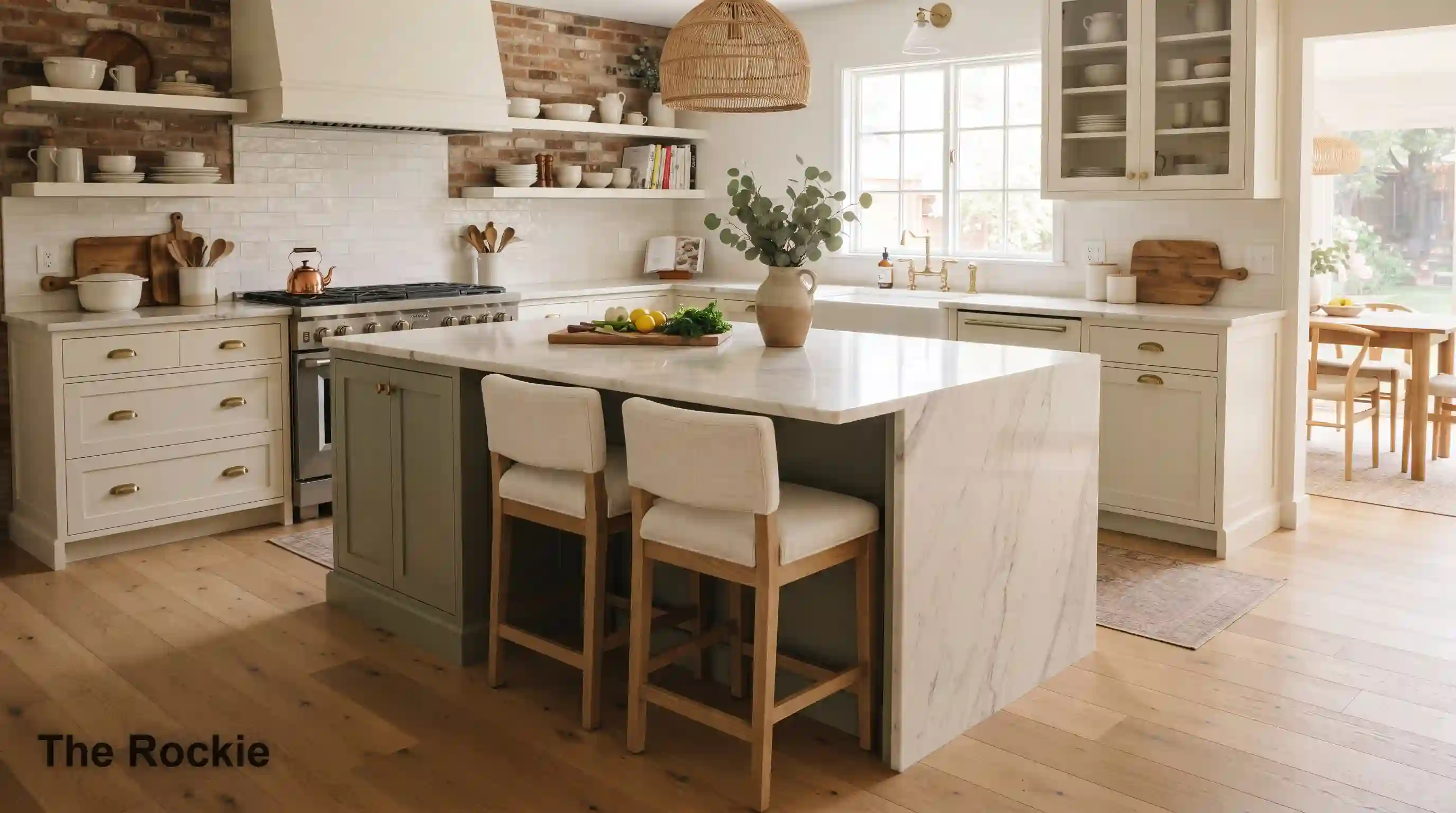
Polished stone counters paired with cushioned seating create a deliberate contrast — resilient materials balanced against genuinely comfortable places to sit and linger. This mix keeps a transitional kitchen from feeling either too clinical or too soft in one direction, striking a middle ground that’s both durable and genuinely inviting to spend time in.
12. A Touch of Industrial Edge
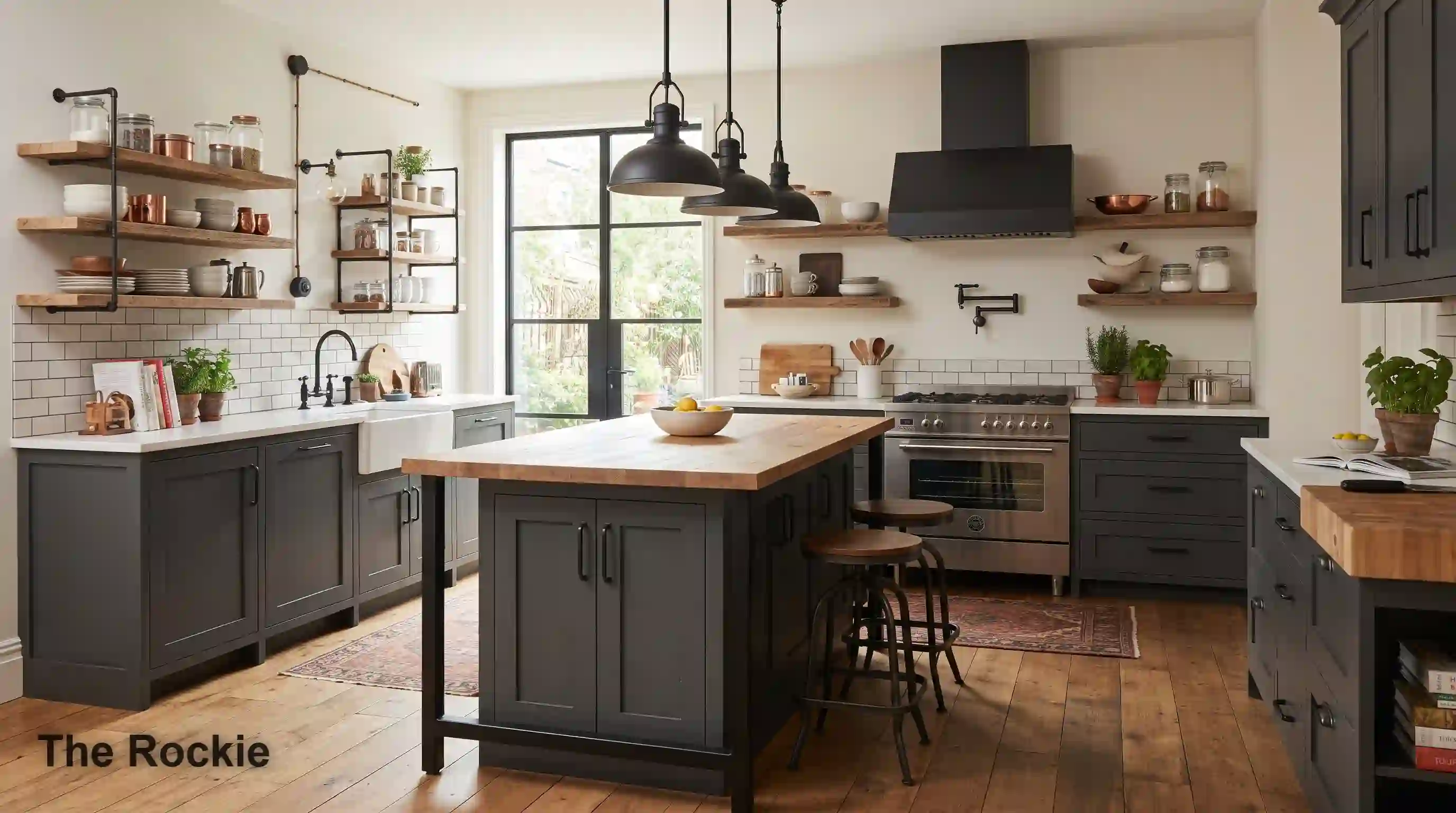
Matte metal fixtures, exposed piping, or reclaimed wood accents can introduce a contemporary edge into a transitional kitchen without overwhelming its warmth. Used sparingly, these industrial details add character and durability while still respecting the classic elements around them. It’s a way to give the kitchen a bit of unexpected personality without abandoning the overall balance the style is built on.
13. Warm Wood as a Connecting Thread
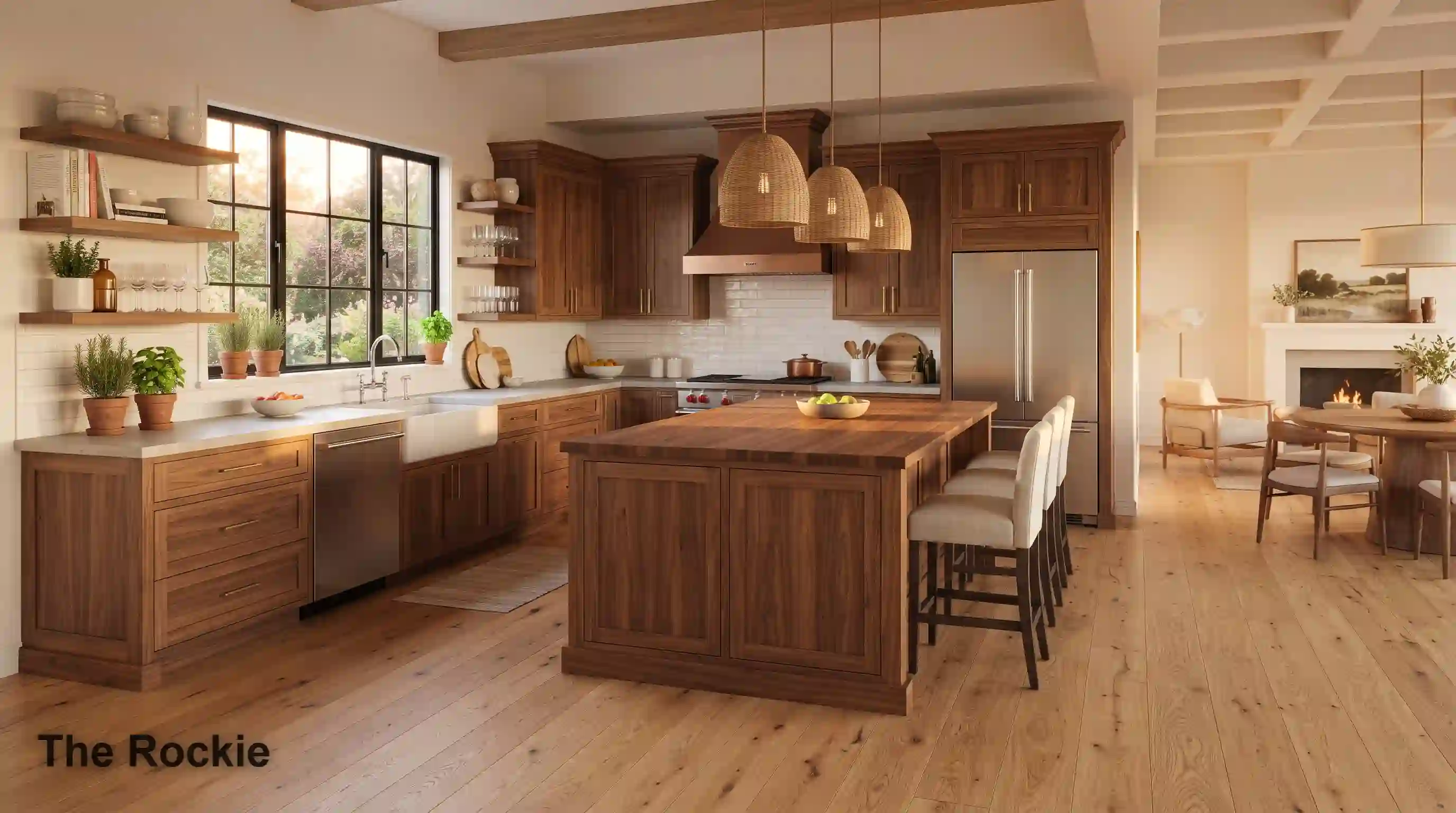
Natural wood grain worked into flooring, cabinetry, or decorative panels ties a transitional kitchen together with an organic warmth that pure stone or metal can’t provide on their own. It’s a material that connects the room to something a little more elemental, softening the sharper modern lines elsewhere and reinforcing the balanced, comfortable feel that defines the style.
14. A Backsplash With Real Character
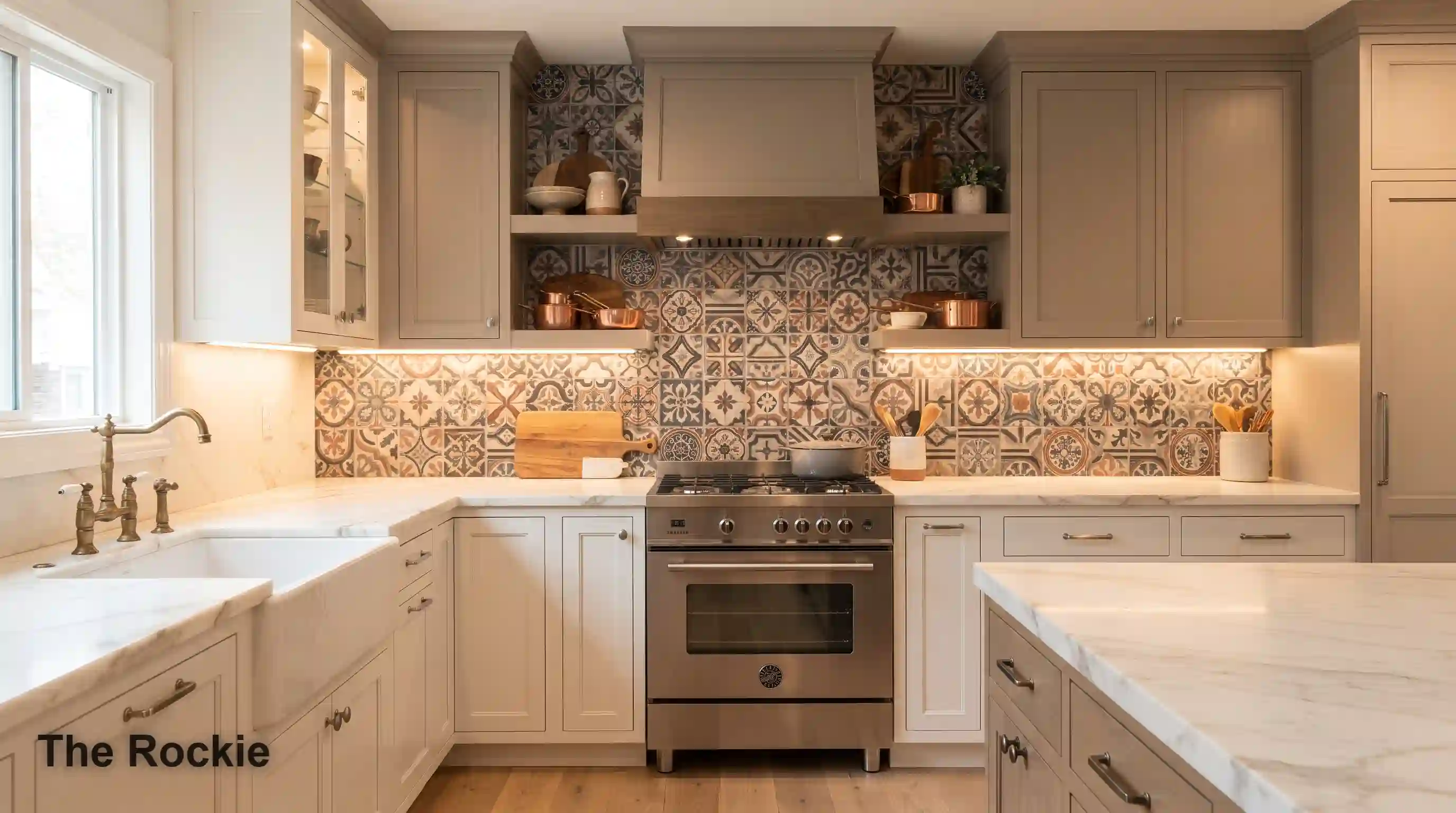
A decorative backsplash gives a transitional kitchen a natural focal point where texture, color, and pattern can reflect both modern trends and classic elegance at once. Glass, patterned tile, or a mix of both lets homeowners personalize a functional wall surface without disrupting the balance of the rest of the room. It’s often the detail that ends up defining the kitchen’s overall character.
15. Appliances That Disappear Into the Design
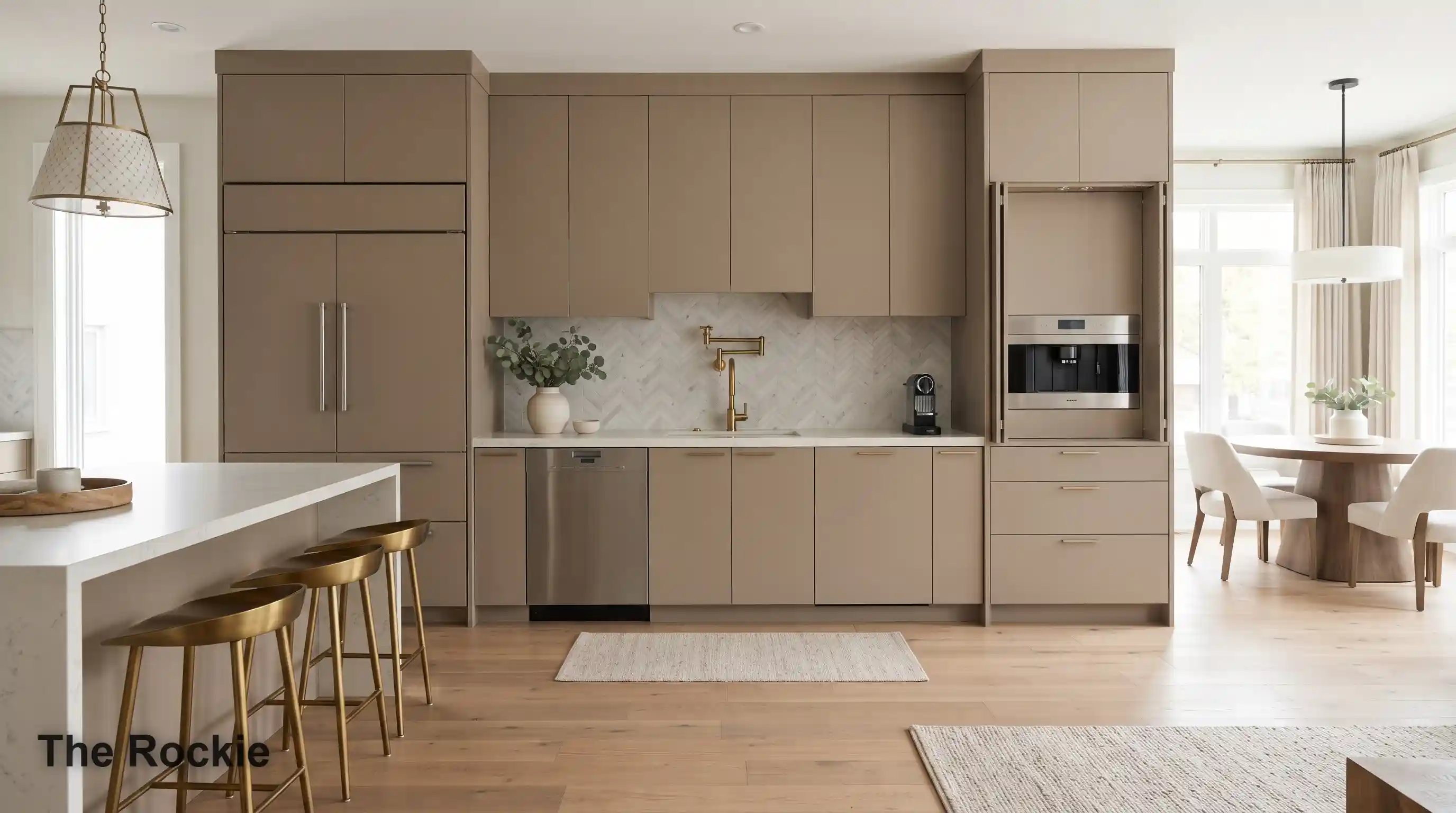
Concealed or built-in appliances keep a transitional kitchen’s overall look clean and uncluttered, even while delivering genuinely modern performance. This integration bridges the gap between form and function especially well in a style built around balance — nothing here needs to look flashy, just work quietly and well behind a considered facade.
16. Modern Fixtures Paired With Antique Touches
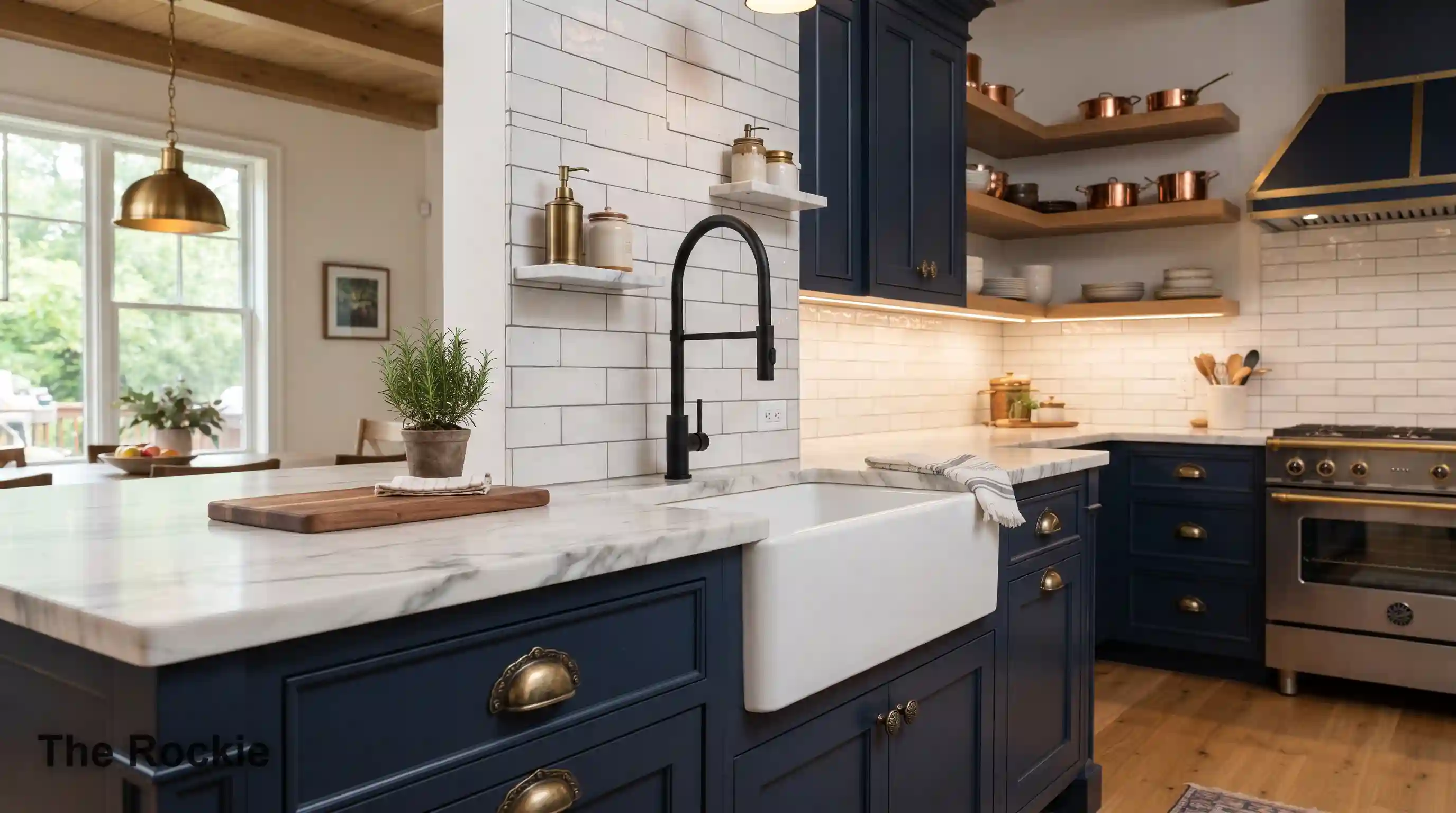
Sleek contemporary faucets alongside vintage-inspired hardware create one of transitional design’s clearest visual conversations — old and new sharing the same countertop without either one dominating. This kind of pairing gives the kitchen a multi-dimensional look that honors history while staying genuinely functional for daily use.
17. Window Treatments That Soften the Room
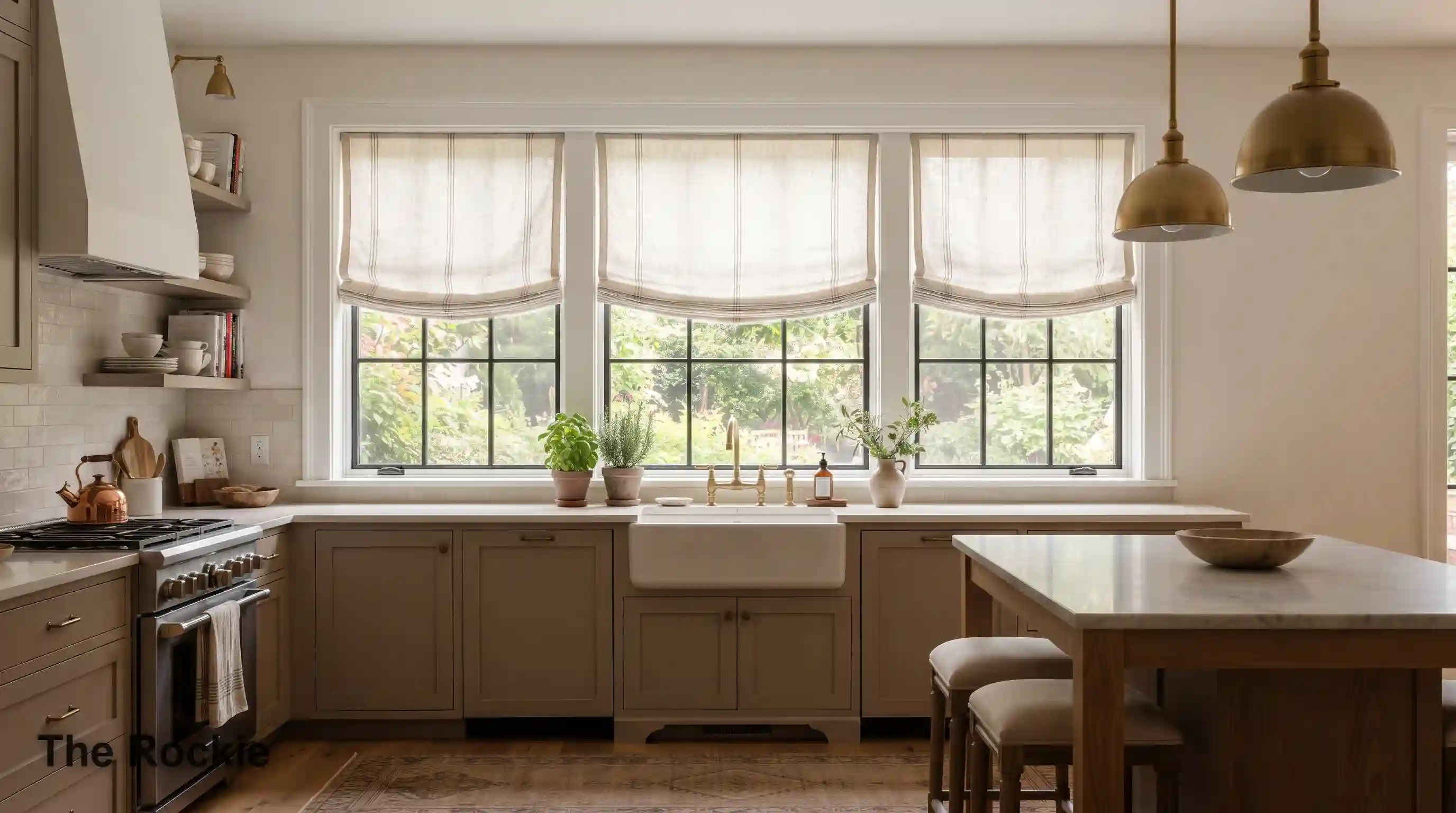
Roman shades, subtle draperies, or tasteful blinds regulate light while adding a layer of pattern and warmth that bare windows can’t offer. These treatments give a transitional kitchen a finished, curated feel, balancing practical needs like privacy and light control with a genuinely cozy aesthetic that ties the whole room together.
18. Minimalism, Softened by Elegant Detail
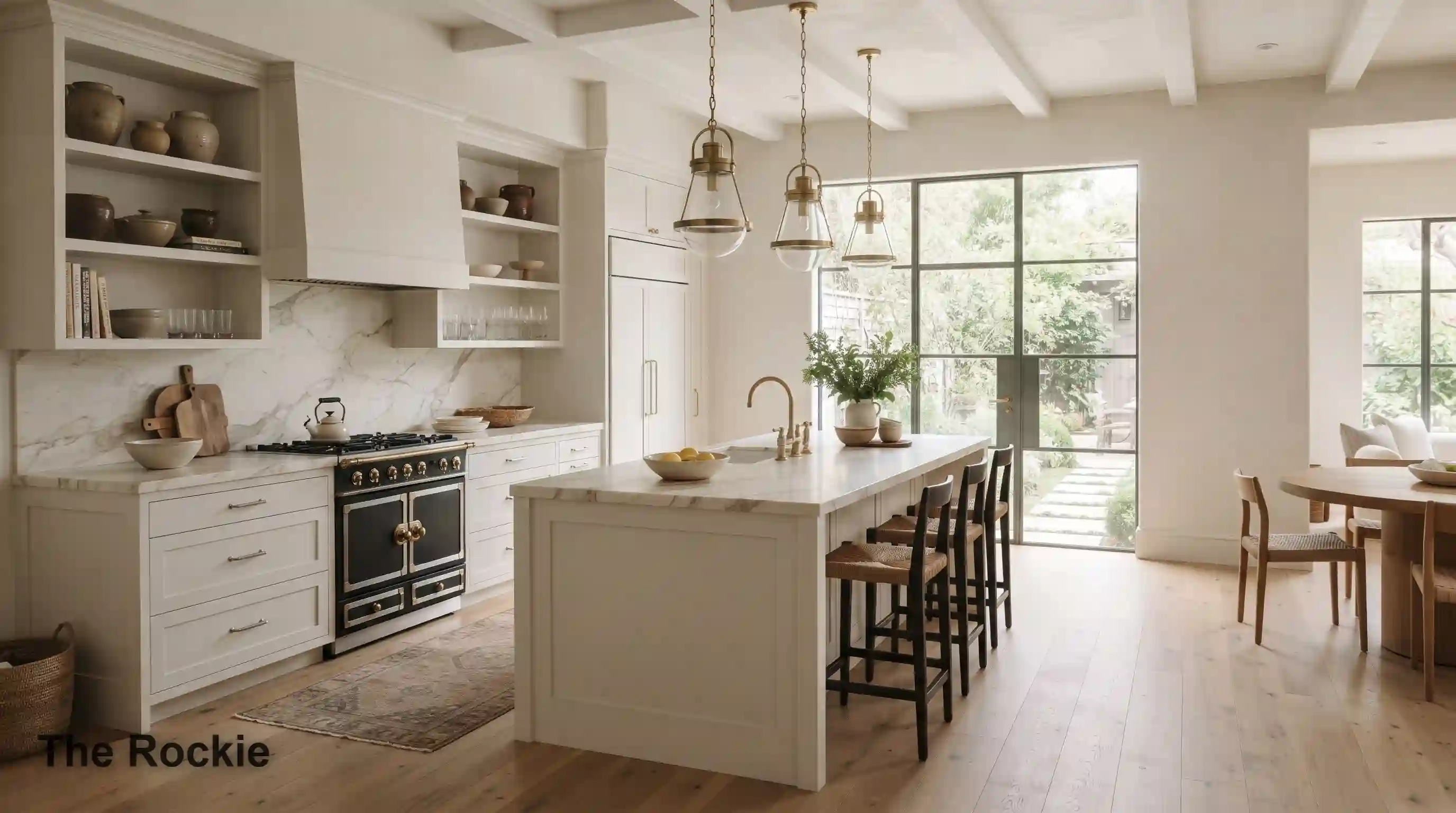
A restrained approach to clutter, paired with quality materials and a few refined design touches, gives a transitional kitchen an effortless, sophisticated feel. It’s less about removing everything decorative and more about choosing carefully — every element earning its place through both function and style. The result is a calm, airy space that never feels stripped down or cold.
19. Open-Plan Continuity With the Rest of the Home
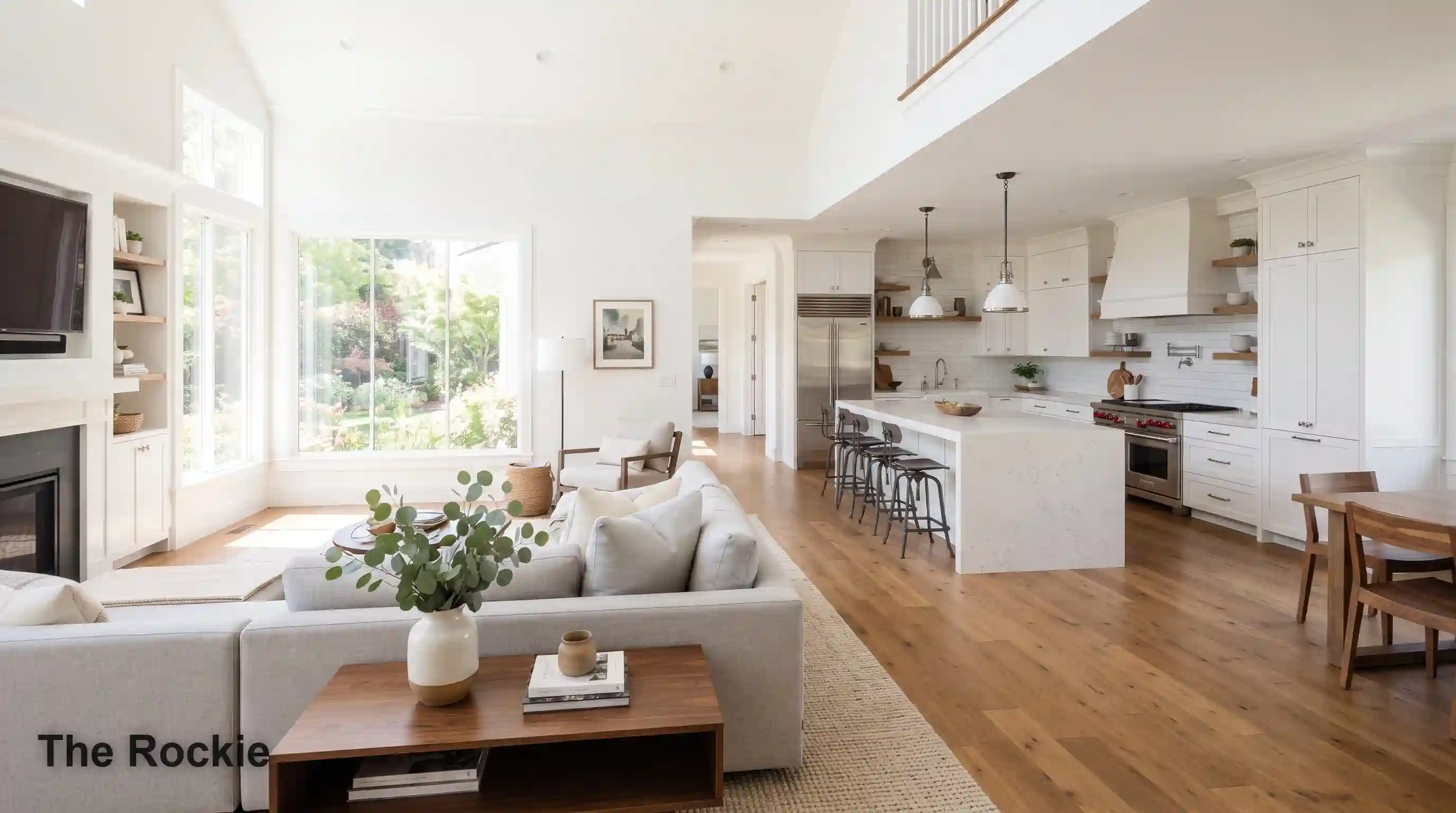
Removing physical barriers between the kitchen and adjoining living space lets light and conversation move freely, creating a natural extension rather than a separated room. This kind of continuity supports the transitional style’s overall goal — a home that feels cohesive and adaptable, whether it’s hosting a quiet weeknight dinner or a full house of guests.
20. Smart Technology, Quietly Integrated
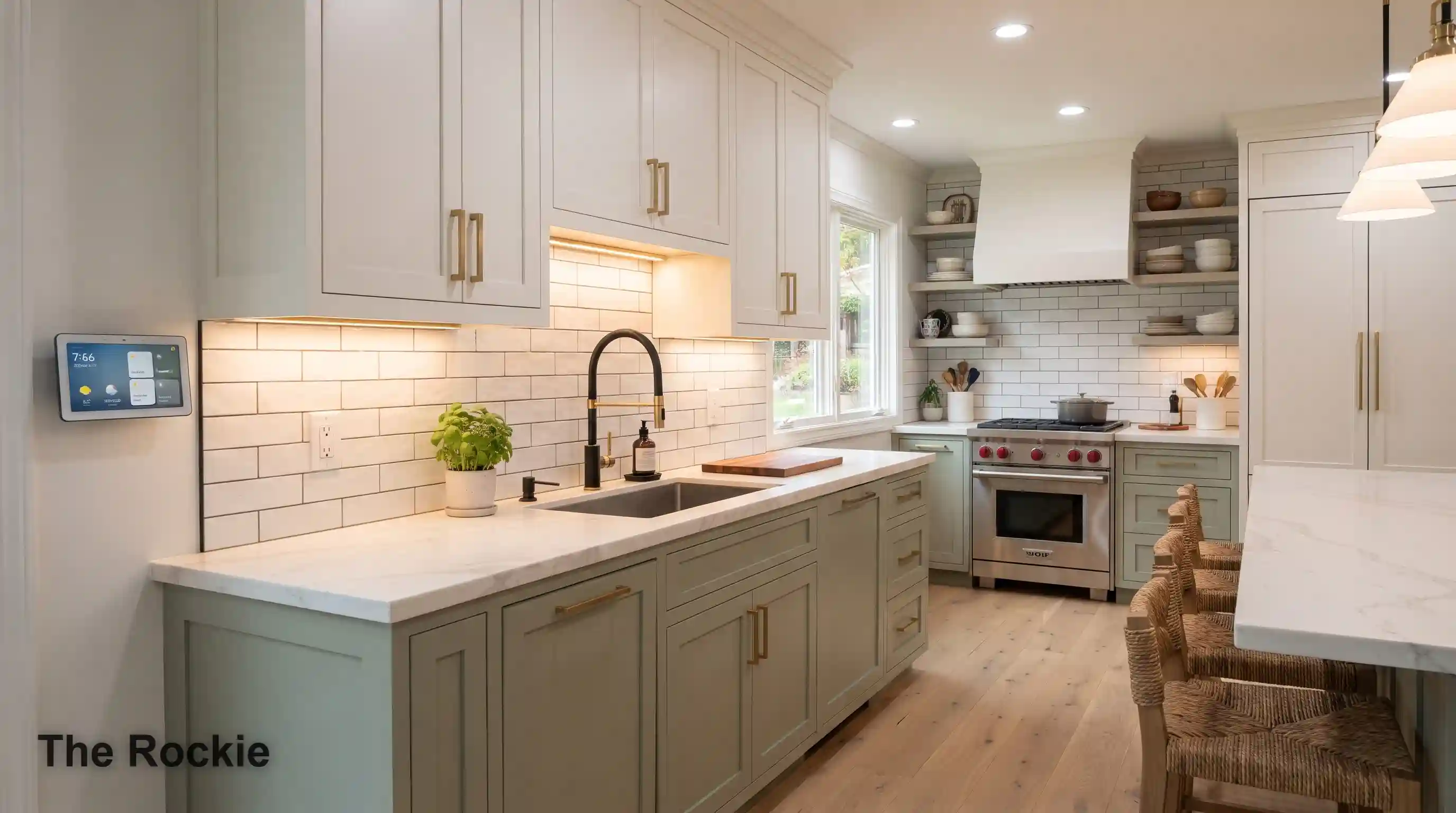
Touch-activated faucets, automated lighting, and app-connected appliances bring genuine modern convenience into a transitional kitchen without disrupting its classic visual foundation. The best implementations stay in the background — improving efficiency and ease of use while letting the room’s overall aesthetic stay firmly rooted in timeless design.
21. A Cozy Dining Nook Built In
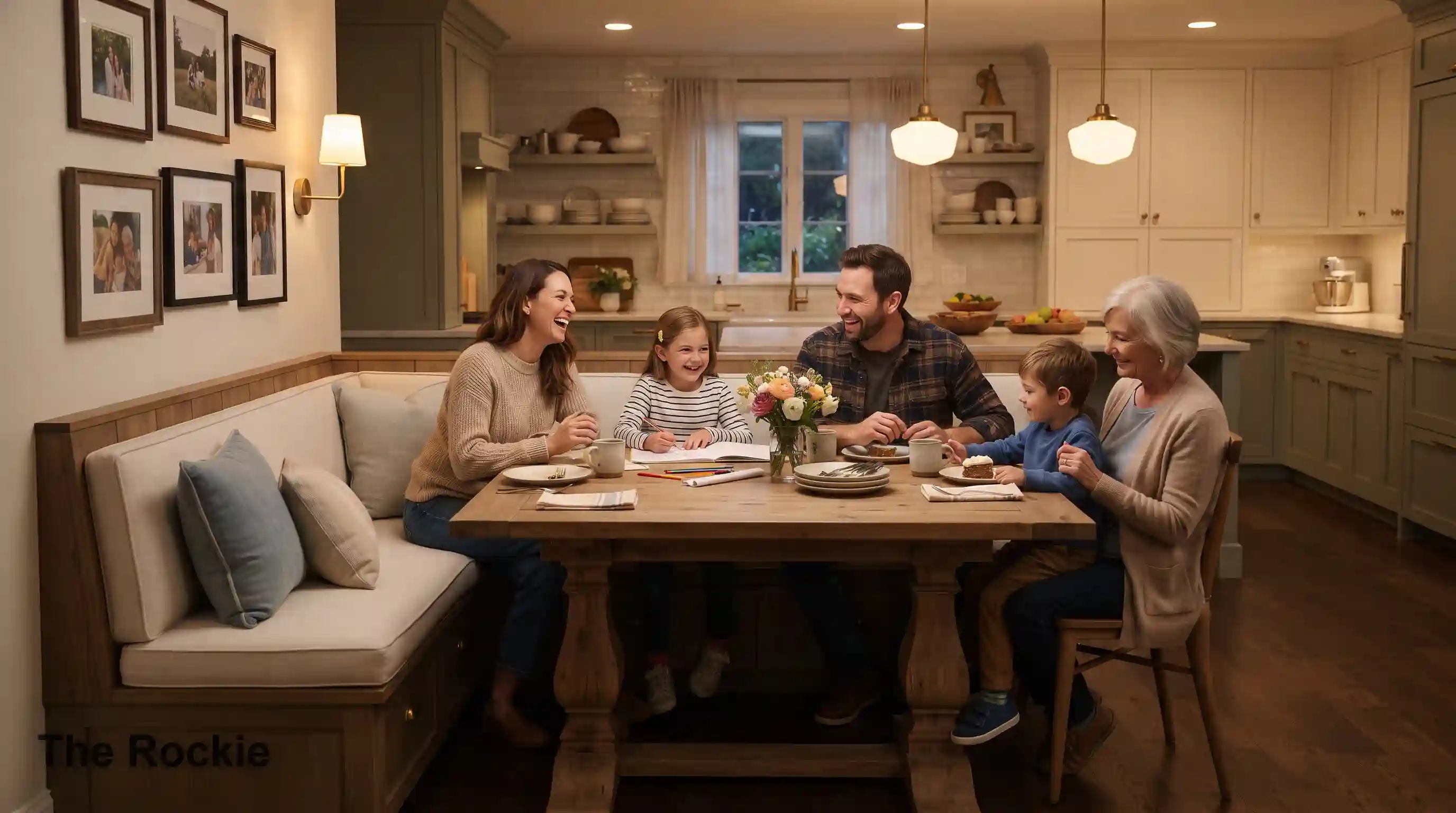
Comfortable seating, a stylish table, and warm ambient lighting turn a corner of a transitional kitchen into a genuine gathering spot for relaxed meals. This kind of integration lets the kitchen serve double duty as both workspace and social hub, reinforcing the idea that transitional design is ultimately about making a room flexible enough for real daily life.
22. Personal Touches That Make It Yours
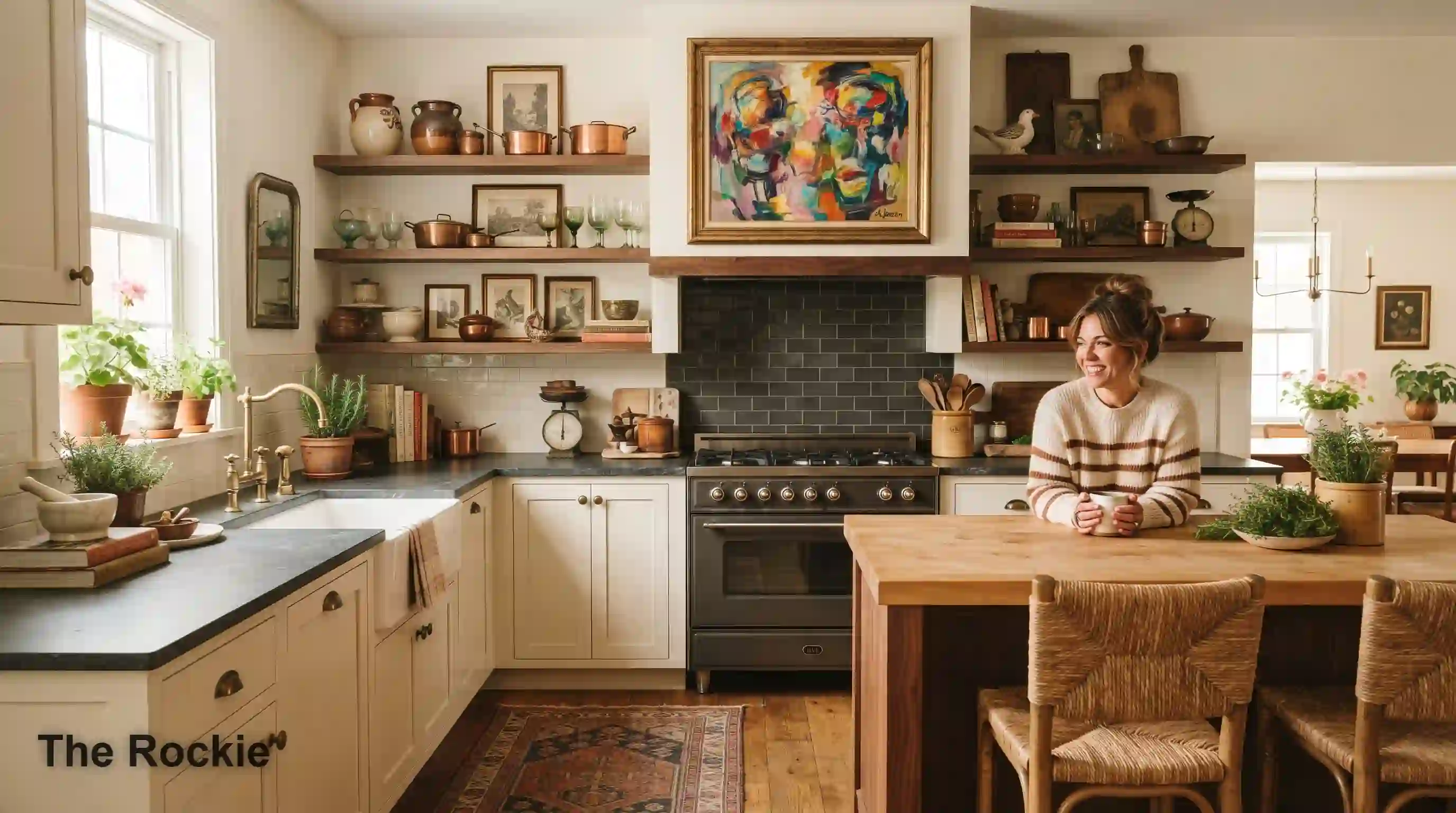
Statement art, vintage collectibles, or a few hand-crafted fixtures give a transitional kitchen a layer of individuality that off-the-shelf design simply can’t replicate. These personal details are usually what visitors remember most, precisely because they can’t be copied from a showroom — they’re the parts of the kitchen that genuinely tell your story.
Final Thoughts
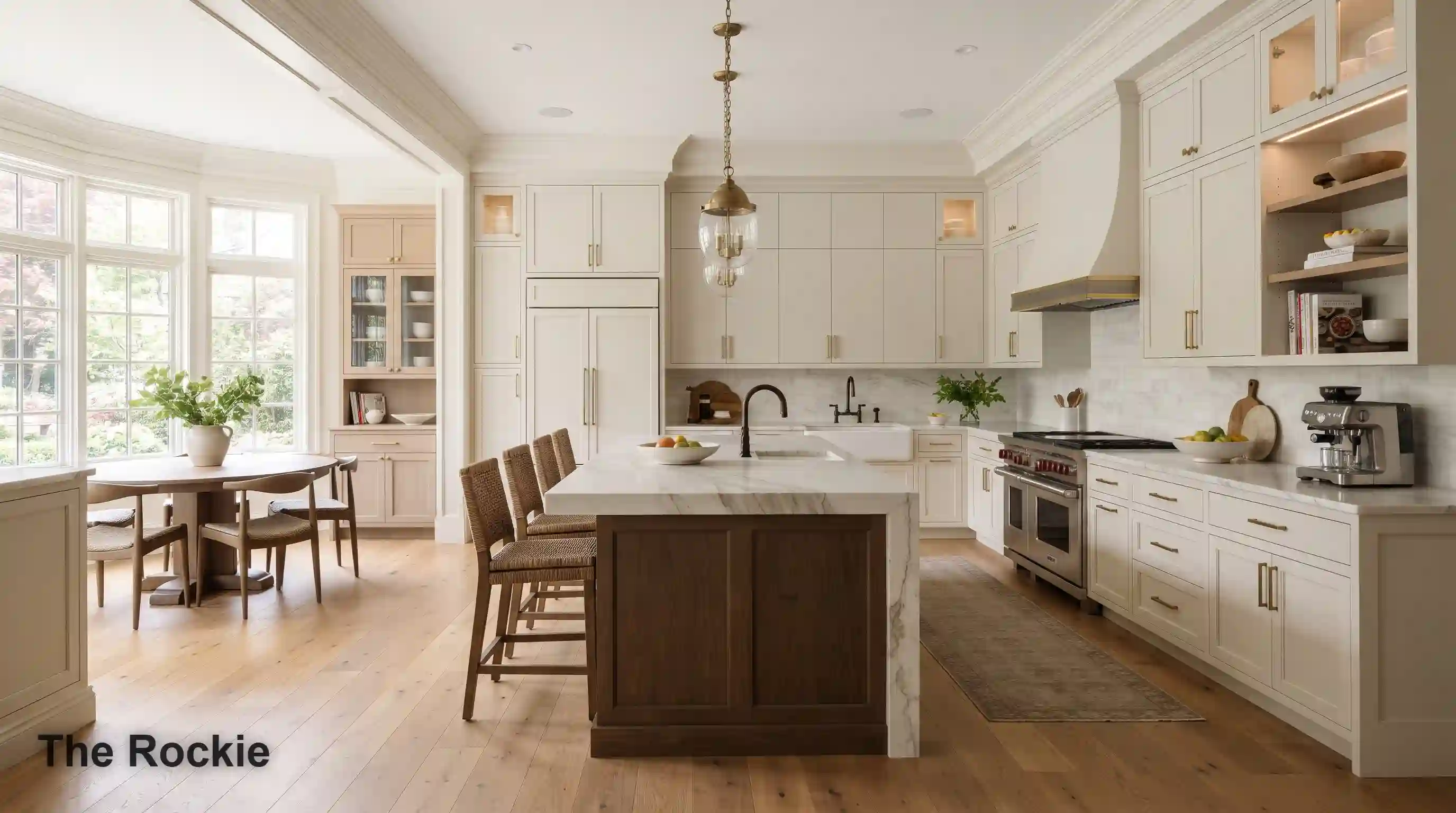
Twenty-two ideas, and the common thread running through all of them is balance — not compromise, but a genuine blending of traditional warmth and modern ease that lets a kitchen feel both timeless and current. Whether you lean into natural materials, mixed textures, or a few carefully chosen antique touches against sleek cabinetry, a transitional kitchen works best when every choice supports the same idea: a room built for how people actually live, not just how a single style dictates.